


Silver Diamond Brooch
A silver diamond brooch brings together the quiet lustre of aged metal and the bright flicker of hand-cut stones, offering a wearable piece of history.
Silver Diamond Brooch
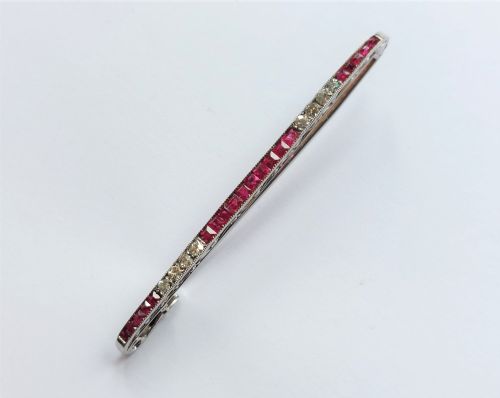
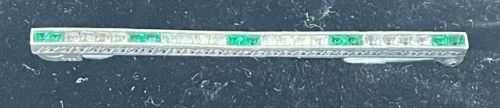
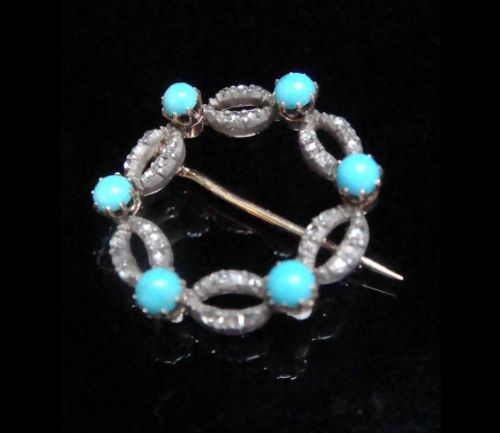
A silver diamond brooch encompasses a wide array of historical jewel forms, ranging from delicate bar pins to substantial convertible tiaras and pendants. When exploring this phrase, buyers encounter intricate natural motifs like stars, floral sprays, butterflies, and swallows alongside geometric Art Deco lines.
The versions met most frequently on this page originate from the Victorian and Edwardian eras, as well as the subsequent Art Deco period. These jewels served as prominent dress ornaments, frequently designed with clever mechanisms that allowed a pendant or tiara to transform into a standalone brooch.
Makers across the nineteenth and twentieth centuries utilised silver primarily for its bright, white surface which made diamonds appear especially vivid. This metal choice dictated the classic construction method of mounting stones against a dark foil or directly into silver-topped gold.
Materials and construction techniques
Jewellers typically set diamonds into a thin layer of silver applied over a stronger backing of yellow gold, platinum, or lower-carat gold. This combination provided the optimal colour contrast for early gemstone cuts while ensuring structural durability for daily wear.
Stones within these pieces frequently feature old European, rose, or flat cuts shaped by hand rather than modern machinery. Such historic cutting styles produce a softer, broader scintillation compared to contemporary brilliant cuts.
Additional coloured gems such as sapphires, rubies, emeralds, and pearls frequently accompany the diamonds to accentuate specific motifs like floral sprays or winged insects. Artisans secured these components using meticulous prong and collet settings fashioned entirely by hand.
Silver Diamond Brooch Retail Price Guide 2026
Typical asking prices for silver diamond brooch among the pieces listed under this phrase on Sellingantiques today, from the lower quarter to the upper quarter. They describe what is for sale here now, not the wider market.
Current listings feature pieces spanning from the 1860s through the Art Deco era, incorporating platinum, gold, and silver settings.
Factors determining overall quality
The calibre of a silver diamond brooch rests heavily on the harmony of its design and the integrity of its stone settings. Superior examples display balanced proportions, with hand-cut diamonds matched carefully for colour, clarity, and overall visual weight.
The subtlety and skill of the metalwork dictate the distinction between standard production and exceptional craftsmanship. Pieces that retain their original convertible mechanisms, fitted boxes, and secure pin fittings without modern alterations command greater appreciation from collectors.
CIRO
The Silver Diamond Brooch Glossary
- Old European Cut
- An early round gemstone cut characterised by a small table, high crown, and a large culet. This predecessor to the modern brilliant cut displays broad facets that catch candle or gas light.
- Rose-Cut
- A vintage diamond cut featuring a flat base and a domed crown composed of triangular facets arranged in a symmetrical pattern. It yields a translucent, shimmering effect rather than intense fire.
- Silver-Topped Gold
- A traditional manufacturing method where a thin sheet of silver is soldered to a gold backing. This technique allowed jewellers to benefit from silver's bright white appearance while utilising gold's strength.
- Convertible Brooch
- A versatile jewel engineered to transform between different formats, such as shifting from a pendant to a hair ornament or tiara. These pieces often feature detachable bails or threaded screw fittings.
- Collet Setting
- A collar of metal that encircles the girdle of a gemstone to hold it securely in place. This historic technique frames each diamond individually within the broader design.
Silver Diamond Brooch: Frequently Asked Questions
How do I wear a silver diamond brooch today?
These versatile ornaments pin securely onto heavy winter coats, velvet blazers, or thick knit scarves where their weight is supported properly. Many historic designs include loops or bails that allow the piece to hang from a delicate chain as a pendant.
Securing the pin with an additional safety catch provides extra peace of mind when wearing vintage jewellery out. Placing the ornament on a structured lapel or neckline keeps the stones displayed at an optimal angle.
How can I tell Victorian pieces from Art Deco ones?
Victorian designs lean towards naturalistic themes like stars, floral sprays, crescent moons, and insects created with warm yellow gold and silver-topped settings. The stones in these pieces are almost exclusively old European or rose cuts set by hand.
Art Deco examples shift sharply into geometric bar brooches and symmetrical patterns framed in platinum or white gold. These later creations favour precise lines and crisp calibration alongside bolder gemstone pairings.
Did these brooches originally function as pendants?
Many Victorian and Edwardian jewels were engineered with dual functionality from the outset. Hidden hinged loops, fold-down bails, or detachable frames allowed an owner to transition the ornament from a bodice pin to a necklace pendant.
Examining the reverse of the metalwork often reveals these clever mechanical additions. This versatility made such valuable items practical for changing daily fashions.
What is the difference between old-cut and modern diamonds?
Historic diamond cuts were shaped entirely by hand under natural or candlelight rather than lasers or precise computer algorithms. Consequently, old European and rose cuts feature smaller tables and larger culets that produce a softer, deeper shimmer.
Modern brilliant cuts maximise linear light return and intense sparkle through strict mathematical symmetry. Older stones offer a distinct historical charm rooted in their organic, asymmetrical facets.