



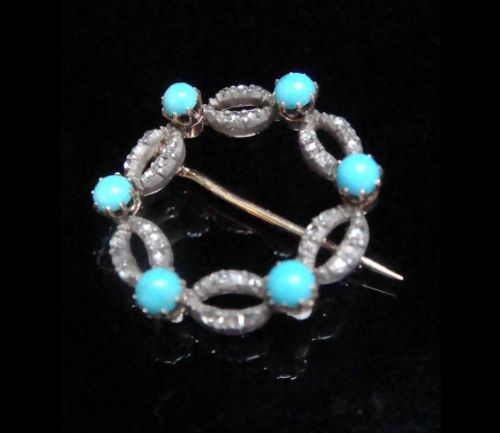
Edwardian Lapel Pin
An edwardian lapel pin fastens neatly to a jacket lapel, bringing delicate gems and metals from the early twentieth century to everyday attire.
Edwardian Lapel Pin
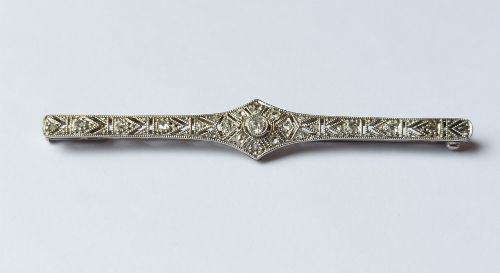
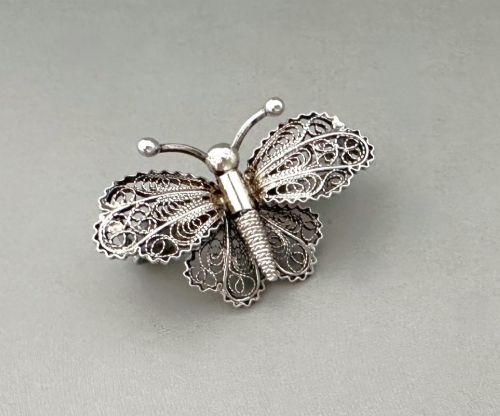
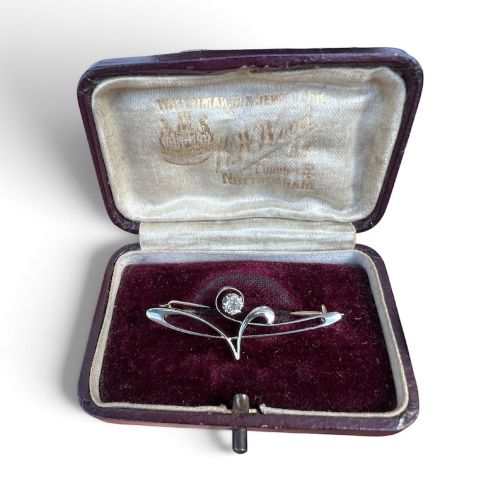
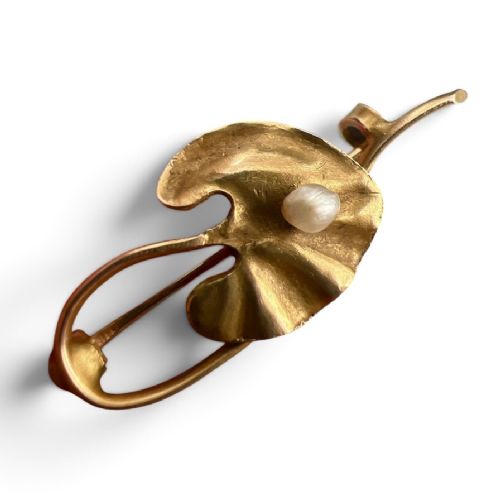
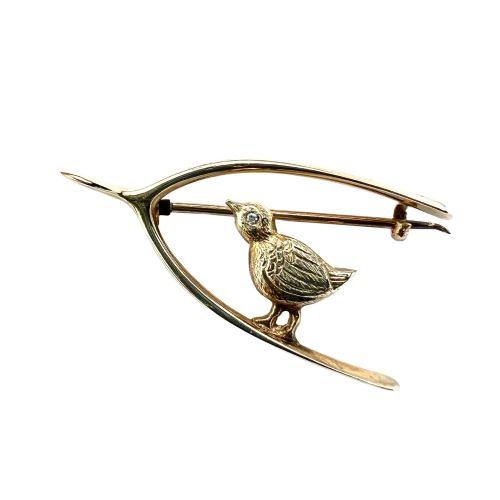
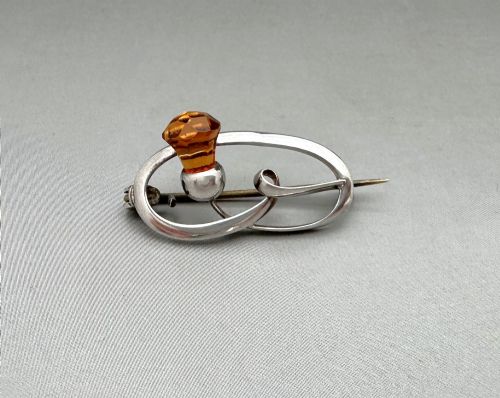
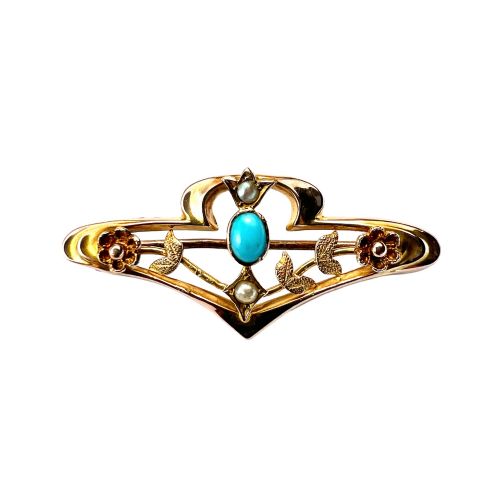
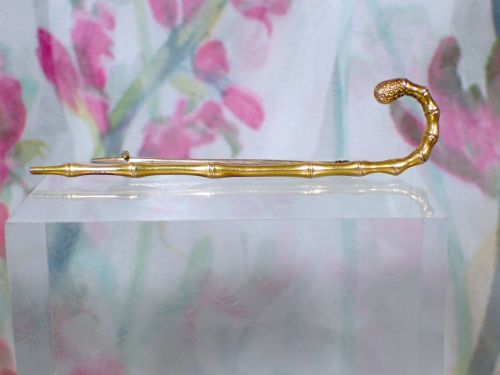
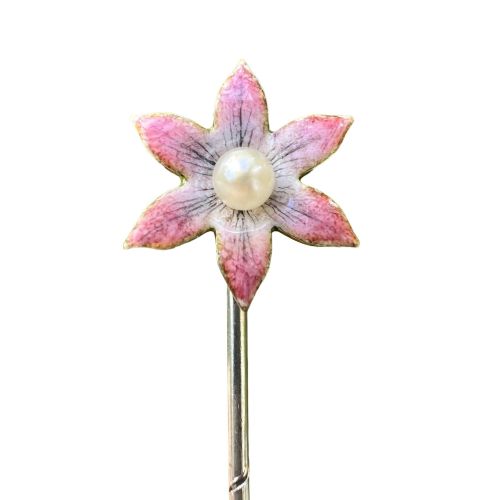
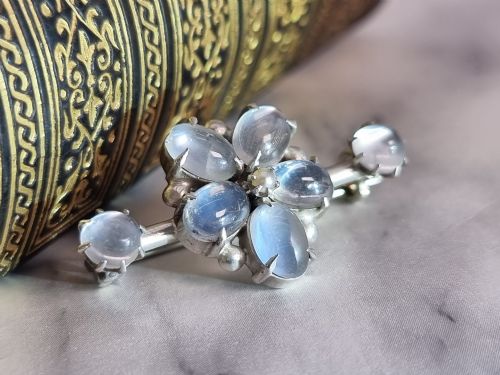
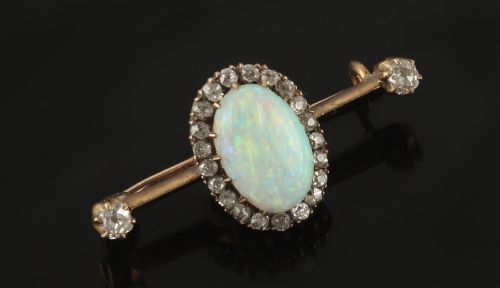
When searching for an edwardian lapel pin, buyers encounter small brooches, stick pins, and hat pins created to adorn formal coats and jackets. These pieces take diverse forms, spanning floral motifs, insects, lucky symbols, and classic bar designs.
Materials and Techniques
Craftsmen utilised a combination of precious metals including yellow gold, rose gold, white gold, silver, platinum, and silver gilt. These metals form the structural mounts for delicate settings.
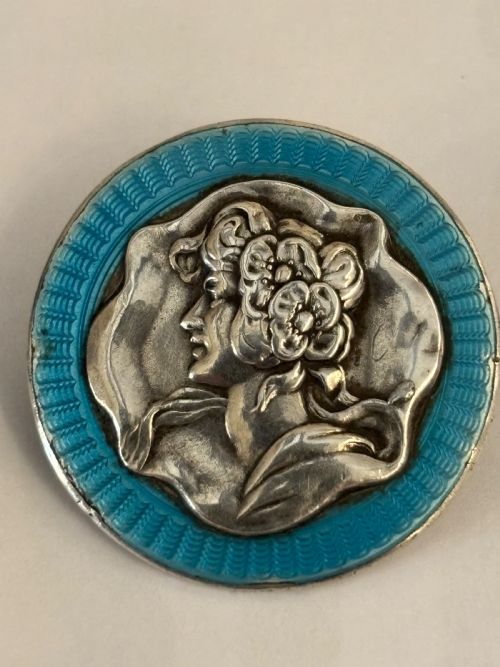
Gems and decorative elements such as diamonds, pearls, rubies, sapphires, opals, garnets, turquoise, peridot, moonstone, and chrysoberyl are integrated alongside vibrant guilloche and plique-a-jour enamel work.
Listings feature periods spanning from late Victorian and Edwardian eras through to the Art Deco and vintage mid-century decades.
Assessing Quality
The standard of an edwardian lapel pin rests upon the precision of its metalwork, whether through fine silver filigree, pressed brass detail, or secure prong settings for diamonds and pearls. Superior pieces display crisp casting and careful stone matching.
Artistic execution dictates distinction, particularly in enamelled subjects like pansies or butterflies where translucency and colour blending require expert handling. The integration of functional elements, such as working wheels on transport motifs or secure pin stems, completes the assessment.
Charles Horner·Adie and Lovekin
The Edwardian Lapel Pin Glossary
- Bar brooch
- A slender horizontal metal rod serving as the primary structural element of the pin. These frequently mount central gemstone clusters or decorative motifs.
- Plique-a-jour
- An enamelling technique resembling miniature stained glass, where transparent enamel is fired without a backing metal. It allows light to pass through colourful floral and insect designs.
- Guilloche
- A decorative technique where precise patterns are mechanically engraved into a metal surface beneath a translucent enamel layer. This creates rhythmic background textures.
- Stick pin
- A long pin featuring an ornamental head, originally designed to secure neckties or lapels. The shaft is often straight and plain.
Edwardian Lapel Pin: Frequently Asked Questions
How do I wear an edwardian lapel pin?
Fasten the pin securely through the buttonhole or fabric of a jacket lapel, ensuring the weight of the piece rests flat against the cloth. They work well on heavy wool coats, blazers, and structured cardigans.
For smaller stick pins or hat pins, position them vertically or diagonally through heavy weaves, taking care to use the provided safety cap or backing to secure the sharp point.
What is the difference between a lapel pin and a brooch?
While terms overlap in historic listings, lapel pins generally feature a longer pin stem, stick shaft, or secure clasp intended specifically for vertical or buttonhole placement on outerwear. Brooches are broader decorative ornaments with pin mechanisms suited for flat fabrics.
Many pieces function interchangeably depending on size and the type of fastening mechanism fitted to the reverse.
How do I date an edwardian lapel pin?
Examine the stylistic markers, such as flowing Art Nouveau lines, geometric Art Deco symmetry, or typical Edwardian platinum-topped gold settings housing old-cut diamonds. Maker marks and assay office stamps provide additional chronological clues.
Materials also help narrow the period, as platinum gained widespread use in fine jewellery around the turn of the twentieth century.
Are these pins fragile?
These historic pieces require gentle handling due to their delicate metal filigree, thin pin stems, and age-related settings. Enamel elements and soft stones like opals or pearls need protection from sharp impacts and harsh chemicals.
Store them individually in padded boxes rather than loose in a drawer to prevent bending or stone abrasion.