


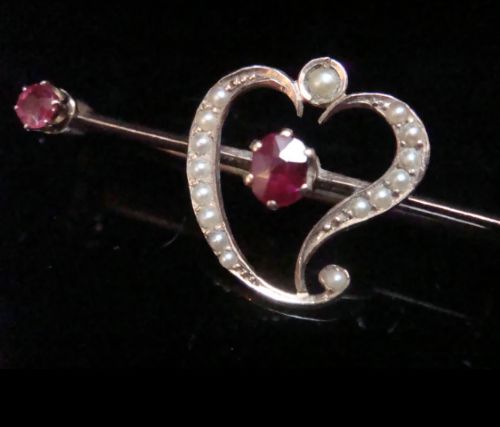


Seed Pearl Bar Brooch
A seed pearl bar brooch brings delicate, lustrous craftsmanship from the Victorian and Edwardian eras to a modern lapel.
Seed Pearl Bar Brooch
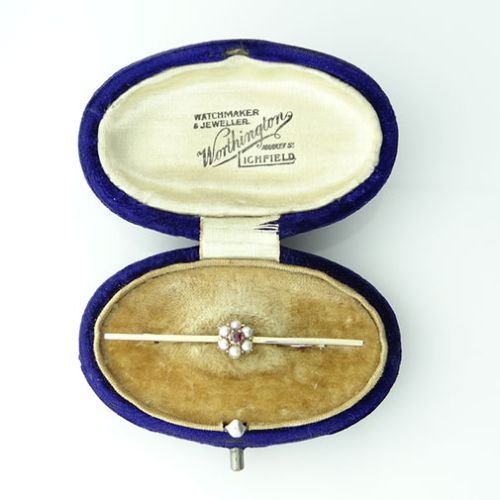
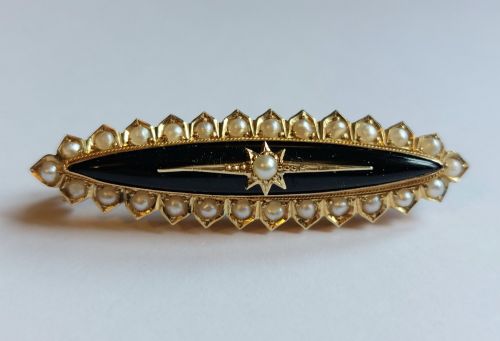
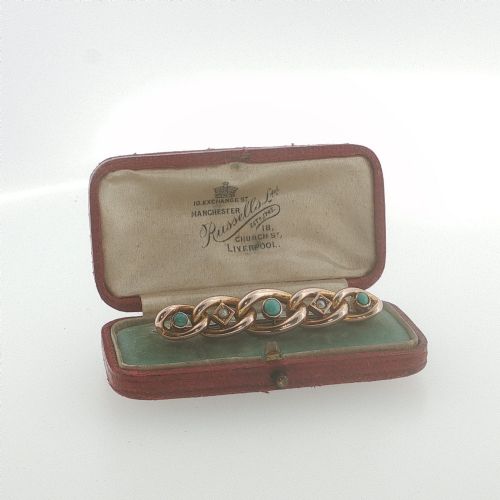
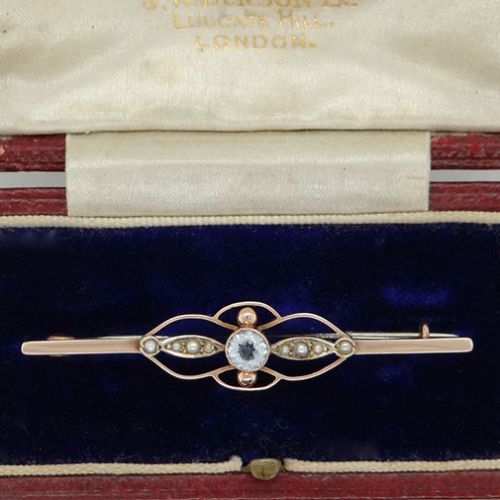
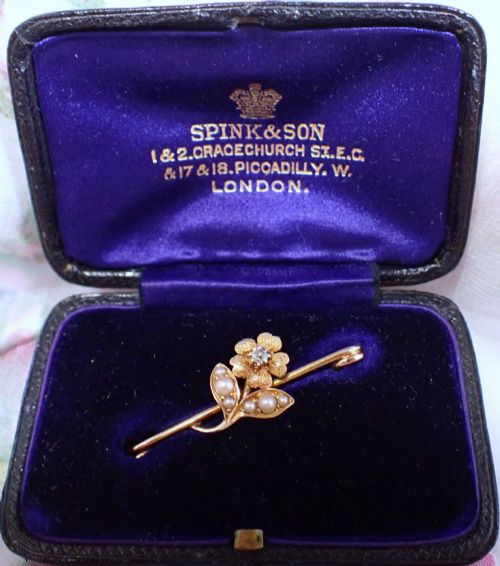
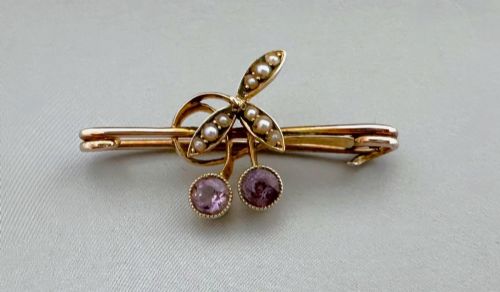
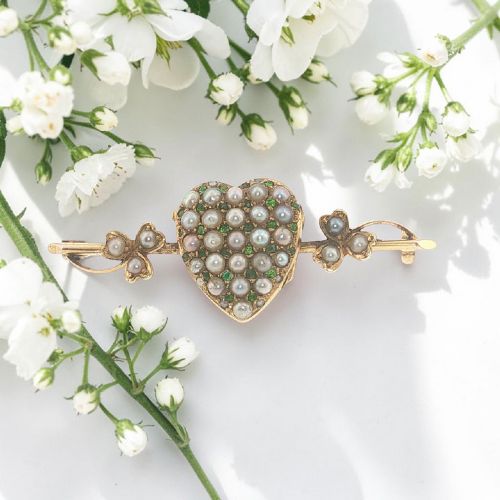
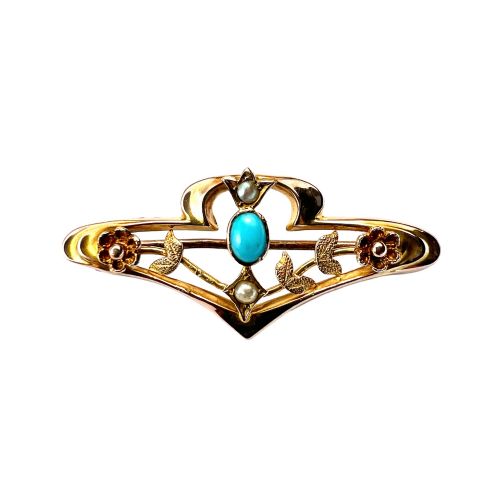
A seed pearl bar brooch is a slender horizontal pin adorned with tiny, meticulously matched pearls, often paired with gemstones such as turquoise, garnet, peridot, ruby, or amethyst. These pieces primarily span the Victorian, Edwardian, and early twentieth-century periods, capturing the refined decorative tastes of those eras in gold settings.
The format ranges from simple linear designs to intricate floral, heart, insect, and crescent motifs mounted on fifteen-carat or nine-carat gold. Buyers searching for a seed pearl bar brooch frequently encounter pieces featuring symbolic designs like swallows, horseshoes, and spiders alongside classic clusters and bar configurations.
Materials and Construction
Goldsmiths utilised nine-carat and fifteen-carat gold, occasionally incorporating platinum, rolled gold, or silver-topped settings to create the linear foundations and detailed motifs of each brooch. Metal was drawn, cast, or stamped into delicate frames designed to support clusters of tiny pearls and colourful accent stones.
Seed pearls were meticulously drilled and secured by hand using fine wire or tiny pegs onto the gold base, often complemented by bezel-set or claw-set gemstones like almandine garnets, turquoise cabochons, and peridots. This intricate assembly required steady precision to align the minute pearls uniformly along the bar or within the central cluster.
Seed Pearl Bar Brooch Retail Price Guide 2026
Typical asking prices for seed pearl bar brooch among the pieces listed under this phrase on Sellingantiques today, from the lower quarter to the upper quarter. They describe what is for sale here now, not the wider market.
Assessing Quality and Execution
The distinction between standard examples and finer pieces lies in the uniformity of the seed pearls and the complexity of the goldwork. Superior brooches feature pearls matched closely for size, shape, and lustre, whereas lesser examples show irregularity or mismatched tones.
Execution of the metalwork also separates tiers of quality, with finer pieces displaying crisp chasing, secure stone settings, and thoughtful integration of secondary gems like rubies, diamonds, or peridots rather than simple glued components.
The Seed Pearl Bar Brooch Glossary
- Seed pearl
- A very small, naturally formed or cultured pearl, typically measuring under two millimetres in diameter. These tiny spheres form the shimmering clusters and linear accents characteristic of Victorian and Edwardian jewellery.
- Bar brooch
- A piece of jewellery featuring a long, thin horizontal metal pin that may be plain or decorated with gemstones along its length. This format serves as the foundational structure for many antique pin designs.
- Cabochon
- A gemstone shaped and polished with a smooth, convex surface rather than faceted with flat planes. This cutting style highlights the rich colour of stones such as turquoise, agate, chalcedony, and onyx.
- Suffragette
- A style of jewellery incorporating the colours green, white, and violet, often represented by peridots, seed pearls, and amethysts. These pieces date predominantly from the Edwardian period when the movement was active.
- Almandine garnet
- A deep red variety of garnet rich in iron and aluminium, frequently utilised in nineteenth-century jewellery. Its dark, rich hue provides a strong contrast against gold settings and white seed pearls.
Seed Pearl Bar Brooch: Frequently Asked Questions
How do I wear a seed pearl bar brooch?
Pin the brooch securely to the lapel of a structured jacket, the collar of a blouse, or the fabric of a heavy wool scarf. The horizontal bar design distributes weight evenly across the cloth.
Ensure the safety catch or C-clasp is fastened properly to prevent loss during wear, particularly with older Edwardian and Victorian mechanisms.
Are seed pearls real pearls?
Yes, seed pearls are genuine natural or early cultured pearls formed organically in oysters or freshwater mussels. Their exceptionally small size distinguishes them from standard pearls used in larger necklaces.
Jewellers selected them in quantity to create dense, shimmering surfaces on nineteenth and twentieth-century gold mountings.
How do I clean an antique gold and pearl brooch?
Wipe the gold and gemstones gently with a soft, damp microfibre cloth to remove dust and oils. Avoid submerging pearl jewellery in liquid cleaners or ultrasonic baths, as moisture can weaken the adhesive or stringing used historically.
Keep harsh chemicals, perfumes, and hairsprays away from the pearls to preserve their natural lustre over time.
What is the difference between Victorian and Edwardian brooches?
Victorian brooches often display heavier gold content, including fifteen-carat settings, with sentimental motifs like mourning themes, hearts, and rich-coloured stones such as garnets and onyx. They reflect a more robust and romantic aesthetic.
Edwardian pieces tend to utilise lighter nine-carat gold, platinum accents, and airy motifs like swallows, spiders, and floral garlands that showcase delicate craftsmanship.