
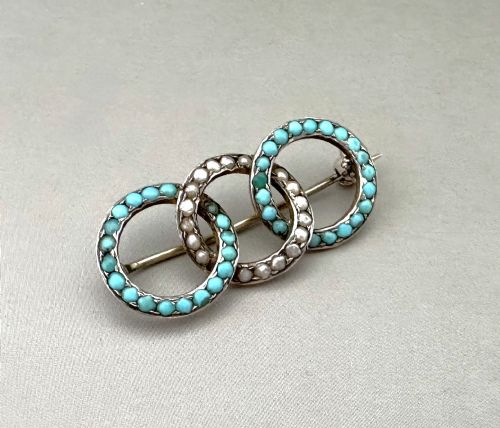


Victorian Seed Pearl Pin
A victorian seed pearl pin combines delicate saltwater spheres with rich gold or silver settings, offering timeless charm for the discerning collector of antique jewellery.
Victorian Seed Pearl Pin
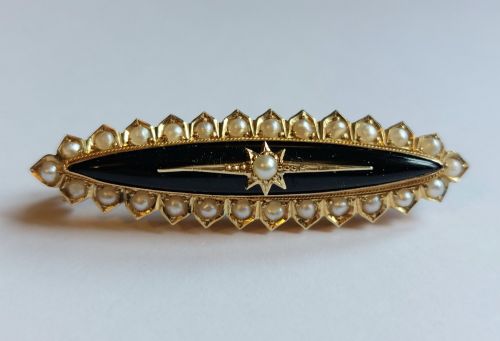
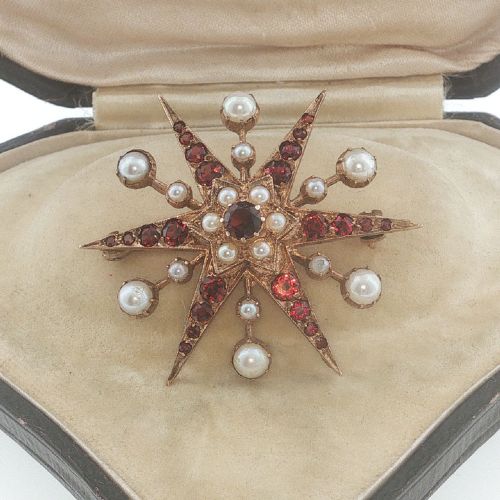
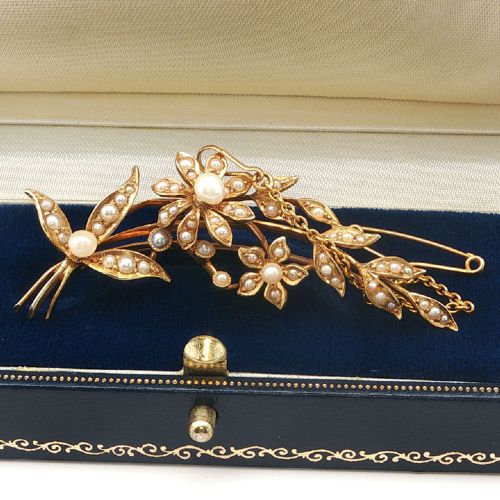
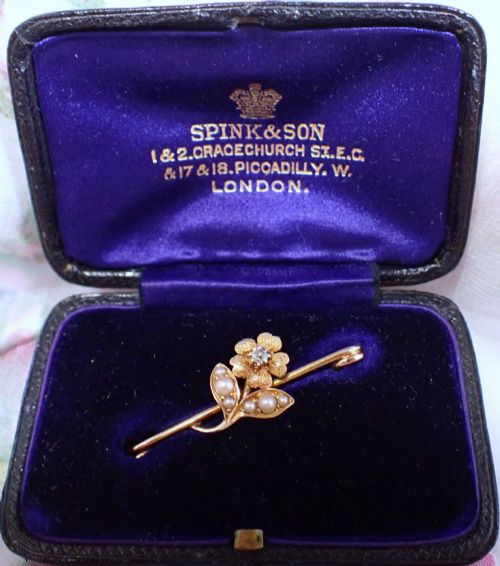
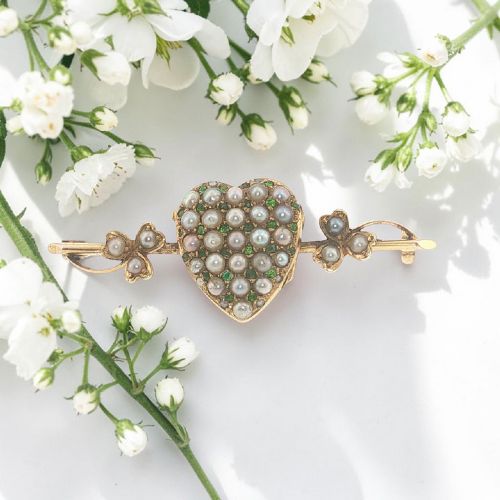
A victorian seed pearl pin takes the form of brooches, pendants, and bar brooches spanning the nineteenth and early twentieth centuries. These ornaments showcase tiny, meticulously matched pearls arranged in botanical, celestial, or sentimental motifs such as stars, hearts, and crescents.
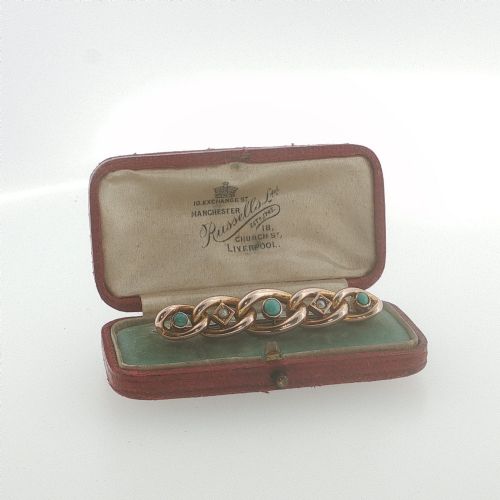
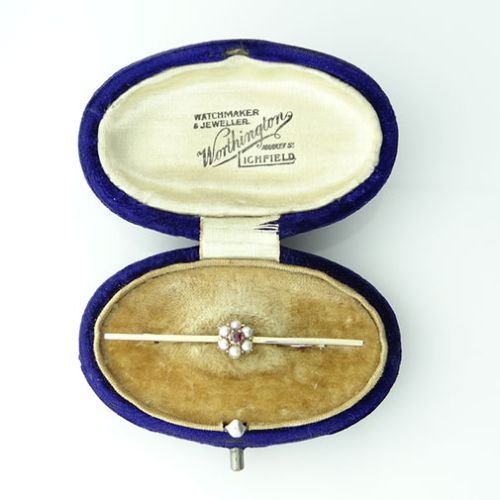
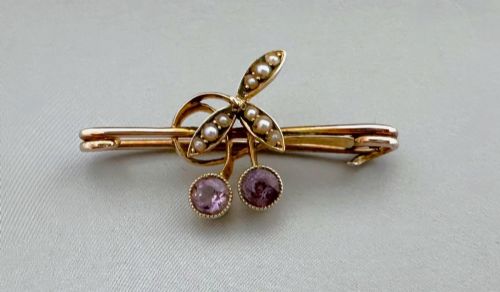
The pieces you encounter most frequently on this page originate from the Victorian and Edwardian eras, executed in various carats of yellow and rose gold. Alongside traditional floral sprays and horseshoe designs, one finds pieces incorporating coloured gemstones like garnets, turquoise, and amethysts.
Mourning jewellery and commemorative items also appear within this category, often featuring hair compartments or dark stones alongside the characteristic tiny pearls. Each object reflects the prevailing sentimental aesthetics and craftsmanship of its decade of origin.
Materials and Construction
Makers utilised high-carat yellow and rose gold, predominantly nine-carat and fifteen-carat, alongside silver gilt and rolled gold to form the structural mounts and pin stems. Seed pearls were meticulously drilled and secured onto fine wire or glued into place within delicate bezel and prong settings.
The integration of natural seed pearls required exceptional dexterity from goldsmiths, who arranged the minuscule spheres in dense clusters or linear pavé formations. Coloured gemstones such as garnets, peridots, and turquoise were frequently collet-set alongside the pearls to create striking visual contrast.
Victorian Seed Pearl Pin Retail Price Guide 2026
Typical asking prices for victorian seed pearl pin among the pieces listed under this phrase on Sellingantiques today, from the lower quarter to the upper quarter. They describe what is for sale here now, not the wider market.
Listings span multiple decades from the nineteenth and twentieth centuries, uniting Victorian, Edwardian, and later revival styles under the unifying presence of seed pearls.
Determinants of Quality
Quality rests upon the uniformity and lustre of the tiny pearls, where consistent orient and matching size distinguish superior examples from uneven or heavily discoloured ones. The complexity of the goldwork, such as pierced openwork and detailed chasing, further separates standard production from master craftsmanship.
The integrity of the setting and the survival of all original seed pearls without replacements dictate the overall merit of the piece. Well-preserved original boxes and fully intact pin mechanisms add to the historical completeness of the item.
The Victorian Seed Pearl Pin Glossary
- Seed Pearl
- A tiny natural saltwater pearl, typically under two grains, prized for delicate Victorian jewellery clusters. They form the primary decorative element of these pins.
- Bar Brooch
- A long, narrow horizontal pin often set with gems or pearls along its length. This form was exceptionally popular during the late nineteenth century.
- Collet Setting
- A collar of metal that encircles the edge of a gemstone or pearl to hold it securely in place. It provides a clean, finished outline to the mount.
- Suffragette
- A style of jewellery incorporating green, white, and violet stones associated with the women's suffrage movement. In these pieces, the white is frequently represented by seed pearls.
- Guilloche
- An ornate pattern mechanically engraved into metal beneath a translucent layer of enamel. It frequently serves as a colourful backdrop for pearl clusters.
Victorian Seed Pearl Pin: Frequently Asked Questions
How do I wear a vintage brooch safely?
Secure the pin through a tightly woven fabric or utilise a supportive backing disc to distribute the weight evenly. Ensure the safety catch is fully engaged before stepping out.
For delicate silk or knit garments, consider attaching the brooch to a structural lapel or fastening it with an independent jacket pin converter.
Are these pearls natural or cultured?
The pieces from this era utilise natural saltwater or freshwater seed pearls gathered before the advent of commercial cultured pearl production in the twentieth century. Each tiny sphere grew organically within its mollusc host.
Under magnification, one can observe the subtle irregularities and deep lustre characteristic of genuine natural pearls from the period.
How can I tell a Victorian piece from an Edwardian one?
Victorian items often display heavier gold weights, warmer yellow tones, and robust romantic motifs such as heavy hearts, padlocks, and mourning elements. The construction tends to be substantial and richly chased.
Edwardian pieces generally lean towards lighter platinum or pale gold settings, featuring airy floral garlands, ribbons, and brighter, delicate gemstone pairings.