

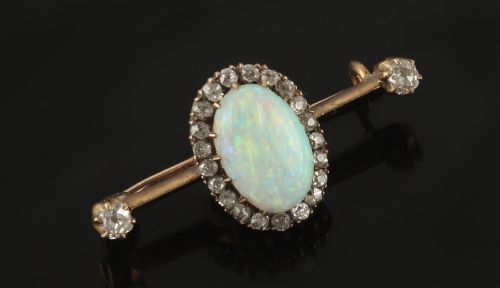


Victorian Bar Pin
When you examine a victorian bar pin, you hold a slender antique fastener designed to secure collars, cravats, and lapels with discreet refinement.
Victorian Bar Pin
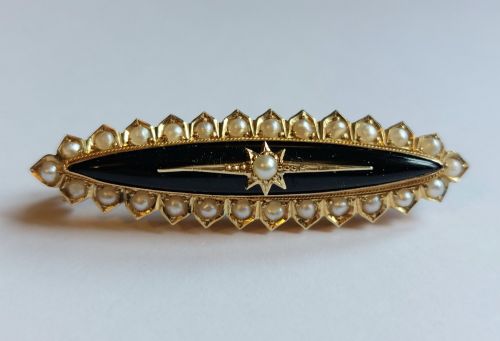
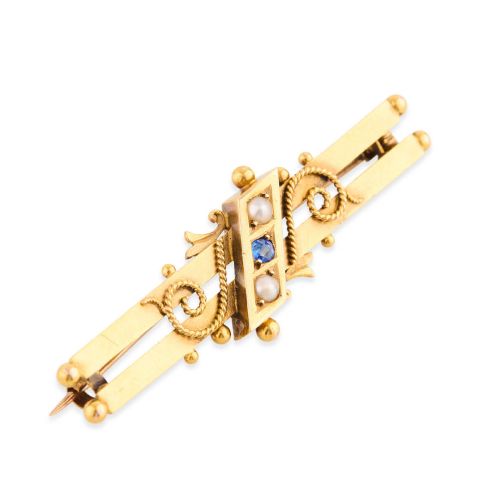
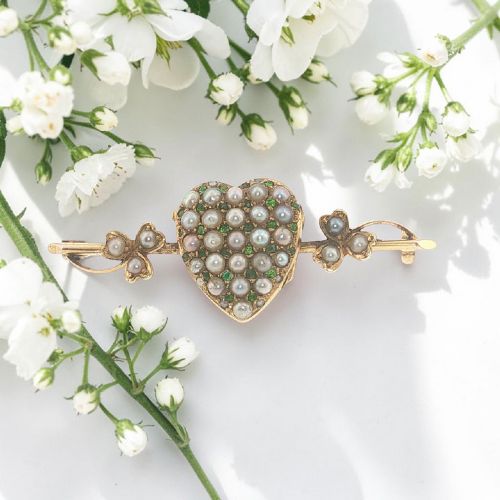
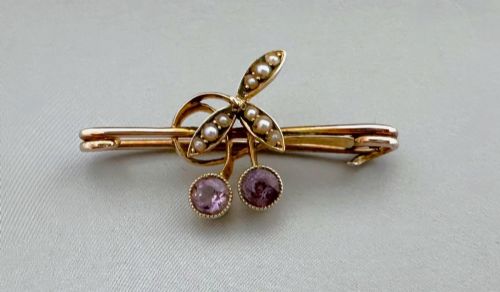
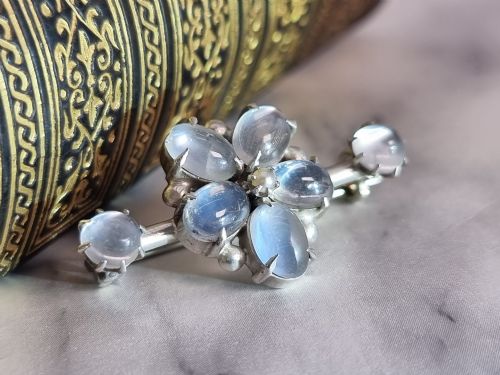
A victorian bar pin is a slender decorative brooch defined by an elongated horizontal metal shaft, frequently set with gemstones, pearls, or figurative motifs. These pieces span periods from the nineteenth century into the early twentieth century, encompassing Victorian, Edwardian, and Arts and Crafts design sensibilities.
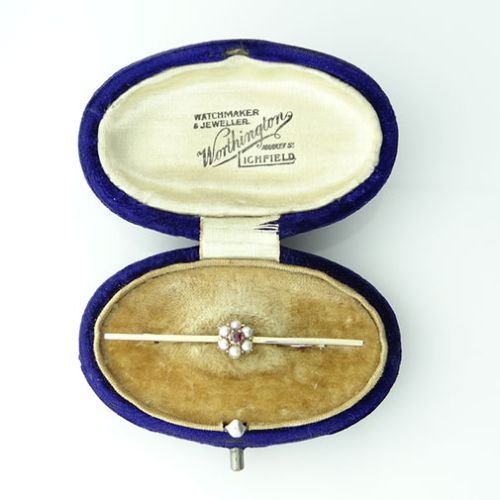
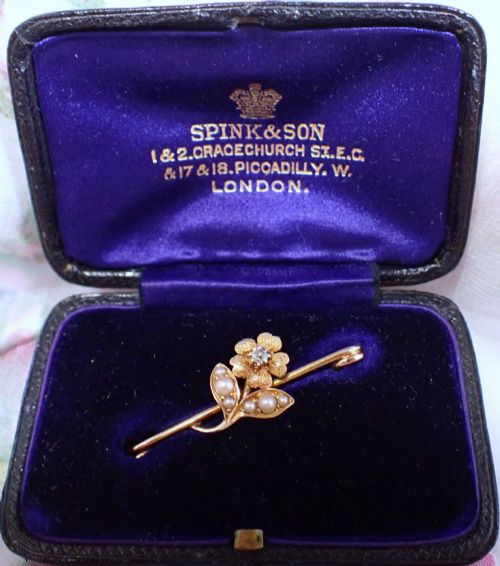
The format ranges from simple golden rods to elaborate cluster centres shaped as flowers, crescents, hearts, and animals such as swallows and dragonflies. Collectors encounter both single horizontal bars and double bar constructions, sometimes accompanied by matching safety chains or integrated into larger jewellery sets.
How they were made
Maker's workshops utilised high-purity metals including 15ct gold, 9ct rose and yellow gold, silver, and rolled gold, shaping the base structures through casting and wire-drawing techniques. Pins were engineered with functional hinges and C-clasps or safety catches suited to fastening heavy woven fabrics.
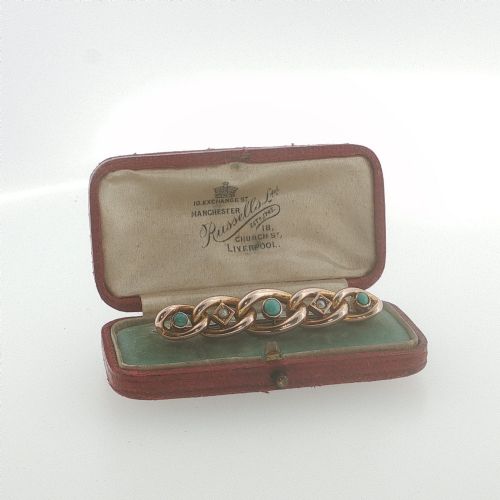
Gems such as diamonds, seed pearls, turquoise, peridot, garnets, and moonstones were hand-set using collet, bezel, or prong mountings. Enamel work and minute foil backs frequently augmented coloured stones to enhance brilliance under gaslight and candlelight.
Listings feature periods spanning the Victorian era, Edwardian period, and early twentieth century, constructed in gold, silver, and seed pearls.
What varies in quality
The standard of a piece rests upon the weight and purity of the gold or silver chassis, alongside the calibre and matching uniformity of the set gemstones. Higher-grade examples display crisp casting details on figurative elements like feathers or petals, and secure, well-finished stone settings.
Artisanal execution distinguishes mass-produced items from superior workshop output, particularly in the precision of micro-seed pearl work and hand-cut old European or rose-cut diamonds. Original fitted boxes and intact hallmarks add archival integrity to superior survivals.
The Victorian Bar Pin Glossary
- Seed pearl
- A very small, naturally occurring pearl, often drilled and threaded onto fine silk or wire to form floral clusters and crescent moons. These tiny pearls define much of the delicate texture seen in nineteenth-century decorative work.
- Bar brooch
- A brooch featuring a narrow, rigid bar as its primary structural element, sometimes supporting a central gemstone cluster or suspended pendant element. They were worn extensively across the chest or at the throat during the late Victorian and Edwardian eras.
- Collet
- A flat-topped metal collar or band that encircles the girdle of a gemstone to hold it securely in place. This traditional setting style precedes modern claw settings.
- Rose-cut diamond
- An antique diamond cut featuring a flat base and a domed crown composed of triangular facets that rise to a point. This facet arrangement creates a soft, translucent glow rather than modern brilliance.
- Assay mark
- An official stamp applied to precious metals indicating purity, origin office, and date letter. These marks provide verifiable proof of composition and period.
Victorian Bar Pin: Frequently Asked Questions
What is a bar pin used for?
These pieces served primarily to fasten lace collars, cravats, and heavy woollen lapels during the Victorian and Edwardian periods. They functioned as both practical fasteners and decorative accessories.
Over time, fashion shifts transformed them into pure ornaments pinned to hats, scarves, and dress bodices.
How do I date a bar pin?
Dating relies on metal purity standards, gemstone types, and fastening mechanisms like C-clasps versus later safety catches. Hallmarks and assay marks provide official date letters when present.
Stylistic motifs such as floral clusters, crescent moons, and insect subjects also point to specific decades between the mid-nineteenth and early twentieth centuries.
Are these pins made of solid gold?
Many examples utilise solid 15ct or 9ct gold, while others employ silver, rolled gold, or platinum-topped bases. British regional assay offices regulated these precious metal standards strictly.
Markings stamped directly onto the reverse of the bar reveal the exact alloy composition used by the maker.
How should I store my brooch?
Store antique jewellery in a lined box or dedicated compartment away from other pieces to prevent scratching softer gemstones and pearls. Seed pearls are particularly sensitive to moisture and cosmetics.
Keep them in a dry environment to protect delicate metalwork and organic materials from deterioration.