

Pearl and Gold Brooch
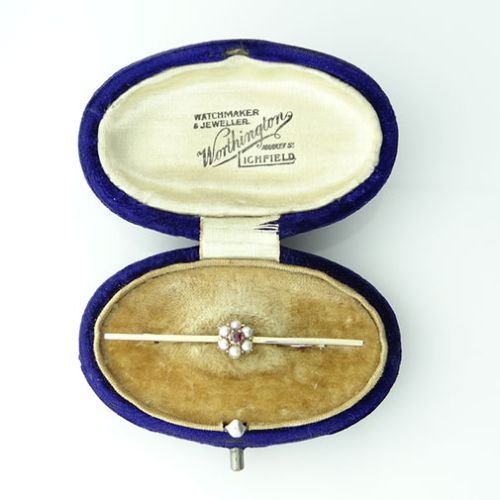
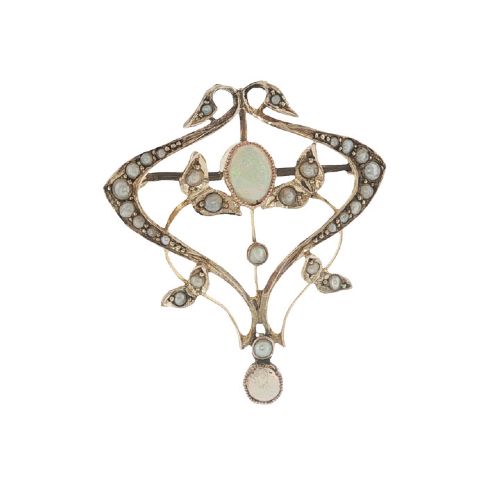
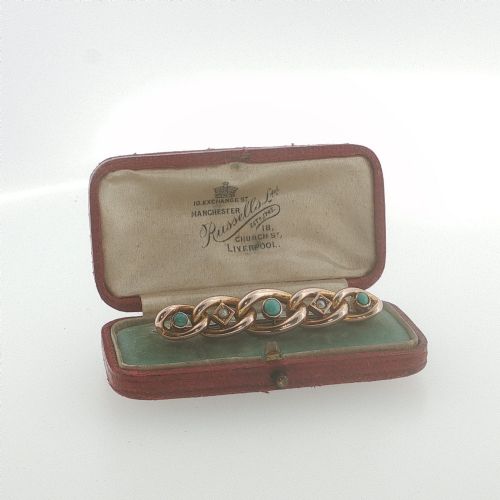
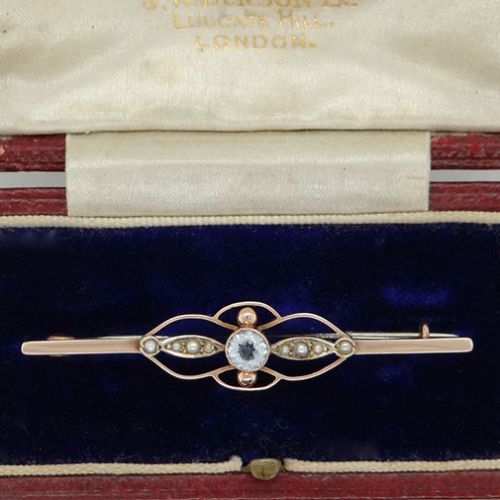
A pearl and gold brooch combines luminous gems with warm metalwork, offering wearable history from Victorian, Edwardian, and later eras.
Pearl and Gold Brooch
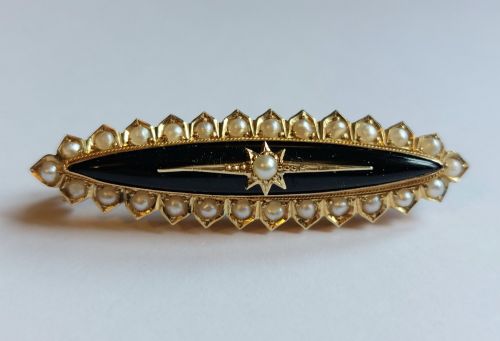
A pearl and gold brooch encompasses wearable ornaments designed to fasten garments, ranging from simple bar pins to convertible pendants. The selection spans Victorian, Edwardian, and mid-century periods, capturing styles from austere mourning pieces to exuberant Art Nouveau motifs.
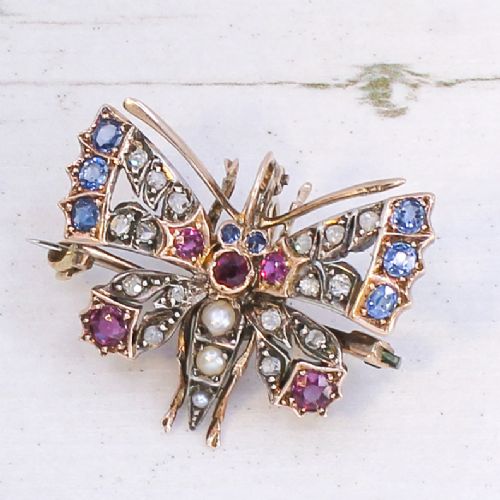
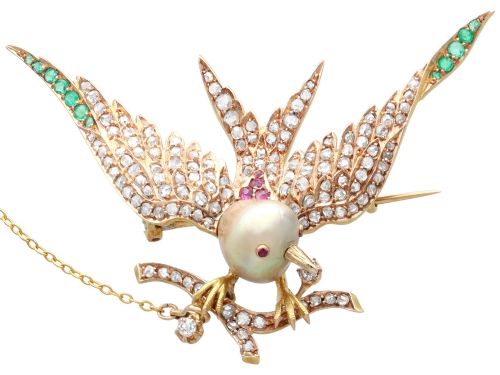
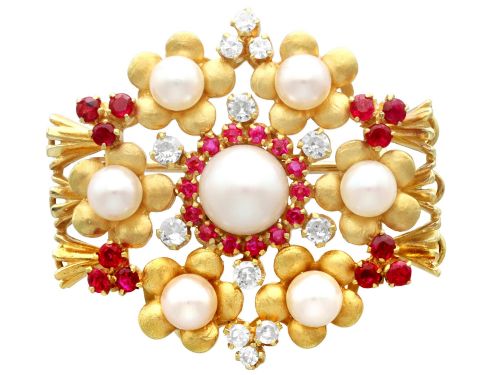
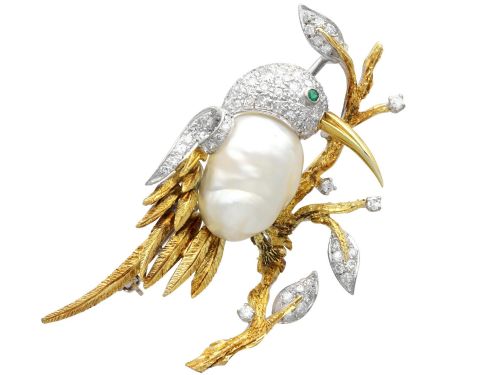
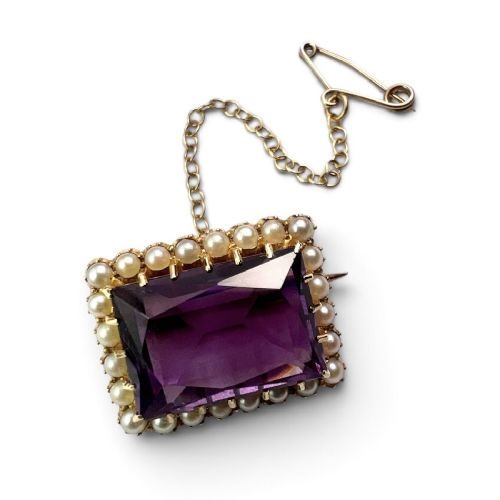
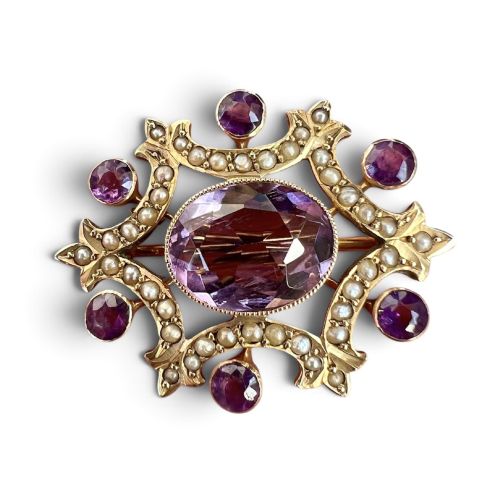
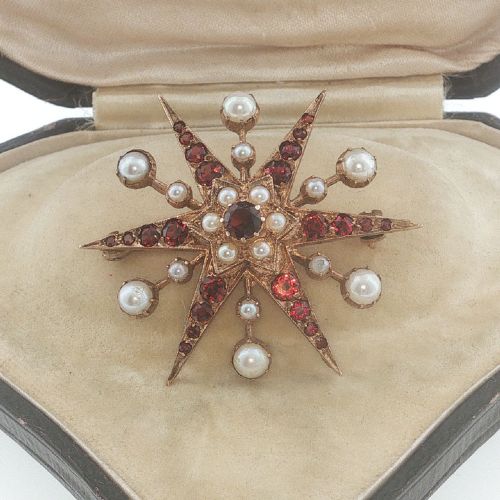
Makers frequently employed natural pearls, seed pearls, and blister pearls alongside yellow and rose gold of varying purities. Many examples incorporate secondary gems like amethysts, turquoise, garnets, and diamonds to accent the central lustre of the pearls.
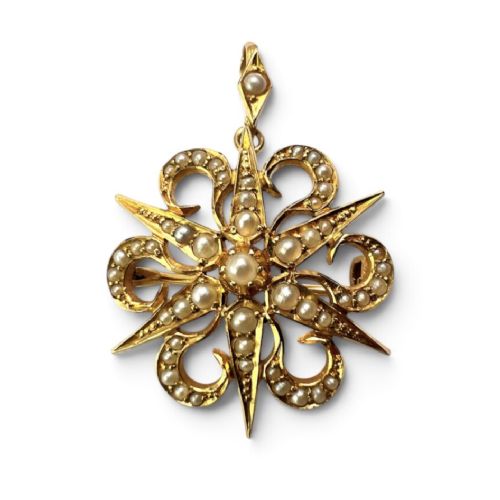
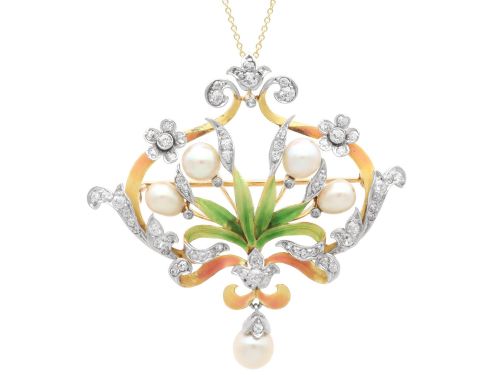
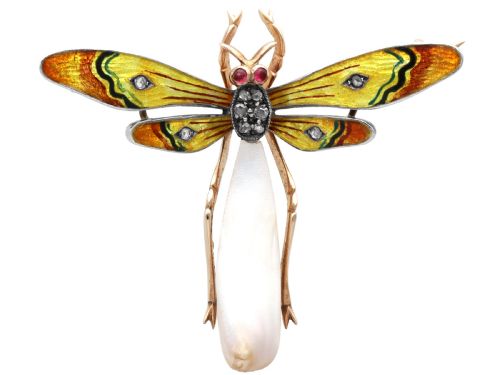
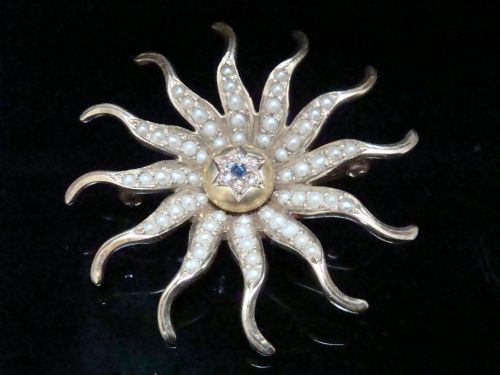
Forms vary considerably, taking the shape of naturalistic birds, insects, flowers, geometric sunbursts, and sentimental hearts. Dual-purpose items that function as both a brooch and a pendant appear frequently across the inventory.
How they were made
Goldsmiths shaped components from 9ct, 12ct, 14ct, 15ct, and 18ct gold, utilising casting, wire-work, and hollow-stamped techniques. Settings often combined closed-back mounts for coloured gemstones with delicate claw or collet settings for diamonds and pearls.
Pearls were secured via pins, adhesives, or fine wire threading, particularly in seed pearl clusters where hundreds of tiny spheres form floral or starburst patterns. Enamelling in guilloche or opaque styles added vibrant colour contrasts to the gold and pearl foundations.
Pearl and Gold Brooch Retail Price Guide 2026
Typical asking prices for pearl and gold brooch among the pieces listed under this phrase on Sellingantiques today, from the lower quarter to the upper quarter. They describe what is for sale here now, not the wider market.
The listings span periods from the late 19th century through the Edwardian era and into the mid-20th century.
What varies in quality
The choice of metal purity and gemstone pairing dictates the baseline quality of each jewel, with higher carat gold and natural saltwater pearls commanding greater regard. The intricacy of hand-carved details, such as feathered wings on bird motifs or chased foliage, separates standard production from finer artisan work.
Structural integrity and the preservation of delicate elements like seed pearl arrangements or enamel coatings influence the overall desirability. Original boxes and convertible fittings that allow a brooch to transition into a pendant add notable versatility.
The Pearl and Gold Brooch Glossary
- Seed pearl
- Very small, naturally formed pearls often drilled and strung on horsehair or wire to create dense floral or geometric clusters. They define much of the delicate work seen in Edwardian and Victorian pieces.
- Blister pearl
- A pearl that forms attached to the inner shell of an oyster rather than within the tissue, resulting in a domed shape with a flat back. These provide distinct organic shapes in artistic pins.
- Guilloche
- An ornamental technique where a precise, intricate pattern is mechanically engraved into a metal surface beneath translucent enamel. This adds depth and shimmer to coloured backgrounds.
- Collet
- A band of metal that holds a gemstone in place by being pushed or hammered over its girdle. It represents a traditional and secure method of stone setting.
- Collar brooch
- A pin designed with specific loops or fastenings to secure a stiff Victorian or Edwardian collar in place. They often feature delicate drop pendants.
Pearl and Gold Brooch: Frequently Asked Questions
How do I wear an antique brooch today?
These pieces pin securely onto heavy winter coats, structured blazers, or wool scarves where the fabric can support the weight of the gold and pearls. Many examples feature integrated loops that let you thread a chain and wear them as a pendant.
Experimenting with placement on lapels, collars, or even anchoring a silk cravat offers modern utility for Victorian and Edwardian pins. Ensuring the pin stem engages fully with a secure safety clasp protects the jewel during daily wear.
How can I tell a Victorian brooch from an Edwardian one?
Victorian pieces tend to feature heavier gold weights, darker gemstones like almandine garnets or amethysts, and sentimental motifs such as mourning themes or initials. They often display richer, warmer hues in the gold.
Edwardian designs shift toward lighter aesthetics, utilising platinum alongside 9ct or 15ct yellow and rose gold, with bright seed pearls, aquamarines, and airy lace-like filigree work.
Were pearls cultured or natural in these pieces?
Most pieces from the Victorian and Edwardian eras utilise natural freshwater or saltwater pearls, as cultured pearls did not enter mass production until the 1920s. Seed pearls gathered from natural sources formed the backbone of intricate floral clusters.
Later mid-century items may incorporate early cultured varieties, though small seed pearls retained their popularity for traditional spray and starburst designs well into the twentieth century.