
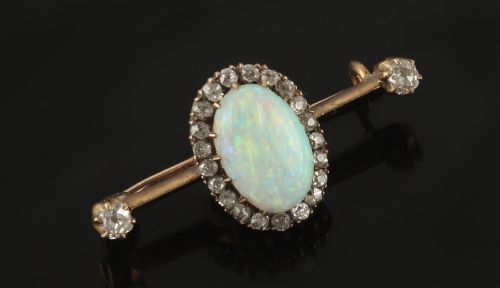


Victorian Cluster Brooch
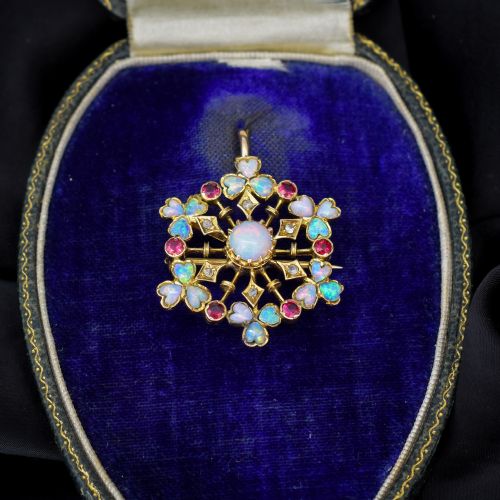
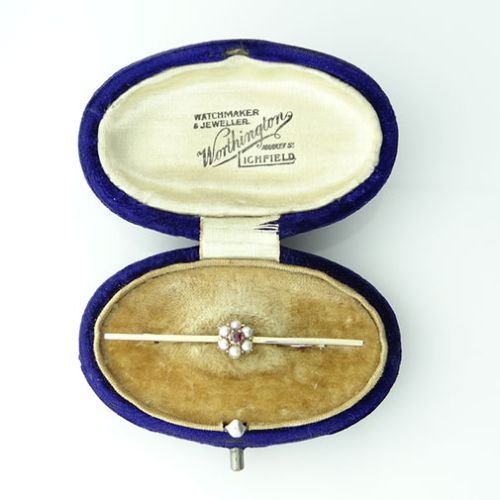
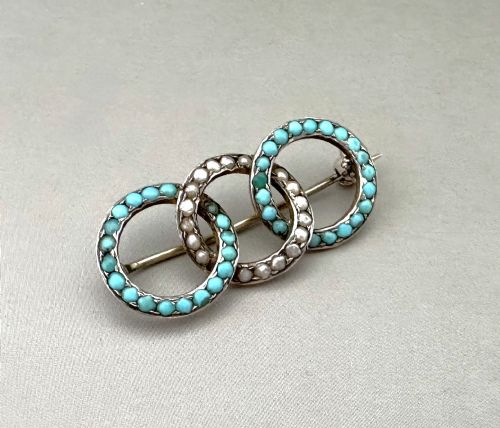
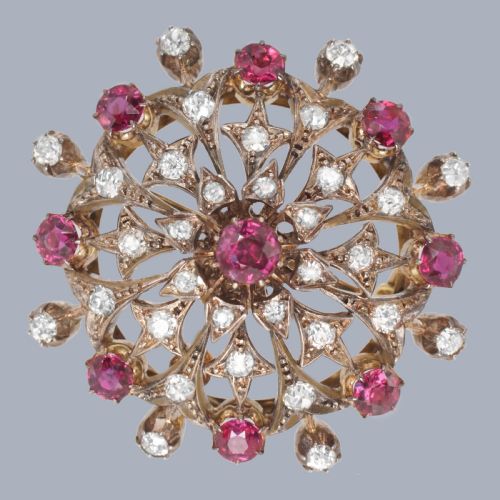
These victorian cluster brooch pieces bring together central gemstones and surrounding stones, offering rich period character for everyday wear.
What these pieces are
Forms include circular and oval designs executed in gold or silver. The central focus often utilises garnets, emeralds, amethysts, sapphires, or turquoises accompanied by pearls or diamonds.
Origins trace through nineteenth-century British and Bohemian workshops. These jewels function primarily as decorative dress fasteners.
How they were made
Maker techniques involve mounting gemstones in gold of various carats, silver, silver gilt, and glass paste. Metals are worked into settings that support clustered stone arrangements.
Component stones include seed pearls, almandine garnets, turquoise, emeralds, diamonds, amethysts, and sapphires. Craftspeople secured these elements by hand within precious metal frames.
Retail Price Guide 2026
Typical UK retail prices for victorian cluster brooch, calculated from the Sellingantiques database of over a million retail prices indexed since 2003. This retail price guide relies exclusively on Sellingantiques data; no external sources or auction records are used, so the figures do not describe the wider market.
Listings feature periods spanning the Victorian era, 1890, and 1920, utilising gold, silver, seed pearls, garnets, turquoise, and glass paste.
What varies in quality
Distinctions in quality rest upon the choice and matching of central and surrounding stones. Finer examples display well-matched gems and substantial precious metal work.
The precision of stone setting and the depth of the metal colour influence the visual weight of each piece. Variations reflect the diverse workshops and materials utilised across the period.
The Victorian Cluster Brooch Glossary
- Cluster brooch
- A piece of jewellery featuring a prominent central stone framed by a ring of smaller stones. This format maximises visual impact and light reflection.
- Seed pearl
- A very small natural pearl, often drilled and threaded onto wire or secured in settings. These tiny pearls form delicate borders in period jewellery.
- Silver gilt
- Silver that has been coated with a thin layer of gold. This technique provides the appearance of solid gold while utilising a silver base.
- Almandine garnet
- A deep red variety of garnet commonly utilised in nineteenth-century cluster jewellery. It supplies the characteristic dark crimson tone seen in Bohemian pieces.
Frequently Asked Questions
How do I wear a cluster brooch?
Pin the jewel securely to heavy fabrics such as wool jackets, scarves, or structured collars. Ensure the fastening pin catches firmly through the material.
Avoid placing these pieces on delicate silks where the weight of the cluster might pull the thread. Proper placement distributes the item evenly.
What metals are used in these brooches?
Makers utilised fifteen carat gold, twelve carat yellow gold, nine carat gold, silver, and silver gilt. These metals formed the structural backing for the stone settings.
Precious metal choices varied according to the date of production and the workshop origin. Each metal type affects the overall weight and hue.
Are these stones natural?
The listings include natural gemstones such as garnets, emeralds, amethysts, sapphires, turquoises, and diamonds alongside pearls and glass paste. Each material reflects the specific resources available to period makers.
Glass paste served as a sparkling alternative to mined stones. Testing helps confirm the exact composition of each component.
How do I date a Victorian brooch?
Dating relies upon metal purity marks, stone cutting styles, and mounting techniques recorded in the evidence. Pieces span from the late Georgian era through the Victorian period and into the early twentieth century.
Stylistic shifts in the arrangement of the cluster offer clues to the decade of manufacture. Comparative examination of past items aids identification.