
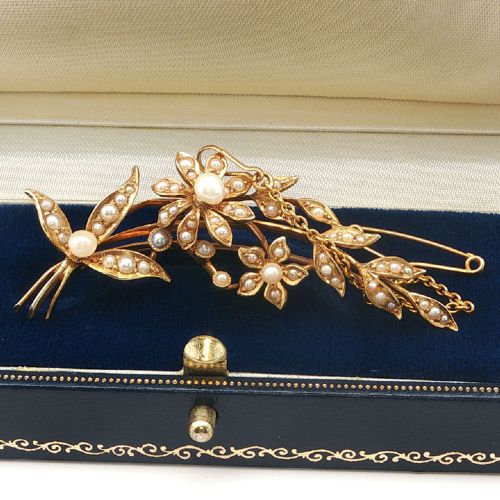
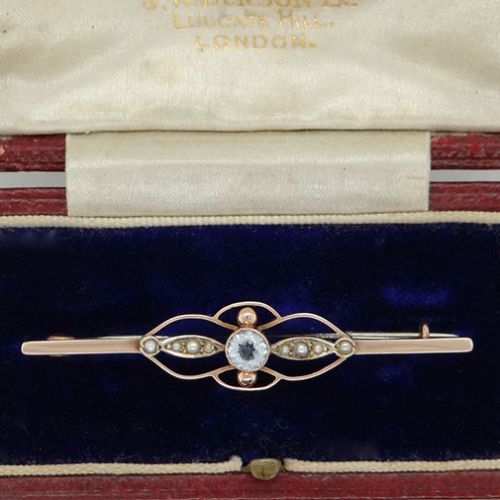
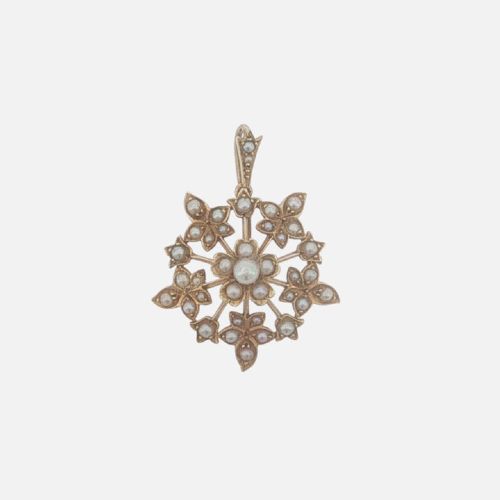
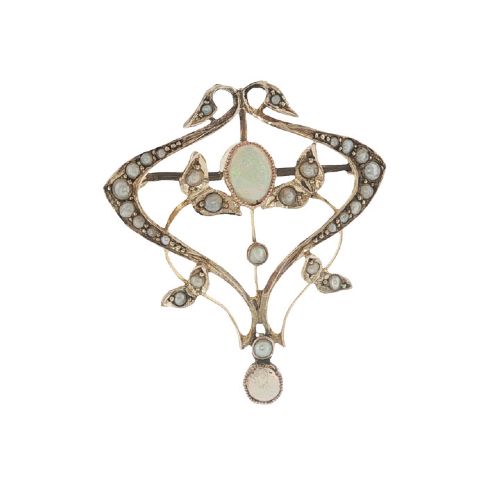

Edwardian Seed Pearl Brooch
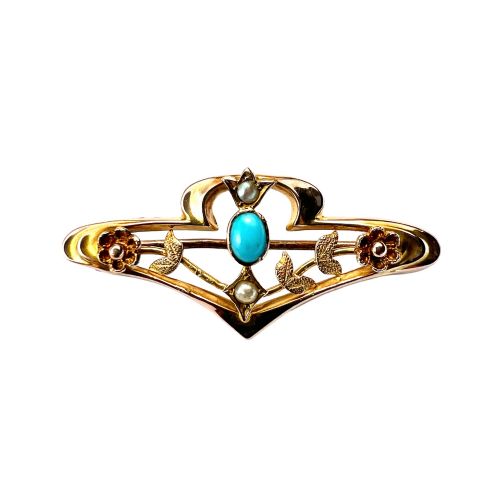
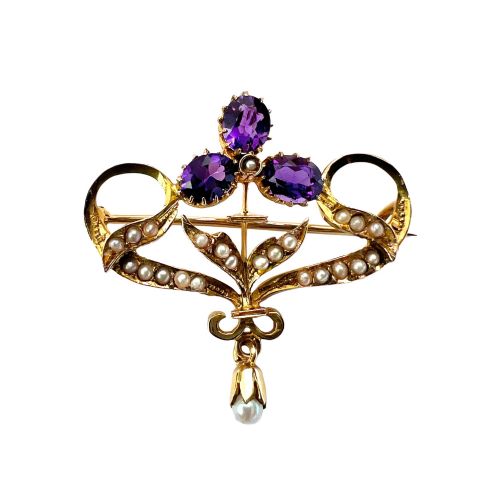
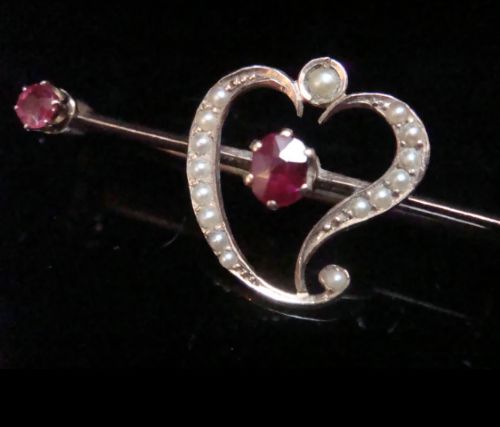
These pieces combine delicate goldwork with tiny natural spheres, offering the refined charm typical of an Edwardian seed pearl brooch.
Edwardian Seed Pearl Brooch
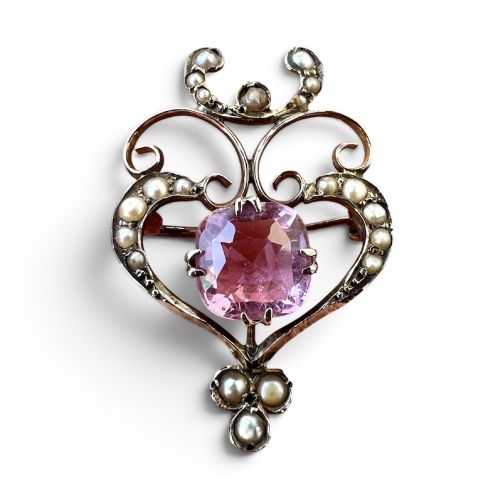
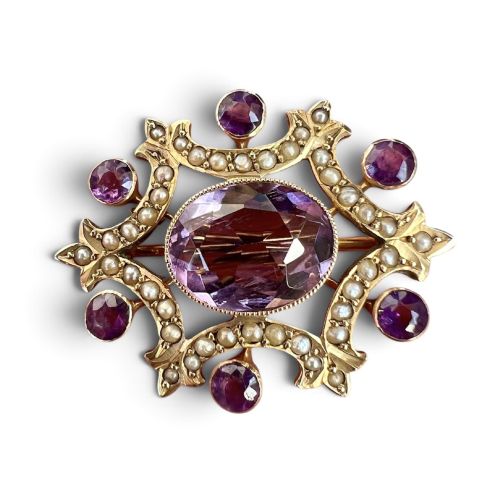
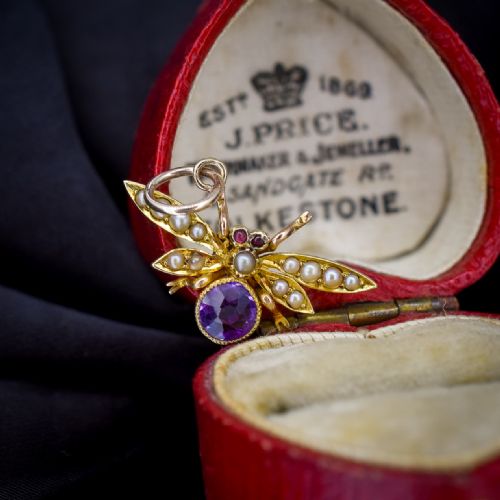
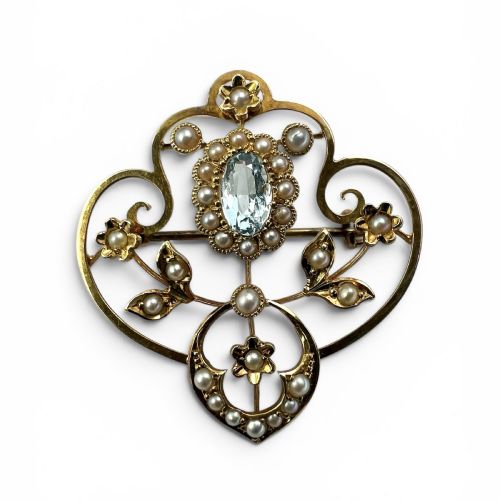
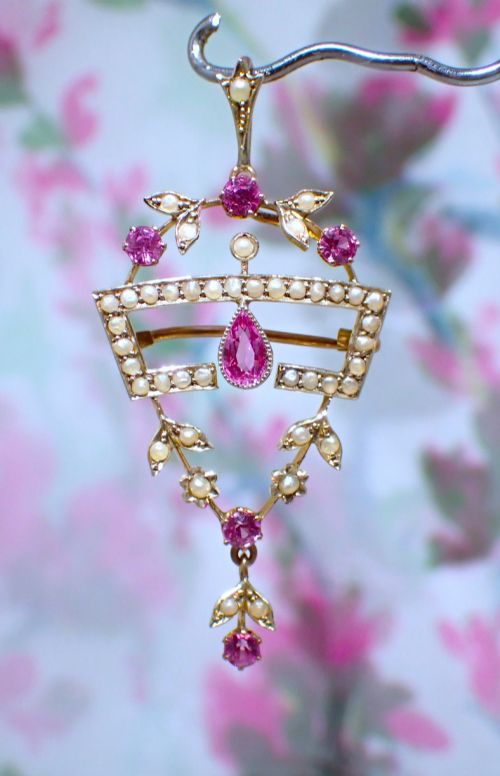
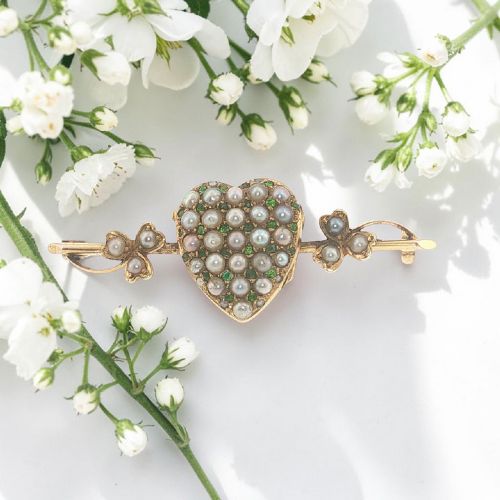
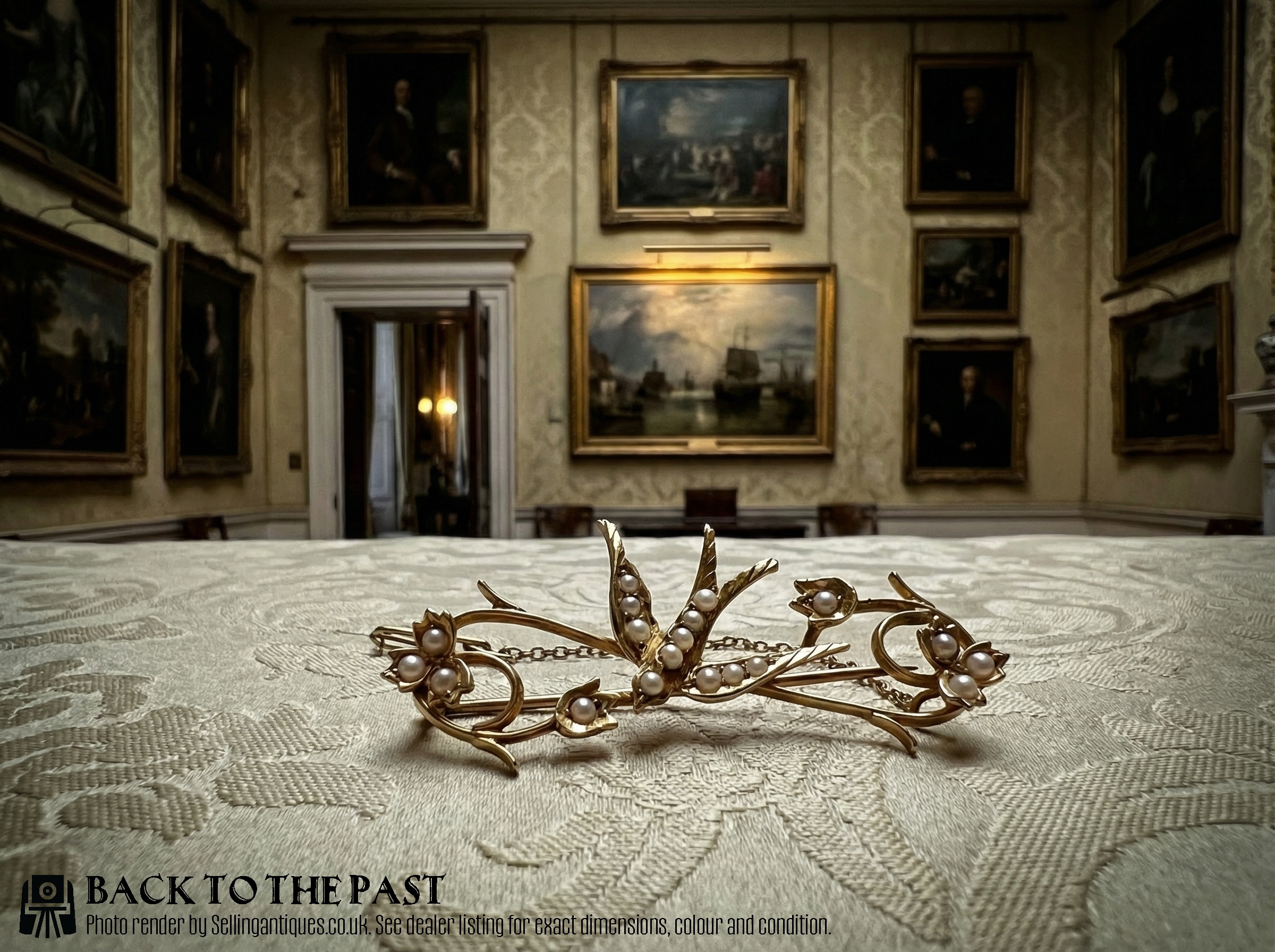
An Edwardian seed pearl brooch brings together miniature natural pearls and higher-karat golds in forms ranging from floral sprays and target clusters to celestial stars. The pieces seen here span the Edwardian era and Victorian periods, often functioning doubly as pendants.
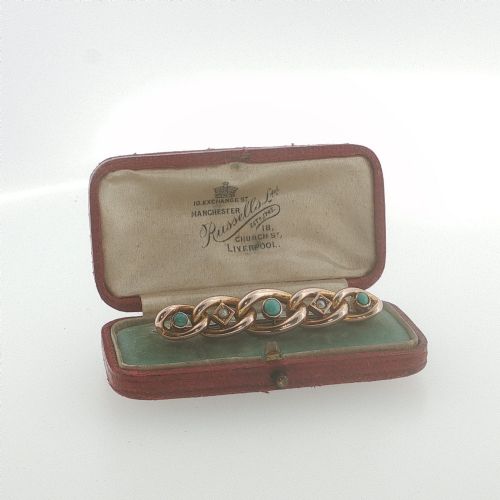
Moths, swallows, hearts, and horseshoe motifs appear frequently alongside bows and floral garlands. Many examples incorporate coloured gemstones such as peridot, amethyst, and turquoise alongside the central pearls.
How they were made
Goldsmiths utilised nine-carat and fifteen-carat yellow or rose gold to form slender wire frames, collets, and delicate pin stems. Seed pearls were meticulously drilled and secured onto pins or wires, sometimes forming dense pavé surfaces or dangling drops.
Gemstones including almandine garnets, aquamarines, and tourmalines were flush-set or prong-set alongside the pearls to provide contrasting focal points.
Edwardian Seed Pearl Brooch Retail Price Guide 2026
Typical asking prices for edwardian seed pearl brooch among the pieces listed under this phrase on Sellingantiques today, from the lower quarter to the upper quarter. They describe what is for sale here now, not the wider market.
Listings feature yellow gold, rose gold, and silver settings combined with peridot, amethyst, garnet, tourmaline, and turquoise alongside seed pearls.
What varies in quality
The sophistication of the gold wirework and the uniformity of the seed pearls dictate the standard of the piece. Finer examples display intricate repoussé or openwork frames that hold hundreds of perfectly matched, lustrous pearls without visible adhesive.
The presence of high-karat gold, such as fifteen-carat or eighteen-carat metal, and well-chosen accompanying gemstones like peridots or diamonds separate standard productions from more ambitious jewellers' work.
Murrle Bennett
The Edwardian Seed Pearl Brooch Glossary
- Seed pearl
- A tiny, naturally formed saltwater or freshwater pearl, typically under two millimetres in diameter. These form the shimmering focal elements of floral and starburst designs.
- Collet
- A small metal collar or band that holds a gemstone or pearl securely within a piece of jewellery. It forms the neat rim visible around many set stones.
- Target brooch
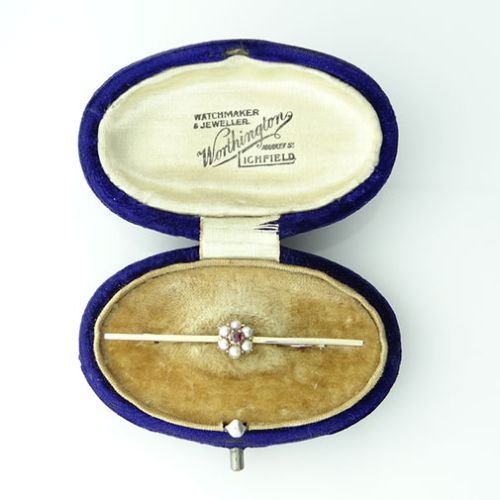
- A circular brooch design featuring concentric rings of gemstones and pearls radiating from a central point. This geometric style was particularly popular during the early twentieth century.
- Repoussé
- A metalworking technique where a design is hammered into relief from the reverse side of the sheet metal. It gives dimension to leaves, ribbons, and floral motifs.
- Bar brooch
- A slender horizontal pin featuring decorative elements mounted centrally or spaced along its length. They fasten securely with a traditional C-clasp and pin stem.
Edwardian Seed Pearl Brooch: Frequently Asked Questions
How were these brooches worn?
These pieces were typically pinned to the lapels of tailored jackets, high lace collars, or the shoulders of evening gowns during the Edwardian period. Many designs included hidden loops on the reverse, allowing the wearer to suspend the piece from a gold chain as a pendant.
This versatility meant a single ornament could transition from daytime bodice wear to evening neckwear. The dual function is why numerous surviving examples retain both pin stems and pendant loops.
How do I care for seed pearl jewellery?
Seed pearls are organic gems sensitive to acids, cosmetics, perfumes, and prolonged moisture. They should be wiped gently with a soft, dry cloth after wearing and stored away from harder metals to prevent scratching.
Because many period pieces rely on silk thread or glue settings that degrade over time, avoiding immersion in water is essential. Professional restringing may be necessary if the pearls begin to slide on their original wire or thread.
What distinguishes Edwardian from Victorian pieces?
Victorian jewels often lean towards heavier gold weights, darker garnet or amethyst stones, and sentimental or mourning motifs. The Edwardian aesthetic shifts towards lighter, airier platinum and yellow gold settings with garland, bow, and lace-like motifs.
However, stylistic crossover is common around the turn of the twentieth century, as evidenced by pieces carrying traits from both periods. The overall lightness and brighter gemstone palette usually point towards the Edwardian side.
Why do some brooches feature insects?
Insect motifs like dragonflies, flies, and spiders became fashionable in the late nineteenth and early twentieth centuries due to a broader fascination with natural history. These creatures symbolized summer, transformation, and industriousness.
Jewellers utilised iridescent seed pearls for bodies and coloured stones like peridots or garnets for eyes and wings. These whimsical designs remain collected for their fine detail and imaginative use of gemstones.