



Victorian Lapel Pin
These Victorian lapel pin examples are period pieces of jewellery worn to fasten clothing, offering collectors genuine nineteenth-century gold, silver, and gemstone work.
Identifying Victorian lapel pin pieces
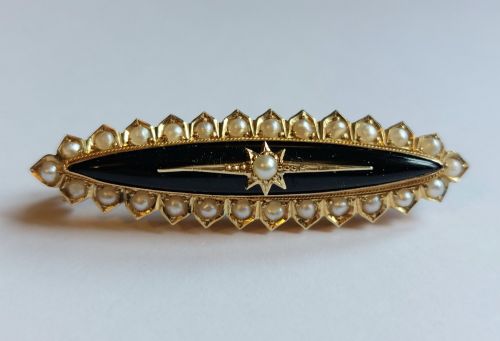
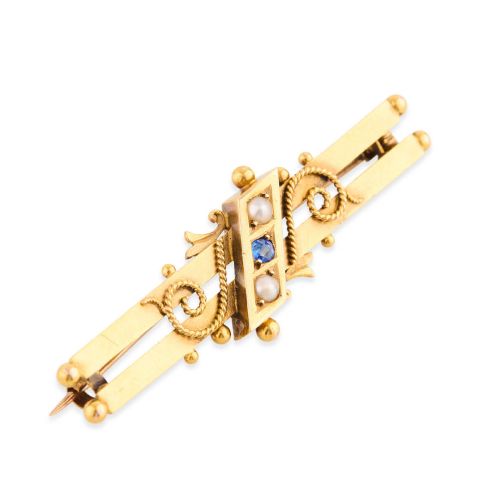
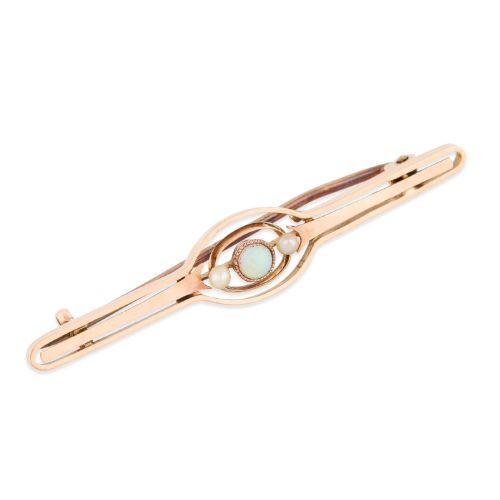
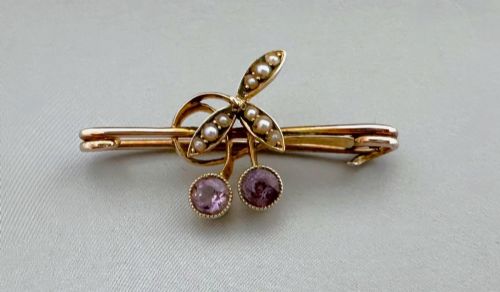
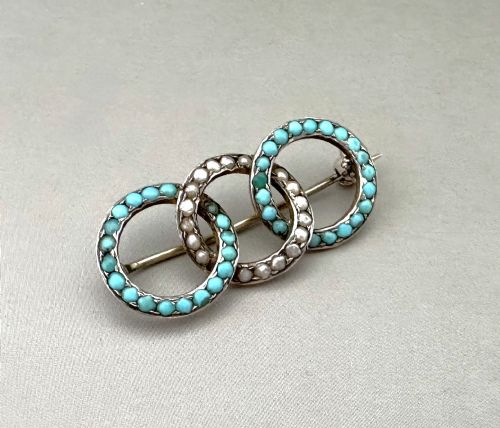
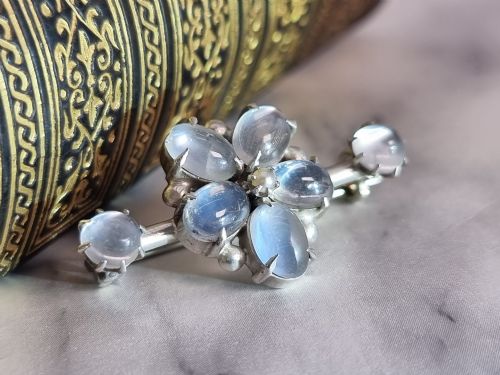
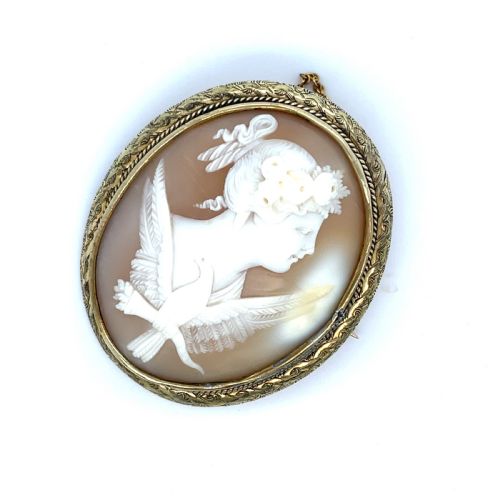
When you search for a Victorian lapel pin, you encounter small personal ornaments designed to secure garments or decorate neckties and lapels during the nineteenth century. The examples on this page primarily take the form of brooches, stick pins, and tie pins originating from the Victorian era.
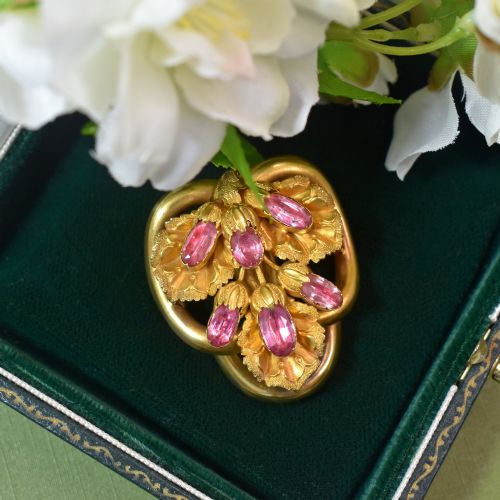
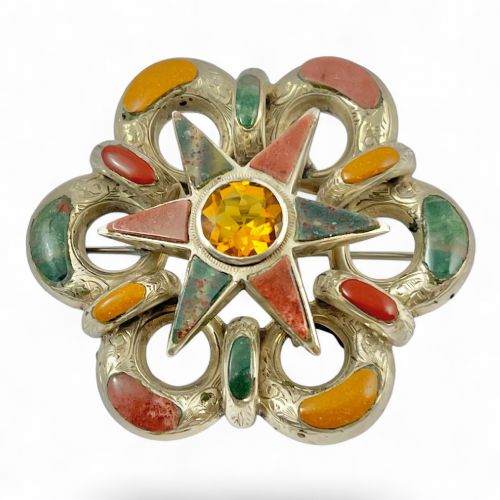
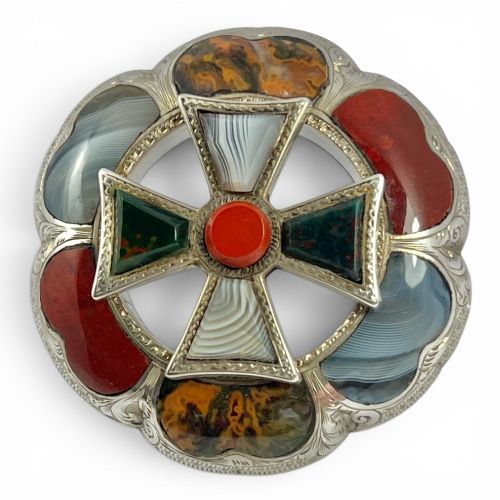
The pieces you are most likely to meet combine functional pins with decorative heads shaped as foliate motifs, jockey caps, or traditional Scottish revival designs. These items reflect the nineteenth-century fashion for wearing detailed, gemstone-set accessories on everyday and formal attire.
Materials and construction
These items were constructed using precious metals including gold, 14ct gold, 18ct yellow gold, 9K gold, and sterling silver. Metalwork techniques of the period involved shaping and casting these metals to form secure pins and decorative mounts.
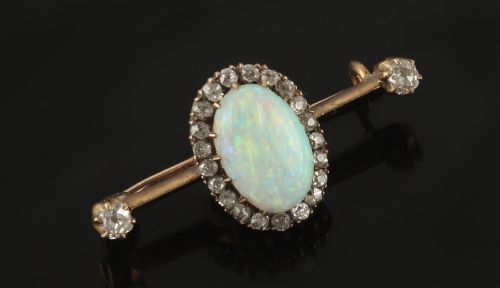
Gemstones such as diamonds, sapphires, garnets, and agate were integrated into the designs. These stones were set directly into the precious metal framework to create the colourful and textured faces seen on the brooches and stick pins.
Retail Price Guide 2026
Typical UK retail prices for victorian lapel pin, calculated from the Sellingantiques database of over a million retail prices indexed since 2003. This retail price guide relies exclusively on Sellingantiques data; no external sources or auction records are used, so the figures do not describe the wider market.
Someone thought a tiny gold riding hat needed to hold a tie together, and now you can wear a miniature jockey cap on your lapel.
Judging quality in Victorian lapel pin items
Quality in these ornaments is found in the sophistication of the design and the selection of materials, separating standard production from finer work. Superior examples display carefully matched gemstones, such as diamonds and sapphires, alongside refined metalwork like foliate motifs or detailed jockey cap shapes.
The distinction also rests on the integrity of the period mounting and the execution of regional styles, such as Victorian Scottish Revival silver and agate work. Pieces that maintain their original stones and secure metal construction represent the higher tier of surviving nineteenth-century output.
The Victorian Lapel Pin Glossary
- Stick Pin
- A long pin with a decorative head, originally designed to secure a cravat or necktie and later worn on lapels. The pin shaft is straight and plain, often accompanied by a safety cap.
- Foliate Motif
- A decorative design incorporating leaves and plant forms, frequently engraved or cast into the metal mount. This style reflects the nineteenth-century preference for naturalistic ornamentation.
- Agate
- A variety of chalcedony quartz showing coloured bands or moss-like inclusions, commonly utilised in Scottish revival jewellery. It was sliced and polished to form smooth decorative panels.
- Jockey Cap
- A miniature representation of a riding helmet used as the thematic shape for a pin head. This sporting motif gained popularity during the Victorian period for specialised dress accessories.
Frequently Asked Questions
How were Victorian lapel pins used?
These items were pinned through lapels, cravats, or neckties to fasten garments or add a decorative accent to nineteenth-century tailoring.
They served both a practical fastening purpose and a social function as visible personal adornments.
What materials make up these pins?
The pieces utilise precious metals including 9K, 14K, and 18ct gold, alongside sterling silver.
Set stones include diamonds, sapphires, garnets, and natural agate panels.
What is Victorian Scottish Revival style?
This design movement drew on traditional Scottish motifs and materials, such as banded agates set in silver.
Queen Victoria popularised this aesthetic through her association with Balmoral Castle.