



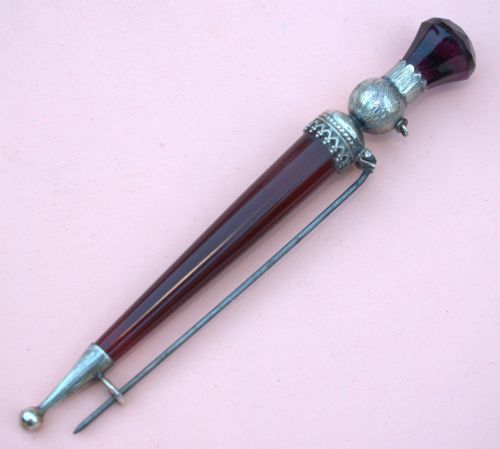
Antique Dress Pin
An antique dress pin secures garments while displaying period craftsmanship through precious metals and gemstones.
Antique Dress Pin
An antique dress pin encompasses delicate bar brooches, gem-set clusters, and functional hat pins originating from the Georgian era through to the mid-twentieth century.
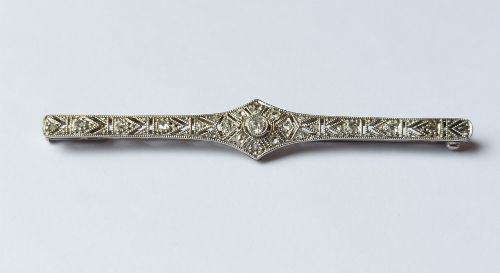
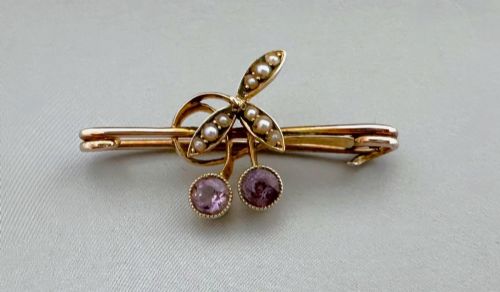
Collectors frequently encounter Edwardian and Art Deco platinum or silver examples on this page, alongside Victorian gold pieces.
While primarily designed as fastening accessories, many items function purely as decorative brooches or secure kilt pins.
How They Were Made
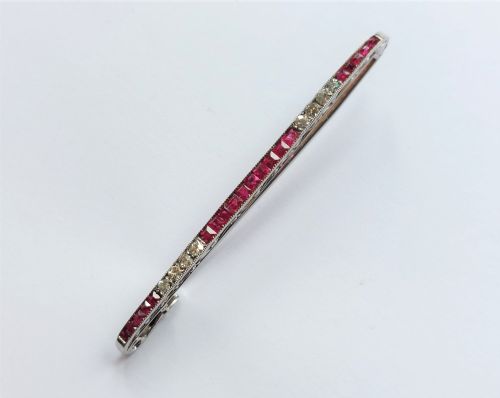
Goldsmiths and silversmiths shaped precious metals using techniques such as filigree, repoussé, and channel setting to hold diamonds, paste, and coloured gemstones securely.
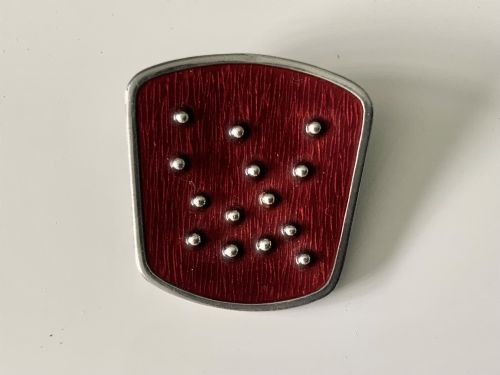
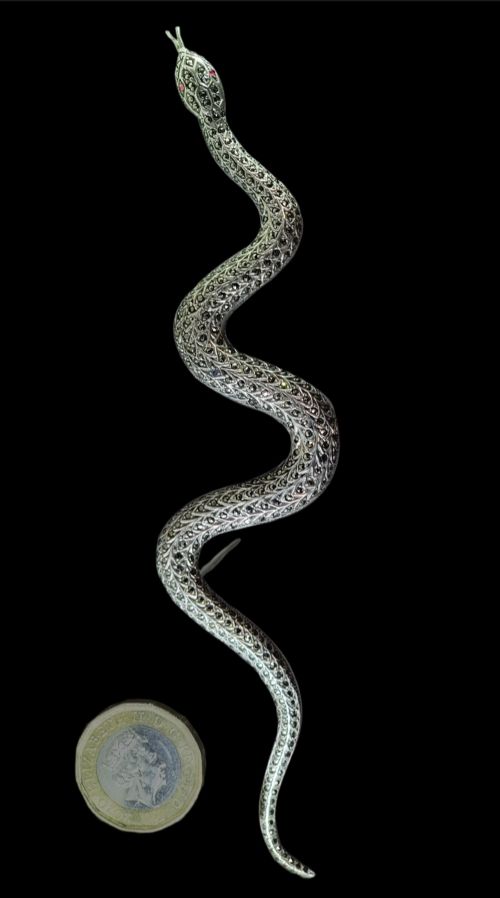
Enamelling and marcasite inlay provided colourful contrast and texture during the Edwardian and Art Deco periods, often combining platinum with yellow or white gold.
Listings span from the Georgian period through the 1940s, featuring platinum, various carats of gold, sterling silver, and diamonds.
What Varies in Quality
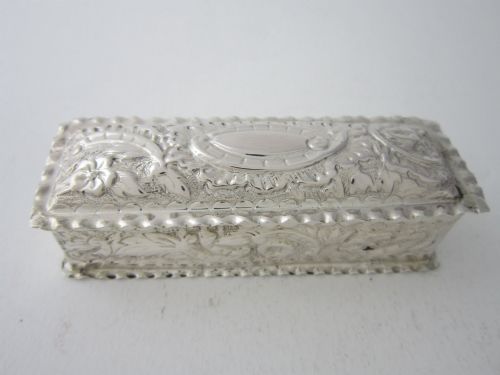
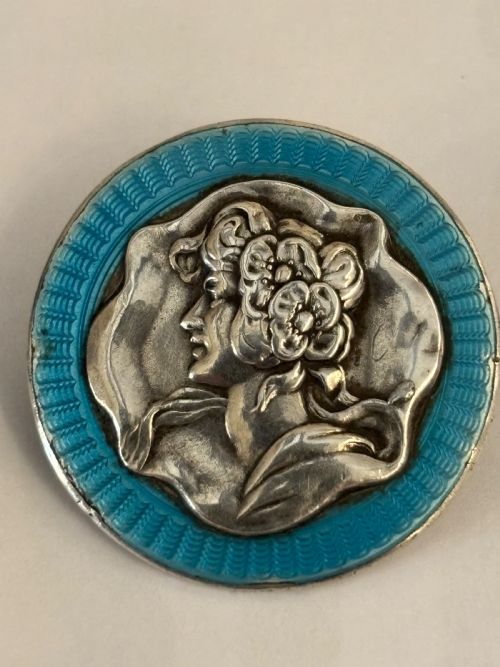
The distinction between standard items and exceptional pieces rests upon stone cut, metal purity, and the crispness of hand-wrought details like repoussé floral motifs.
Original settings with well-matched diamonds and intact enamel work command greater attention than pieces showing replacement stones or wear to the metalwork.
Crisford and Norris·William Hutton
The Antique Dress Pin Glossary
- Bar brooch
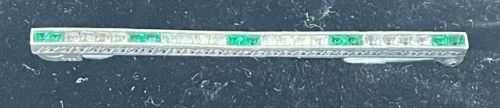
- A slender horizontal pin design popular during the late nineteenth and early twentieth centuries. These often incorporate gemstones or central motifs.
- Repoussé
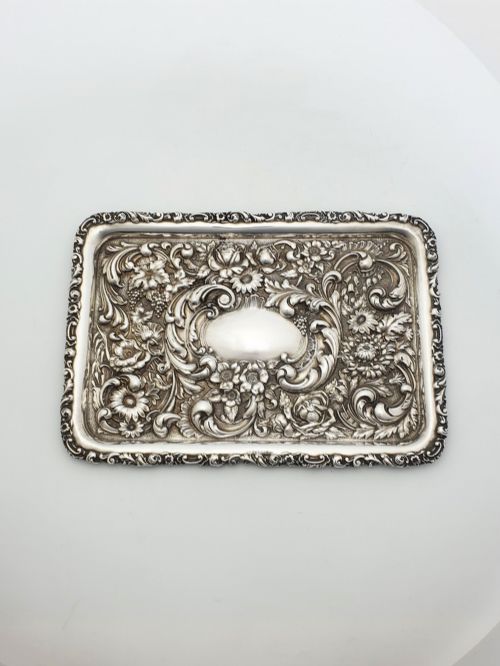
- A metalworking technique where the artist hammers the design from the reverse side to form raised patterns on the front. This method appears frequently on silver trays and boxes.
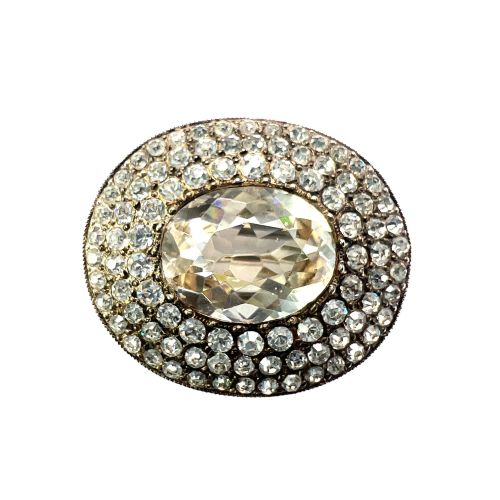
- Paste
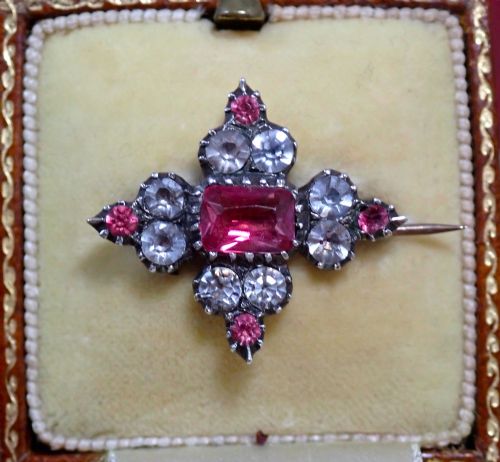
- Hand-cut glass used to imitate precious gemstones in antique jewellery. High-quality paste stones are foil-backed to enhance brilliance.
- Filigree
- Delicate jewellery-work consisting of twisted metal threads soldered together. It creates openwork designs resembling lace.
- Marcasite
- Small faceted pyrite stones set into silver mounts to provide a metallic sparkle. This material defines many Art Deco pieces.
Antique Dress Pin: Frequently Asked Questions
How do I wear an antique dress pin?
These pieces fasten securely to lapels, scarves, and heavy winter coats using traditional pin stems and safety catches. Placing them on heavier fabrics prevents the pin from sagging.
Selecting a design that complements the weight of the garment ensures the piece sits flat and remains secure throughout the day.
What is the difference between Georgian and Victorian pins?
Georgian examples often utilise closed-back foil settings for gemstones like garnets and diamonds to increase their reflection under candlelight. Victorian pieces frequently feature richer gold content and symbolic motifs such as foliage and serpents.
Examining the back of the metal and the gemstone cuts usually reveals which era produced the item.
Are Art Deco dress pins made of platinum?
Many Art Deco pieces utilise platinum because its strength allowed jewellers to create ultra-fine settings and geometric arrangements for diamonds without adding weight. White gold also appears as a common alternative in pieces from this period.
The bright white finish of platinum does not tarnish, which helps preserve the crisp lines characteristic of the style.
How should I clean antique silver pins?
Gentle wiping with a soft, dry microfibre cloth removes surface dust without damaging delicate enamel or loose stones. Liquid dips should be avoided as they strip original patina and harm vulnerable gems like pearls.
Professional jewellers can ultrasonic-clean robust metal pieces that do not contain soft stones or paste.