


Antique Gold Bar Brooch
An antique gold bar brooch is a slender pin of precious metal set with gems, prized for its delicate Victorian and Edwardian craftsmanship.
What these brooches are
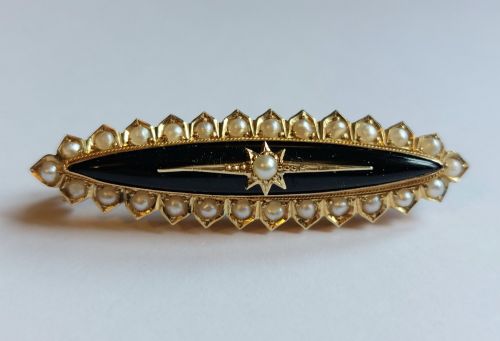
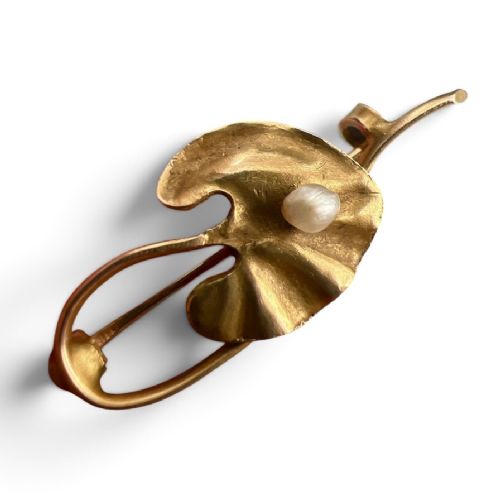
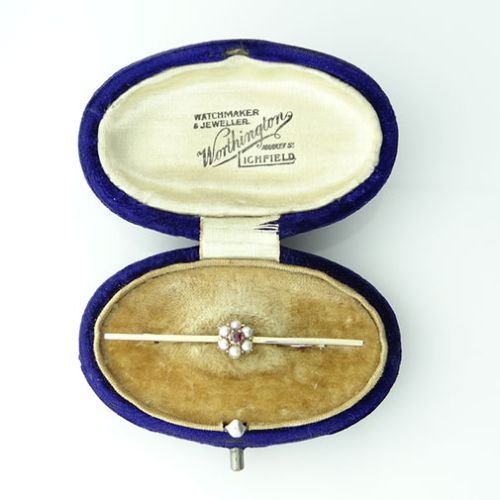
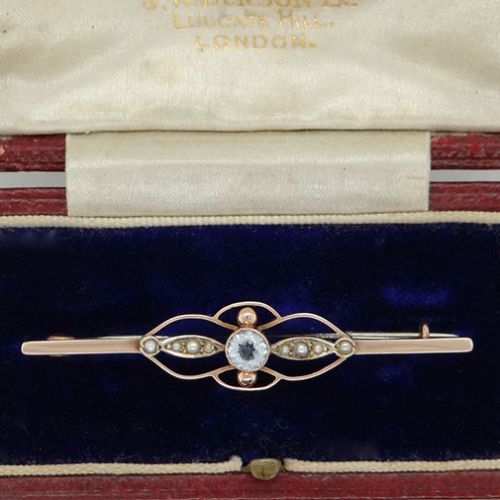
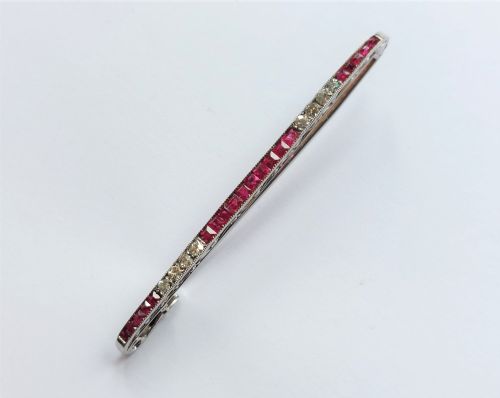
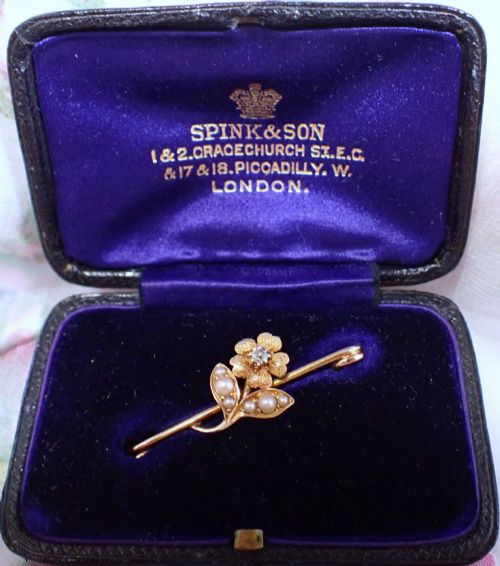
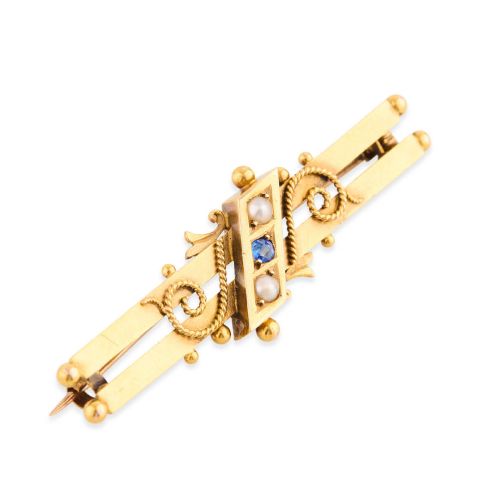
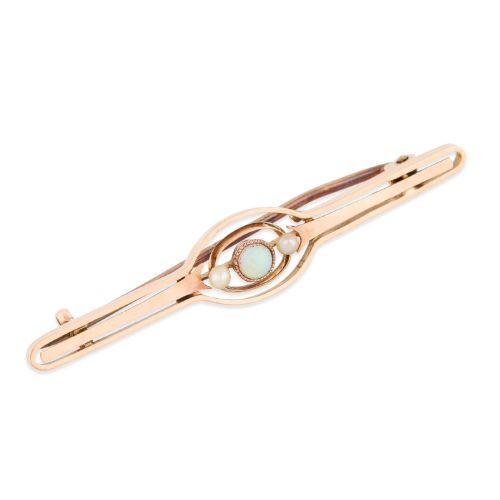
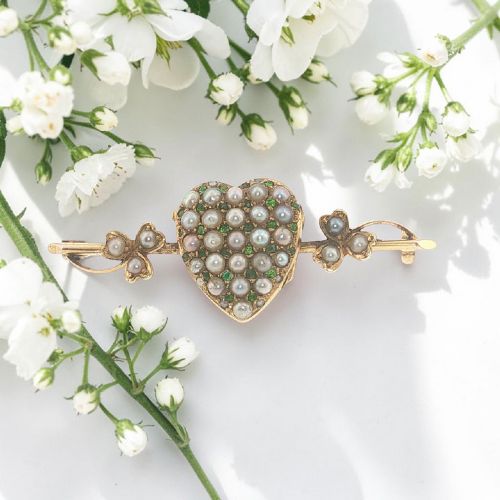
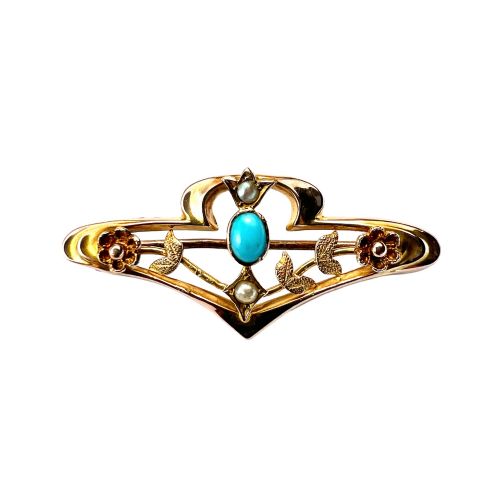
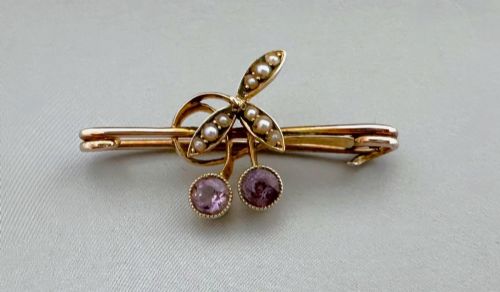
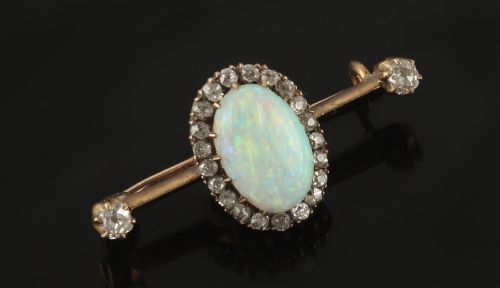
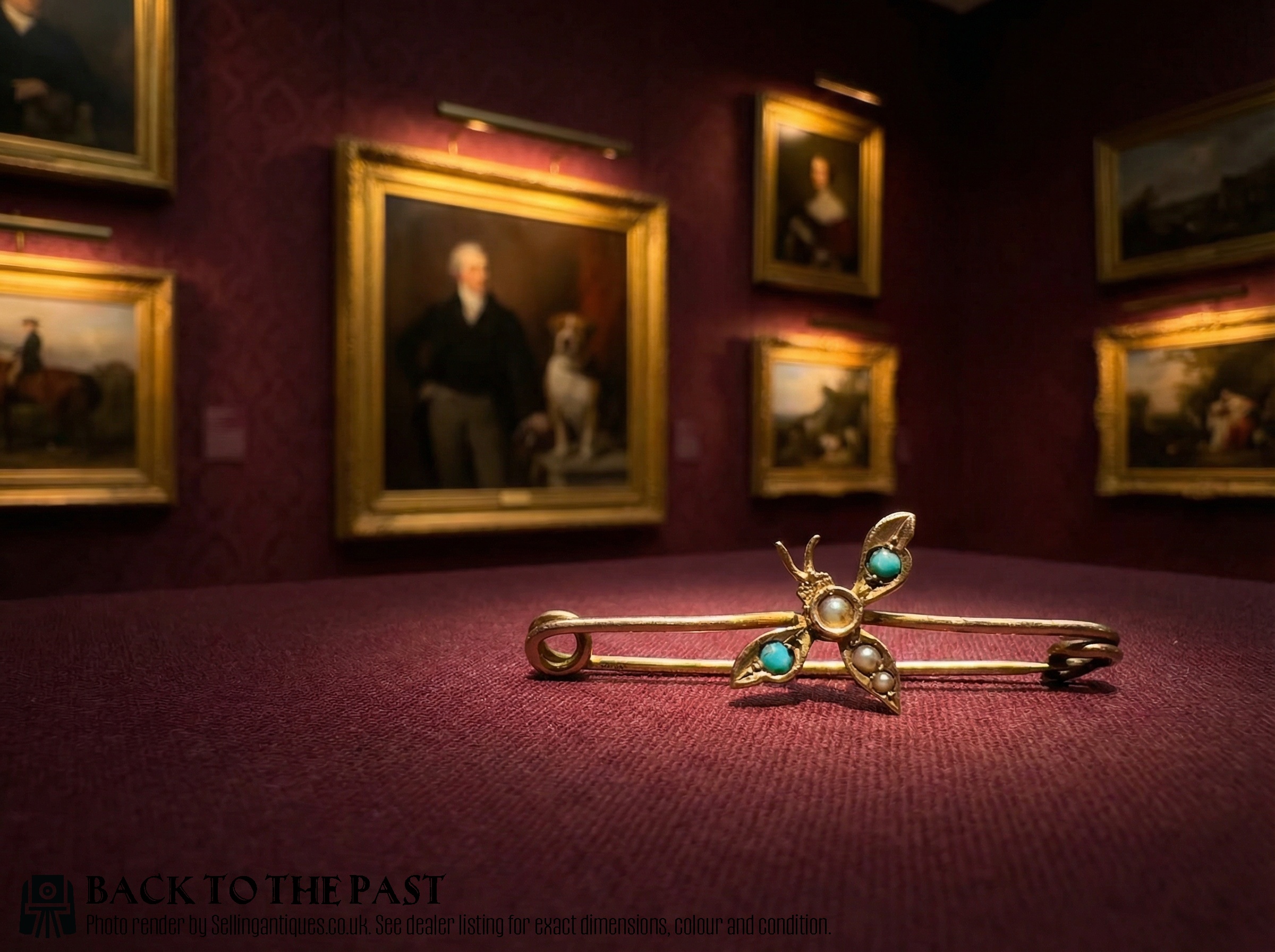
The antique gold bar brooch is a slender linear pin designed to fasten garments securely while displaying precious stones. Most examples on this page date from the Victorian and Edwardian eras, featuring linear shafts of yellow gold mounted with gems. You will frequently encounter floral motifs, insect designs such as dragonflies and spiders, and celestial themes like stars and crescent moons.
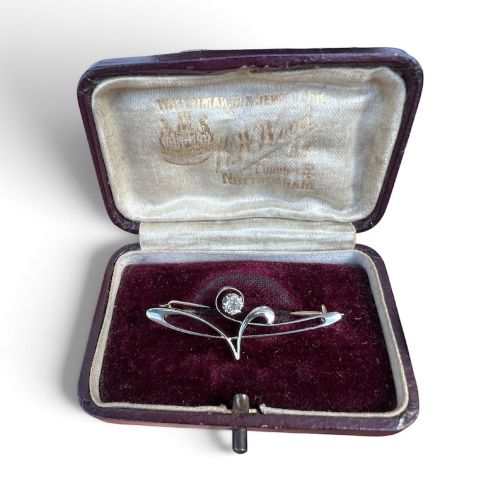
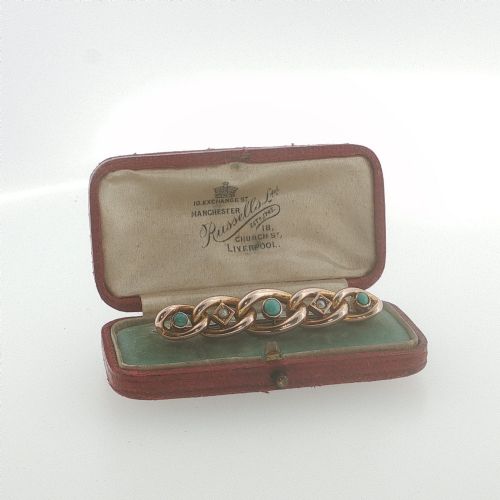
The materials span different purities of gold alongside rolled gold, paired with gemstones including diamonds, pearls, turquoise, garnet, sapphire, opal, and peridot. Some pieces appear as part of jewellery sets alongside matching bracelets, while others survive within their original fitted presentation boxes. The forms range from simple linear pins to figurative shapes incorporating animal subjects like dogs.
How they were made
Goldsmiths shaped the structural shafts from various grades of gold, utilising 9ct, 15ct, and 18ct yellow gold, alongside rolled gold alternatives. Artisans secured gemstones using traditional claw settings or flush mounts directly into the metal bar.
Detailing often involved the integration of platinum in later Edwardian examples to support diamonds. Jewellers arranged seed pearls, turquoise cabochons, and faceted stones in symmetrical flower clusters, starbursts, or insect bodies along the length of the pin.
Retail Price Guide 2026
Typical UK retail prices for gold bar brooch, calculated from the Sellingantiques database of over a million retail prices indexed since 2003. This retail price guide relies exclusively on Sellingantiques data; no external sources or auction records are used, so the figures do not describe the wider market.
Gemstones recorded on this page include diamonds, seed pearls, turquoise, garnets, sapphires, opals, peridots, moonstones, and topaz.
What varies in quality
The standard of a piece depends heavily on the purity of the metal and the selection of the stones. Higher grades of gold, such as 15ct and 18ct, combined with well-matched diamonds and natural pearls, distinguish the finer examples from simpler 9ct or rolled gold variants.
Execution of design also dictates merit, where intricate figurative work like sculpted insects or animal subjects demonstrates superior hand craftsmanship compared to basic geometric bar pins. The inclusion of original fitted presentation boxes further elevates the desirability of a piece.
The Antique Gold Bar Brooch Glossary
- Bar brooch
- A slender linear pin of precious metal designed to fasten clothing. This form dominated the later nineteenth and early twentieth centuries.
- Seed pearl
- A very small natural or cultured pearl, often used in clusters to form floral or celestial patterns in Victorian jewellery.
- Cabochon
- A gemstone shaped and polished with a smooth, rounded surface rather than faceted. This cut is common for opaque stones like turquoise and opal.
- Rolled gold
- A material formed by fusing a thin layer of gold to a base metal core. This technique provided the appearance of solid gold at a lower cost.
Frequently Asked Questions
How do I wear a bar brooch safely?
Pin the brooch through a sturdy weave of fabric, ensuring the safety catch is securely fastened over the pin point.
For delicate silk or knit items, consider using a backing disc or slipping the pin through an internal seam to prevent pulling.
What gold purities should I expect?
Victorian and Edwardian pieces commonly feature 9ct, 15ct, or 18ct yellow gold, alongside rolled gold alternatives.
Higher carat values indicate a greater proportion of pure gold within the alloy used by the maker.
How do I date an antique brooch?
Examine the materials, gemstone cuts, and overall stylistic motifs to establish the period of manufacture.
Victorian pieces often use seed pearls and floral clusters, whereas Edwardian examples frequently combine platinum with diamonds.
Are these brooches supplied in boxes?
Certain pieces survive with their original fitted presentation boxes, though many are offered as standalone items.
Original boxes generally feature hinged lids lined with silk and velvet tailored to the shape of the pin.