
Antique Pearl Pin
An antique pearl pin brings together quiet organic lustre and nineteenth-century goldsmithing in pieces meant to fasten daily dress.
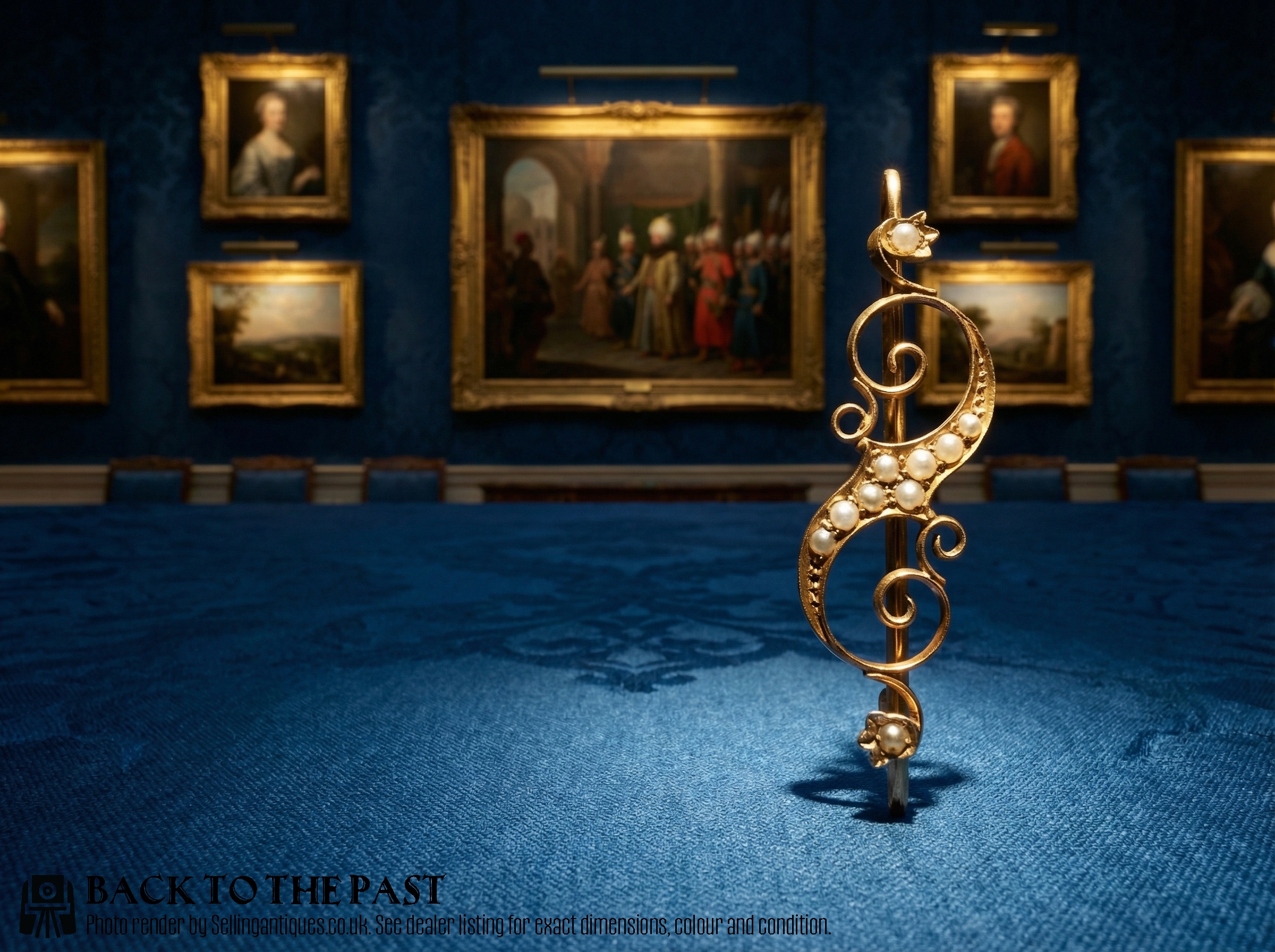
Antique Pearl Pin
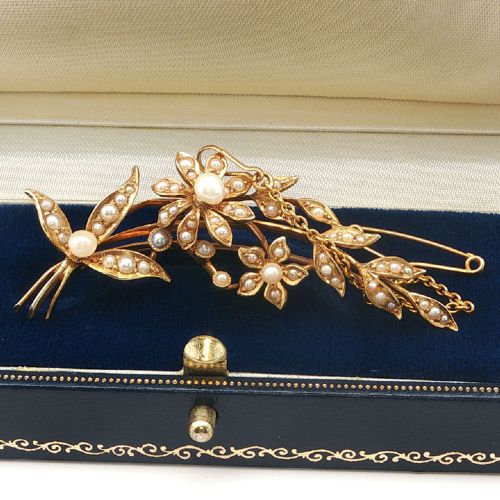
When you search for an antique pearl pin, you encounter small fastening pieces, stick pins, and brooches created across the Victorian, Edwardian, and early twentieth-century periods.
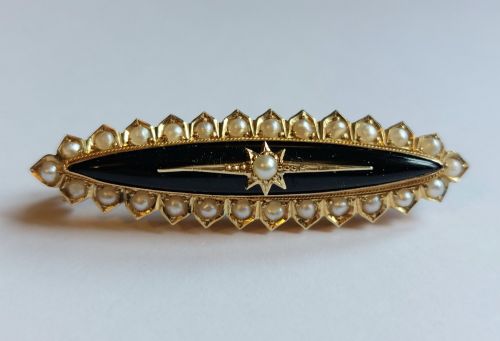
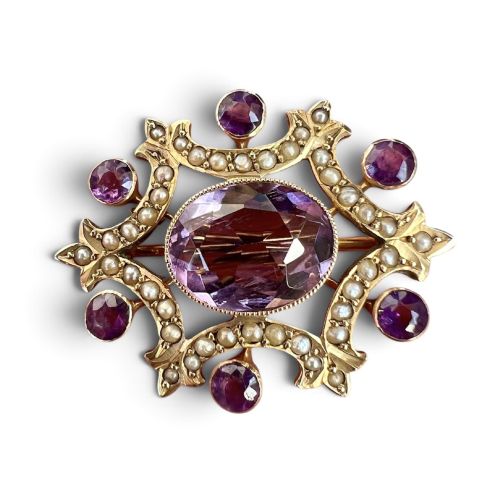
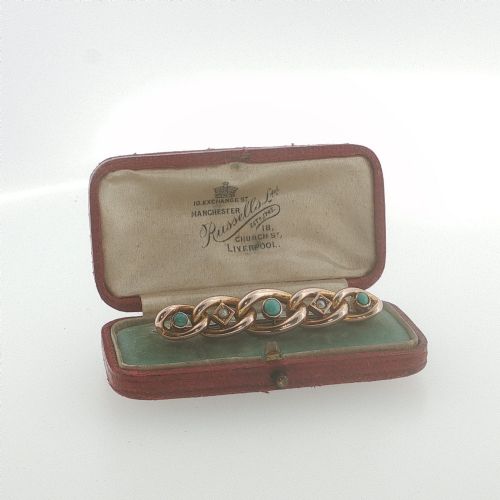
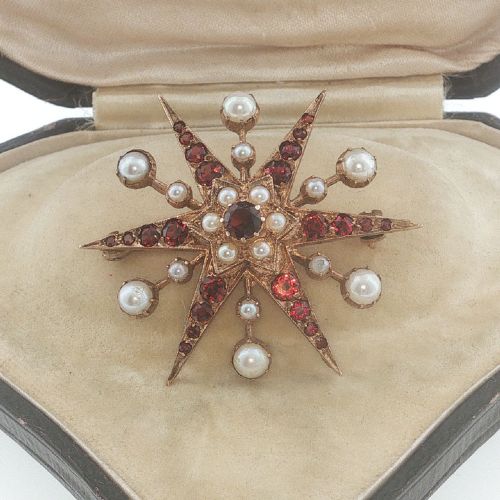
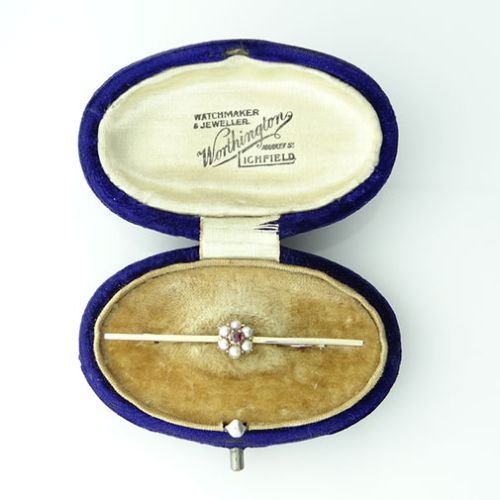
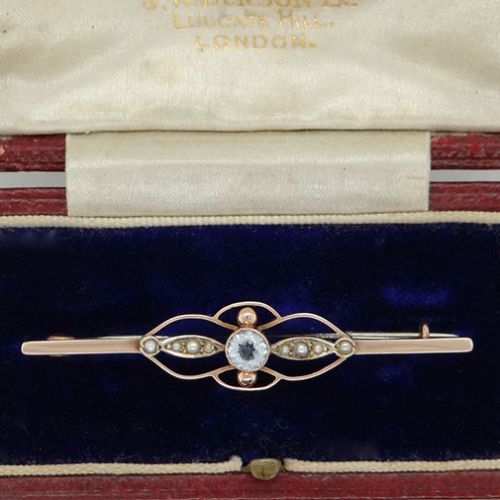
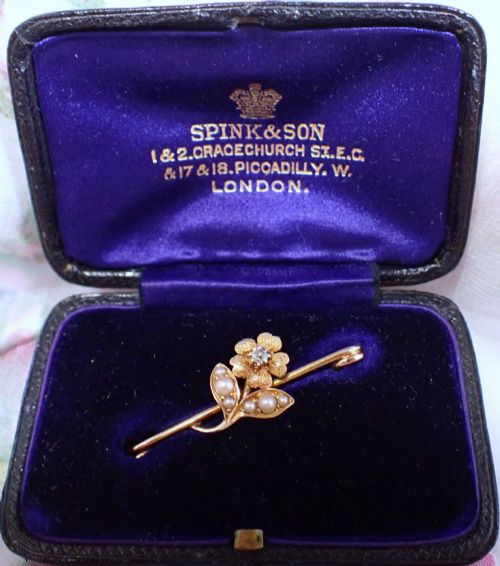
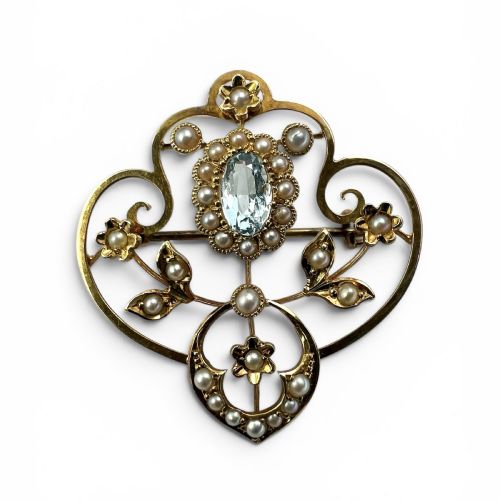
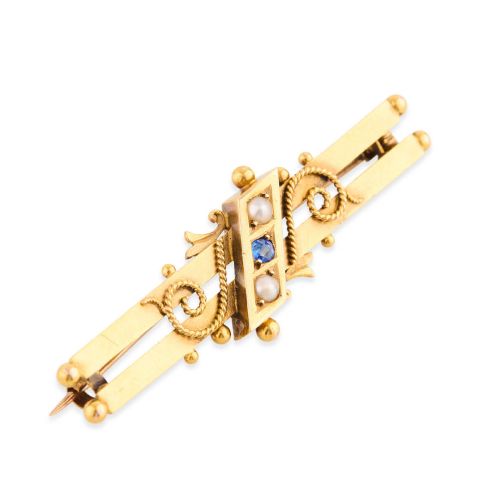
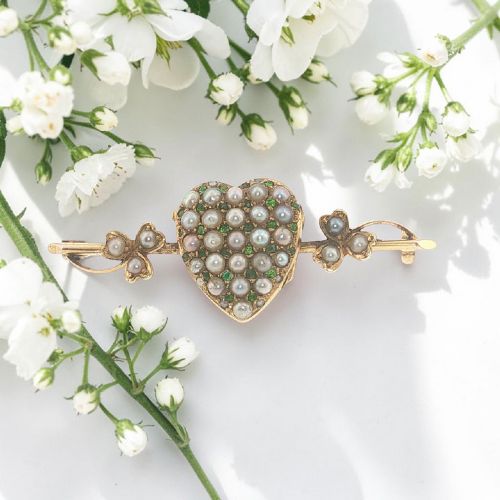
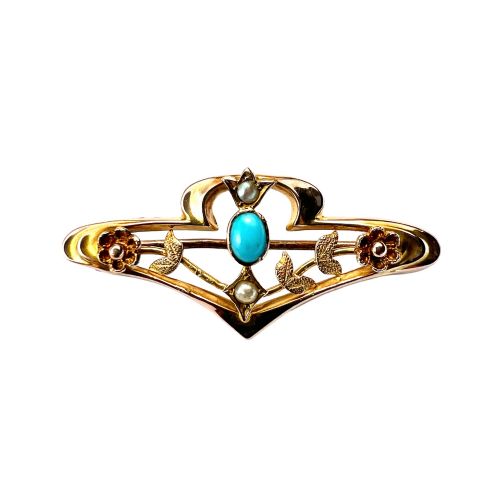
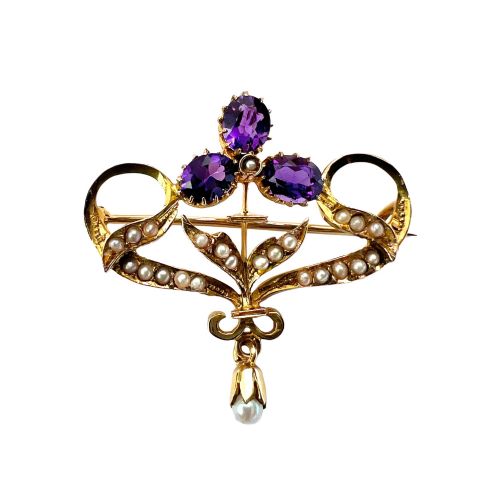
The selections on this page lean heavily toward brooches and bar pins set with pearls or seed pearls, alongside occasional stick pins and novelty pieces originating from English and continental workshops.
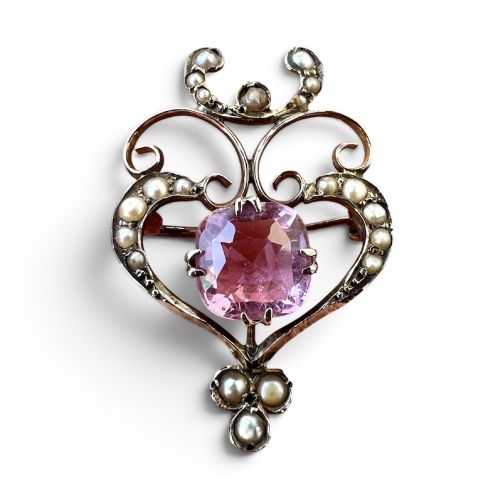
Makers utilised pearls alongside contrasting gemstones such as almandine garnets, turquoises, tourmalines, and amethysts, mounted in nine-carat or fifteen-carat yellow and rose gold.
Materials and construction methods
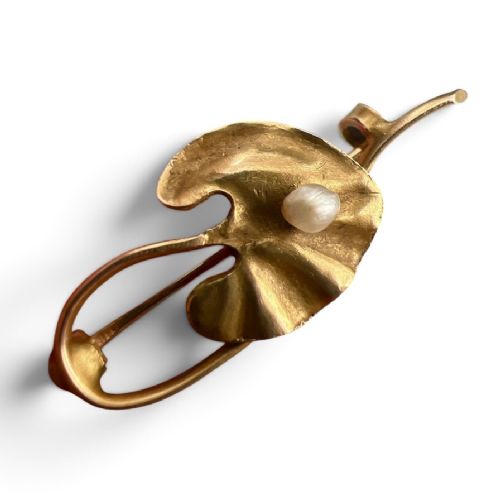
Goldsmiths constructed these pins using nine-carat and fifteen-carat gold, silver, and silver-gilt, shaping the metal into bar brooches, crescent moons, bows, and floral spray motifs.
Pearls and seed pearls were fixed alongside diamonds, coloured gemstones, and enamel work including plique-à-jour and guilloche techniques, frequently secured with pins and c-clasps appropriate to their era.
Antique Pearl Pin Retail Price Guide 2026
Typical asking prices for pearl pin among the pieces listed under this phrase on Sellingantiques today, from the lower quarter to the upper quarter. They describe what is for sale here now, not the wider market.
Listings span the Victorian and Edwardian eras, incorporating materials such as fifteen-carat gold, seed pearls, tourmalines, and amethysts.
Distinctions in execution and design
Quality rests in the precision of the metalwork, the matching and lustre of the pearls, and the integration of secondary gemstones such as garnets, sapphires, or diamonds.
Pieces showing balanced proportions, crisp floral or geometric motifs, and intact enamel or original boxes separate standard production from more accomplished jeweller output.
Levinger and Bissinger·Mappin Brothers
The Antique Pearl Pin Glossary
- Seed pearl
- A very small, naturally formed pearl, frequently drilled and threaded or set closely in clusters on Victorian and Edwardian jewellery.
- Stick pin
- A long pin topped with an ornamental head, worn upright in a cravat, lapel, or scarf during the nineteenth and early twentieth centuries.
- Bar brooch
- A narrow horizontal metal rod mounting stones or decorative motifs across the centre, secured with a pin stem at the rear.
- Plique-à-jour
- An enamelling technique where enamel is applied without a backing, resembling miniature stained glass that permits light to pass through.
- Guilloche
- An ornamental pattern engraved mechanically onto metal beneath a translucent layer of enamel.
Antique Pearl Pin: Frequently Asked Questions
How do I wear an antique pearl pin today?
These pieces transfer readily to modern lapels, scarves, and heavy knitwear using their original pin stems and safety catches.
Take care to secure them through tighter weaves so the weight of the gold and stones rests steadily.
What is the difference between a Victorian and an Edwardian pin?
Victorian pieces often favour heavier yellow gold, mourning motifs, starbursts, and rich garnet or turquoise pairings from the mid to late nineteenth century.
Edwardian designs tend toward lighter proportions, platinum-topped gold, garlands, and pastel stones like aquamarine and peridot.
Are seed pearls natural or cultured in these pieces?
The pearls found in nineteenth-century and early twentieth-century jewellery predate the widespread commercial production of cultured pearls.
They originate as natural saltwater or freshwater pearls harvested during the periods recorded in the listings.
How should I clean my antique pin?
Gentle dry wiping with a soft cloth preserves the delicate nacre of pearls and protects vulnerable enamel or foil-backed stones.
Immersing antique jewellery in liquid cleaners risks damaging organic pearls and loosening ancient settings.