


Gold Pearl Bar Brooch
These gold pearl bar brooch designs combine delicate precious metal settings with lustrous gems, offering timeless elegance for everyday wear.
Understanding the gold pearl bar brooch
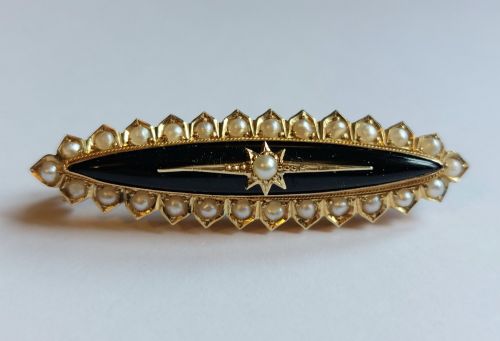
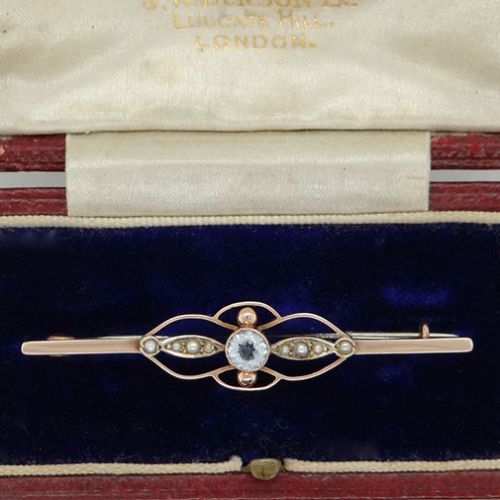
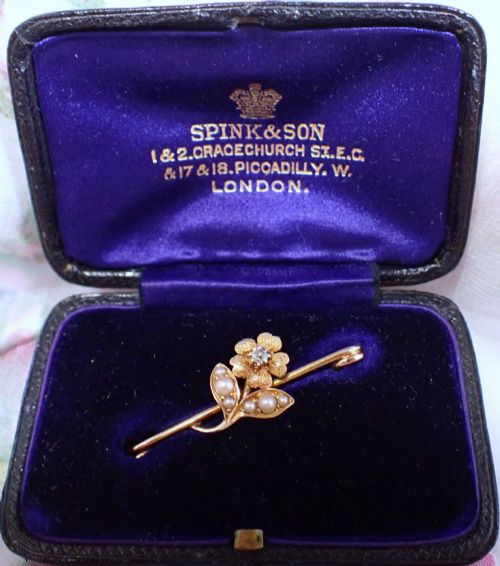
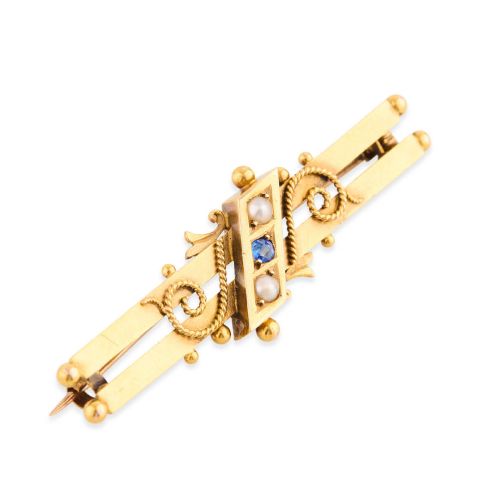
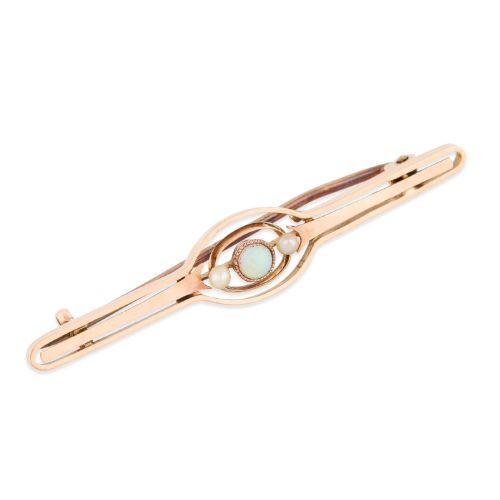
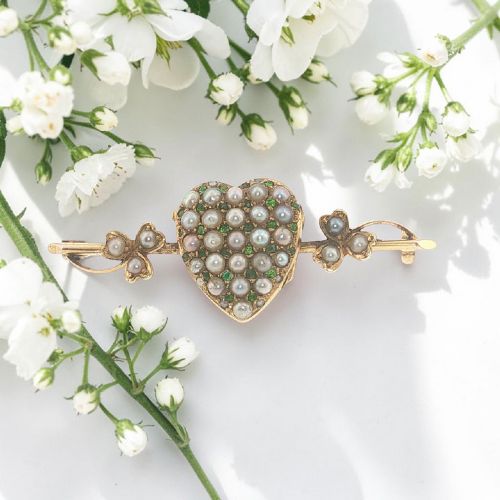
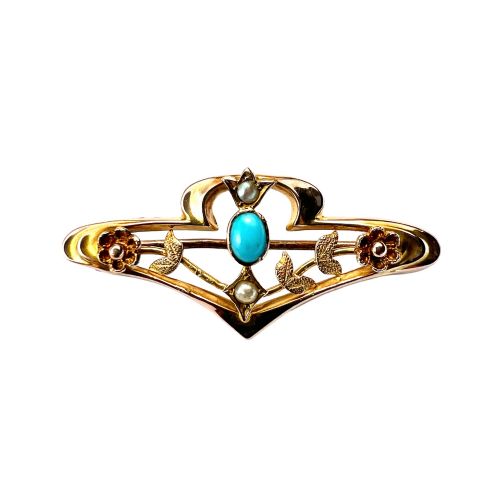
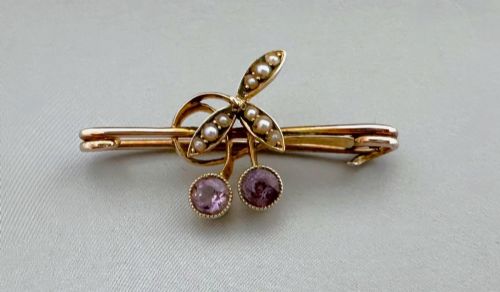
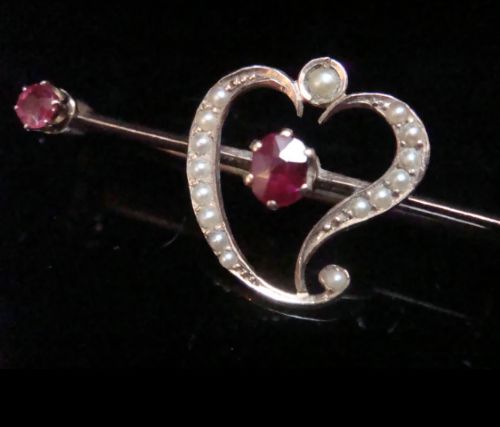
A gold pearl bar brooch presents a slender linear mount fashioned from precious metal, set with pearls alongside accent gemstones. These pieces span late Victorian, Edwardian, Art Nouveau and Art Deco periods, capturing the refined decorative tastes of those eras.
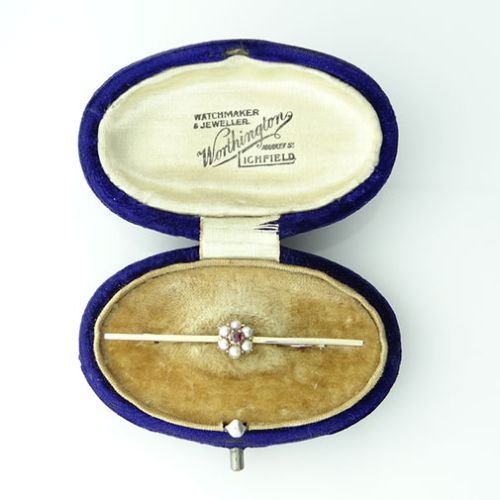
The version most commonly encountered on this page is the Edwardian bar brooch, often rendered in yellow gold or combined with silver, frequently incorporating seed pearls alongside enamelling or coloured stones like amethyst and peridot.
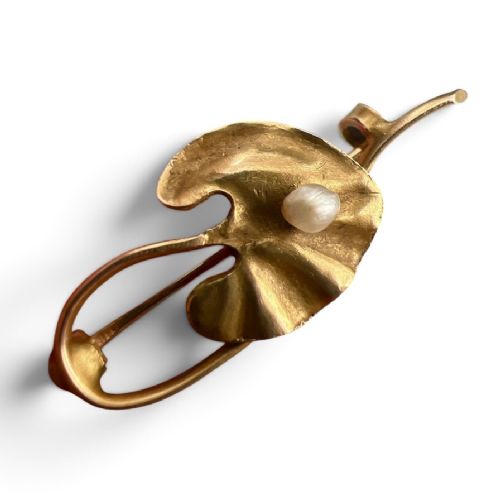
Makers utilised various geometric and figurative motifs, ranging from simple straight bars to intricate depictions of birds, insects, stars and crescents. Collectors prize these accessories for their delicate craftsmanship and wearable proportions.
Materials and construction methods
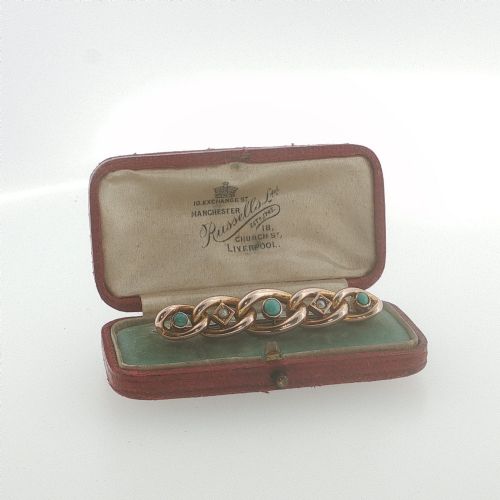
Goldsmiths constructed these bar brooches using varying purities of gold, including 9ct, 15ct, 18ct, and occasionally platinum or silver-topped gold settings. Seed pearls and larger pearls form the central focus, secured with fine claws or flush settings.
Workshops integrated colourful decorative elements such as vitreous enamel, alongside gemstones like amethyst, garnet, peridot, sapphire, ruby, diamond, and topaz. Metalworking techniques included wire twisting, openwork frames, and delicate millegrain edging.
Retail Price Guide 2026
Typical UK retail prices for gold pearl bar brooch, calculated from the Sellingantiques database of over a million retail prices indexed since 2003. This retail price guide relies exclusively on Sellingantiques data; no external sources or auction records are used, so the figures do not describe the wider market.
The selection includes pieces spanning the Edwardian and Victorian periods, utilising yellow gold, platinum, and silver alongside seed pearls and enamel.
Distinctions in quality and finish
Superior examples display crisp casting and hand-finishing in the metalwork, with secure stone settings that hold pearls and diamonds firmly without excess adhesive. The uniformity and lustre of the pearls themselves dictate much of the piece's visual appeal.
Higher grade brooches incorporate complex figurative motifs, detailed polychrome enamel work, or higher carat gold and platinum combinations rather than simple linear mounts. The integration of secondary gems, such as well-matched rose-cut diamonds, elevates the overall refinement.
The Gold Pearl Bar Brooch Glossary
- Seed pearl
- A very small, naturally formed or cultured pearl, often drilled and threaded or pegged onto jewellery. These tiny gems create delicate, textured clusters in Edwardian and Victorian designs.
- Bar brooch
- A fastener featuring a narrow, elongated metal pin designed to secure garments. This classic Victorian and Edwardian form provides a clean horizontal canvas for decorative gems and motifs.
- Enamel
- A glassy substance fused to metal through high-temperature firing to add vibrant colour. Enamelling on these brooches frequently appears in blue, green, or white tones behind or around the pearls.
- Millegrain
- A decorative jewellery technique creating a fine border of tiny raised metal beads along the edge of a setting. This meticulous finish softens hard metal lines and frames gemstones.
- Rose-cut diamond
- An antique diamond cut featuring a flat base and a domed crown with triangular facets. This traditional style produces a soft, candlelit gleam rather than modern brilliance.
Frequently Asked Questions
How do I wear a bar brooch safely?
Pin the brooch through a sturdy weave of fabric, such as a lapel, heavy knit, or scarf, ensuring the safety clasp is fully engaged. Avoid delicate silks where the pin might pull the threads.
Support the back of the fabric with your finger as you guide the pin through to prevent bending the slender gold bar during fastening.
Are these brooches made of solid gold?
The pieces utilise various solid gold standards, most commonly 9 carat, 15 carat, and 18 carat yellow gold. Some Edwardian examples feature silver soldered to the front face to create a bright white backing for diamonds.
None of the items listed rely on gold plating, reflecting the traditional solid metal construction standards of the nineteenth and early twentieth centuries.
What period do most bar brooches belong to?
The majority of these pieces originate from the Edwardian era, spanning the early twentieth century up to the First World War. You will also encounter late Victorian examples from the late nineteenth century alongside occasional later Art Deco designs.
Edwardian pieces are particularly recognizable by their light, airy filigree work, platinum-topped gold, and widespread use of lustrous seed pearls.