
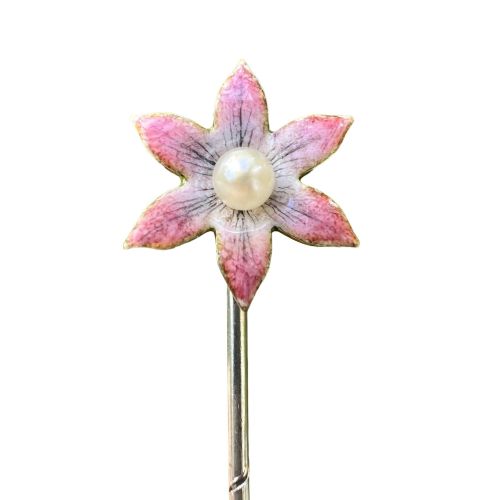


Antique Cravat Pin
These antique cravat pin pieces are small wearable ornaments from the nineteenth and early twentieth centuries designed to secure neckwear with distinct personality.
Antique Cravat Pin
When you search for antique cravat pin examples, you encounter miniature decorative adornments fashioned primarily for fastening nineteenth-century neckwear. These items emerge frequently from the Victorian and Edwardian eras, displaying remarkable variety in their miniature sculptural heads.
The inventory on this page centres heavily upon stick pins, tie pins, and small brooches intended for lapel or cravat placement. Forms range from simple gold bars to sporting and maritime motifs such as hunting bugles, horseshoes, and yacht club insignia.
Origins span across the nineteenth century into the Edwardian period and early twentieth century, featuring distinct stylistic movements including Art Nouveau. Buyers most often meet pieces shaped as floral enamels, miniature portraits, and gemstone clusters.
How they were made
Goldsmiths utilised varying grades of yellow gold, white gold, and platinum to fabricate the structural shafts and settings. Techniques such as cannetille work applied fine gold wire filigree to build intricate textural surfaces upon the miniature heads.
Gems were secured using old cut European diamonds, rose cut diamonds, and brilliant cuts alongside green stones, garnets, and baroque pearls. Enamel work added vibrant colour to floral and heraldic subjects, whilst specialised reverse-crystal painting produced detailed miniature portraits behind domed glass.
Antique Cravat Pin Retail Price Guide 2026
Typical asking prices for cravat pin among the pieces listed under this phrase on Sellingantiques today, from the lower quarter to the upper quarter. They describe what is for sale here now, not the wider market.
Listings feature gold purity variations spanning 9ct, 14ct, 15ct, and 18ct gold, alongside platinum and silver.
What varies in quality
The standard of an antique cravat pin rests upon the fineness of the metalwork and the precision of the miniature detailing. Pieces featuring hand-painted portraiture or intricate cannetille wirework demonstrate superior artisanal competency compared to simpler cast forms.
Gemstone selection dictates value differences, distinguishing modest pearl accents from substantial old cut diamonds and garnets. The integrity of the enamel and the secure attachment of the pin shaft to the decorative head further divide standard commercial examples from exceptional collector pieces.
The Antique Cravat Pin Glossary
- Cannetille
- A decorative goldwork technique utilising fine gold wires and tiny metal balls to create intricate, lace-like surface patterns. This method was particularly popular during the mid-nineteenth century.
- Jabot pin
- An ornamental pin designed originally to fasten the cascading lace ruffle of a jabot collar. These pieces often feature decorative terminals at both ends or a secure catch mechanism.
- Old cut diamond
- A hand-faceted diamond cut before modern machine standards were established, typically featuring a small table, high crown, and open culet. These stones display a softer, warmer scintillation under candlelight.
- Rose cut diamond
- A vintage diamond cut characterised by a flat base and a domed crown with triangular facets arranged in a symmetrical pattern. This historical cut resembles an unopened rosebud.
- Essex crystal
- A miniature reverse-intaglio painting carved into the back of a convex rock crystal cabochon and painted to create a lifelike three-dimensional portrait. Subjects frequently include animals and sporting themes.
Antique Cravat Pin: Frequently Asked Questions
What is an antique cravat pin?
An antique cravat pin is a decorative ornamental pin used historically to fasten men's neckties or cravats securely in place.
These pieces typically consist of a long metal shaft topped with an artistic head made from precious metals and gemstones.
How were cravat pins worn?
Victorian and Edwardian gentlemen pushed these pins straight through the fabric of their neckwear and into the underlying shirt folds.
They served both a practical fastening purpose and a decorative function to display personal interests or social affiliations.
How do I date a stick pin?
Dating relies on examining the metal purity marks, the cutting style of any gemstones, and the prevailing artistic motifs of the period.
For instance, organic curves suggest Art Nouveau design, whilst heavy cannetille wirework points towards mid-Victorian production.
Can these pins be worn today?
Modern collectors frequently wear these items on lapels, scarves, hats, or traditional neckties as subtle statement accessories.
Care should be taken with delicate elements like enamel or baroque pearls during daily wear.