
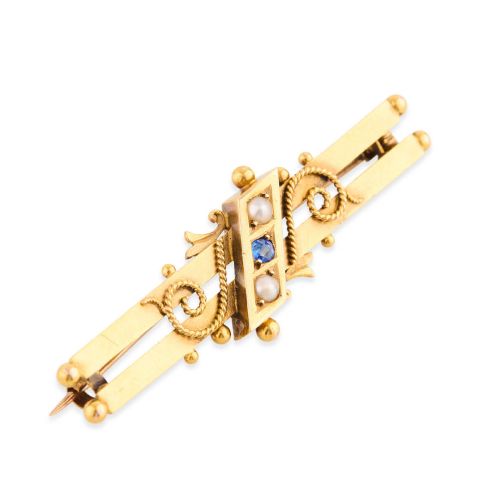


Victorian Stick Pin
These victorian stick pin pieces are slender scarf and lapel ornaments set with diamonds, pearls, and coloured stones.
Victorian Stick Pin
A victorian stick pin is a slender ornamental pin featuring a decorative head designed to secure neckties, cravats, or lapels. The pieces collected under this heading range from simple gold mountings to elaborate gem-set heads.
The selection includes specific sporting and maritime motifs alongside gemstone clusters. Pieces emerge primarily from nineteenth-century workshops with occasional Edwardian examples.
Buyers encounter both functional tie fasteners and converted brooch forms within these listings. Gold and yellow gold predominate across the various pin heads.
Materials and construction
Goldsmiths worked with 9ct, 15ct, and 18ct gold, shaping metal into delicate settings for diamonds, sapphires, rubies, and pearls. Artisans employed techniques such as cannetille work to create intricate wirework textures around gemstones.
Specialist lapidaries carved hardstones like agate and citrine, while enamel and reverse-painted Essex crystals added detailed imagery to the pin heads. Metalsmiths attached the decorative elements firmly to long metal stems intended for piercing fabric.
Listings feature yellow gold, rose gold, and white gold alongside diamonds, rubies, sapphires, garnets, and pearls.
Assessing the work
The distinction between ordinary and superior pieces rests on the finesse of the metalwork and the quality of the set stones. Fine examples display crisp chasing, secure stone settings, and undamaged enamel or crystal surfaces.
Condition of the pin stem and the structural integrity of the joint between head and pin influence the integrity of each item. Original presentation boxes and clear hallmarks contribute to the standing of individual pins.
The Victorian Stick Pin Glossary
- Cannetille
- A fine filigree metalwork technique resembling lace, popular during the nineteenth century. Goldsmiths soldered twisted gold wire and tiny metal balls onto surfaces to create rich, textured patterns.
- Essex crystal
- A technique where rock crystal is carved into a dome and reverse-painted by hand with a tiny miniature scene. The curved crystal creates a magnified three-dimensional optical effect.
- Jabot pin
- An ornamental pin featuring two decorative ends connected by a pin shaft, originally used to fasten the lace jabot on historical garments.
- Old cut diamond
- A hand-faceted diamond cut before modern machine precision, characterised by a smaller table, higher crown, and open culet. These stones catch candlelight warmly.
- Saphiret
- A special type of glass developed in the nineteenth century that displays shifting blue and brown tones. It contains real gold which gives the material its characteristic colour.
Victorian Stick Pin: Frequently Asked Questions
How were victorian stick pins worn?
These pins secured cravats, neckties, lapels, and scarves on formal wear. Gentlemen and ladies utilised them to fasten fabric in place while adding a decorative focal point to their attire.
Today, collectors wear them as lapel pins on jackets, secure them to hats, or display them in collections. Their slender stems allow them to slip neatly through woven textiles without causing damage.
What materials are common in these pins?
Gold in various purities forms the structural base for the majority of these pieces. Gemstones such as diamonds, rubies, sapphires, garnets, and seed pearls frequently embellish the heads.
Specialist materials like Essex crystal, enamel, turquoise, and agate also appear across the selection. Metal colours range from yellow gold to rose gold and white gold.
How do I date a victorian stick pin?
Dating relies on stylistic motifs, gemstone cuts, and any accompanying hallmarks or maker stamps. Pieces set with old cut diamonds and intricate cannetille work typically point toward the mid-nineteenth century.
Later Edwardian examples often feature lighter, airier settings with platinum or white gold elements. Original boxes and documented provenance help confirm the period of manufacture.
Are these pins durable for daily use?
While sturdy enough for occasional wear, antique pins require careful handling due to their delicate age. The slender metal stems can bend if forced through heavy or tightly woven fabrics.
Stones secured by fine claws or foil backs benefit from protection against moisture and sharp impacts. Storing them in dedicated boxes preserves their structural integrity.