




Antique Portrait Pin
An antique portrait pin is a wearable likeness carrying historical presence, drawing collectors through intimate painted faces and carved cameos.
Antique Portrait Pin
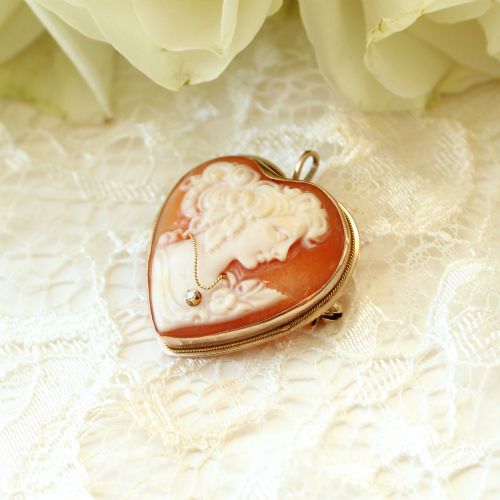
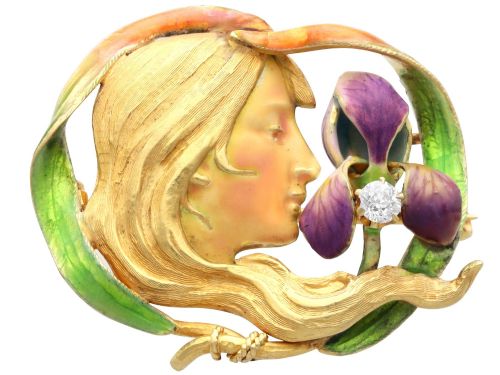
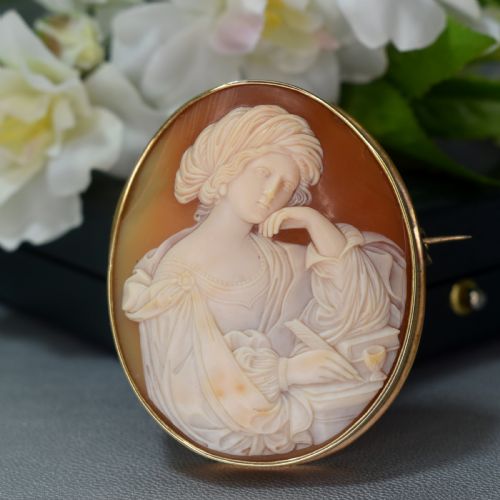
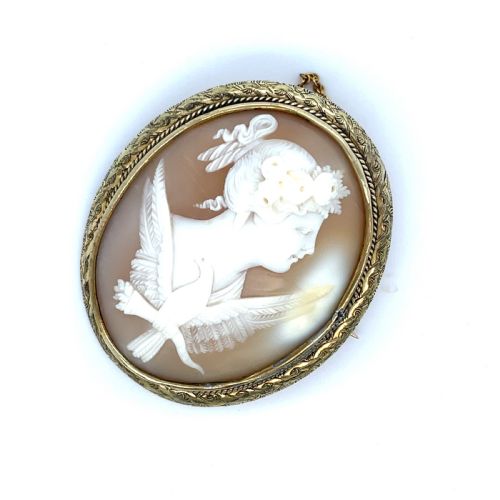
An antique portrait pin encompasses miniature painted likenesses, carved shell and hardstone cameos, and enamel depictions designed to be worn on garments. When you explore this selection, you encounter pieces spanning the Georgian, Victorian, Edwardian, and Art Deco eras, alongside items from the 1900s and 1930s.
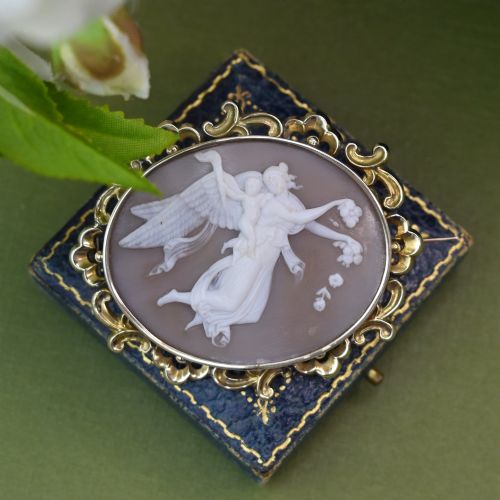
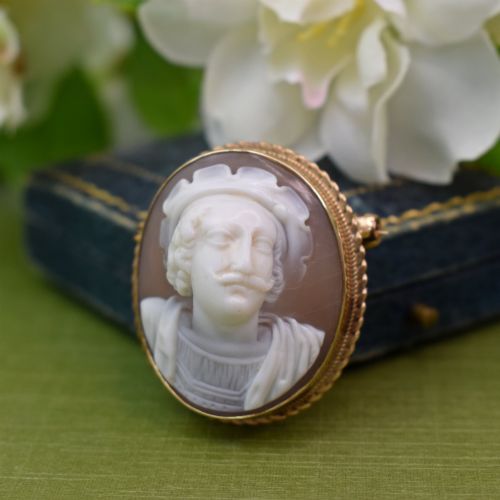
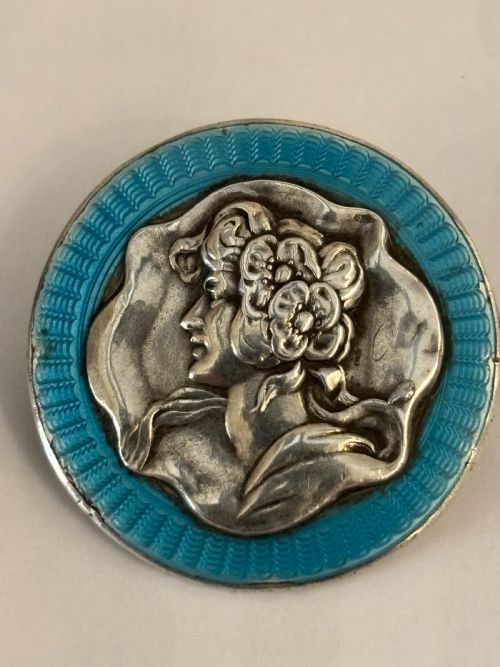
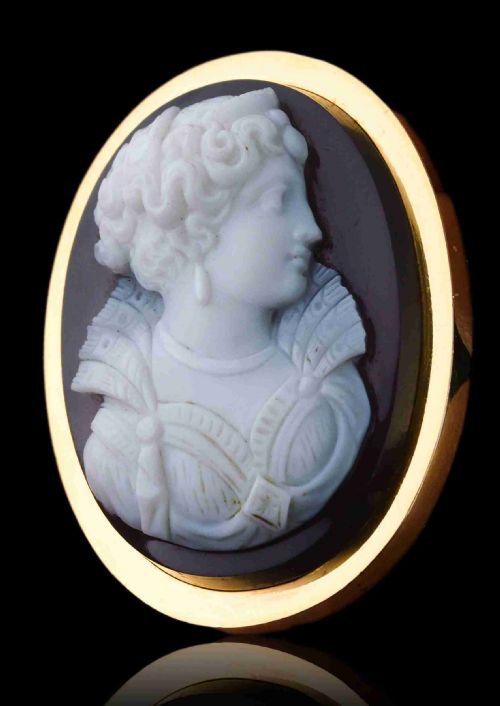
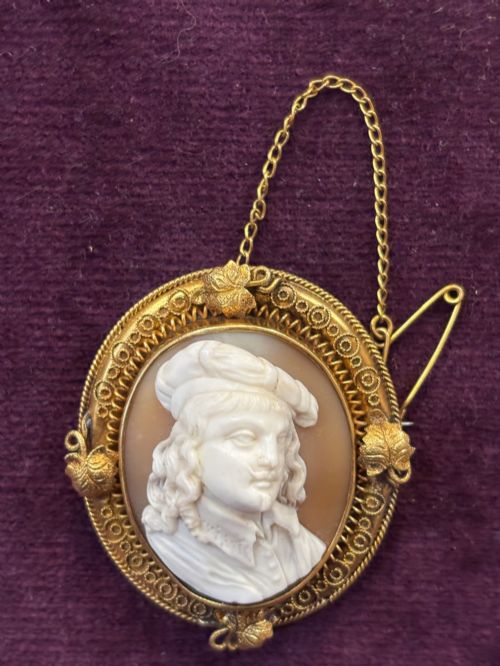
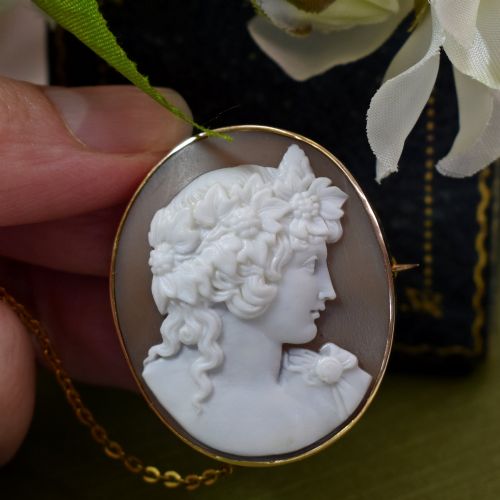
The most common form on this page is the shell or hardstone cameo brooch, often depicting classical figures or historical personages set within yellow gold mounts. Alongside these carved works, you find silver and guilloche enamel pieces, silhouette miniatures, and delicate stick pins carrying painted portraits of ladies.
Makers utilised various metals to house these images, ranging from pinchbeck and silver to 9ct, 12ct, 15ct, 18ct, 20ct gold, and unspecified gold frames. Italian workshops produced many of the shell and lava examples for travellers on the Grand Tour, while English and French makers fashioned portrait pins for sentimental exchange and memorial use.
Materials and construction
Carvers shaped shell, carnelian agate, hardstone, and volcanic lava to exploit the natural layered colours of the material, raising white profiles against darker grounds. Goldsmiths then encased these reliefs in solid gold frames, sometimes embellishing the settings with delicate filigree wirework or mounting them in silver.
Miniature portraits and silhouettes relied on fine watercolour or pigment application on ivory, paper, or card, protected behind glass within metal pins. Enamel workers fused powdered glass to silver or gold bases using techniques like guilloche to create patterned, translucent backgrounds beneath painted religious and secular subjects.
Antique Portrait Pin Retail Price Guide 2026
Typical asking prices for portrait pin among the pieces listed under this phrase on Sellingantiques today, from the lower quarter to the upper quarter. They describe what is for sale here now, not the wider market.
Materials recorded across these items include shell, agate, hardstone, lava, glass, enamel, silver, pinchbeck, and gold ranging from nine to twenty carats.
Distinctions in craftsmanship
The weight and purity of the metal mounting, whether high-carat gold or substantial silver work, indicate the original investment in the piece. Well-preserved hinge mechanisms, original pin stems, and secure bezels maintaining the stone or shell without movement also separate superior examples from lesser items.
John Miers·R.Pernice·Franz Xaver Winterhalter·Thornton Rippingille·Michael Dahl·Sir Godfrey Kneller
The Antique Portrait Pin Glossary
- Cameo
- A method of carving a stone or shell with layered strata to leave a raised relief image against a contrasting background. This technique dates back to antiquity and saw major revivals during the Georgian and Victorian periods.
- Guilloche enamel
- A decorative technique where transparent enamel covers a metal surface that has been mechanically engraved with precise geometric patterns. It creates a shimmering, patterned depth beneath the coloured glass surface.
- Pinchbeck
- An alloy of copper and zinc invented in the eighteenth century to imitate gold. It provides a warm yellow metallic appearance without using precious bullion.
- Grand Tour
- A cultural journey undertaken by wealthy young Europeans to view continental art and antiquities. Travellers frequently purchased local Italian lava and shell carvings as souvenirs.
- Intaglio
- A gemstone or hardstone carved beneath the surface so that the design creates a depressed impression when pressed into wax. These were commonly mounted in spinning fobs or seals.
Antique Portrait Pin: Frequently Asked Questions
What is an antique portrait pin?
An antique portrait pin is a piece of jewellery designed to fasten to clothing while displaying a likeness of a person or a classical figure. These items take the form of brooches, pendants, and stick pins.
They utilise mediums such as carved shell, hardstone, lava, enamel, and miniature painting. Makers set these portraits into frames made from silver, pinchbeck, and various grades of gold.
How do I wear a portrait pin?
You can secure a portrait pin to the lapel of a jacket, the front of a woollen shawl, or the collar of a blouse. Heavier brooches require sturdy fabric to prevent sagging.
Some pieces feature dual loops allowing them to function as both a pendant on a chain and a brooch. Ensure the pin stem fastens securely into its catch before wearing.
How do I tell Victorian pins apart from Georgian ones?
Georgian portrait pins often reflect neoclassical tastes, utilising silhouettes, hairwork, and sentimental love tokens with closed-back settings. They frequently date from the late eighteenth or early nineteenth century. The Victorian era introduced widespread shell and hardstone cameo production, often featuring heavier gold frames, floral filigree, and classical mythological subjects inspired by the Grand Tour.
How should I clean my antique portrait pin?
You should clean these pieces gently with a soft, dry cloth to remove surface dust. Avoid submerging shell, lava, or painted miniatures in water or chemical cleaning solutions.
Keep moisture away from the reverse of glass-covered miniatures to prevent water damage to the paper or painted surface underneath.