


Victorian Gold Tie Pin
These Victorian gold tie pin examples combine nineteenth-century metalwork with miniature gemstones, offering a refined lapel accent for daily wear.
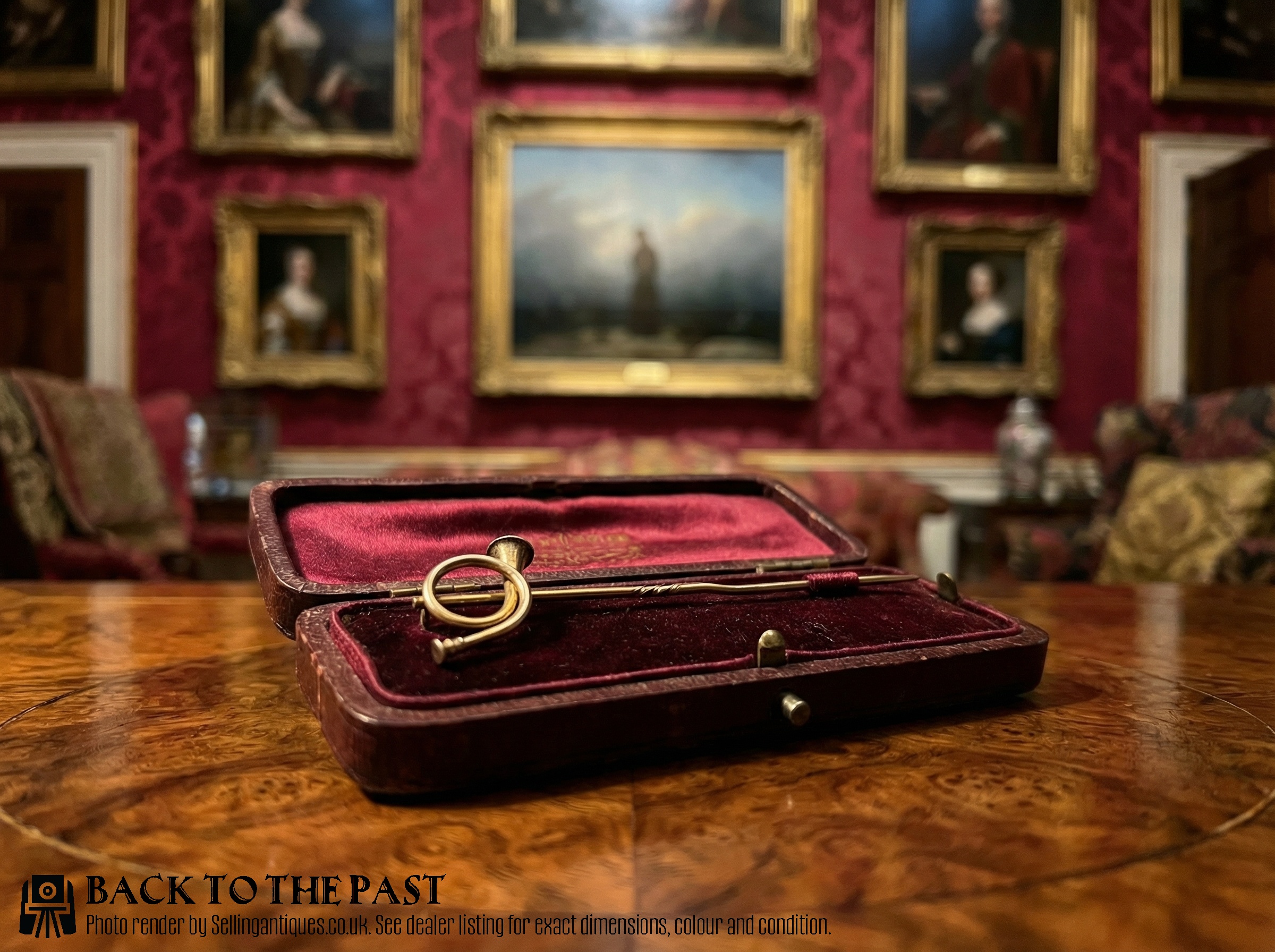
Victorian Gold Tie Pin
A victorian gold tie pin is a functional garment fastener designed to secure a cravat or necktie, frequently appearing alongside stick pins and miniature brooches in the record. These ornaments showcase period motifs ranging from sporting subjects to classic bar designs.
The objects span nineteenth-century production with occasional Edwardian and later pieces, constructed primarily as slender shafts topped with decorated heads. Collectors encounter both utilitarian fasteners and decorative miniatures adapted for modern lapel use.
Construction and materials
Goldsmiths utilised various purities of yellow and white gold, alongside platinum, forming the structural pins and detailed decorative heads. These precious metals provide the durable foundation required for securing heavy fabrics.
Craftsmen mounted diamonds, garnets, pearls, aquamarines, and enamel within the gold structures, often combining gemstones with rose-cut or brilliant-cut facets. Miniature portraits and carved crystals further demonstrate the detailed handiwork typical of the period.
Listings feature gold purities ranging from nine carat to eighteen carat, alongside platinum and silver components.
Assessing quality in period pins
Superior examples display precise gem-setting and sophisticated miniature sculpting, such as detailed jockey caps, hunting buggles, or portrait miniatures. The fineness of the gold alloy and the integration of the pin stem into the decorative head indicate the maker's skill.
Pieces showing clean stone retention, crisp engraving, and well-preserved enamel represent the higher tier of survival from the era. Condition and the complexity of the subject matter distinguish standard production from exceptional works.
The Victorian Gold Tie Pin Glossary
- Stick pin
- A long straight metal pin with an ornamental head, pushed through a necktie or lapel. These items were widely worn by both men and women during the nineteenth century.
- Bar brooch
- A narrow horizontal metal bar set with gems or enamel, functioning similarly to a pin fastening. Many examples share stylistic traits with tie pins of the same era.
- Rose cut
- A historic diamond cut featuring a flat base and a domed crown with triangular facets. This method creates a soft lustre distinct from modern brilliant cuts.
- Enamel
- A decorative glassy substance fused to metal through firing, adding permanent colour to motifs. It frequently appears on sporting and heraldic pin designs.
Victorian Gold Tie Pin: Frequently Asked Questions
How were these pins originally worn?
These items secured cravats and neckties in place against the wearer's shirt front. They served both a practical fastening purpose and a decorative function.
Over time, many found a second life pinned to lapels, collars, or hats as personal ornaments.
How can I tell the period?
Dating relies on material composition, hallmark stamps, gem-cutting styles, and the specific motifs used in the decorative head. Victorian examples often feature distinct chased details or regional maker marks.
Comparing the pin construction method with known historical periods helps confirm the decade of manufacture.
Are these pins sturdy enough for daily use?
Most pieces remain robust due to the solid gold and platinum used in their construction. Care must be taken with delicate elements like enamel or pearl settings.
Storing them in fitted boxes prevents bending the slender pin shafts when not being worn.
What themes appear on the heads?
Common subjects include equestrian and hunting motifs such as horseshoes, buggles, and jockey caps. Maritime symbols, portraits, and masonic emblems also appear frequently in the record.
Floral patterns and gemstone clusters represent the more traditional ornamental styles of the nineteenth century.