


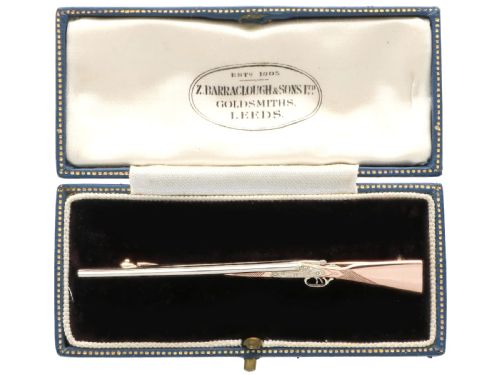


Antique Equestrian Jewellery
These pieces of antique equestrian jewellery capture the spirit of the hunt and field through fine metals and gems.
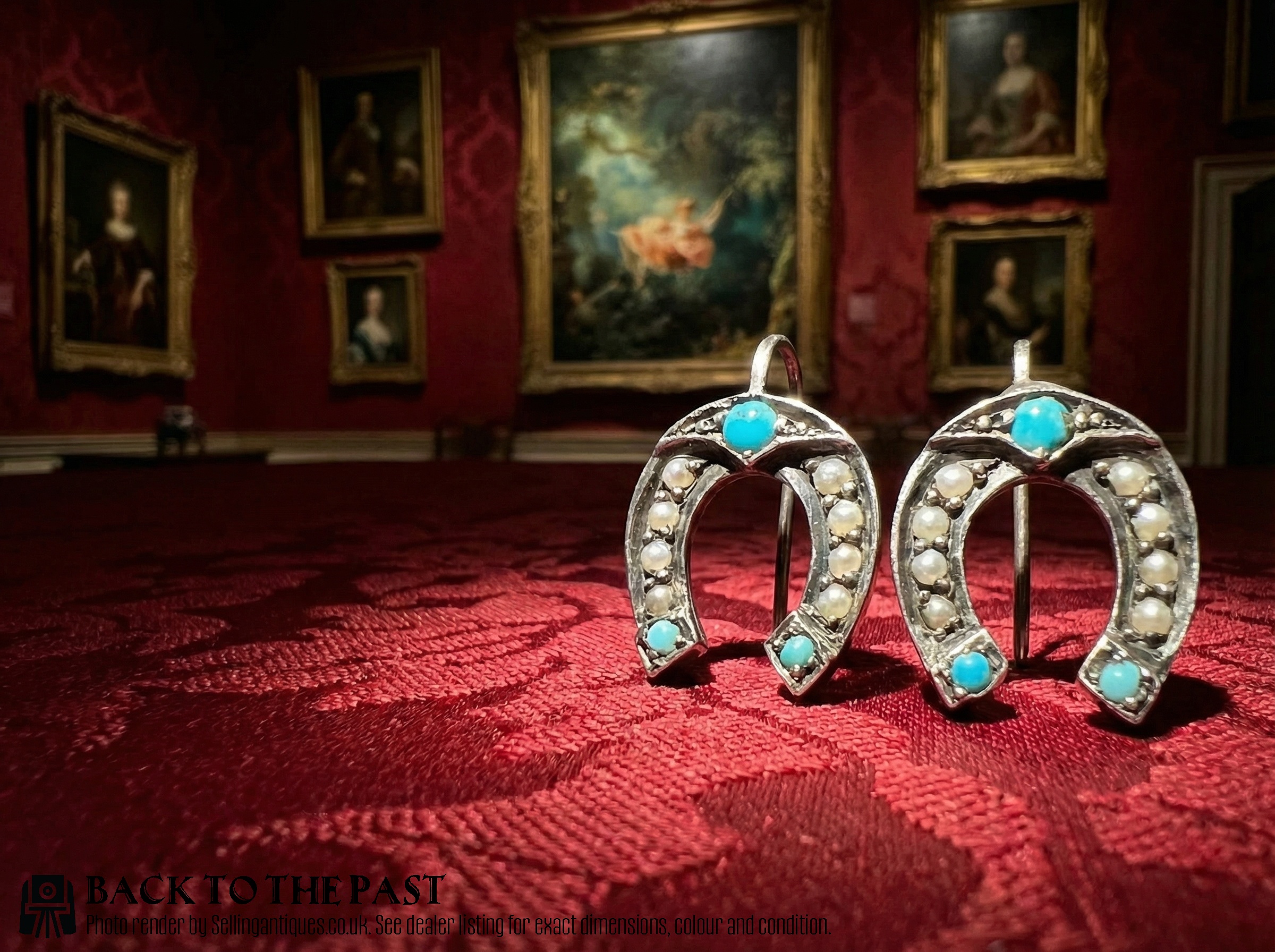
Antique Equestrian Jewellery
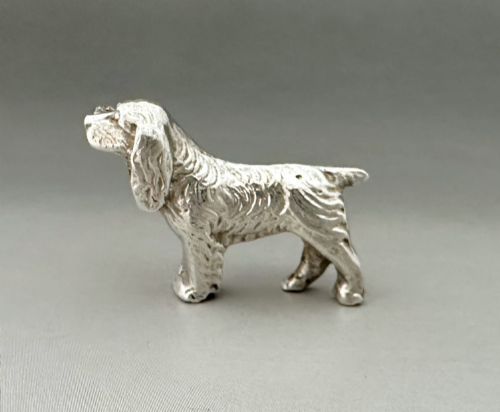
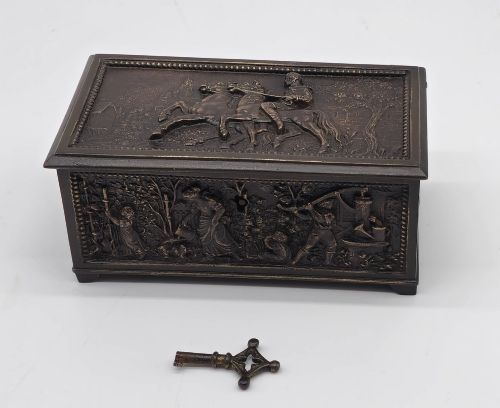
Buyers seeking antique equestrian jewellery encounter items celebrating horses, dogs, hunting, and racing. The selection spans brooches, stick pins, pendants, necklaces, and small caskets from the Georgian period through the mid-twentieth century.
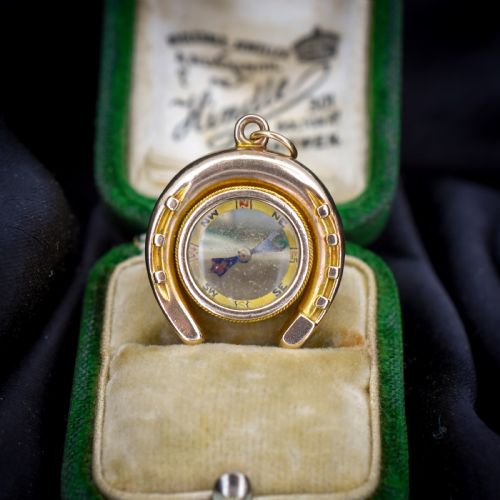
Horse shoe motifs set with turquoise or seed pearls appear frequently across the Victorian era. Pins shaped like hunting bugles, shotgun shells, and jockey caps represent the sporting tastes of the nineteenth and early twentieth centuries.
Origins include British workshops alongside French makers, utilising precious metals to shape miniature portraits of field sports. Pieces range from simple silver tokens to gold items inset with diamonds and garnets.
How they were made
Craftsmen utilised sterling silver, 9ct gold, 15ct gold, and 18ct yellow gold as the primary foundations for these items. Metals were cast, chased, and engraved to form horse heads, horseshoes, and hunting gear.
Gems such as turquoise, seed pearls, diamonds, and garnets were hand-set into the metalwork to accent motifs like lucky horseshoes. Essex crystal and hand-painted surfaces brought miniature animal subjects into detailed focus.
What varies in quality
The refinement of the metalwork and the precision of the miniature carving separate standard items from superior examples. Hand-painted details and the clarity of reverse-intaglio Essex crystals demand high skill from the maker.
Gemstone selection influences the character of a piece, distinguishing simple paste or low-grade stones from natural seed pearls, turquoise, and diamonds. The integrity of the original fastenings and hinges also plays a role.
Chaumet·Jennens and Bettridge
The Antique Equestrian Jewellery Glossary
- Stick Pin
- A long pin with a decorative head, worn upright in a cravat or lapel. These frequently featured hunting subjects.
- Essex Crystal
- A technique where rock crystal is carved on the flat back and painted to create a lifelike floating image. Foxes and dogs often appeared under these lenses.
- Fob Seal
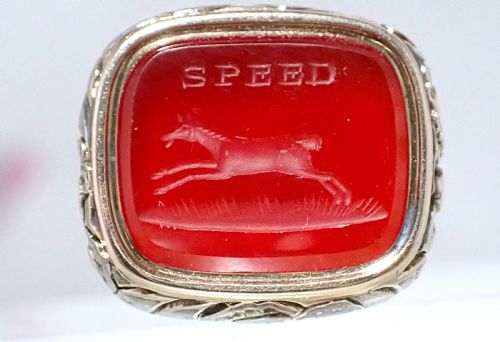
- A small pendant used for stamping hot wax, sometimes carved with equine motifs and mottos. They hung from pocket watch chains.
- Silver Gilt
- Silver covered with a thin layer of gold. This finish offered the appearance of solid gold at a different scale of cost.
Antique Equestrian Jewellery: Frequently Asked Questions
What periods do these pieces span?
The selection covers items from the Georgian era, through the Victorian and Edwardian periods, up to mid-century examples.
Dating relies on hallmarks, material composition, and stylistic traits typical of each decade.
How were stick pins worn?
Gentlemen and ladies wore stick pins secured through neckties, scarves, or lapels during sporting events and daily town life.
The long pin shaft balanced the decorative head in place.
What gemstones are common?
Turquoise and seed pearls are frequently set into horseshoe motifs across the Victorian selection.
Diamonds, garnets, and black onyx also appear in higher-tier items alongside gold.
What are jewellery caskets used for?
These small decorative boxes served to hold rings, pins, and small trinkets on a dressing table.
Many featured bronze casting or hand-painted scenes reflecting rural and sporting life.