
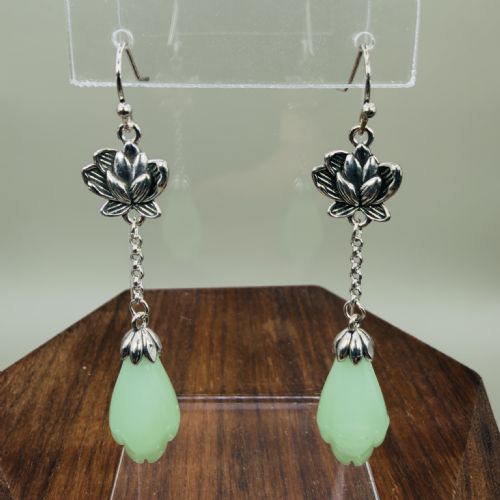


Sterling Silver Earrings
Sterling silver earrings bring together centuries of craftsmanship, ranging from Victorian aesthetic designs to mid-century modernist enamel work.
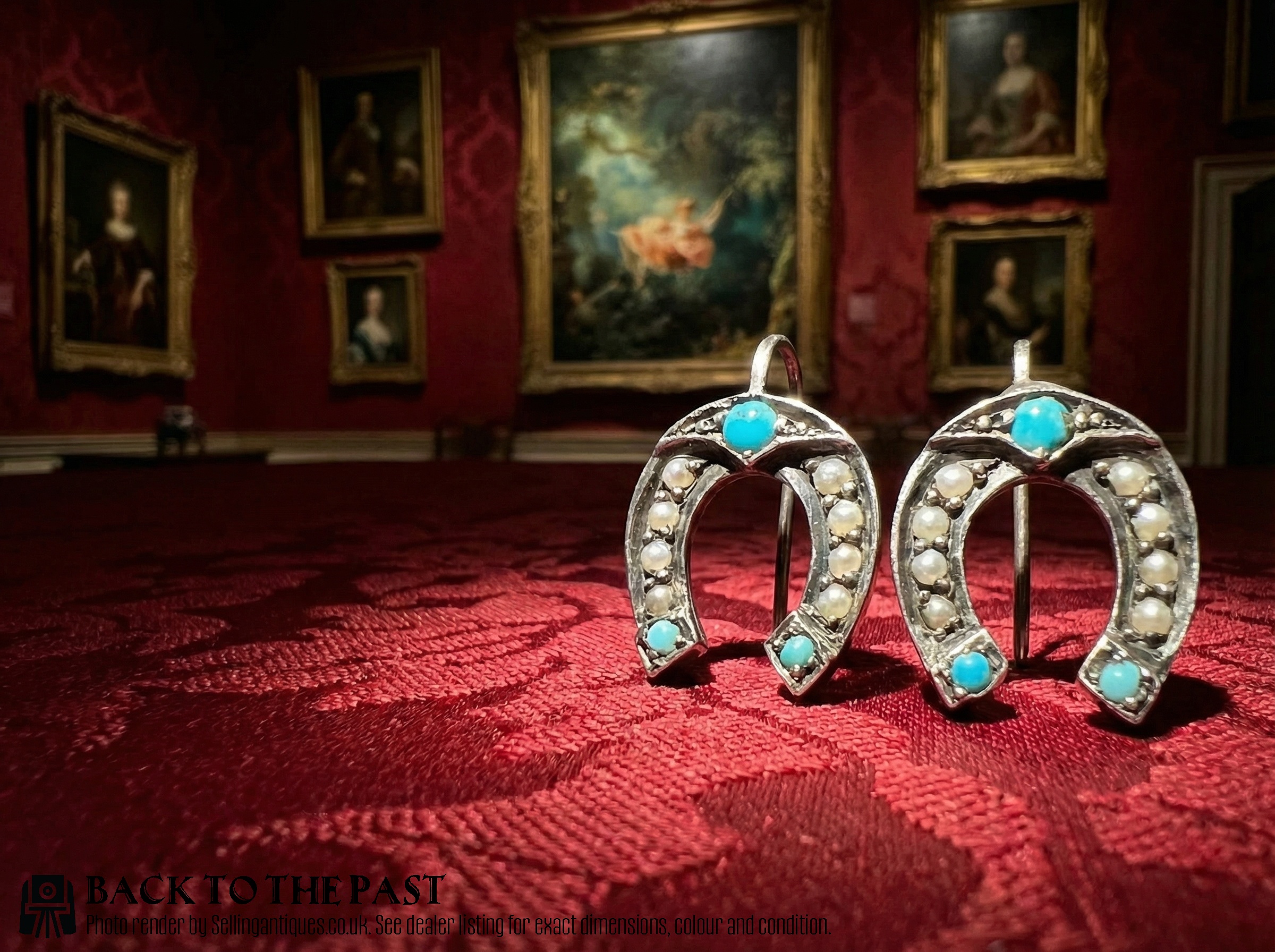
Sterling Silver Earrings
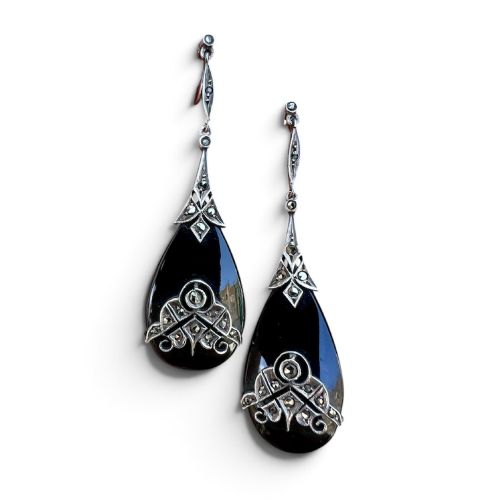
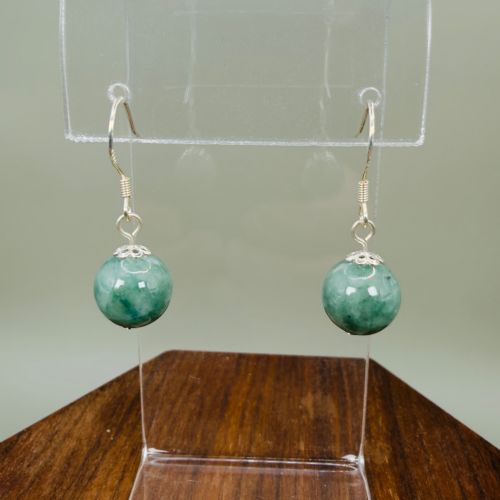
Sterling silver earrings encompass a diverse range of historical periods, from Victorian revival and aesthetic pieces to mid-century modernist designs. Buyers seeking sterling silver earrings will frequently encounter items featuring gemstones such as amber, onyx, marcasite, and jade alongside classic drop and cluster forms.
The selection includes matching jewellery sets alongside standalone earrings, reflecting both traditional motifs like floral and botanical revivals and geometric art deco styling. Pieces span eras from the late nineteenth century through to the 1960s, offering distinct aesthetic shifts across different decades.
How they were made
Construction relies heavily on sterling silver framing, often complemented by silver gilt or specific fastening mechanisms such as hinge backs, screwbacks, hooks, and clips. Stones and organic materials including amber, moonstone, turquoise, and paste are integrated using bezels, prongs, or bead settings.
Enamelling techniques appear in Scandinavian modernist works, while detailed metalwork defines the Victorian aesthetic and arts and crafts pieces through wirework, stamping, and granulation.
Periods represented across the inventory span from the Victorian era and the Arts and Crafts movement through Art Deco to 1950s and 1960s modernist designs.
What varies in quality
Quality differences stem from the precision of the metalwork, the complexity of the stone setting, and the integrity of applied finishes like enamel or gilding. Hand-finished details in period pieces demonstrate superior artistic execution compared to mass-produced alternatives.
The choice of materials, from matched natural gemstones to high-grade pastes and properly hallmarked sterling silver, determines the lasting distinction of each pair.
CIRO SCP·Andresen Scheinpflug Oslo
The Sterling Silver Earrings Glossary
- Sterling silver
- An alloy consisting of silver and other metals, usually copper, meeting a specific standard of purity. This composition provides durability for detailed jewellery fabrication while maintaining a bright metallic lustre.
- Marcasite
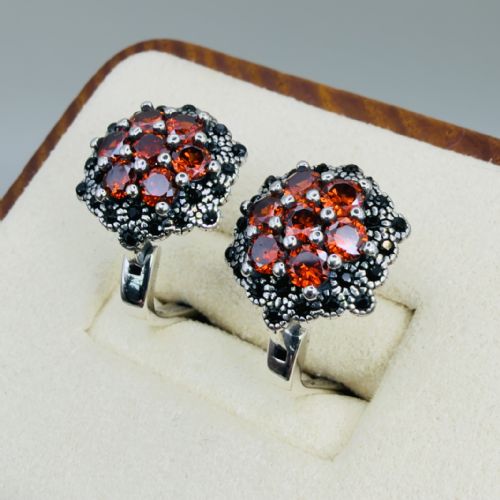
- Pyrite cut and polished into small facets, typically set into silver mountings. It creates a dark, glittering effect popular in art deco and revival jewellery.
- Screwback
- A mechanical fastening for non-pierced ears utilising a threaded post and screw mechanism. This design allows the wearer to adjust pressure securely against the earlobe.
- Paste
- Hand-cut and polished lead glass used to imitate gemstones. High-quality historical paste stones exhibit deep refraction and are securely foiled or set in silver.
Sterling Silver Earrings: Frequently Asked Questions
How do I date antique sterling silver earrings?
Dating relies on examining the fastening types, such as early screwbacks or hinge backs, alongside stylistic indicators like Victorian aesthetic motifs or art deco geometry.
Material choices and hallmarks further assist in placing a piece within specific decades from the nineteenth century to the mid-century period.
What is the difference between hook and screwback earrings?
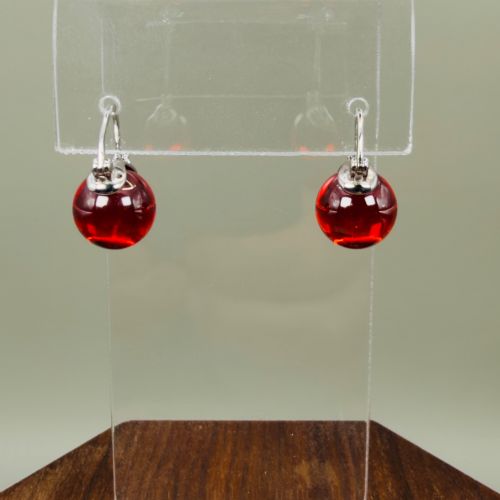
Hook earrings are designed for pierced ears, suspending the main drop freely from a curved wire.
Screwbacks were engineered for non-pierced lobes, utilising an adjustable threaded mechanism to hold the earring securely in place.
How should I clean silver earrings with gemstones?
Cleaning requires careful attention to the specific materials set into the silver, as organic stones like amber or pearls react poorly to harsh liquid dips.
A soft cloth and gentle polishing maintain the metal without compromising delicate settings or enamel work.
Are mid-century earrings usually marked?
Mid-century pieces frequently bear standard silver purity stamps, such as 925, alongside specific maker marks or country attributions.
Some designer or workshop pieces carry distinct maker stamps that reflect their Scandinavian or European origins.