




Scottish Revival Jewellery
These pieces of scottish revival jewellery capture the rugged romance of the Highlands in gleaming silver, polished stone and warm gold.

Scottish Revival Jewellery
When you search for scottish revival jewellery, you encounter pieces that draw directly upon traditional Highland motifs and ornamentation. The selection centres heavily on Victorian and Edwardian examples alongside mid-century interpretations.
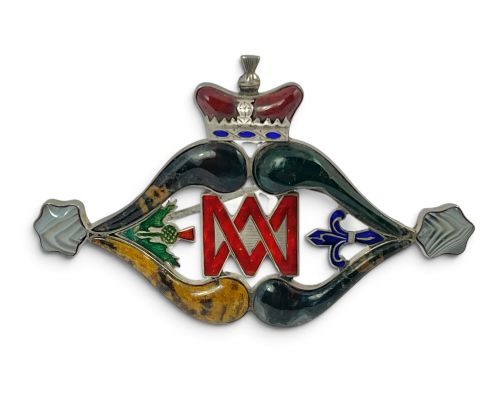
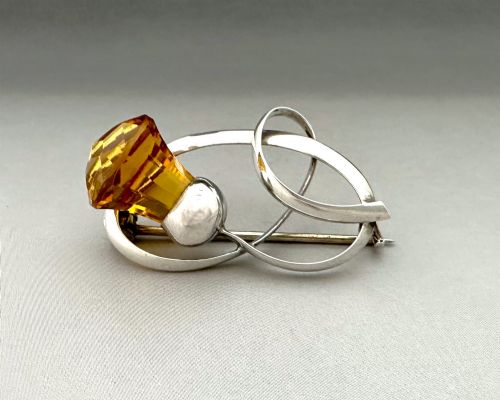
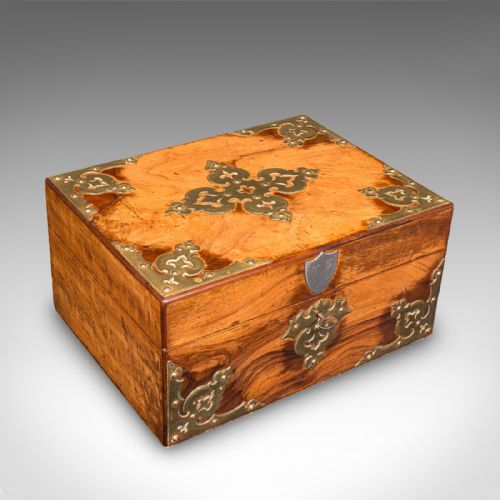
Brooches form the core of what you meet here, often set with colourful native stones like agate, citrine and malachite. You also find trinket boxes, earrings and complete suites executed in silver and gold.
The aesthetic bridges several movements, encompassing Celtic revival, Gothic revival and Victorian Scottish revival styles. These objects reflect a lasting fascination with ancient craftsmanship translated into wearable ornaments and desk accessories.
How they were made
Craftsmen shaped these items using solid silver, sterling silver and gold as the primary metal foundations. Techniques involved careful metalwork to form intricate shield, sword and pin designs that reflect historic weaponry and symbols.
Stones such as citrine, agate, jasper, smoky quartz, malachite and amber were expertly cut and polished before being bezel-set into the metal mounts. Walnut and brass also appear in the construction of larger decorative workboxes and sewing cases.
Listings span from Victorian times through Edwardian and mid-century periods, using silver, gold, walnut and various natural stones.
What varies in quality
The standard of these items rests upon the precision of the stonework and the weight of the metal utilised. Superior examples display tightly fitted stones with rich natural colour variations, securely anchored within substantial silver or gold settings.
Makers who applied traditional Celtic engraving techniques achieved a crisper, more defined relief than those producing simpler cast variations. The integration of functional elements, such as sturdy pin mechanisms and well-fitted box hinges, further distinguishes finer pieces.
John Hart of Iona·Celtic Art Industries
The Scottish Revival Jewellery Glossary
- Agate
- A variety of chalcedony displaying distinct natural bands of colour. Scottish specimens were gathered locally and polished for use in brooches and trinket boxes.
- Citrine
- A transparent yellow quartz variety often mounted in Victorian and Edwardian silver pieces. It provides a warm, golden sparkle characteristic of traditional Highland ornaments.
- Kilt Pin
- A large decorative brooch traditionally used to fasten the plaid or kilt. Many examples double as substantial sword or shield brooches.
- Malachite
- An opaque green copper carbonate mineral with characteristic banded patterns. It appears alongside agate to introduce deep botanical tones to silver jewellery suites.
- Trinket Box
- A small lidded container designed for storing small valuables or keepsakes. These boxes frequently incorporate stones and silver mounts matching contemporary brooches.
Scottish Revival Jewellery: Frequently Asked Questions
What is scottish revival jewellery?
These items are ornaments and decorative boxes inspired by traditional Scottish motifs, particularly popular during the Victorian era and revived in later decades.
They draw upon Celtic and Gothic design elements to celebrate Highland heritage through wearable art.
How were these pieces worn?
Brooches and kilt pins served both ornamental and practical purposes, fastening heavy wool garments like plaids and shawls.
Earrings and suites were worn as everyday adornments or formal dress accessories during the nineteenth and twentieth centuries.
What materials are used?
Makers relied heavily on silver, sterling silver and gold to construct the foundational mounts for these accessories.
Native stones such as agate, citrine, malachite and amber provide the characteristic colourful ornamentation across the pieces.
How do I date these pieces?
Dating relies on stylistic clues like Victorian Gothic motifs, Edwardian refinement, or mid-century production hallmarks.
Assay office marks and specific maker signatures also help pinpoint the exact decade of manufacture.