
19th Century Jewellery
These curated pieces of 19th century jewellery span intricate gold earrings and mosaic bracelets, offering tactile connection to historical craftsmanship.
19th Century Jewellery
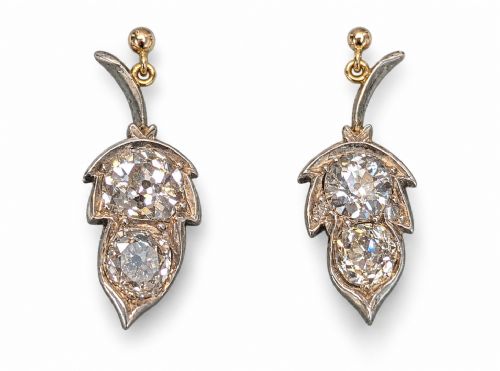
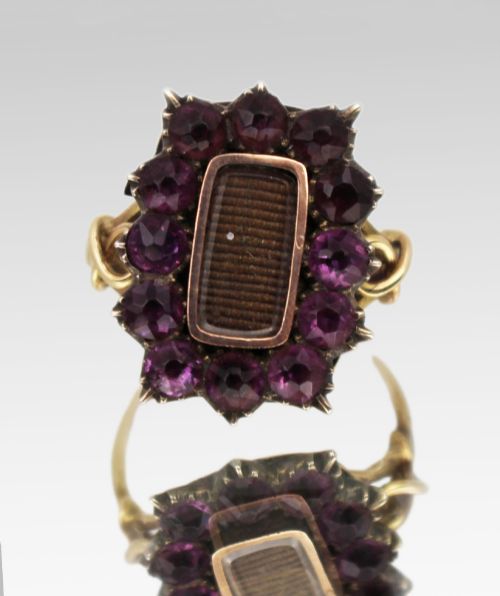
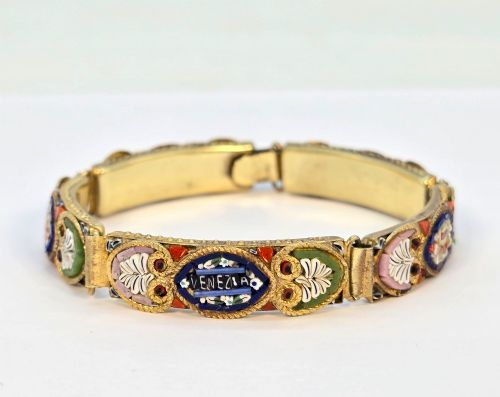
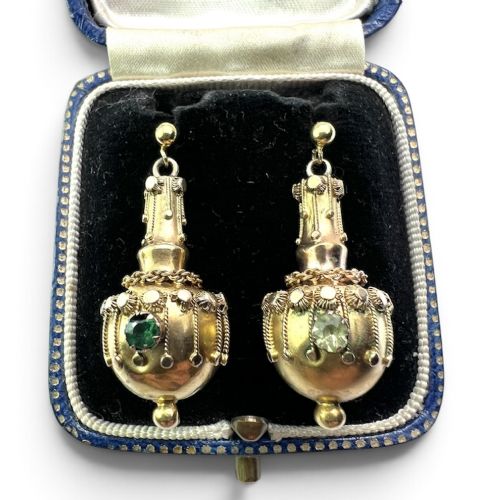
Buyers exploring 19th century jewellery encounter an eclectic mix of personal adornments, ranging from Victorian gold drop earrings to micro mosaic bracelets from Venice and detailed intaglio rings. These artefacts capture shifting aesthetic tides across the era, moving from classical revivals to romantic motifs.
Most items on offer showcase the distinct craftsmanship of Victorian workshops, French ateliers, and Italian mosaicists. Collectors find both delicate silver pieces and robust gold mountings set with stones like carnelian and turquoise.
Materials and construction methods
Makers utilised precious metals like gold and silver, often combining them with base metals, brass, and gilt mountings to construct durable frames for ornamentation. Gemstones, glass, and micro mosaic tesserae were carefully integrated into settings by hand.
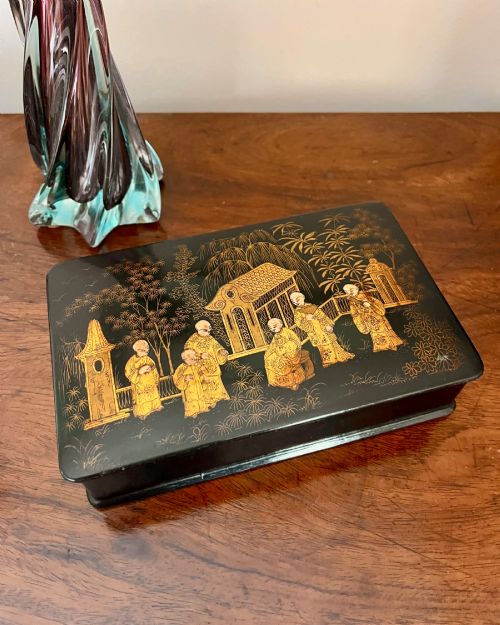
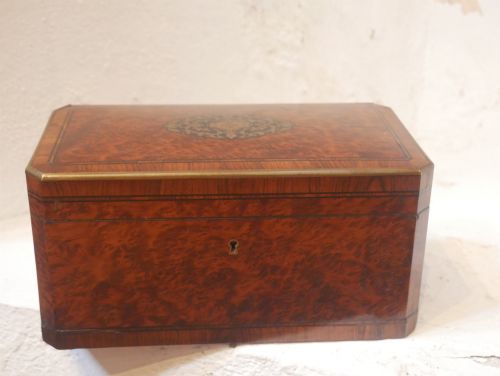
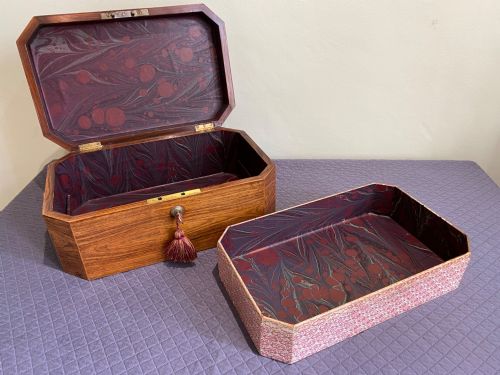
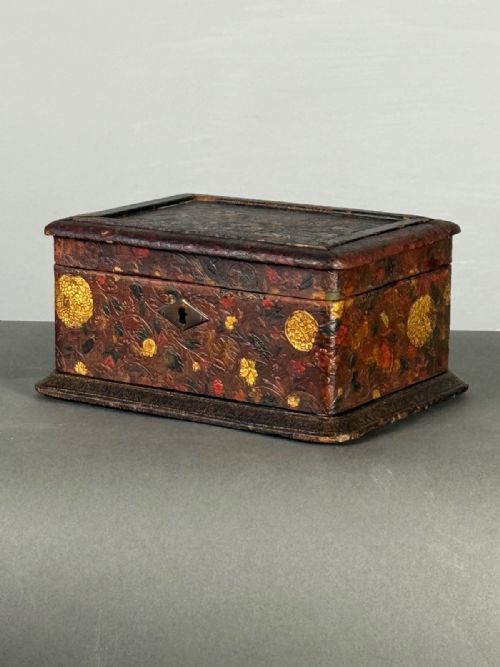
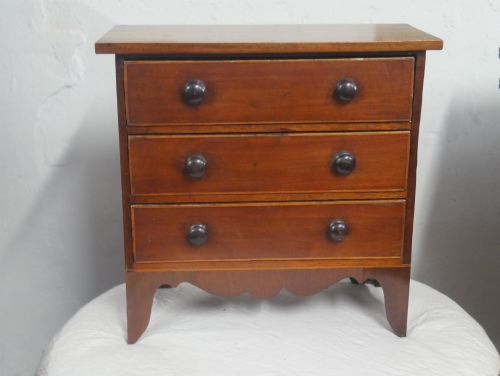
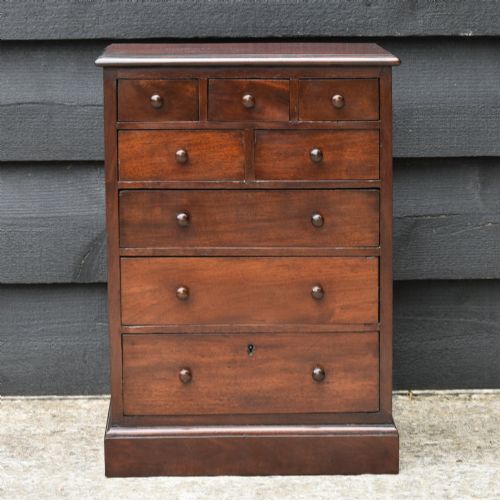
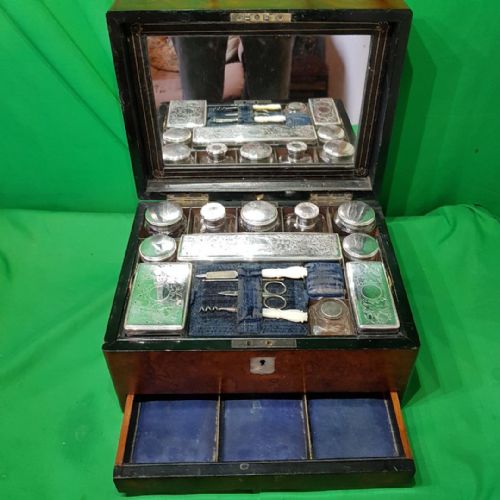
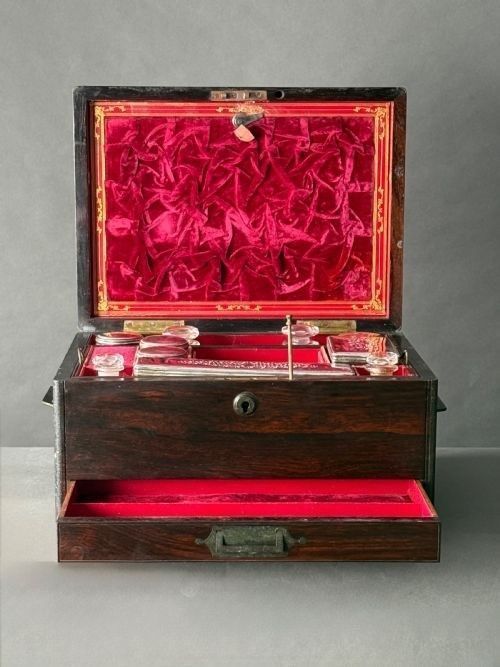
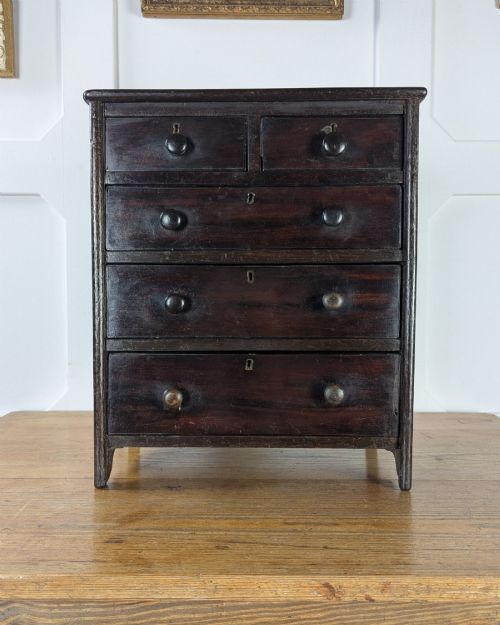
Wooden elements such as rosewood, mahogany, and burl veneer appeared frequently in accompanying caskets, while specialised techniques like intaglio carving and silver gilt work defined the jewellery itself.
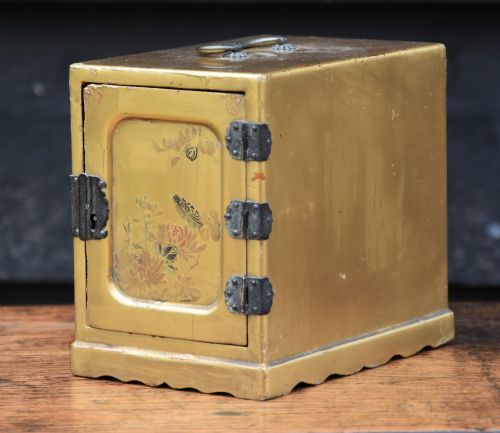
Artisans applied meticulous surface treatments, including enamel, lacquer, and intricate metal wirework, ensuring each piece displayed layered textural depth and structural integrity.
19th Century Jewellery Retail Price Guide 2026
Typical asking prices for 19th century jewellery among the pieces listed under this phrase on Sellingantiques today, from the lower quarter to the upper quarter. They describe what is for sale here now, not the wider market.
Several items double as miniature puzzle boxes, requiring secret sliding panels just to reach your favourite earrings.
Markers of distinction
Superior examples of 19th century jewellery exhibit exceptional precision in stone cutting, mosaic assembly, and metal engraving, where every element aligns harmoniously without excess adhesive or crude joints. The finesse of hand-carved details on intaglios or Etruscan revival goldwork separates standard workshop output from master production.
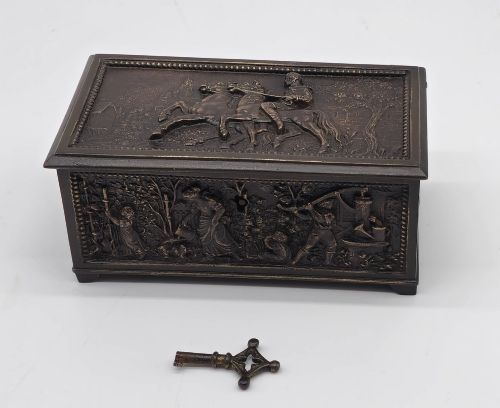
The integrity of the materials dictates longevity and visual impact, rewarding pieces that retain original patinas, untarnished silver gilt, and intact glass or stone elements. Integrated mechanisms, secure clasps, and well-preserved internal linings further elevate the standing of surviving items.
Tahan Paris·Susse Freres Paris·Edmund Nye·Toulmin And Gale·W And J Milne
The 19th Century Jewellery Glossary
- Micro mosaic
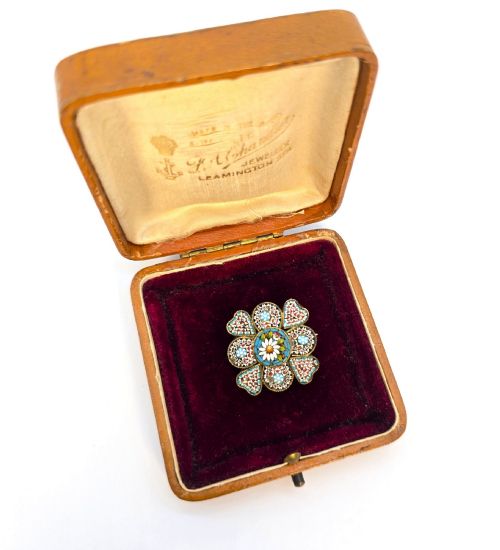
- Miniature artworks assembled from tiny coloured glass tesserae to form detailed pictorial scenes. These were popular souvenirs brought back by travellers on the Grand Tour.
- Intaglio
- A gem or stone carved with a sunken design, allowing it to produce a relief impression when pressed into wax. This technique was frequently utilised for gentlemen's signet rings.
- Etruscan Revival
- A nineteenth-century design movement inspired by ancient archaeological discoveries in Italy. It is characterised by granular goldwork and classical architectural motifs.
- Silver Gilt
- Silver that has been coated with a thin layer of gold through chemical or electrochemical processes. This provides the rich appearance of solid gold at a different weight and cost structure.
19th Century Jewellery: Frequently Asked Questions
What defines nineteenth-century jewellery?
This category encompasses personal ornaments and precious accessories created during the eighteen hundreds, embracing Victorian sentiments, classical revivals, and continental styles.
Items range from gold earrings set with turquoise to detailed micro mosaic bracelets and intaglio rings.
How were these items used originally?
Wearers utilised these pieces for daily personal adornment, social signaling, and commemorating significant life events such as courtships or mourning periods.
Jewellery was often stored within specialised wooden caskets or travelling cases lined with velvet and silk.
How should I care for antique pieces?
Preservation requires gentle handling, storing items away from direct sunlight, and avoiding harsh chemical cleaning agents that can damage delicate glass or bonded stones.
Soft cloths and dry storage environments help maintain the original patinas of both metal settings and organic inlays.
How can I identify different periods?
Dating relies on examining hallmarks, material choices, fastening mechanisms, and stylistic clues that correspond to known artistic movements of the era.
Shifts from early century Regency designs to late Victorian revvers provide reliable chronological markers.