
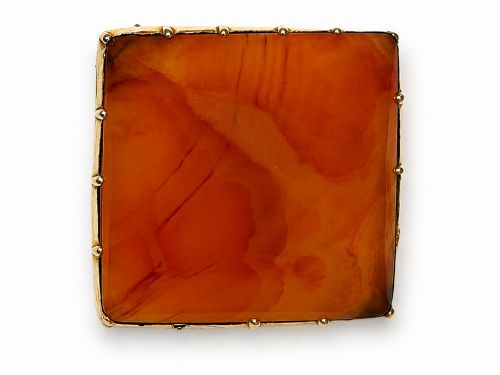
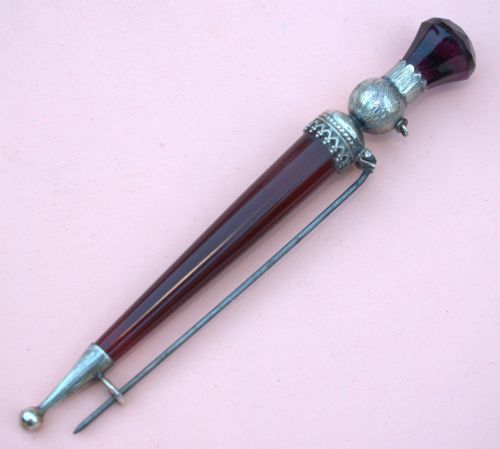


Antique Scottish Brooch
When buying an antique scottish brooch, you are acquiring a piece of regional heritage crafted during the Victorian revival of Highland traditions.
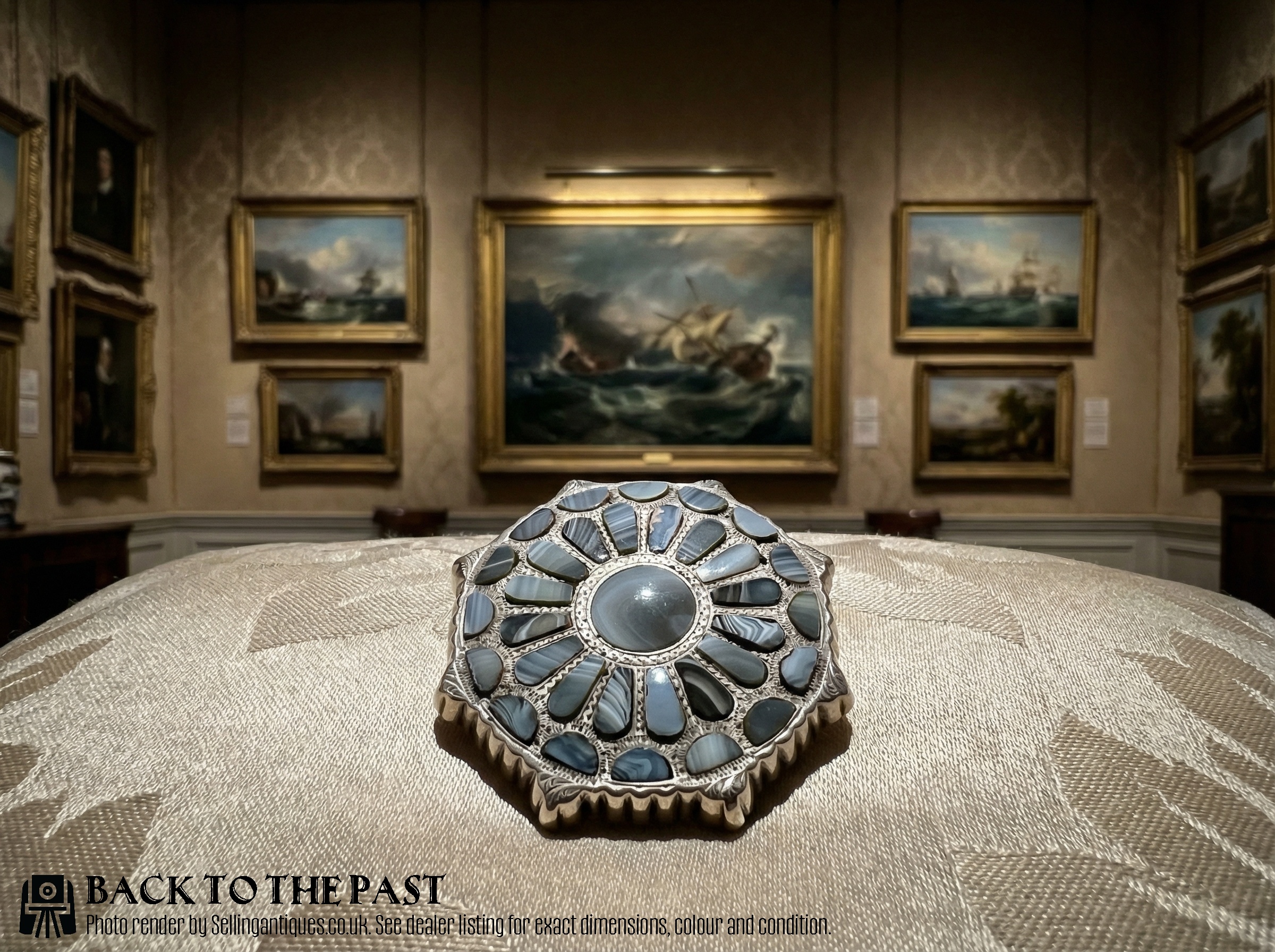
Antique Scottish Brooch
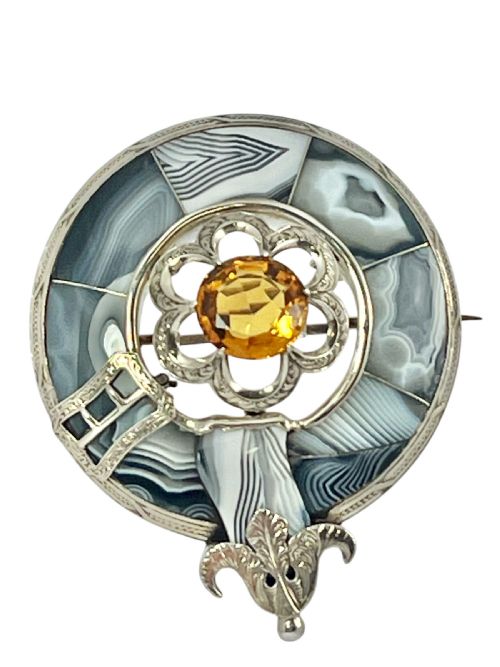
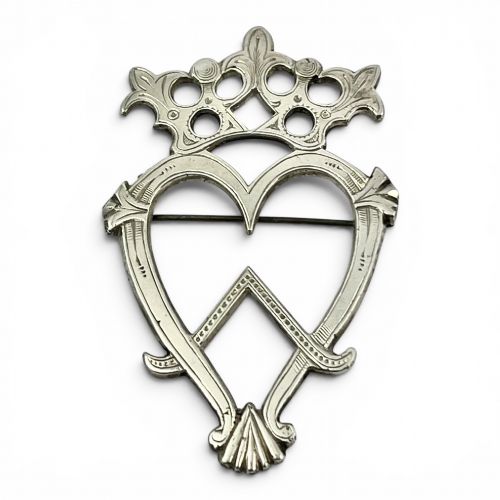
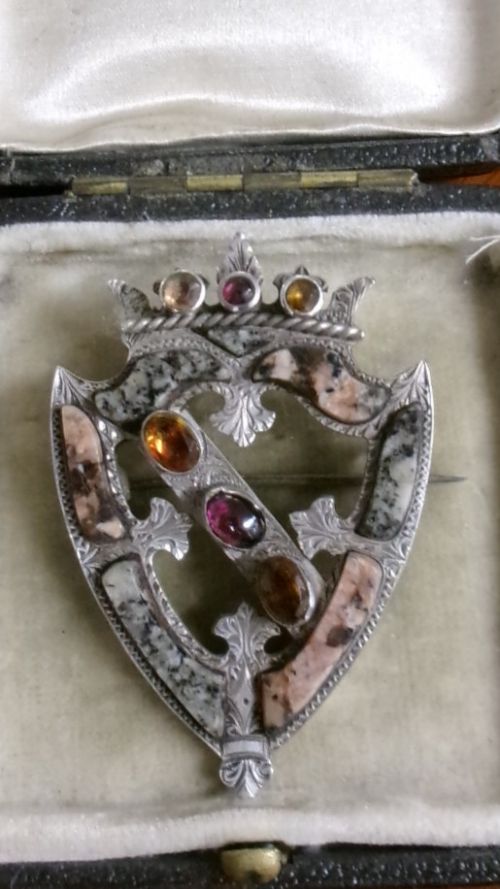
An antique scottish brooch encompasses traditional regional forms such as dirks, broadswords, shields, and plaid brooches rooted in nineteenth-century Highland revivalism. These pieces frequently appear in silver or gold, designed to secure heavy woollens or adorn traditional dress.
The most common examples on this page date from the Victorian period, particularly between 1860 and 1880, reflecting Queen Victoria's fascination with Balmoral and Scottish culture. Collectors also encounter earlier Georgian specimens alongside later Edwardian interpretations.
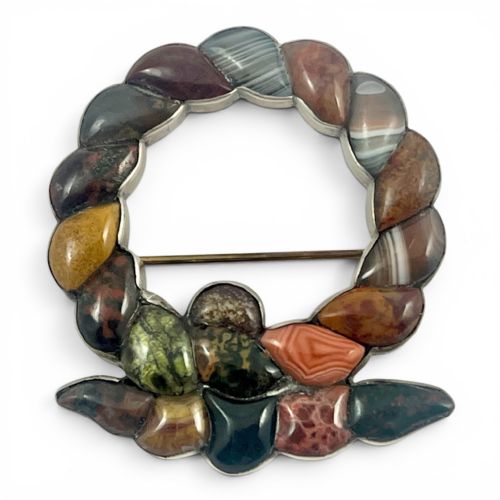
Makers working in provincial centres like Inverness produced distinct regional variations, often incorporating local hardstones gathered from Scottish rivers and hillsides into intricate Celtic silver settings.
Materials and Techniques
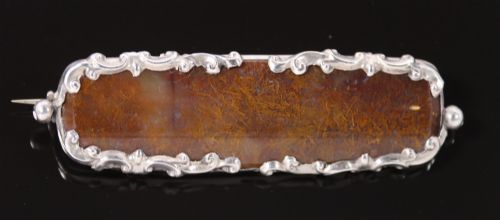
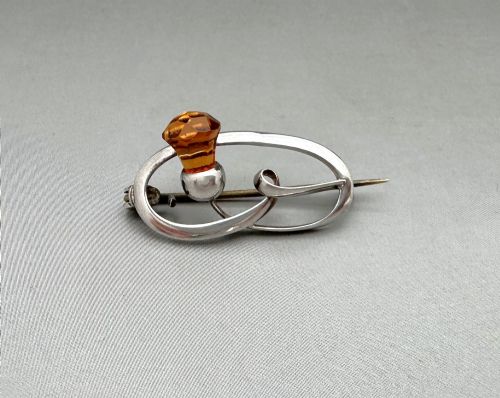
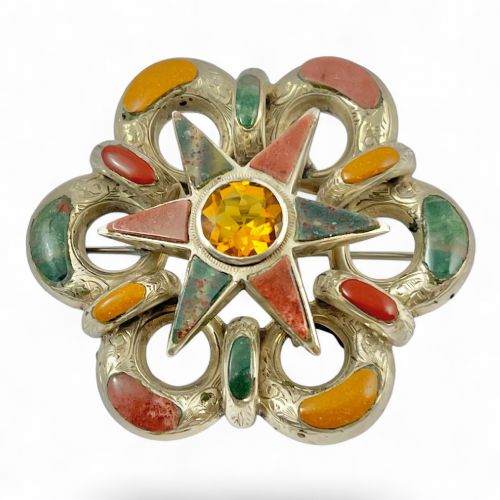
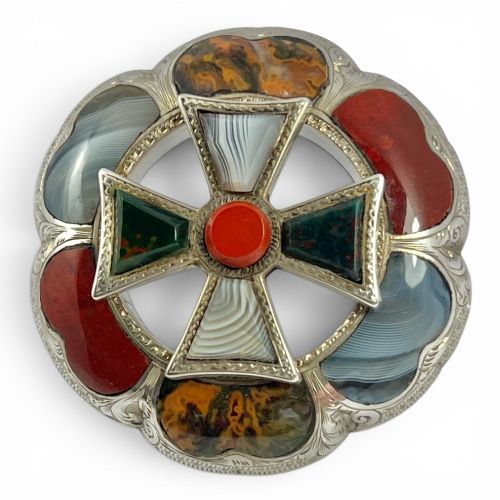
Silversmiths set local minerals including moss agate, jasper, bloodstone, malachite, and cairngorm citrines directly into solid silver or gold mounts. Stones were meticulously cut, polished, and arranged in geometric patterns or floral motifs such as thistles.
Metalsmiths employed chased and engraved work alongside braided wire techniques to construct heavy shields, swords, and dirks. Provincial workshops utilised traditional casting and hand-setting methods without modern machinery.
Antique Scottish Brooch Retail Price Guide 2026
Typical asking prices for scottish brooch among the pieces listed under this phrase on Sellingantiques today, from the lower quarter to the upper quarter. They describe what is for sale here now, not the wider market.
Materials recur consistently across categories, pairing banded agates and jaspers with citrines and cairngorms.
Assessing the Workmanship
Quality rests upon the stone-cutter's skill in revealing natural patterns within the agate and jasper, coupled with the silversmith's precision in bezel-setting and engraving. Heavier, multi-stone specimens with integrated chains or multiple gem varieties represent superior output.
The complexity of the metalwork, such as pierced Celtic knots or multi-part dirk designs with functioning miniature hilts, distinguishes masterwork pieces from simpler tourist-grade souvenirs.
Charles Horner
The Antique Scottish Brooch Glossary
- Agate
- A variety of chalcedony showing coloured bands or moss-like inclusions. These stones form the foundation of most nineteenth-century highland jewellery.
- Dirk
- A traditional Scottish dagger shape adapted into a brooch or kilt pin. These pieces often feature miniature hilts set with citrines or cairngorms.
- Cairngorm
- A yellow or brown variety of quartz found in the Scottish mountains. Makers frequently utilised large faceted cairngorms as central stones in plaid brooches.
- Plaid brooch
- A large circular fastening designed to secure a highland plaid or heavy shawl over the shoulder. They typically measure significantly larger than standard dress brooches.
- Montrose agate
- Specific banded chalcedony varieties associated with the coastal area of Montrose. These stones display distinct coloration prized by regional lapidaries.
Antique Scottish Brooch: Frequently Asked Questions
How were antique scottish brooches worn?
Victorian wearers pinned these substantial ornaments onto heavy tartan plaids, shawls, and heavy woollen jackets as functional fasteners and decorative statements. Gentlemen and ladies alike utilised large shield and dirk forms to secure Highland attire during the height of the Victorian revival.
Today, collectors pin them to modern coats, scarves, and structured knitwear. Their substantial weight requires sturdy fabrics to support the piece securely.
What is Montrose agate?
Montrose agate refers to distinct banded chalcedony sourced and polished in northeast Scotland. Lapidaries cut these local stones to showcase natural concentric rings and colour variations within silver mounts.
These specific agates help identify regional Scottish workmanship from the mid to late nineteenth century. Their distinctive patterns set them apart from imported gemstones of the same era.
How do I date an antique scottish brooch?
Dating relies on material combinations, hallmark stamps where present, and stylistic cues from the Victorian and Edwardian periods. Pieces featuring extensive Cairngorm citrines and heavy pebble work generally cluster around the 1860 to 1880 decades.
Later Edwardian examples often feature lighter silver mountings and refined Celtic revival motifs. Provincial town marks can also narrow down the exact decade of manufacture.
Are these brooches solid silver?
Most examples utilise sterling silver or unmarked provincial silver native to Scottish workshops of the period. Gold mountings appear less frequently, usually reserved for higher-end bracelet and brooch suites.
Makers prioritized heavy metal gauges to support the dense weight of multiple hardstones. Testing reveals consistent use of traditional precious metals throughout the Victorian era.