

Edwardian Silver Pin
When gathering an edwardian silver pin, you hold domestic history in your palm through miniature figural sculptures and delicate dress fasteners.

Edwardian Silver Pin
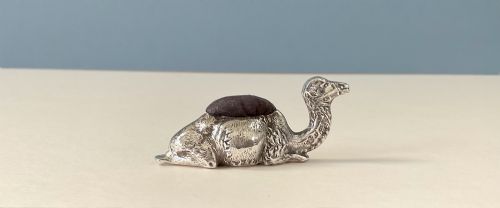
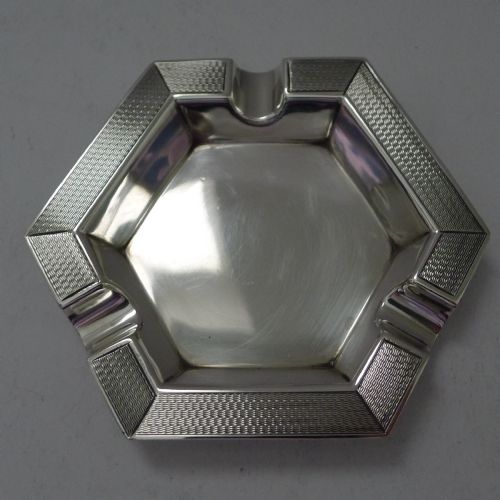
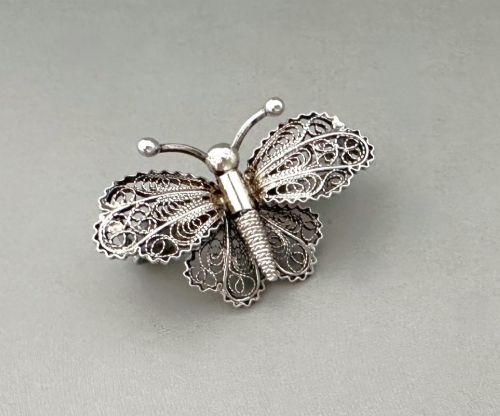
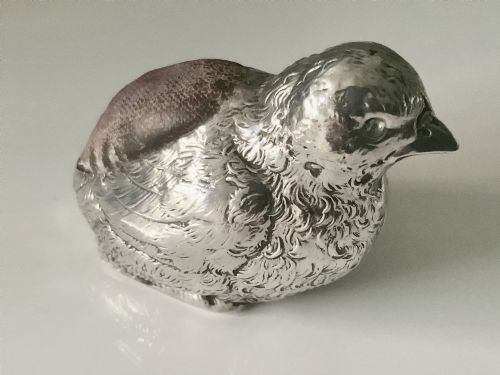
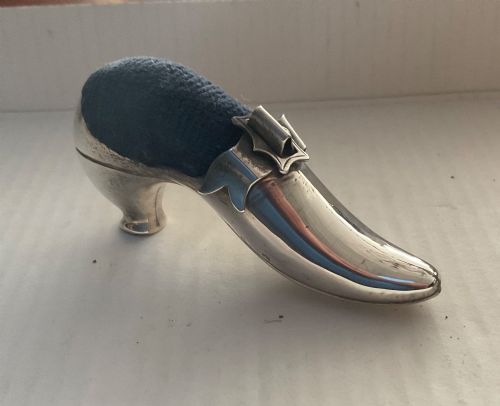
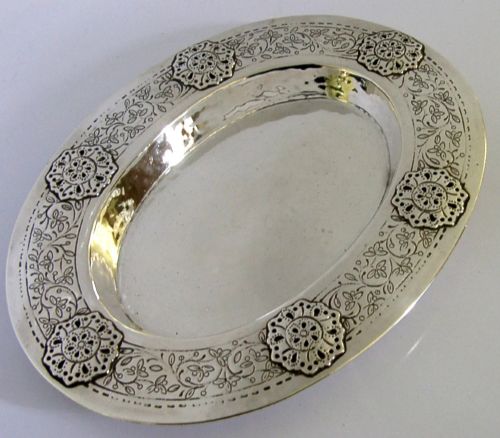
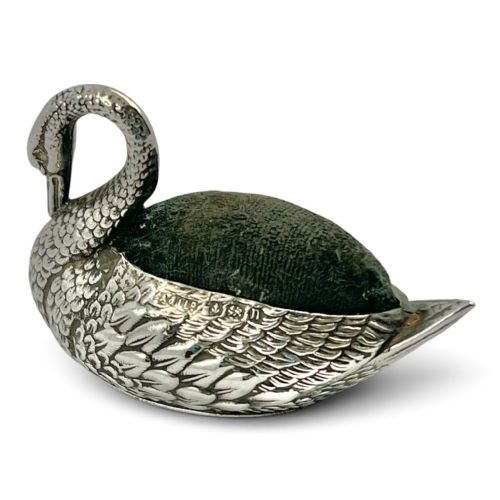
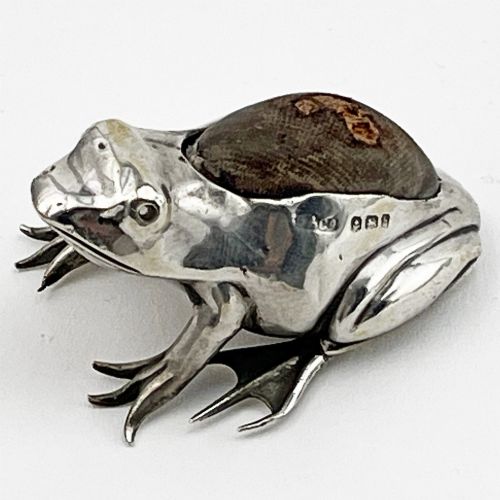
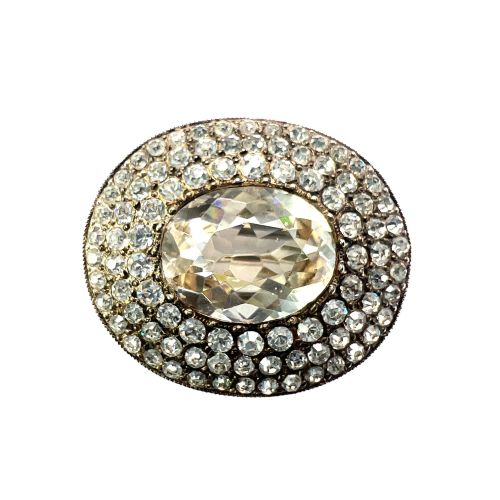
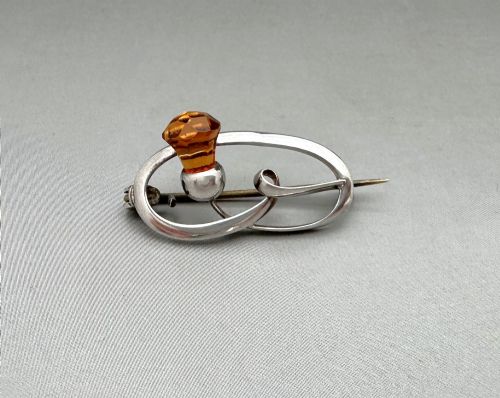
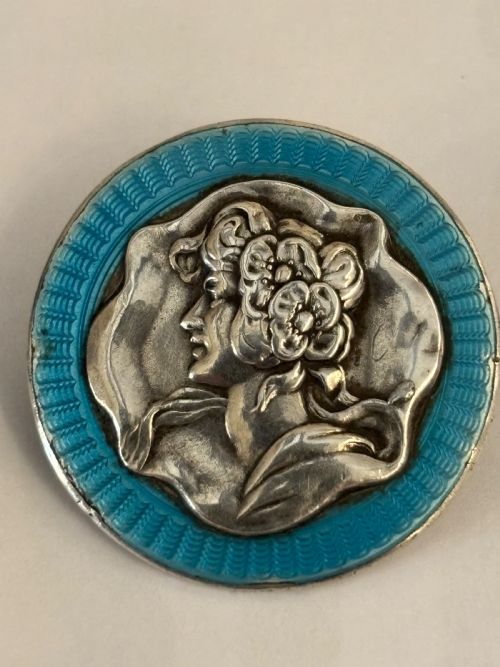
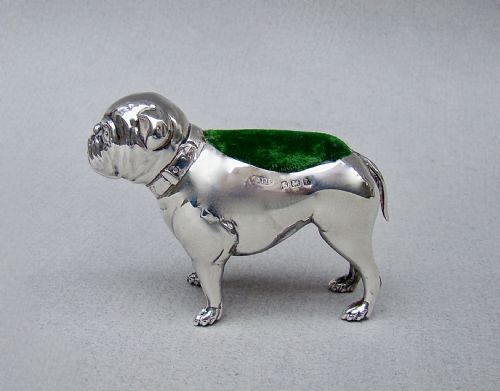
The edwardian silver pin category encompasses a diverse array of small functional items, most notably figural pin cushions modelled as animals alongside decorative brooches and hat pins. Domestic creatures such as pigs, ducks, frogs, and elephants appear frequently, formed with surprising anatomical detail to house sewing pins on velvet inserts. Alongside these figural pieces, buyers encounter dress accessories and ornamental dishes created during the early twentieth century.
The selection reflects both the playful novelty tastes of the period and the clean lines of contemporaneous design movements. Alongside literal representations of animals and footwear, items emerge bearing the characteristic flora and fauna motifs of the Art Nouveau and Arts and Crafts styles. Pieces span the decades around nineteen hundred, capturing a prolific era of British silver manufacturing centred in Birmingham and Chester.
Judges of quality
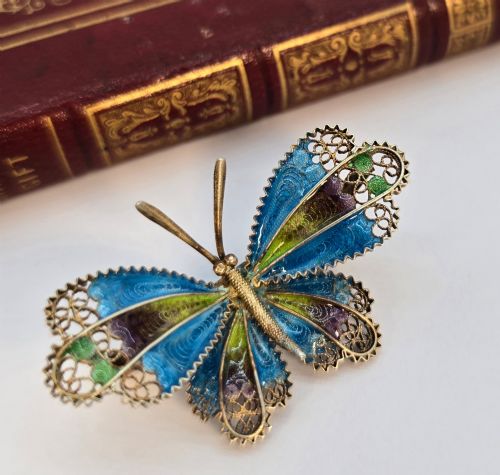
The integrity of the original velvet insert and the survival of delicate enamel or gemstone settings influence the desirability of a piece. Hallmarks stamped clearly by recognised makers indicate standard metal purity and workshop provenance.
Silversmiths turned humble farmyard animals into luxury dressing table companions by casting pigs, frogs, and hedgehogs in solid silver.
Adie & Lovekin·Sampson Mordan·Charles Horner·William Neale·Mappin & Webb
The Edwardian Silver Pin Glossary
- Sterling silver
- A standard alloy consisting of ninety-two point five percent silver by mass, with the remainder composed of other metals usually copper. This alloy provides the durable foundation for Edwardian novelty items and dress ornaments.
- Repoussé
- A metalworking technique where the smith pushes the metal out from the reverse side by hammering, creating a raised design on the front. Artisans used this method to decorate trays and trinket dishes with floral motifs.
- Guilloche enamel
- Decorative enamel applied over a mechanically engraved metal background that shows a geometric pattern through the translucent glaze. This technique frequently appears on early twentieth-century brooches and vanity pieces.
- Silver gilt
- Sterling silver that has been coated with a thin layer of gold on its surface. This treatment offers a rich golden appearance while retaining the underlying structure of silver.
Edwardian Silver Pin: Frequently Asked Questions
What were figural pin cushions used for?
Victorians and Edwardians kept these small silver animals on dressing tables and sewing desks to hold common pins ready for tailoring or daily dress adjustments.
The integrated velvet pads protected needle points while turning functional sewing equipment into charming miniature ornaments.
How do I identify an Edwardian hallmark?
British hallmarks typically include a standard mark for silver purity such as the lion passant, a town mark indicating the assay office like the anchor for Birmingham, and a date letter.
Matching the specific letter shape against official assay office tables reveals the exact year the item passed through the hall.
Are hat pins different from brooches?
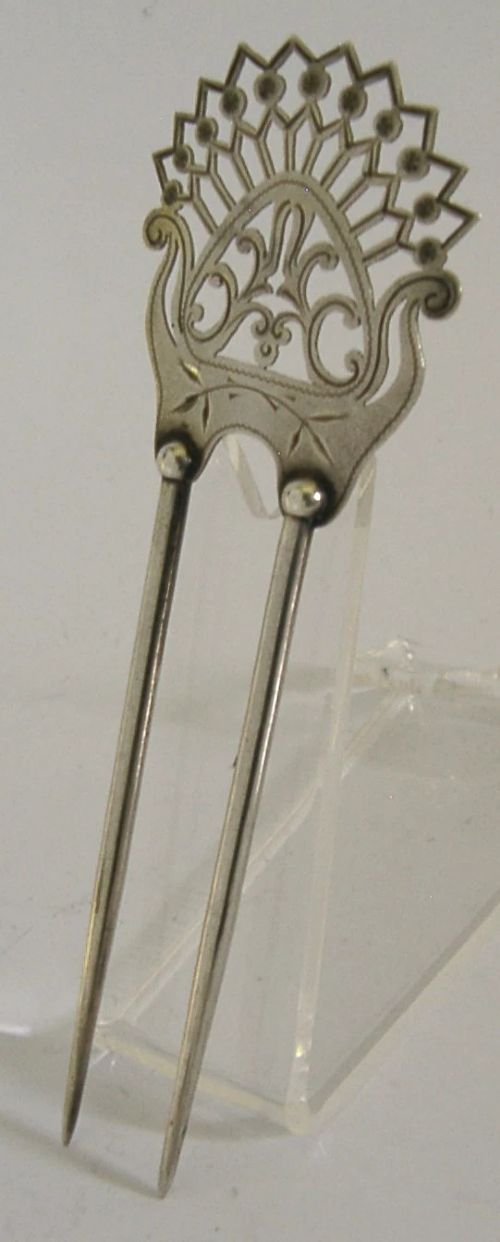
Hat pins feature long decorative shafts designed to secure wide-brimmed Edwardian hats through heavy hair coils, whereas brooches fasten directly to garments using a hinged pin and catch.
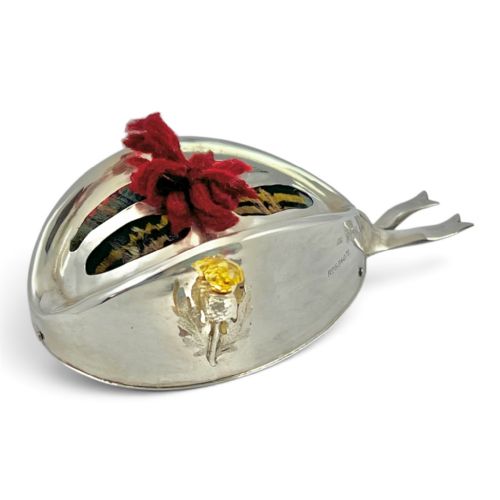
Both items frequently share similar artistic motifs like thistles or enamel flowers.
How should I care for antique silver?
Preserving the surface requires gentle cleaning with a soft cloth to remove dust without stripping the accumulated patina from recessed areas of the silver.
Harsh chemical dips and abrasive polishes should be avoided, particularly on pieces containing delicate velvet cushions or enamel work.