




Charles Horner Jewellery
Charles Horner jewellery brings together distinct Edwardian forms and Art Nouveau lines that collectors prize for their crisp silver work and enamel.
Charles Horner jewellery
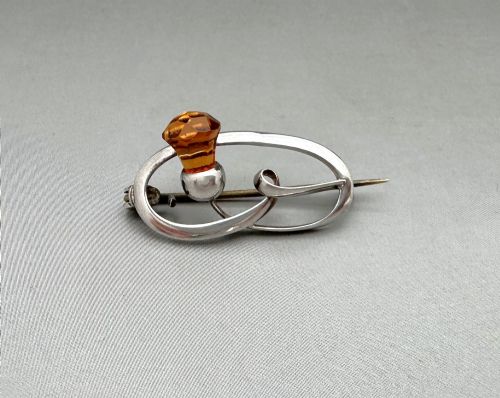
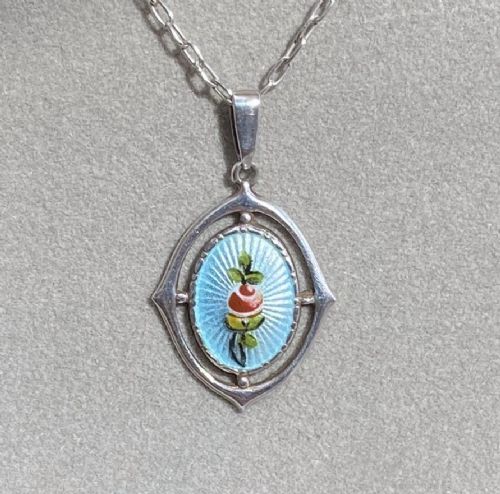
Charles Horner jewellery spans distinctive Edwardian brooches, hat pins, and pendants created around the turn of the twentieth century. These pieces showcase the signature aesthetic of the maker through characteristic forms such as thistles, golf clubs, and shield-shaped pendants.
The pieces available on this page represent the periods of nineteen hundred and nineteen ten, capturing the transition from ornate floral motifs to geometric stylisation. Buyers encounter silver work paired with materials like amber glass and enamel within these specific designs.
Brooches, pins, and pendants form the primary object types associated with this search phrase. Each item reflects the applied arts output typical of British silver workshops from this era.
Materials and construction
Makers utilised sterling silver and standard silver as the structural base for these items, shaping them into detailed botanical and symbolic forms. Steel also appears in the physical construction of specific functional components like pins.
Enamel and amber glass provide decorative colour accents set within the silver frameworks. These vitreous and glassy materials are fused or mounted directly into the metal body of the jewels to create contrasting visual depth.
Golf enthusiasts can secure their headwear with a solid silver golf club hat pin.
Judgements of quality
Quality rests in the crispness of the silver casting and the precision with which enamel or amber glass is set into the frame. Superior examples maintain intact surface details on intricate motifs like thistles or shields without softening of the edges.
The harmony between the metalwork and the supplementary materials dictates the overall success of the piece. Well-executed items display clean integration of glass and enamel that enhances the underlying silver design.
The Charles Horner Jewellery Glossary
- Sterling silver
- A silver alloy containing ninety-two point five percent pure silver by mass, chosen for its durability in wearable items. This metal forms the primary structural material for the recorded pieces.
- Enamel
- A glassy substance fused to the surface of metal through firing for decoration and colour. It provides vibrant tones in pendants and brooches.
- Hat pin
- A long pin used to secure women's hats to their hair, featuring an ornamental head. These items often showcase miniature sculptural designs.
- Art Nouveau
- An international style of art and architecture most popular during the late nineteenth and early twentieth centuries. It is characterised by fluid, organic lines and floral motifs seen in pendants from nineteen hundred.
Frequently Asked Questions
What is Charles Horner jewellery?
Charles Horner jewellery comprises silver accessories and pendants produced by the English maker during the Edwardian and Art Nouveau periods. The items include wearable objects such as brooches and hat pins.
These pieces reflect the design tendencies of nineteen hundred and nineteen ten, focusing on botanical themes and shield shapes.
How do I date Charles Horner pieces?
Dating relies on stylistic markers associated with the Art Nouveau and Edwardian eras alongside specific silver hallmarks stamped into the metal. Pieces from nineteen hundred often display fluid organic lines, while those from nineteen ten show varied thematic forms.
Examining the integration of enamel and amber glass also helps contextualise the production period.
How were these items used?
Hat pins served a practical purpose in securing heavy Edwardian hats to elaborate hairstyles while doubling as decorative ornaments. Brooches and pendants were worn pinned to garments or suspended around the neck.
These accessories combined functional utility with the artistic sensibilities of the early twentieth century.
What materials are typical?
Silver and sterling silver dominate the physical construction of these jewels, providing a durable foundation for detailed work. Supplementary elements include enamel and amber glass for colour, alongside steel for pin stems.
These materials work together to create the distinctive appearance characteristic of the maker's output.