



Antique Butterfly Pin
These antique butterfly pin examples span Victorian multi-gem creations to 1930s enamel work, offering collectors intricate insect forms crafted in precious metals.
Antique Butterfly Pin
An antique butterfly pin encompasses wearable brooches and hatpins shaped like the insect, appearing across periods from the nineteenth century into the twentieth. Buyers hunting for an antique butterfly pin encounter diverse interpretations, from early Victorian gemstone pieces to geometric Art Deco silver and enamel versions.
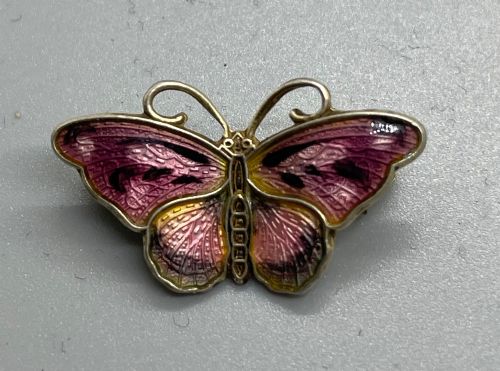
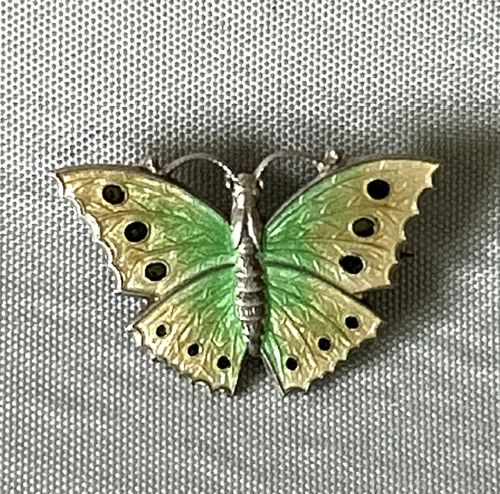
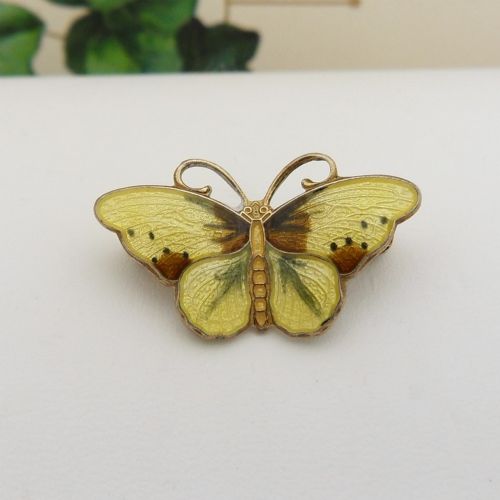
The selection on this page demonstrates how makers captured the insect form through different eras. Victorian examples frequently utilise diamonds, emeralds, sapphires and gold, whilst later 1920s and 1930s pieces lean towards sterling silver, guilloche enamel and butterfly wing materials.
Materials and construction methods
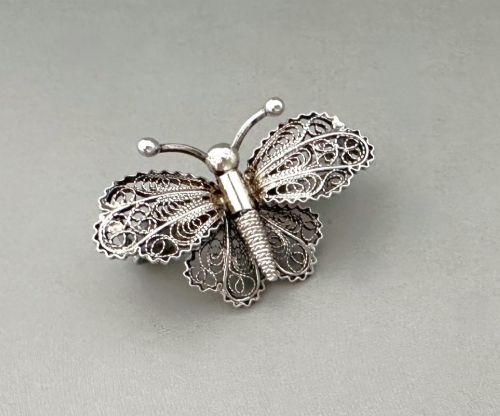
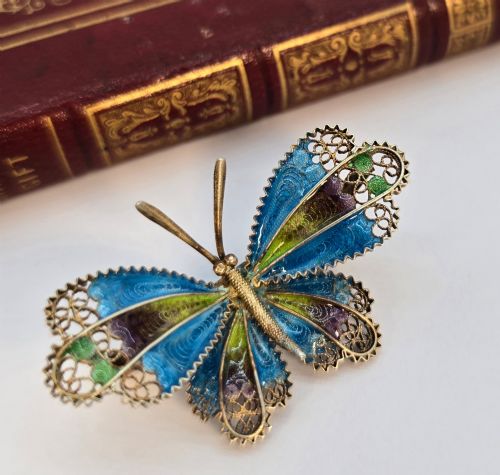
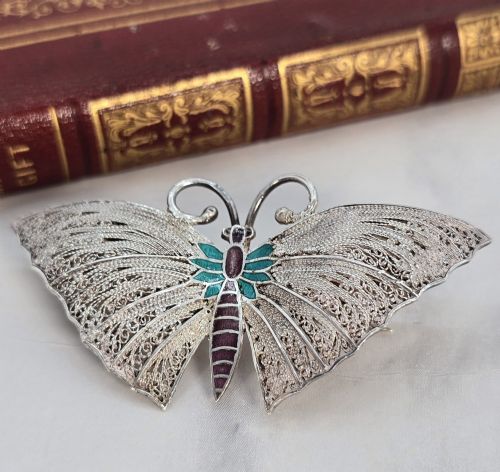
The creation of these jewels relies on traditional metalworking techniques such as silver filigree, silver gilt and structural gold settings. Makers shaped sterling silver and yellow gold into delicate wire frameworks to outline the wings and bodies of the insects.
Colour and texture enter the designs through fired enamel, guilloche patterns, and natural elements like butterfly wing panels. High-end Victorian iterations incorporate precision-cut diamonds, sapphires and emeralds mounted directly into gold bases.
The listings span multiple decades from the 1800s through the 1930s, featuring silver, gold, enamel, diamonds and butterfly wing materials.
Distinctions in quality and execution
Quality rests upon the fineness of the metalwork and the precision applied to decorative surfaces. Pieces featuring meticulous silver filigree work or hand-applied guilloche enamel demonstrate higher artisan skill than simpler stamped metal variations.
Gemstone selection and setting integrity further separate standard pieces from exceptional ones. Multi-gem Victorian examples rely on the clarity and cut of diamonds, sapphires and emeralds, alongside secure claw or flush settings.
Barr, Flight and Barr·Rene Lalique
The Antique Butterfly Pin Glossary
- Silver Gilt
- Silver that has been coated with a thin layer of gold. This technique provides the rich appearance of gold whilst utilising a silver base structure.
- Guilloche Enamel
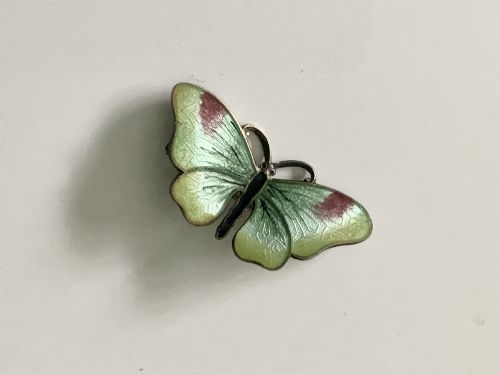
- Enamel applied over metal that has been machined with an intricate geometric pattern. The underlying engraving shows through translucent coloured enamel layers.
- Silver Filigree
- Fine wire, typically silver, twisted and soldered into openwork lace patterns. This delicate technique forms the intricate wing structures seen in many insect brooches.
- Butterfly Wing
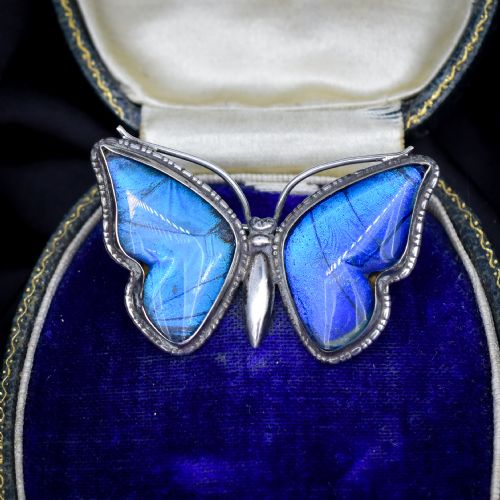
- Natural butterfly wing panels preserved beneath a protective bevelled glass cover. This technique gained popularity during the early twentieth century for decorative jewellery.
Antique Butterfly Pin: Frequently Asked Questions
How do I date my butterfly pin?
Dating relies on identifying materials, hallmarks and stylistic markers specific to eras like the Victorian period or the 1930s. Gold purity marks, silver stamps and construction techniques reveal the manufacturing period.
Victorian pieces often use heavy gold settings and precious gems, whereas 1920s and 1930s examples favour sterling silver, guilloche enamel and butterfly wing materials.
Were these always worn as brooches?
Most surviving insect pieces function as brooches or jacket pins, though variations exist. Hatpins and convertible brooch pendants also appear within historical selections.
Convertible pieces feature hidden loops to accommodate chains, allowing the insect to transition between a breast pin and a pendant necklace.
How should I clean enamel pins?
Enamel surfaces require gentle maintenance to preserve the coloured glass glaze and underlying metalwork. Soft dry cloths remove surface dust effectively without risking abrasion.
Liquid immersion and harsh chemical dips risk damaging fragile enamel layers, glued components and natural wing panels beneath glass covers.
What metals are used in these?
Makers utilised a spectrum of precious metals depending on the period of production. Nineteenth-century examples often employ yellow gold, whilst twentieth-century pieces rely heavily on sterling silver and silver gilt.
Gold purity ranges from nine to fifteen carats in the earlier gemstone settings, paired with silver or platinum accents to enhance diamond brilliance.