


Scottish Agate Pin
A Scottish agate pin is a piece of hardstone jewellery that brings Highland tradition to the lapel through natural banded stones.
Scottish Agate Pin
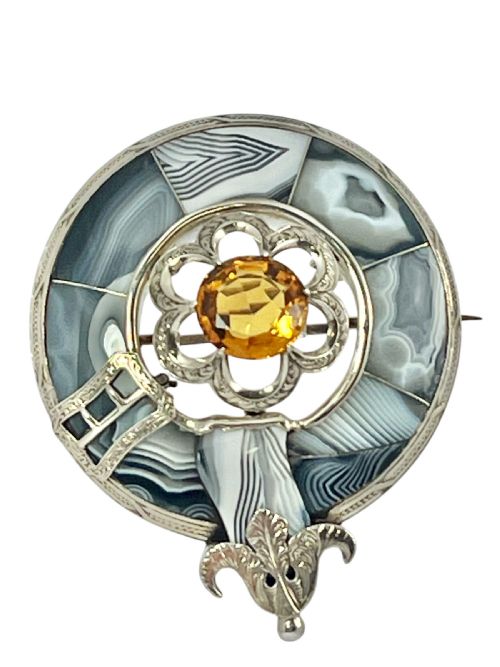
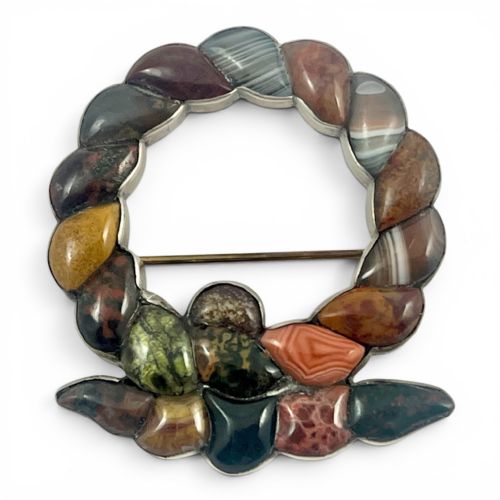
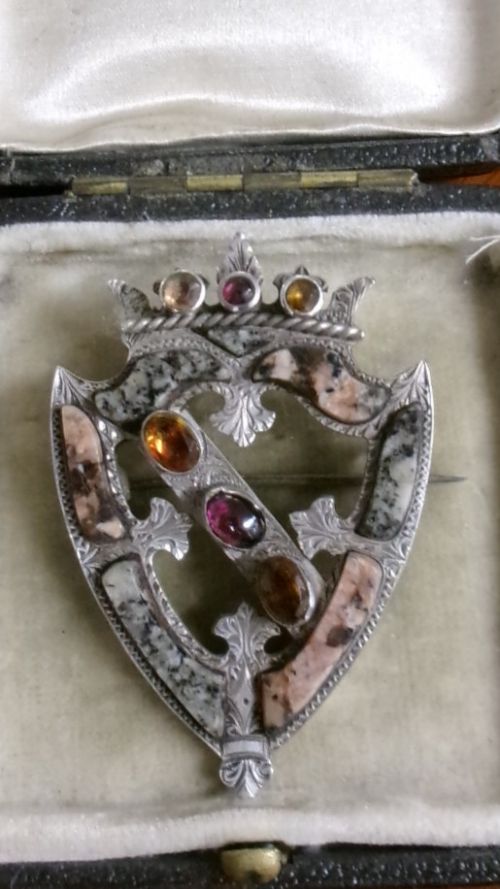
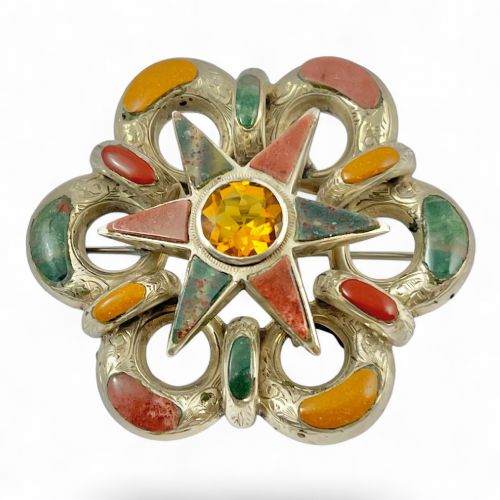
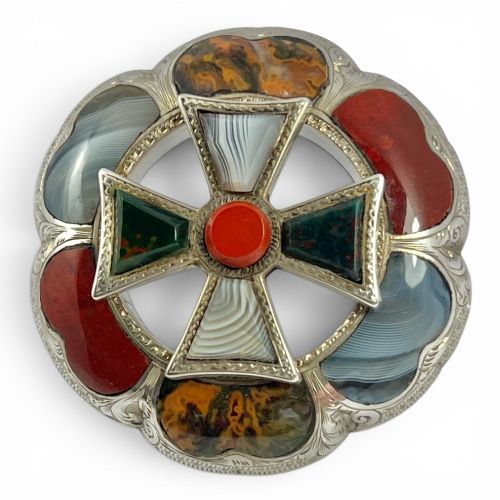
A Scottish agate pin sits firmly in the Victorian tradition of Highland revival jewellery, taking the form of brooches, kilt pins, and plaid fasteners. These pieces translate weapons, shields, and Celtic motifs into wearable silver ornaments set with patterned stones.
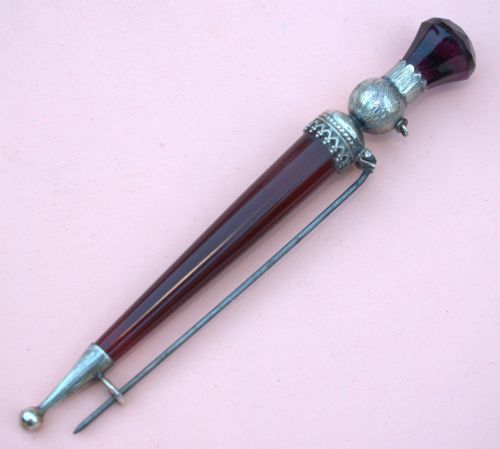
The most common survival on this page is the Victorian silver brooch, often dating from the middle decades of the nineteenth century. Alongside standard brooches, larger dirk pins and sword forms appear, reflecting the era's romantic fascination with Scottish material culture.
Materials and Construction
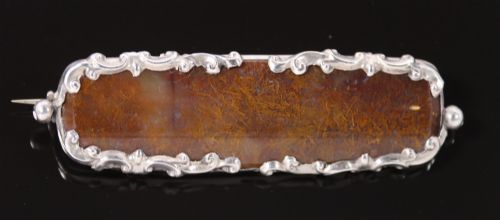
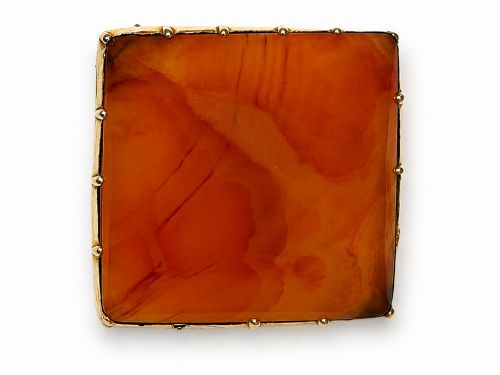
Silversmiths constructed these pins using solid silver or sterling settings to house multicoloured hardstones like bloodstone, jasper, and moss agate. Stones were carefully cut, polished, and fitted closely together to create geometric or naturalistic patterns within the metal framework.
Many examples incorporate central citrines or smoky quartz surrounded by circlets of banded pebble agates. Provincial workshops and larger city makers alike relied on secure bezel settings and pin mechanisms soldered directly to the reverse of the plate.
Scottish Agate Pin Retail Price Guide 2026
Typical asking prices for scottish agate pin among the pieces listed under this phrase on Sellingantiques today, from the lower quarter to the upper quarter. They describe what is for sale here now, not the wider market.
The listings here span from Georgian origins through the Victorian Scottish Revival up to the early twentieth century.
Quality Variations
The quality of a Scottish agate pin depends upon the stone-cutting skill and the complexity of the silver work. Finer specimens display tightly fitted hardstones with distinct natural banding, whereas simpler versions rely on larger, uniform slabs with less visual variation.
The architectural ambition of the metalwork also divides the range. Pieces shaped as broadswords, dirks, or intricate Celtic knots demand greater labour from the silversmith than standard circular or shield mounts.
Mappin and Webb
The Scottish Agate Pin Glossary
- Pebble brooch
- A piece of jewellery set with polished native hardstones rather than faceted gemstones. These stones were gathered locally and shaped by lapidaries.
- Dirk pin
- A fastening shaped like a traditional Highland dagger. These larger pins were designed to secure heavy plaid woollen garments.
- Hardstone
- An umbrella term for ornamental stones harder than turquoise, including agate, jasper, and bloodstone. They are cut and polished cabochon for jewellery settings.
- Citrine
- A yellow quartz variety frequently mounted alongside agates in Scottish silver brooches. It provides a warm contrast to the cooler greys and reds of the pebbles.
Scottish Agate Pin: Frequently Asked Questions
What is a Scottish agate pin?
A Scottish agate pin is a nineteenth-century silver brooch or fastener set with polished natural hardstones. These ornaments emerged during the Victorian Scottish Revival.
They draw inspiration from traditional Highland weaponry and motifs, translating dirks, broadswords, and shields into wearable silver and stone.
How were these pins used?
Victorians wore these pieces as everyday decorative brooches on jackets, shawls, and cravats. Larger versions served as functional kilt pins or plaid brooches.
Their substantial weight allowed them to anchor heavy wool fabrics securely while displaying regional geological specimens.
How do I date a Scottish agate pin?
Dating relies on stylistic clues, silver hallmarks where present, and the overall construction of the pin stem and hinge. Most pieces date from the Victorian period between 1850 and 1890.
Earlier Georgian examples appear occasionally, while larger kilt pins often extend into the early twentieth century.
How do I care for my pin?
Agate and jasper are durable hardstones, but the silver settings require gentle handling to preserve the metal. Store the piece away from moisture and avoid harsh chemical dips.
Clean the silver gently with a soft cloth and keep the stones free from cosmetic residue.