



Nineteenth Century Brooch
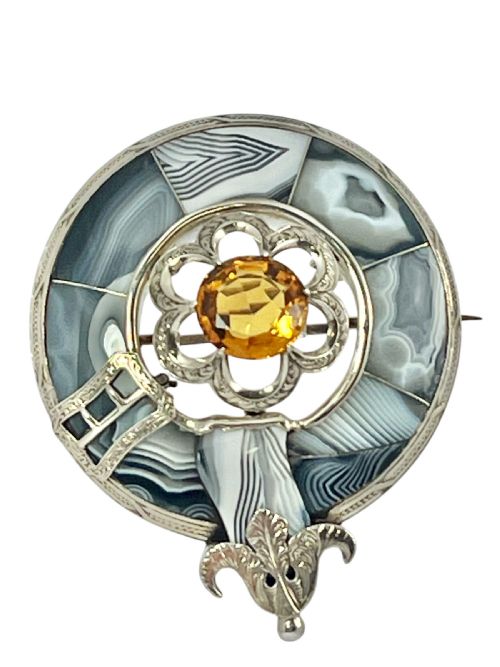
A nineteenth century brooch brings the distinct jewellery design of the Victorian era, set in silver and gold with diamonds and agate.
Nineteenth Century Brooch
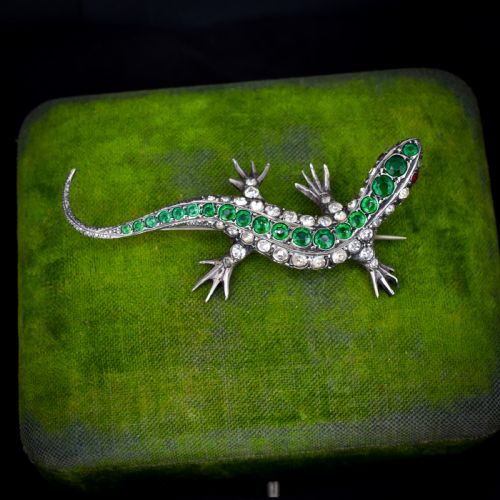
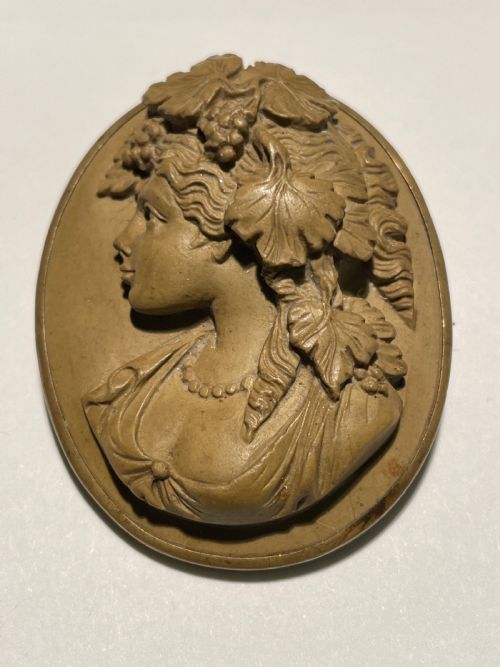
The pieces on this page span several specific styles including early Victorian mourning jewellery, Scottish agate work, and Italian Grand Tour lava cameos. These items showcase the varied aesthetic interests of the nineteenth century, moving from naturalistic motifs like lizards and stars to regional hardstone interpretations.
Many examples double as pendants or detach from tiaras, demonstrating the versatile jewellery engineering of the period. Collectors encounter both modest 9ct gold gemstone pieces and important diamond-set creations housed in original maker cases.
Materials and technique
Makers of the nineteenth century utilised yellow gold, 9ct gold, and silver to set precious and semi-precious stones. Metals were cast and fabricated to hold diamonds, citrine, peridot, amethyst, pearls, and coral securely.
Hardstones such as Montrose agate and tigers eye were cut and polished for regional Scottish pieces, while lava was carved for Italian Grand Tour cameos. Gemstones like old European cut diamonds were hand-set in silver-topped gold mounts to maximise their brilliance under candlelight.
Nineteenth Century Brooch Retail Price Guide 2026
Typical asking prices for nineteenth century brooch among the pieces listed under this phrase on Sellingantiques today, from the lower quarter to the upper quarter. They describe what is for sale here now, not the wider market.
Listings feature Victorian and 19th-century periods, utilising silver, gold, diamond, glass, agate, citrine, and paste materials.
Quality variations
Design complexity also defines the upper end of the range, seen in multi-tiered cluster settings, convertible mechanisms for tiaras, and intricate silver trellis work. Lesser examples rely on simpler settings of paste or standard regional stones with minimal structural articulation.
G. Colani
The Nineteenth Century Brooch Glossary
- Old European cut
- An early form of brilliant diamond cut characterised by a small table, high crown, and large culet, prevalent in nineteenth-century jewellery. This facet arrangement gives stones a distinct warm scintillation.
- Grand Tour
- A cultural journey undertaken by wealthy Europeans in the nineteenth century, bringing back souvenirs such as carved lava cameos. These items reflect classical art interests of the period.
- Mourning brooch
- A commemorative piece of jewellery worn to remember a deceased person, often incorporating hair, jet, or dark stones during the Victorian era. These objects served a deeply personal and solemn function.
- Paste
- Hand-cut lead glass used to imitate gemstones in antique jewellery. High-grade paste was faceted and foiled to catch the light effectively.
Nineteenth Century Brooch: Frequently Asked Questions
How do I wear a convertible nineteenth century brooch?
Many Victorian brooches feature hidden loops or screw fittings that allow them to detach from tiara frames or transition into pendants. You can pin them to lapels or suspend them from chains.
Ensure the pin stem and catch remain secure before wearing these antique pieces on heavier fabrics to prevent loss.
What materials are common in these brooches?
Silver and gold form the primary structural metals, often combined in silver-topped gold mounts designed to make diamonds appear whiter. Gemstones range from diamonds and peridots to citrine, amethyst, and pearls.
Regional variations introduce materials like Montrose agate, tigers eye, salmon coral, and carved lava.
How can I tell an early Victorian brooch from a later one?
Early Victorian pieces often lean towards sentimental or mourning themes, using closed-back settings and specific regional stones like Scottish agates. Later nineteenth-century examples frequently incorporate starburst motifs and open-back diamond settings.
Construction techniques evolved over the decades, moving from heavier hand-fabricated gold mounts to more refined silver-and-gold combinations.
How should I care for antique silver and gold jewellery?
Keep nineteenth-century pieces away from harsh chemical cleaners, ultrasonic baths, and direct contact with perfumes or cosmetics. Soft cloths remove surface dust without wearing down the delicate metalwork.
Store each brooch in a separate compartment or lined box to protect fragile stones like pearls, coral, and soft paste.