
Gold Diamond Pendant
A gold diamond pendant brings together centuries of goldsmithing and gemstone cutting into a single wearable piece of history.
Gold Diamond Pendant
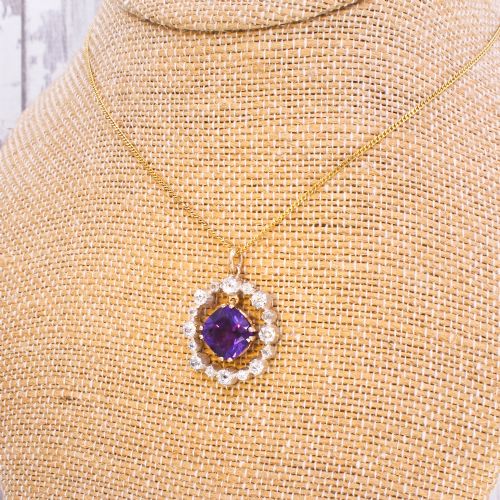
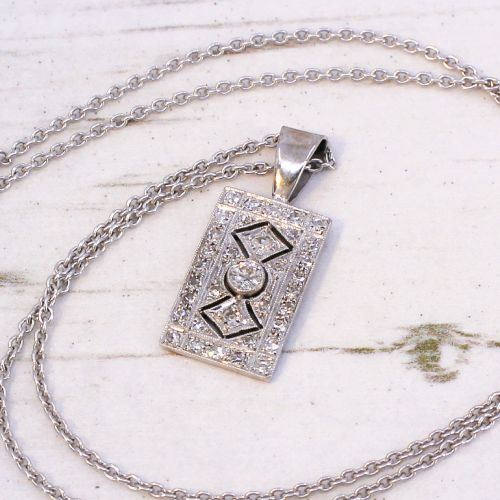
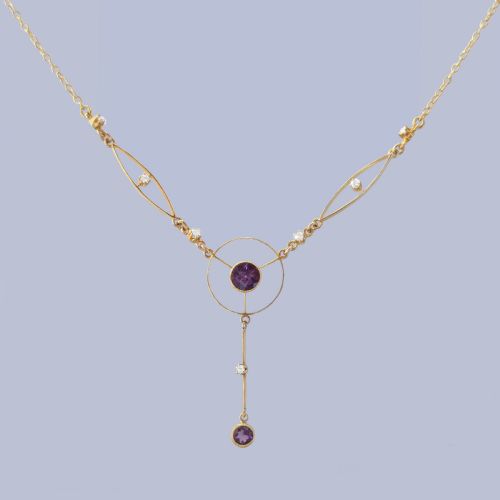
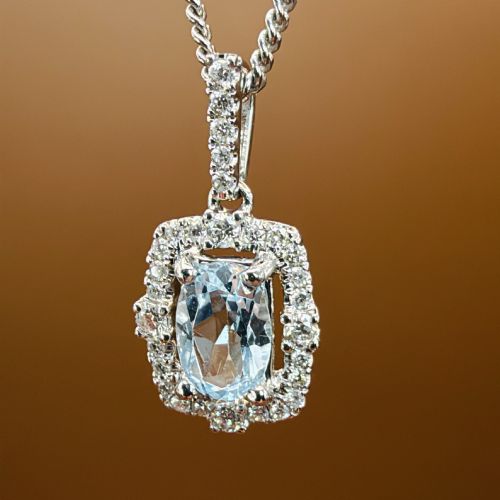
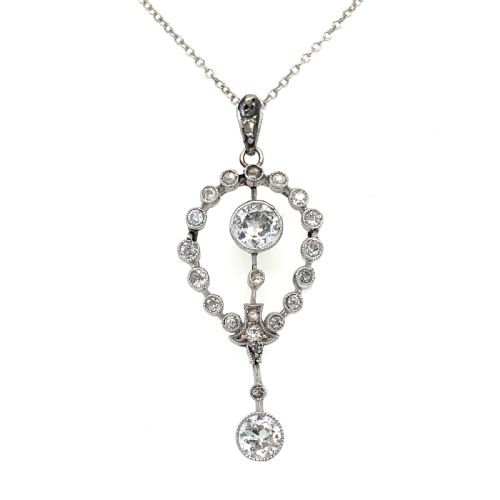
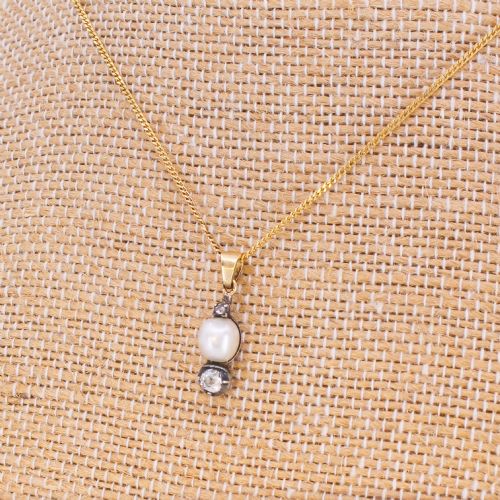
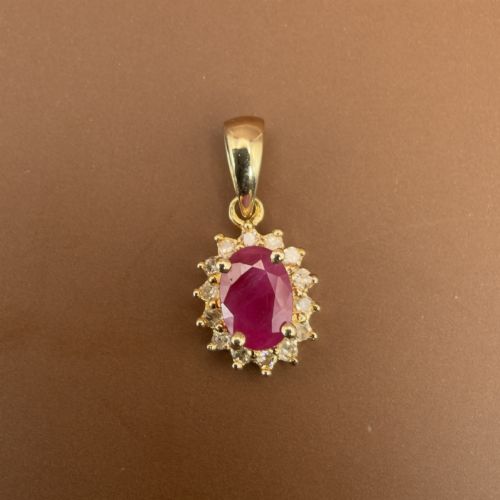
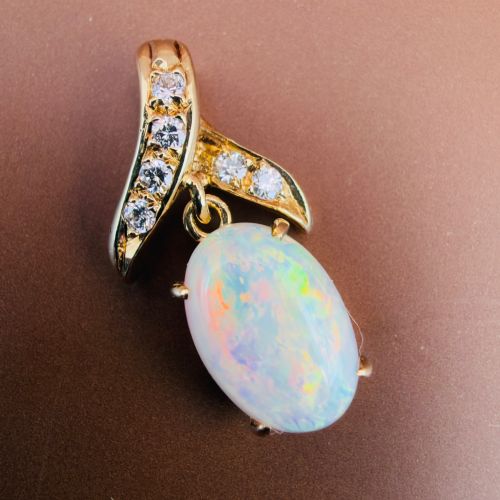
A gold diamond pendant is an ornamental drop suspended from a chain, combining precious metalwork with faceted or old cut stones. These items appear across multiple eras, spanning Victorian, Edwardian, and Art Deco designs through to mid-century modern pieces.
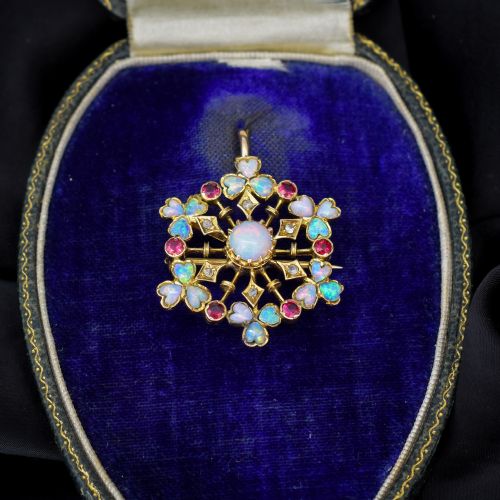
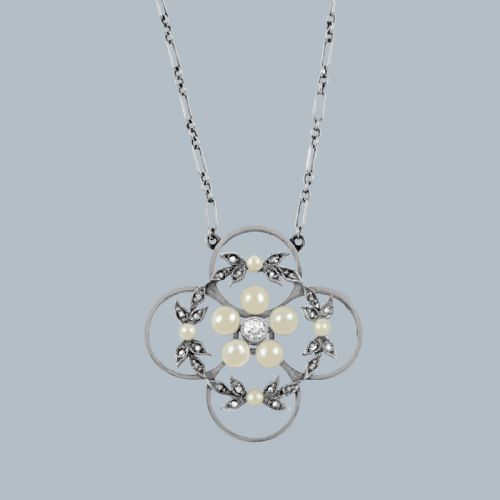
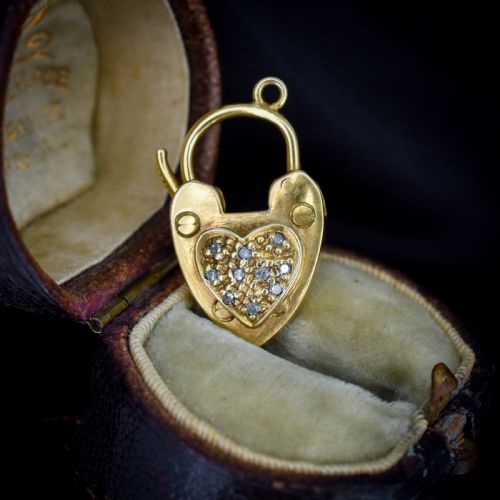
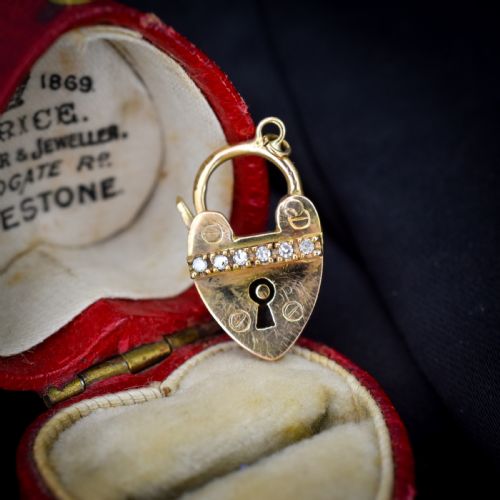
Buyers browsing this selection encounter various forms, including traditional cluster settings, symbolic heart padlocks, floral motifs, and convertible brooch pendants. The inventory reflects work from the nineteenth century up to the later decades of the twentieth century, utilising diverse gold purities and gemstone pairings.
Materials and Making Techniques
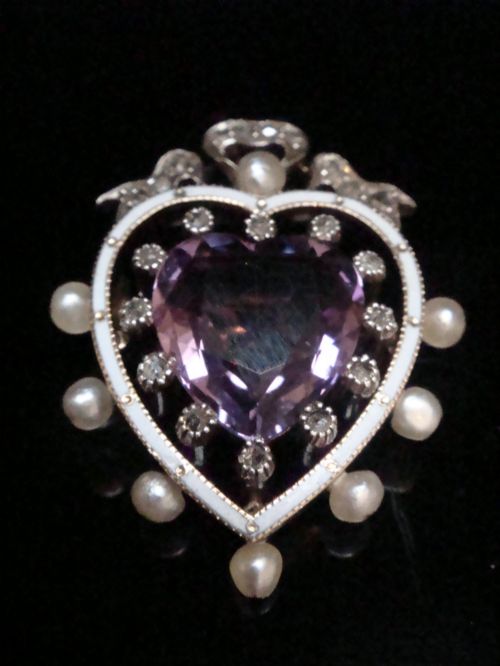
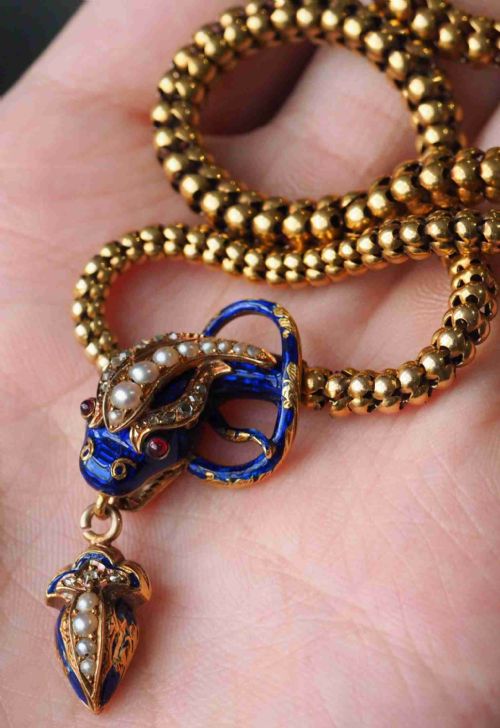
Goldsmiths constructed these pendants using yellow gold, rose gold, white gold, and platinum, often pairing them with supporting materials like silver, natural pearls, enamel, and coloured gems such as aquamarine, ruby, and opal. Metal purities range from nine carat up to eighteen carat, alongside platinum settings favoured for durability.
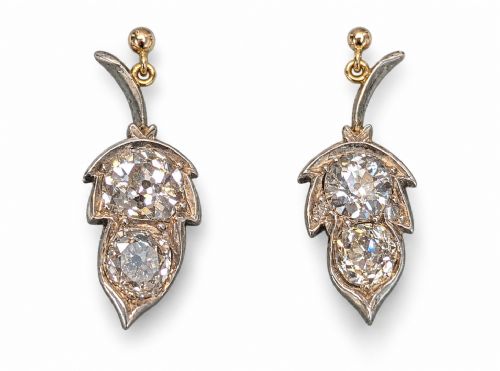
Maker techniques involve hand-cut diamonds - frequently old mine or old European cuts - secured in collet, bezel, or prong settings. Intricate detailing such as guilloche enamel, millegrain edges, and pierced gallery work demonstrate the artisanal standards of periods like the Edwardian era and the nineteen-thirties.
Gold Diamond Pendant Retail Price Guide 2026
Typical asking prices for gold diamond pendant among the pieces listed under this phrase on Sellingantiques today, from the lower quarter to the upper quarter. They describe what is for sale here now, not the wider market.
Listings feature yellow gold, white gold, platinum, and silver alongside diamonds, pearls, aquamarines, and opals across Victorian, Edwardian, and mid-century eras.
Distinguishing Quality in Pendants
Quality rests in the harmony of the design, the weight and purity of the gold or platinum chassis, and the calibre of the central stones. Superior examples display careful stone matching, tight setting work that leaves no loose prongs, and balanced proportions between the pendant body and its bale.
The Gold Diamond Pendant Glossary
- Old Cut
- A diamond cutting style from the nineteenth and early twentieth centuries featuring a smaller table, higher crown, and open culet. These stones catch candlelight with a distinct charm.
- Bale
- The loop or ring attached to the top of a pendant that holds the chain. It allows the jewel to hang correctly against the wearer.
- Cluster
- An arrangement of gemstones where smaller stones surround a larger central gem. This setting maximises visual impact and sparkle.
- Guilloche
- A decorative technique where a precise pattern is mechanically engraved into metal beneath a translucent layer of enamel. It creates a rich, patterned depth of colour.
- Lavalier
- A necklace featuring a central drop or suspended stones hanging below the main neckline chain. Popularised during the Edwardian period.
- Padlock Charm
- A small, functional or decorative padlock-shaped pendant often worn on chatelaines or chains. Victorian and Edwardian examples frequently feature star-set diamonds.
Gold Diamond Pendant: Frequently Asked Questions
How do I date a gold diamond pendant?
Dating relies on stylistic clues, metal combinations, and gemstone cuts. Pieces from the Victorian era often feature closed-back settings, natural pearls, and rich yellow gold, while Edwardian examples lean towards platinum-topped gold, openwork, and delicate floral motifs.
Later mid-century items adopt bolder geometric lines or streamlined solitaire mountings. Hallmarks and maker stamps, where present, provide definitive archival markers for specific years of assay.
Can I wear my pendant every day?
Daily wear is suitable for sturdy gold and platinum mountings, provided the settings are checked regularly by a jeweller. Pieces incorporating softer materials like pearls, opals, or delicate enamel require greater care to avoid impact and chemical exposure.
Matching the chain securely to the weight of the pendant prevents accidental loss during regular movement. Storing the piece in a dedicated box protects the softer gems from scratching.
What is the difference between a pendant and a brooch pendant?
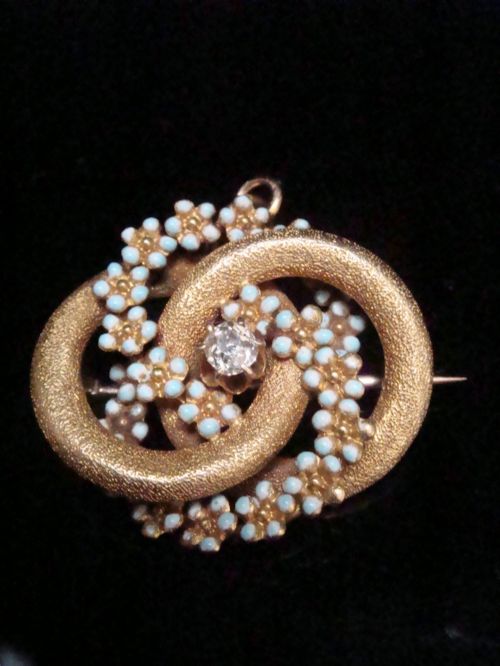
A standard pendant is designed solely to suspend from a necklace chain via a fixed bale. A brooch pendant includes a hidden hinged pin and clasp on the reverse, allowing the wearer to pin it to garments or hang it from a chain.
This convertible functionality was particularly popular during the nineteenth and early twentieth centuries. It offers versatile styling options for historic jewellery.