


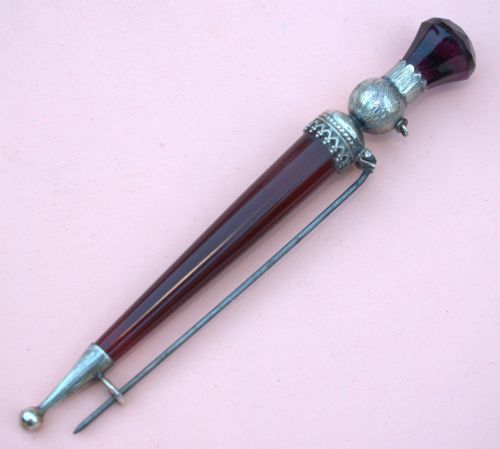
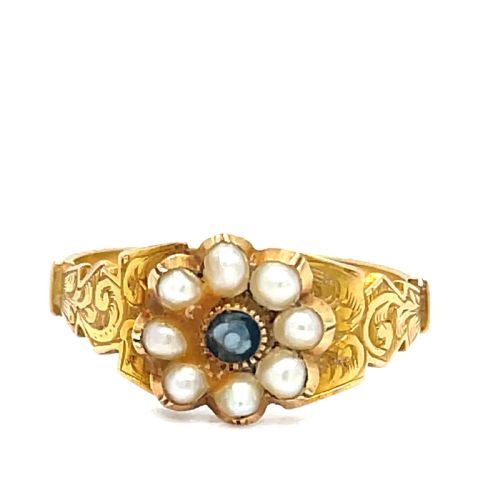


Victorian Agate Jewellery
Victorian agate jewellery brings together banded chalcedony and precious metals to create brooches, pendants, rings, earrings, and boxes that collectors prize for their intricate stonework.
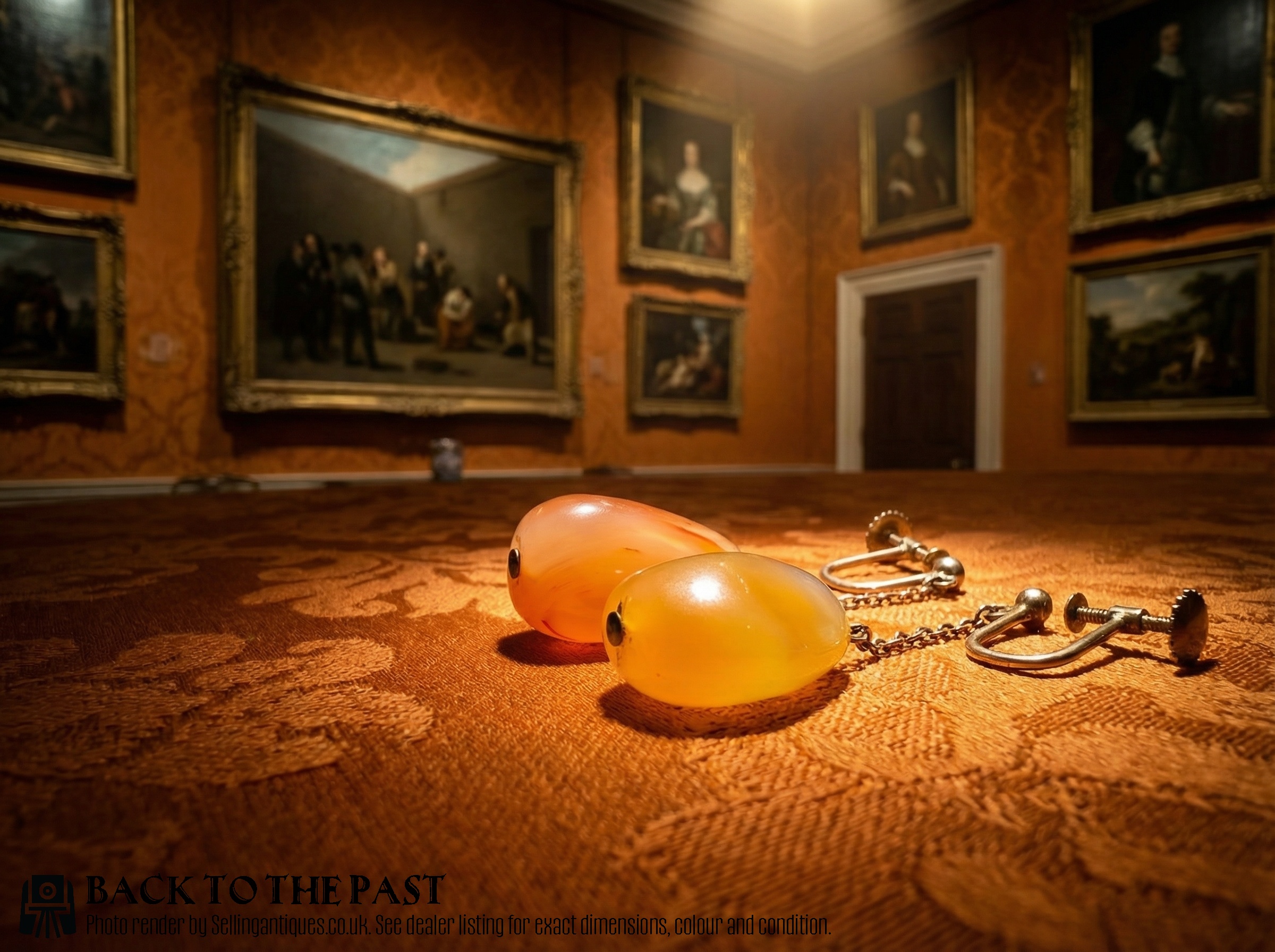
Victorian Agate Jewellery
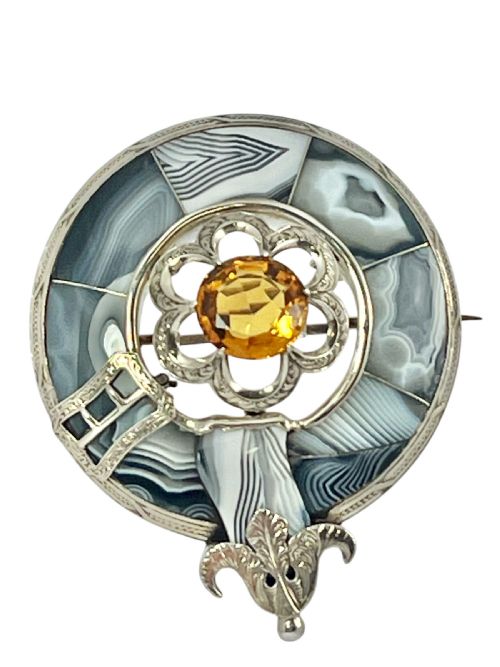
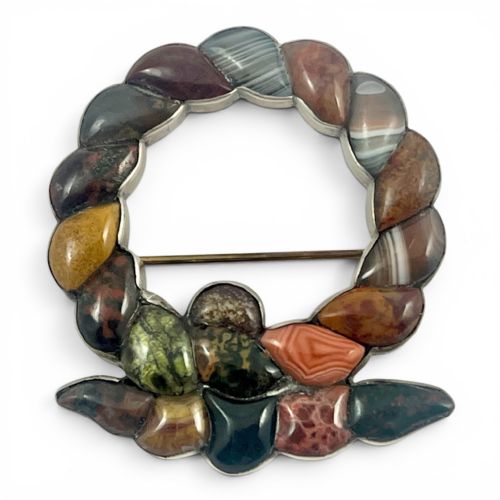
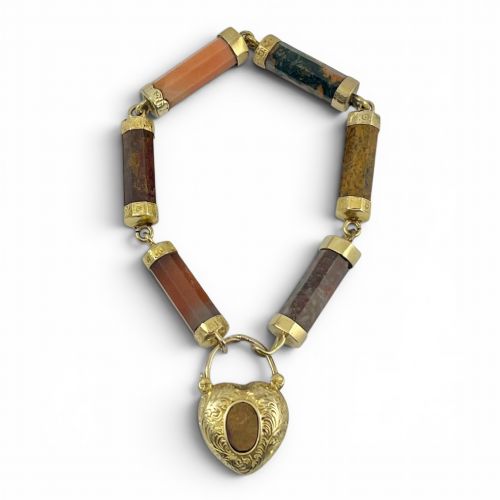
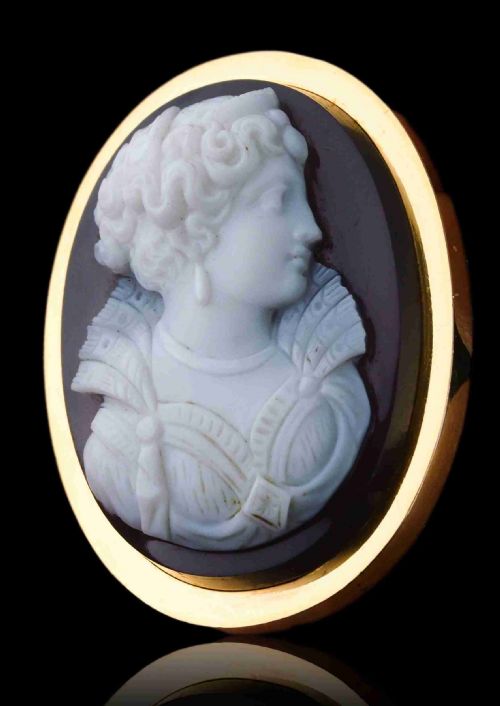
Victorian agate jewellery comprises wearable ornaments and small boxes created during the nineteenth century, featuring polished hardstones set in silver, 9ct gold, and brass. The selection centres heavily on brooches, alongside pendants, rings, earrings, and trinket boxes.
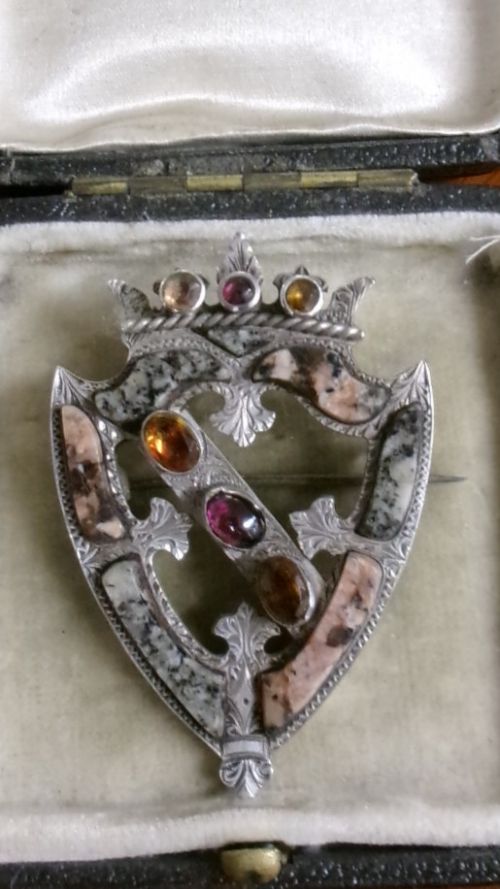
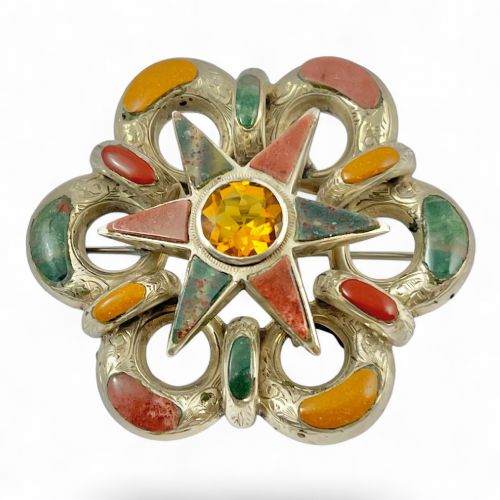
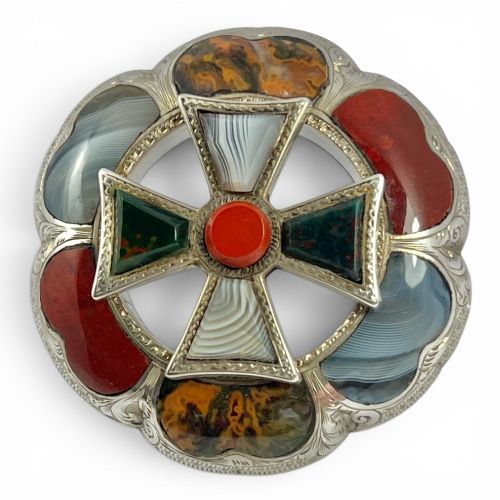
Scottish designs dominate the brooches and pendants, frequently combining banded stones with citrine, pearls, or bloodstone. These pieces showcase distinctive regional forms such as crosses and specimen pins alongside functional boxes used for piano jewellery.
The objects span periods from the mid-nineteenth century through to Edwardian chain drop earrings and pieces dated around 1890. Buyers encounter both mourning rings set with pearls and large silver pins intended to secure heavy woollen garments.
Materials and Construction
Metalwork techniques include detailed chasing on silver brooches, delicate gold wirework in mourning rings, and structural box frames secured with hinged lids. Additional gems like citrine and pearls were integrated alongside the central hardstones to enhance the visual composition.
Retail Price Guide 2026
Typical UK retail prices for victorian agate jewellery, calculated from the Sellingantiques database of over a million retail prices indexed since 2003. This retail price guide relies exclusively on Sellingantiques data; no external sources or auction records are used, so the figures do not describe the wider market.
Listings feature items in silver, 9ct gold, and brass, spanning brooches, rings, pendants, earrings, and trinket boxes from the Victorian and Edwardian periods.
Judging Quality
Quality rests upon the precision of the stone-cutting and the complexity of the mineral banding within the agate, jasper, or bloodstone. Superior examples display vibrant natural colours and flawless surface polishes that catch the light evenly across the facets.
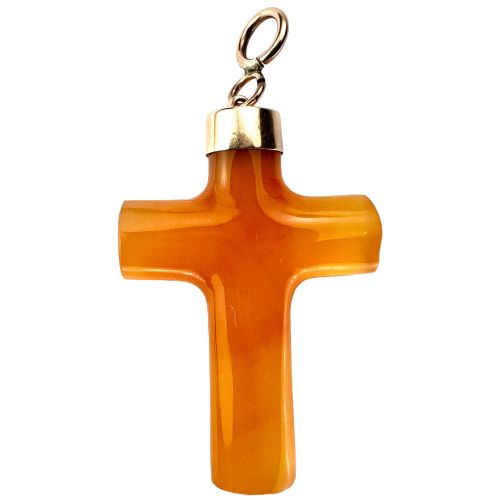
The integration of the hard-stone into the surrounding metal mount demonstrates the maker's skill, with top-tier pieces featuring heavy silver or 9ct gold frameworks. Additional embellishments such as matched citrines, pearls, or intricately carved crosses separate standard utility items from masterwork creations.
The Victorian Agate Jewellery Glossary
- Agate
- A variety of banded chalcedony formed in volcanic rocks, prized for its natural multi-coloured stripes. Lapidaries slice and polish this hard-stone to highlight its intricate linear patterns.
- Mourning ring
- A piece of commemorative jewellery containing hair, pearls, or dark stones to remember a deceased individual. These bands were widely worn during the Victorian era as symbols of grief and remembrance.
- Citrine
- A yellow variety of quartz frequently paired with Scottish agate in brooches and pendants. Its warm golden hues complement the earthy tones of banded chalcedony.
- Hard-stone
- A collective term for decorative minerals like agate, jasper, and bloodstone used in Victorian jewellery and boxes. These materials are durable enough to take a high, lasting polish.
- Specimen brooch
- An item featuring multiple distinct geological samples arranged together to display regional mineral varieties. These pins often highlight Scottish stones set in silver.
Frequently Asked Questions
What is Victorian agate jewellery?
These items are nineteenth-century personal ornaments and small decorative containers made using polished hard-stones. They include brooches, rings, pendants, earrings, and storage boxes.
Craftsmen set the banded chalcedony into silver, gold, and brass mounts, often combining the stones with pearls, citrines, or bloodstone to create distinctive patterns.
How do I identify Scottish agate pieces?
Scottish pieces typically appear as large silver brooches or pendants featuring intricately arranged hard-stones, sometimes shaped like crosses or shields. They frequently incorporate citrine crystals and detailed metalwork inspired by traditional regional motifs.
Boxes and trinket cases from this tradition also utilise multi-coloured stones set into gilt brass or silver frames to create geometric surface designs.
What is a mourning ring?
A mourning ring is a commemorative band worn in Victorian times to honour someone who has passed away. These pieces often incorporate pearls and dark agate alongside inscribed metal bands.
They served both as personal tokens of grief and as accepted social markers of bereavement within nineteenth-century etiquette.
How should I care for agate jewellery?
Agate is a durable hard-stone, but the metal settings and secondary gems like pearls require gentle handling. Clean the pieces with a soft, dry cloth and avoid harsh chemical dips that might damage the stones or the gold and silver mountings.
Store items separately in lined boxes to prevent the hard-stones from scratching softer metals or adjacent jewellery.