


19th Century Gold Ring
A 19th century gold ring brings historic craftsmanship to the finger, offering enduring precious metals and genuine period gemstones.

19th Century Gold Ring
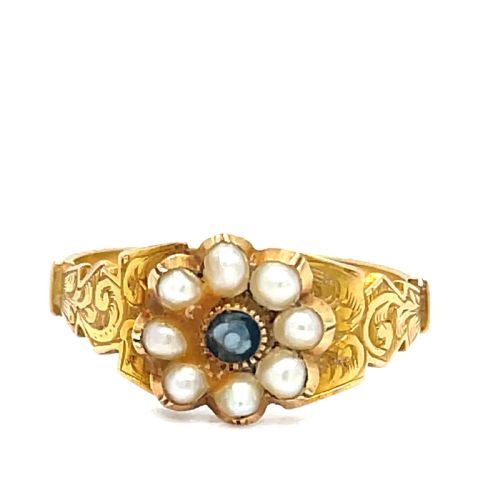
A 19th century gold ring encompasses diverse designs created across the Victorian era and adjacent periods, featuring distinct regional characteristics from English and French workshops. The most common examples met on this page are yellow gold bands set with turquoise, diamonds, pearls, or purple glass stones.
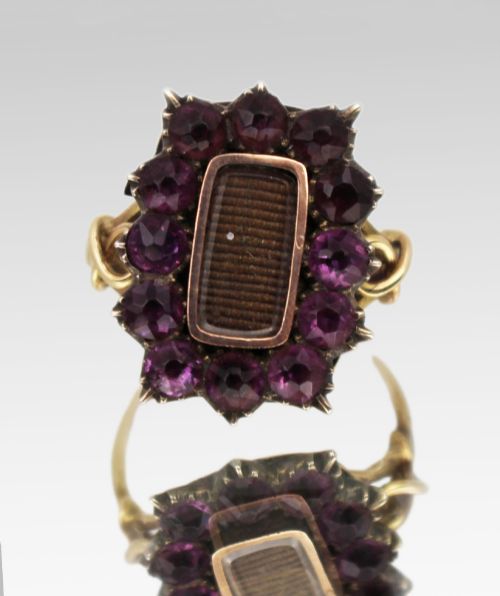
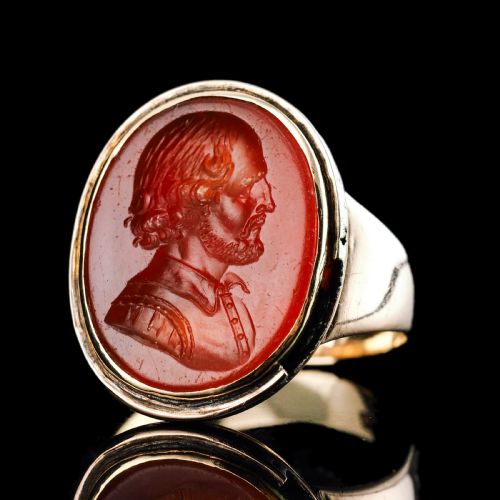
Mourning rings and cluster settings dominate the selection, often incorporating intricate metalwork alongside carved stones like carnelian intaglios. These pieces reflect the sentimental and decorative tastes of the nineteenth century, utilising both lower and higher karat gold standards.
Materials and construction
Goldsmiths of the period utilised 9ct, 15ct, and 18ct yellow gold, shaping bands manually and setting stones by hand into bezel or claw mountings. Gemstones such as old cut diamonds, natural spinel, turquoise, and pearls were secured directly into the precious metal framework.
Additional decorative elements involved carved carnelian intaglios and purple glass or enamel accents, demonstrating traditional bench jeweler techniques. The combination of durable gold alloys with organic and mineral stones ensures the structural longevity of these antique pieces.
19th Century Gold Ring Retail Price Guide 2026
Typical asking prices for 19th century gold ring among the pieces listed under this phrase on Sellingantiques today, from the lower quarter to the upper quarter. They describe what is for sale here now, not the wider market.
Victorian hands occasionally wore buckles made entirely of gold and turquoise to fasten themselves to eternity.
Assessing quality and craftsmanship
Superior examples distinguish themselves through the precision of the stone setting and the integrity of the gold work, maintaining crisp edges on intaglios and secure mountings for diamonds and turquoise. The choice of higher carat gold and superior gemstone clarity elevates the status of a piece within the period range.
The sophistication of the design, whether a detailed buckle band or a complex cluster arrangement, indicates the skill level of the original maker. Condition of the delicate pearls, enamel, and stone facets further separates standard production items from finer surviving specimens.
The 19th Century Gold Ring Glossary
- Intaglio
- A gem or stone carved with a sunken design so that an impression in relief can be obtained. This technique was frequently utilised for signet and portrait rings in the nineteenth century.
- Mourning ring
- A commemorative ring worn to remember a deceased person, often featuring hairwork, dark enamel, or purple glass and jet. These pieces served as personal memorials during the Victorian era.
- Rose cut
- A diamond cut with a flat base and a domed crown consisting of triangular facets. This traditional style produces a soft, shimmering reflection rather than the brilliant sparkle of modern cuts.
- Cluster ring
- A ring featuring a central gemstone surrounded by a border of smaller stones. This arrangement maximises visual impact and light return in period jewellery.
- Turquoise
- An opaque, blue-to-green mineral valued for its vibrant colour in Victorian cluster and buckle rings. It was often paired with yellow gold and pearls.
19th Century Gold Ring: Frequently Asked Questions
How do I care for a 19th century gold ring?
Antique rings require gentle handling due to their age and delicate settings. Avoid wearing them during manual tasks or exposing them to harsh chemicals.
Clean them softly with a dry microfibre cloth rather than ultrasonic machines, particularly when pearls or turquoise are present.
Can I wear an antique gold ring daily?
Many people wear these rings every day, provided the setting is secure and the gold band is substantial. Sturdier designs in 18ct gold handle regular wear better than fragile mourning pieces.
Consult a jeweller to check the prongs and claws before committing to daily use.
What does a turquoise ring signify?
In the nineteenth century, turquoise often symbolised protection, good fortune, and enduring friendship. It frequently appeared in sentimental jewellery alongside pearls and diamonds.
Its bright colour made it a popular choice for romantic and commemorative gifts.
How do I determine the period of a ring?
Dating relies on stylistic clues, gemstone cuts, and any visible hallmarks stamped inside the band. Victorian designs often incorporate specific motifs like buckle shapes or mourning elements.
Comparing the construction techniques to documented examples helps narrow down the decade of creation.