



Victorian Trilogy Ring
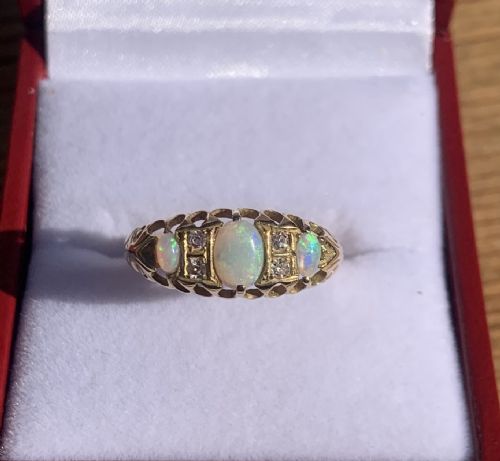
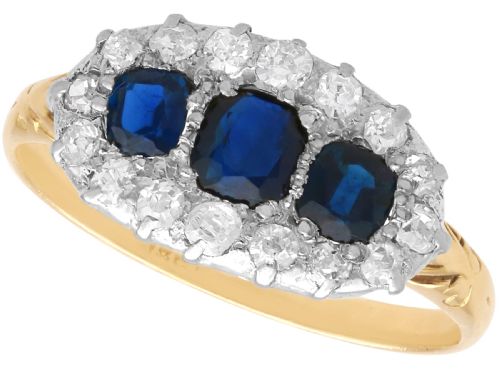
A Victorian trilogy ring carries three stones symbolising past, present and future, making these historic multi-stone bands enduring tokens of devotion.

Victorian Trilogy Ring
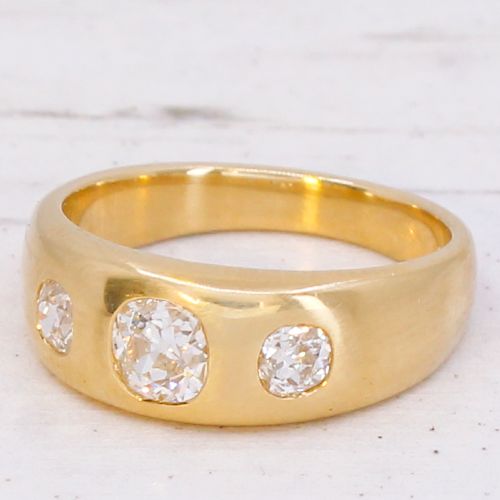
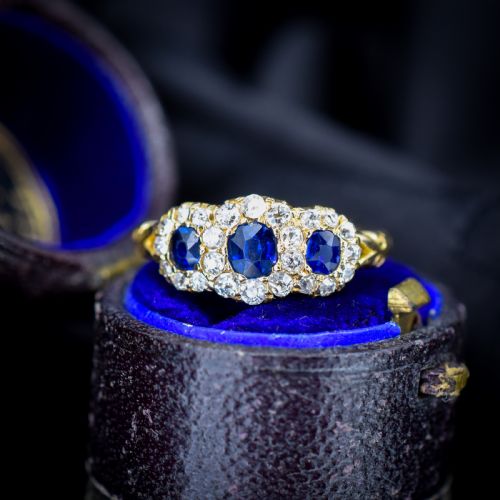
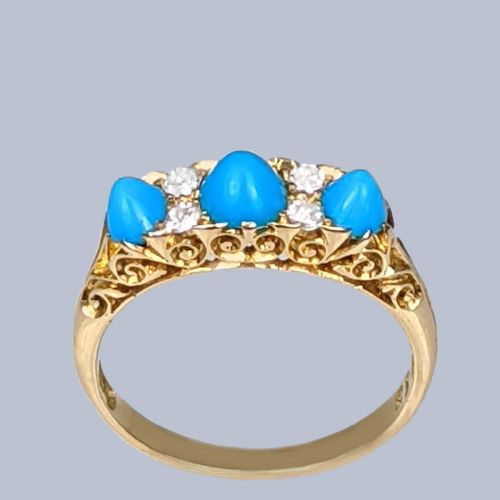
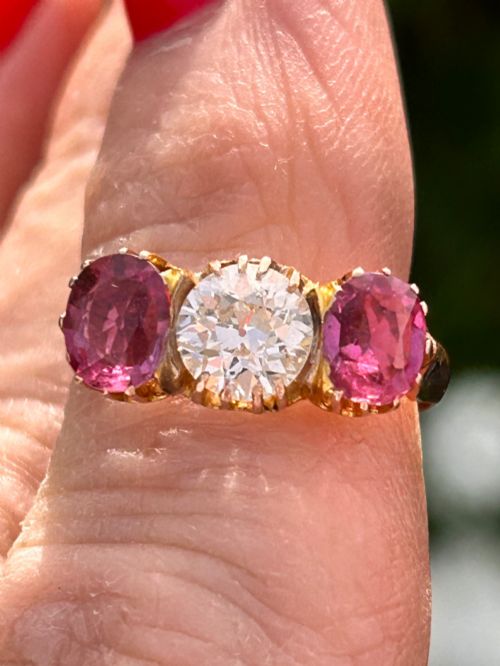
Surviving examples range from classic claw-set multi-stone bands to gypsy settings flush against the metal band. Many date specifically from the late Victorian decades around eighteen ninety through to nineteen hundred, reflecting the height of sentiment-driven jewellery production.
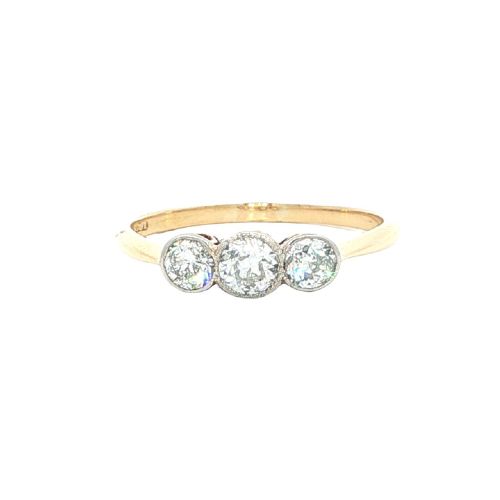
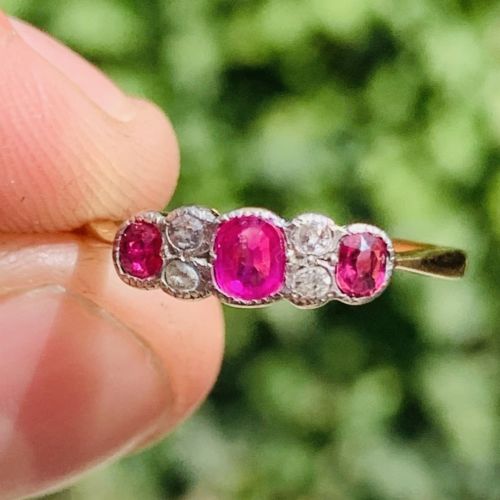
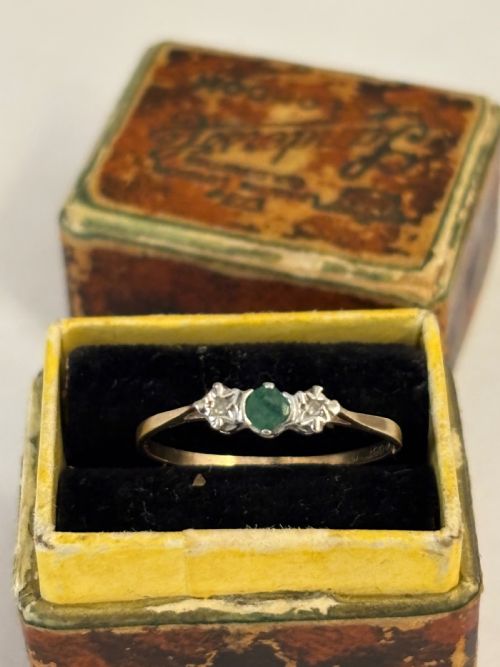
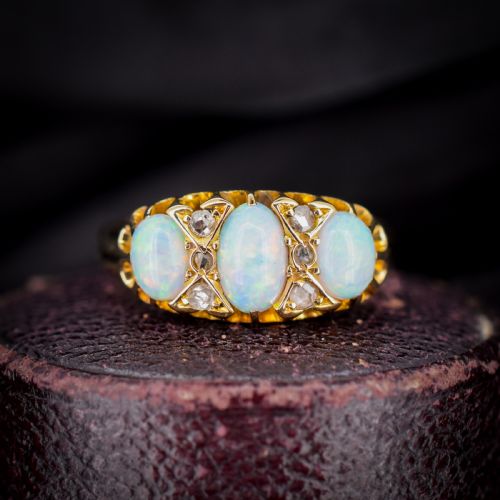
Makers utilised both yellow gold and platinum combinations, occasionally incorporating smaller accent stones to frame the primary trio. Buyers will find variations including carved half-hoop designs and triple cluster configurations alongside standard three-stone arrangements.
How they were made
Goldsmiths worked primarily with eighteen carat yellow gold, occasionally integrating platinum or lower nine carat alloys to secure the gems. Stones were shaped by hand, resulting in old cut diamonds and antique mine cuts with characteristic deep pavilions and broad facets.
Setting techniques varied from individual claw mounts that allowed maximum light into the stones to gypsy mounts where gems sat flush within the heavy gold band. Jewelers frequently incorporated intricate carved shoulders and pierced galleries beneath the main settings.
Victorian Trilogy Ring Retail Price Guide 2026
Typical asking prices for victorian trilogy ring among the pieces listed under this phrase on Sellingantiques today, from the lower quarter to the upper quarter. They describe what is for sale here now, not the wider market.
Some Victorian diamond rings hide secret scrollwork beneath the stones, visible only when the wearer tilts the band toward the light.
What varies in quality
The distinction between tiers rests upon the natural weight, colour saturation and clarity of the central gems matched against the flanking stones. Superior examples display carefully proportioned old cut diamonds paired with intensely coloured Burmese rubies or Ceylon sapphires rather than treated alternatives.
Construction integrity defines the upper range, visible in robust heavy shanks that retain their original thickness and crisp hallmarking from assay offices like Birmingham or London. Lesser pieces often exhibit worn prongs, thinner bands from decades of resizing, or mismatched stone replacements.
The Victorian Trilogy Ring Glossary
- Trilogy ring
- A ring set with three stones, traditionally representing the past, present and future. This layout remains a favoured choice for historic engagement rings.
- Old cut diamond
- A diamond cut by hand before modern machinery standardised proportions, usually featuring a small table and deep culet. These stones glow softly under candlelight.
- Gypsy setting
- A mounting style where the gemstone is set flush into the metal band, creating a smooth profile. It was exceptionally popular during the late nineteenth century.
- Hallmark
- Official stamps struck into precious metal indicating the purity, assay office and year of manufacture. They provide reliable dating for British pieces.
- Carved half hoop
- A band featuring decorative carved detailing along the upper half surrounding the stones. This technique adds texture to the gold shoulders.
Victorian Trilogy Ring: Frequently Asked Questions
What do three stones mean?
The three gems traditionally symbolise the past, present and future of a relationship. This romantic symbolism made them exceptionally popular for Victorian engagement tokens.
Victorians often utilised meaningful gemstone combinations like diamonds paired with rubies or sapphires to convey specific sentiments. Each stone was chosen to represent a distinct chapter in a shared life.
How do I date my ring?
Dating relies heavily on British hallmarks stamped inside the band, which record the specific assay office and year of manufacture. Stylistic clues such as old cut diamond facets and yellow gold settings further narrow the period.
Many surviving pieces date from the eighteen nineties through to the early nineteen hundreds. Comparing the gallery construction and shank thickness helps confirm this timeline.
Are they suitable for daily wear?
These historic bands can be worn daily provided they receive proper care and regular checks on the stone settings. Older gold and hand-set gems benefit from gentle cleaning without harsh chemicals.
Buyers should consult a jeweller to inspect the prongs or flush settings periodically. Softer stones like opal require extra mindfulness during everyday activities.
Can antique rings be resized?
Most gold bands can be altered by a skilled jeweller experienced in antique pieces. The process involves adding or removing a small section of metal from the lower shank.
Care must be taken to preserve any interior hallmarks stamped inside the band during adjustment. Complex carved shoulders require expert hands to maintain the original pattern.