

Antique Gold Charm Pendant
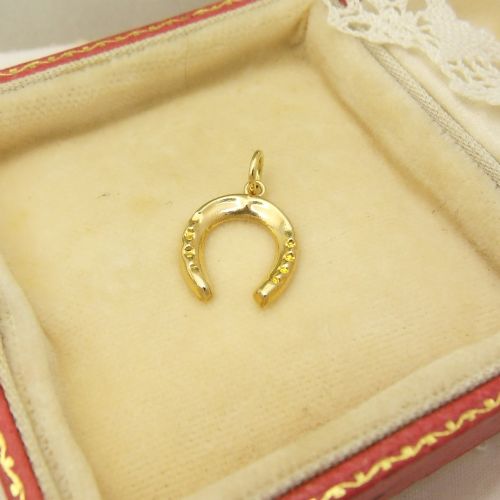
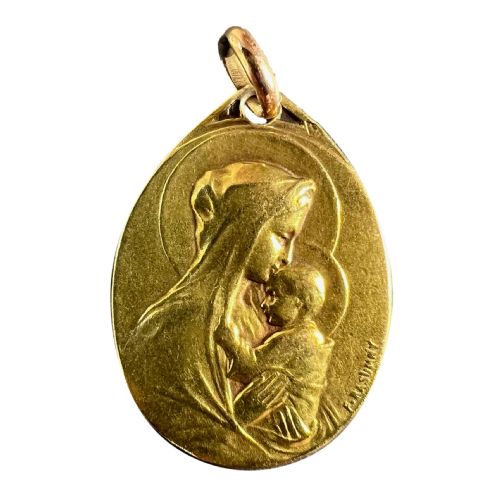
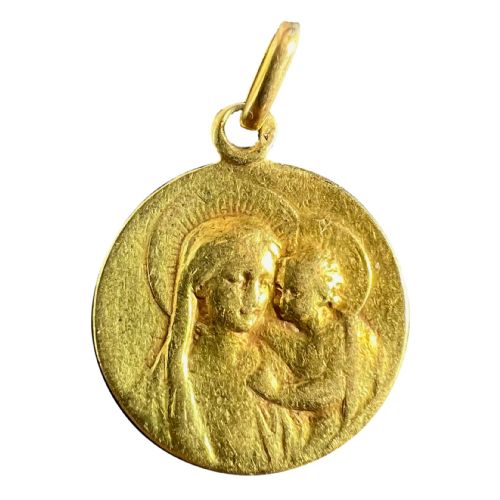
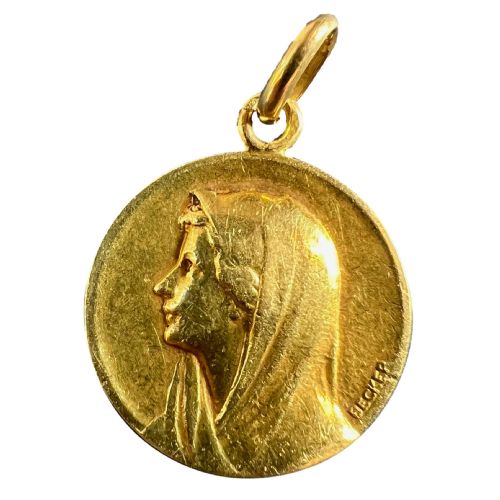
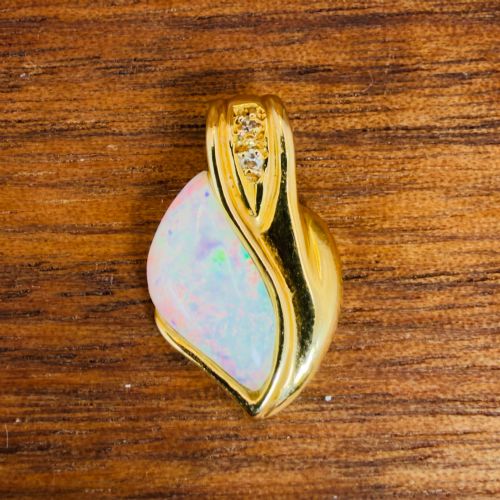
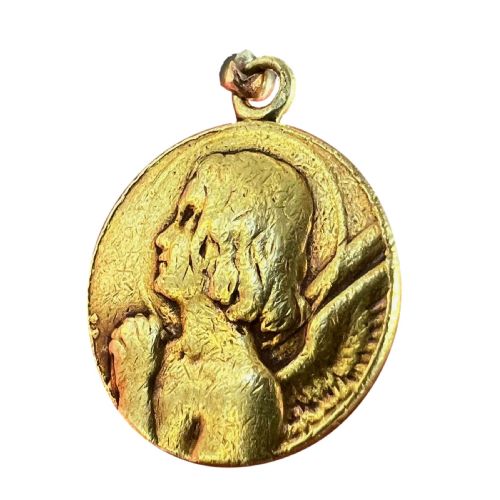
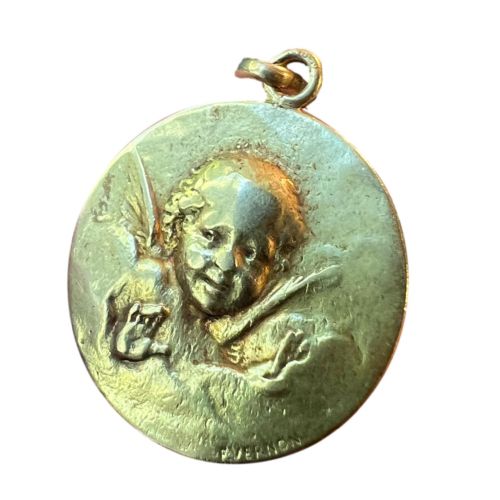
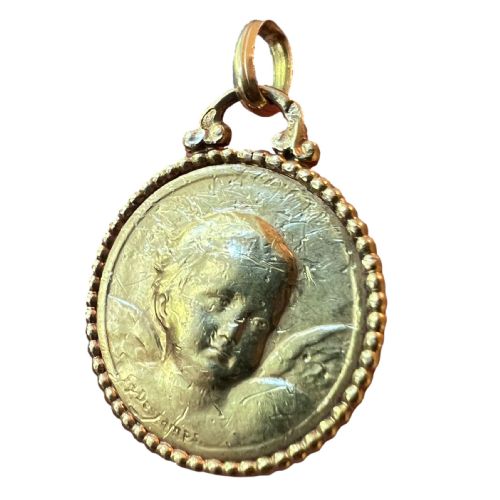
An antique gold charm pendant brings together miniature sculptural forms and precious metals from the Victorian, Edwardian, and mid-century eras.
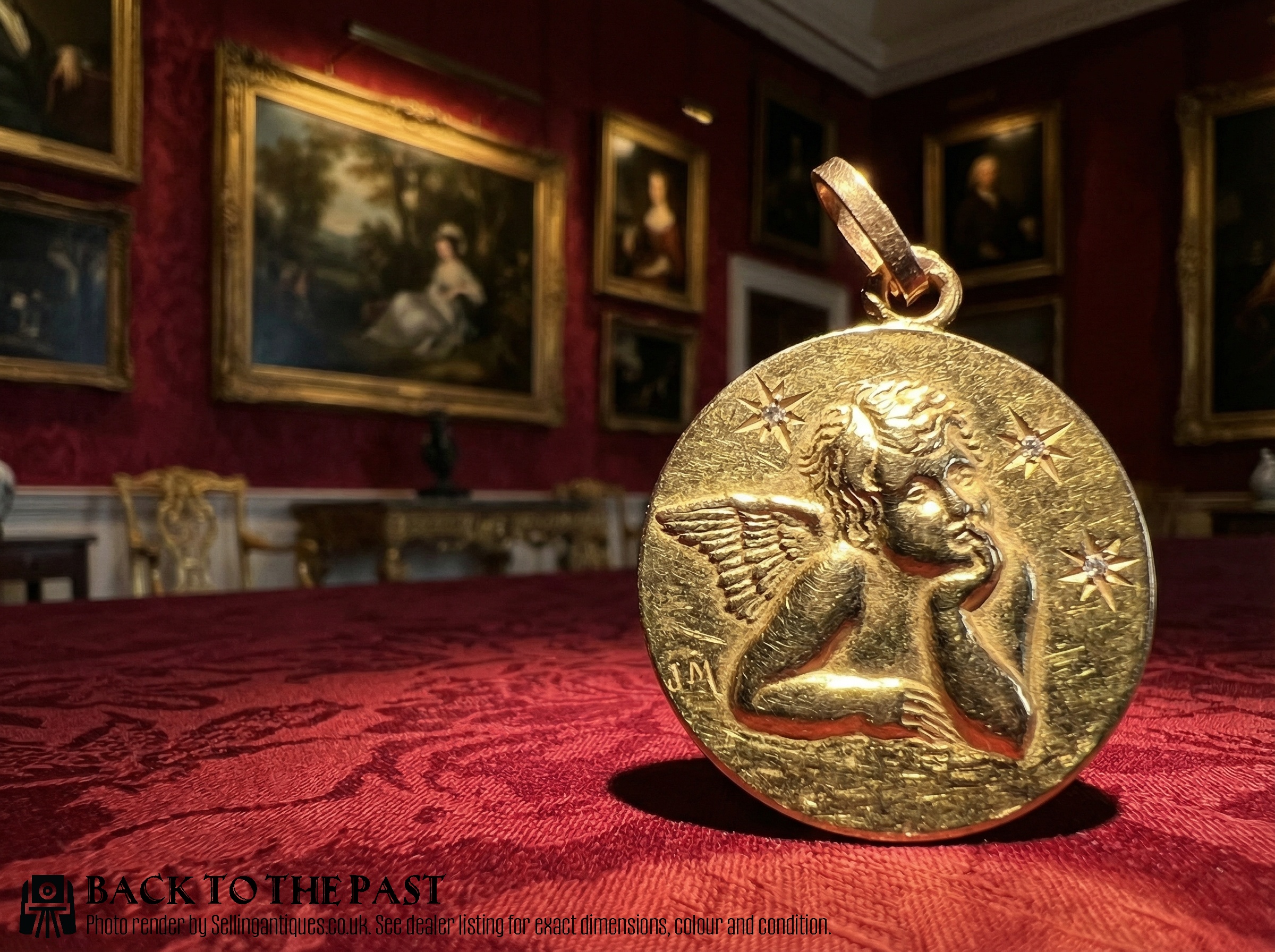
Antique Gold Charm Pendant
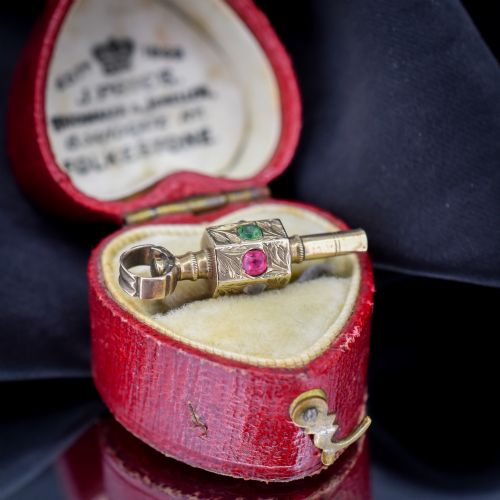
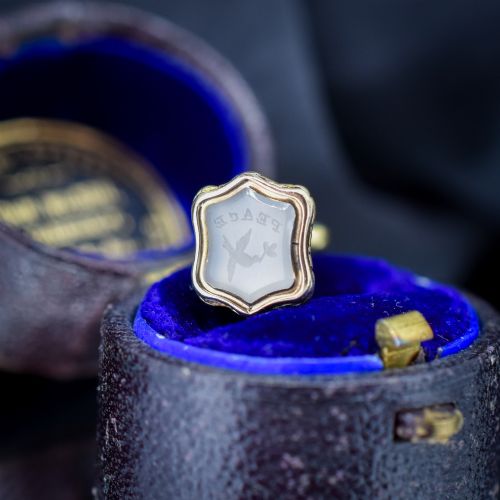
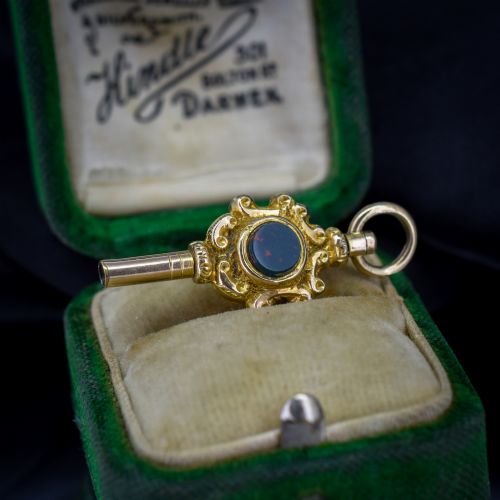
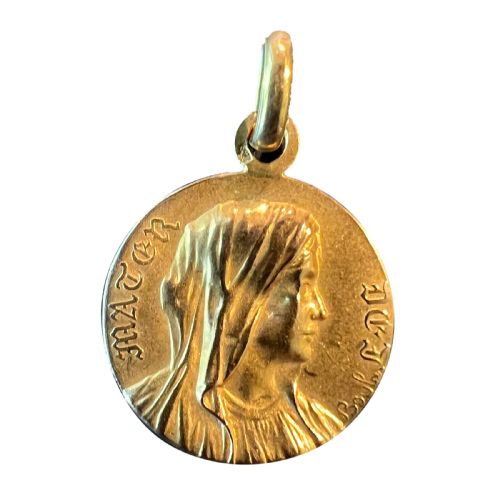
The inventory on this page ranges from heart padlocks and spinning fobs to figurative animal charms, pearl-set insects, and engraved crosses. Many function both as standalone pendants and as charms suspended from split rings or larger chains.
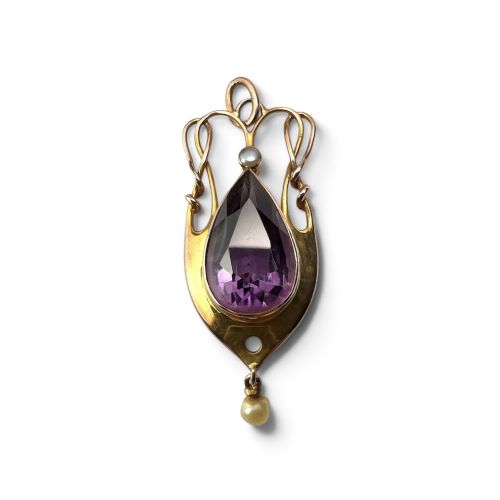
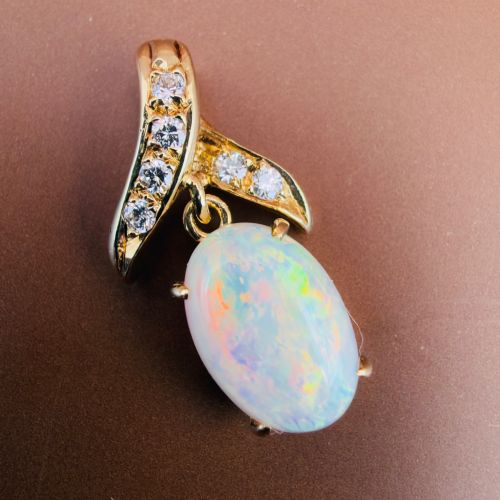
The forms reflect the shifting tastes of the nineteenth and twentieth centuries, utilising traditional jeweller's techniques to transform everyday subjects into wearable items. Collectors find examples featuring gemstones such as amethyst, aquamarine, turquoise, and citrine alongside glass, enamel, and mother-of-pearl.
Materials and Techniques
Jewellers constructed these pendants primarily in 9ct, 15ct, and 18ct gold, often combining yellow and rose hues within a single piece. Metalworking methods included casting, engraving, and hollow stamping to create lightweight yet detailed sculptural forms.
Decorative elements relied on careful setting techniques for seed pearls, diamonds, pastes, and coloured stones. Enamelling, particularly guilloche work, added vibrant surface colour to hearts and lockets, while foil backing enhanced the depth of aquamarine and rock crystal.
Antique Gold Charm Pendant Retail Price Guide 2026
Typical asking prices for gold charm pendant among the pieces listed under this phrase on Sellingantiques today, from the lower quarter to the upper quarter. They describe what is for sale here now, not the wider market.
Object forms range from engraved heart padlocks and spinning fobs to detailed animal charms and miniature crosses.
Evaluating Quality
The choice of materials also separates standard production from finer work, with heavier gold gauges, intact enamel surfaces, and well-matched natural gemstones representing superior craftsmanship. Secure settings and legible hallmarks add tangible evidence of a piece's origin and standard.
Deakin & Francis
The Antique Gold Charm Pendant Glossary
- Guilloche enamel
- Enamel applied over a metal surface that has been machine-turned with an intricate geometric pattern. This technique creates shimmering, light-catching textures beneath translucent coloured glass.
- Foil back
- A reflective metallic sheet placed behind a gemstone or glass paste to boost its brilliance and colour. This method was widely used in earlier jewellery before modern cutting styles became standard.
- Padlock charm
- A miniature functional or decorative lock shaped like a heart or a rectangle. These pieces were frequently given as sentimental love tokens during the Victorian and Edwardian periods.
- Split ring
- A circular double-coiled metal ring resembling a modern key ring, used to securely hold multiple charms or fobs. They provide a sturdy connector for items worn on chains or bracelets.
- Watch fob
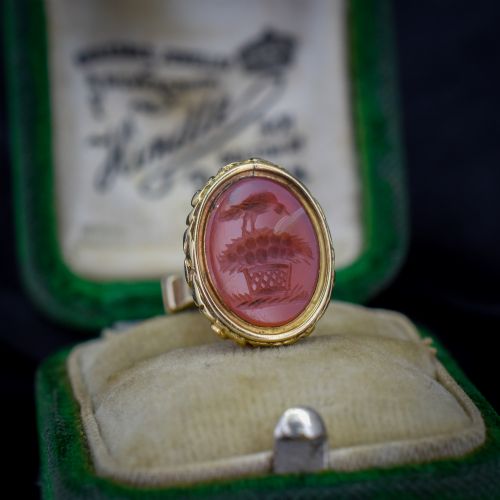
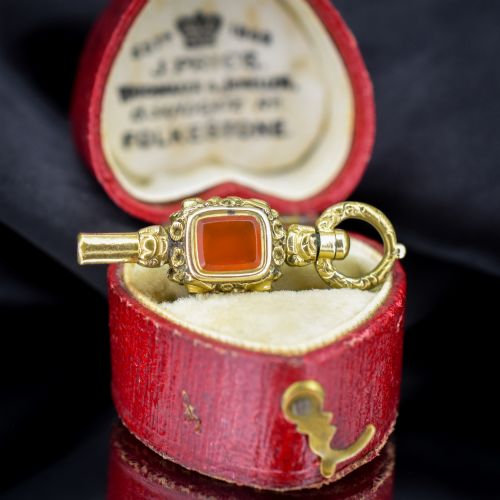
- A short pendant or ornament attached to a pocket watch ribbon or chain. Many examples double as seals or spinning stones engraved with initials.
Antique Gold Charm Pendant: Frequently Asked Questions
What is an antique gold charm pendant?
An antique gold charm pendant is a small decorative item made from gold that is designed to be worn suspended from a necklace chain or bracelet. These pieces date from historical periods such as the Victorian and Edwardian eras and often feature intricate miniature designs.
They encompass a wide variety of forms, including engraved hearts, animal figures, lockets, and gemstone-set motifs. Each piece serves as both a personal ornament and a small example of period jewellery craftsmanship.
How do I date an antique gold pendant?
Dating these pendants involves examining the gold carat standards, the style of the setting, and any accompanying hallmarks or stamps. For instance, 15ct gold was widely used during the Victorian period before being phased out in the twentieth century.
Design motifs also offer strong clues, with Art Nouveau curves, Edwardian delicate filigree, and mid-century modern styling pointing to specific decades. Hallmarks stamped into the metal can often pinpoint the exact assay office and year of manufacture.
How were spinning fobs used originally?
Spinning fobs were originally attached to the end of a pocket watch chain and hung from a gentleman's waistcoat. The central stone or seal mounted within a swivel ring could be rotated to display different faces, such as an engraved initial or a smooth gemstone.
Over time, many of these functional items were repurposed to be worn as pendants on neck chains. Their rotating mechanism and double-sided stones continue to provide an interactive element for the wearer.
How do I care for antique gold jewellery?
Caring for antique gold jewellery requires gentle handling to preserve delicate settings, enamel work, and softer gemstones like pearls or turquoise. Cleaning should be done with a soft cloth and warm, soapy water, avoiding harsh chemical dips or ultrasonic cleaners that can damage ancient mountings.
Store each pendant separately in a soft pouch to prevent scratching against other pieces in your collection. Regular checks by a jeweller can ensure that prongs and split rings remain secure.