




Blue Gemstone Pendant
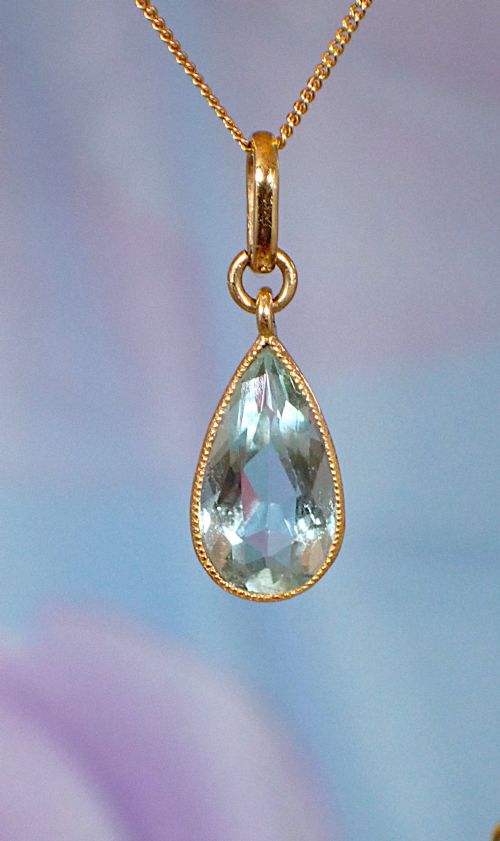
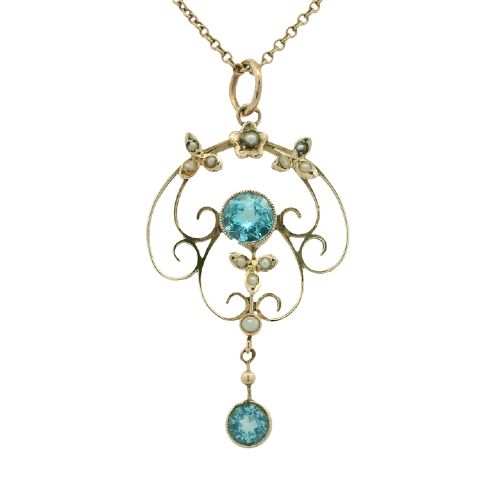
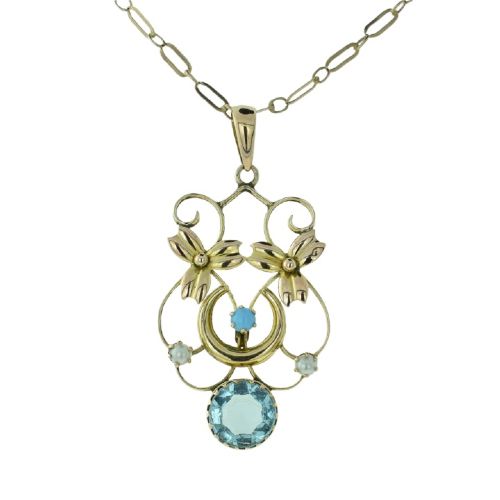
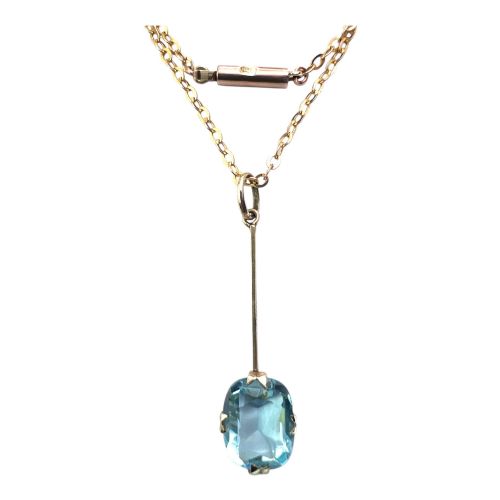
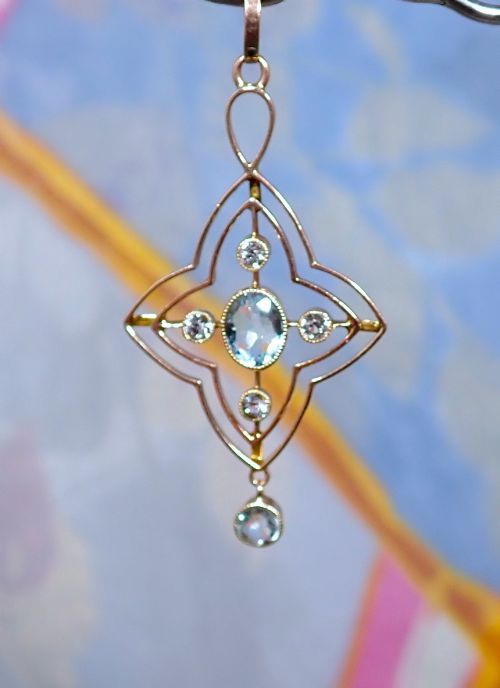
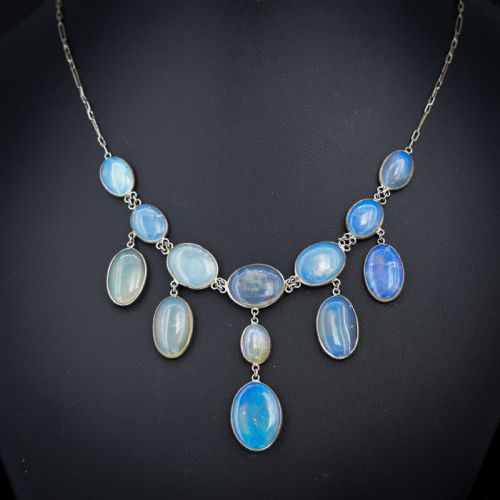
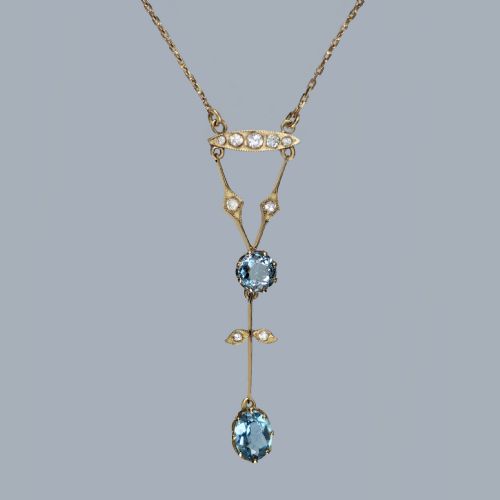
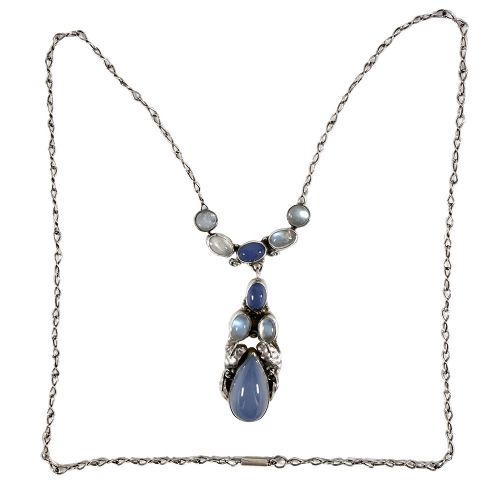
A blue gemstone pendant catches the light with cool aquatic depths, bringing period elegance directly to the neckline.
Blue Gemstone Pendant
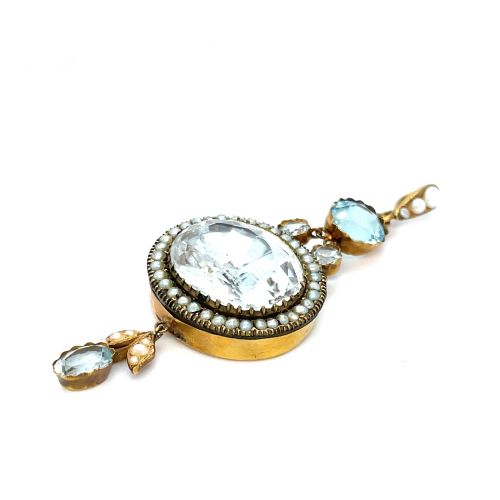
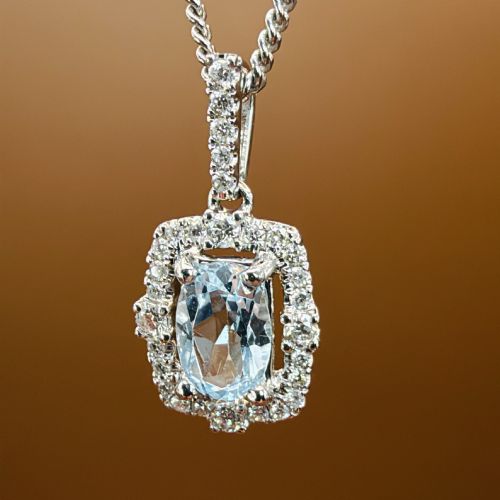
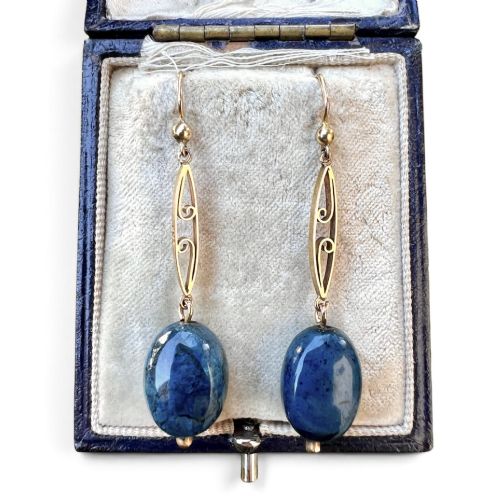
A blue gemstone pendant spans several historic periods, presenting choices from delicate Edwardian work to geometric Art Deco designs. Buyers searching for a blue gemstone pendant will encounter items ranging from Victorian gold settings to mid-century platinum clusters.
Materials and construction
Craftsmen utilised yellow gold, rose gold, white gold, platinum and silver to mount the stones, frequently combining metals such as gold and silver in earlier periods. Stones were set using claw, bezel or foil-backing techniques depending on the era.
Artisans incorporated intricate wirework, millegrain edges and open-back settings to maximise the brilliance of aquamarines and sapphires. Pearls and diamonds were frequently added as accent stones to frame the central blue gem.
Blue Gemstone Pendant Retail Price Guide 2026
Typical asking prices for blue gemstone pendant among the pieces listed under this phrase on Sellingantiques today, from the lower quarter to the upper quarter. They describe what is for sale here now, not the wider market.
Listings feature yellow gold, white gold, platinum and silver across Edwardian, Art Deco and mid-century periods.
Assessing quality
Quality rests upon the clarity and cut of the central gemstone, alongside the integrity of the metal setting and surviving maker hallmarks. Subtlety in design and precision in stone placement separate standard examples from finer works.
The sophistication of period details, such as hand-wrought silver work or balanced proportions in platinum clusters, dictates the overall standard of the piece.
Mary Thew·Dorrie Nossiter·C'est Laudier
The Blue Gemstone Pendant Glossary
- Aquamarine
- A pale blue to greenish-blue variety of beryl, frequently utilised as the central stone in Edwardian and Art Deco pendants.
- Cluster pendant
- A jewellery configuration where a central gemstone is surrounded by a halo of smaller stones, often diamonds or pearls.
- Millegrain
- A decorative jewellery technique involving a line of tiny raised metal beads along the edge of a setting.
- Foil-backed
- A historical method of placing metallic foil behind a gemstone to enhance its colour and reflectivity.
Blue Gemstone Pendant: Frequently Asked Questions
How do I date a blue gemstone pendant?
Dating relies on stylistic markers such as Edwardian openwork, Art Deco geometric symmetry, or mid-century platinum mounts. Hallmark stamps and metal purity standards also help narrow down the decade of production.
Examining the cut of the central aquamarine or sapphire provides further clues to the period in which the item was created.
What metals are commonly used?
Pieces feature various grades of gold, including nine carat, fifteen carat and eighteen carat yellow, rose and white gold. Platinum and sterling silver also appear frequently, particularly in twentieth-century designs.
Dual-metal combinations, such as gold and silver settings, are typical of older Victorian and Edwardian examples.
Are chains usually original?
Many listings include period-appropriate chains, though finding an original matching chain from the exact year of manufacture is uncommon. Pendants were frequently separated from their original chains over time.
Buyers should check individual item descriptions to confirm whether the accompanying chain is period or a later replacement.
How should I care for antique gemstone jewellery?
Gentle cleaning with a soft cloth helps maintain the metal and stones without causing damage. Avoid harsh chemical dips, ultrasonic cleaners and abrasive brushes, especially for foiled stones or softer gems like pearls.
Store pieces individually in lined boxes to prevent scratches between different items in your collection.