




Antique Portrait Jewellery
These pieces of antique portrait jewellery hold miniature likenesses and silhouettes close to the skin, offering a deeply personal glimpse into past lives.
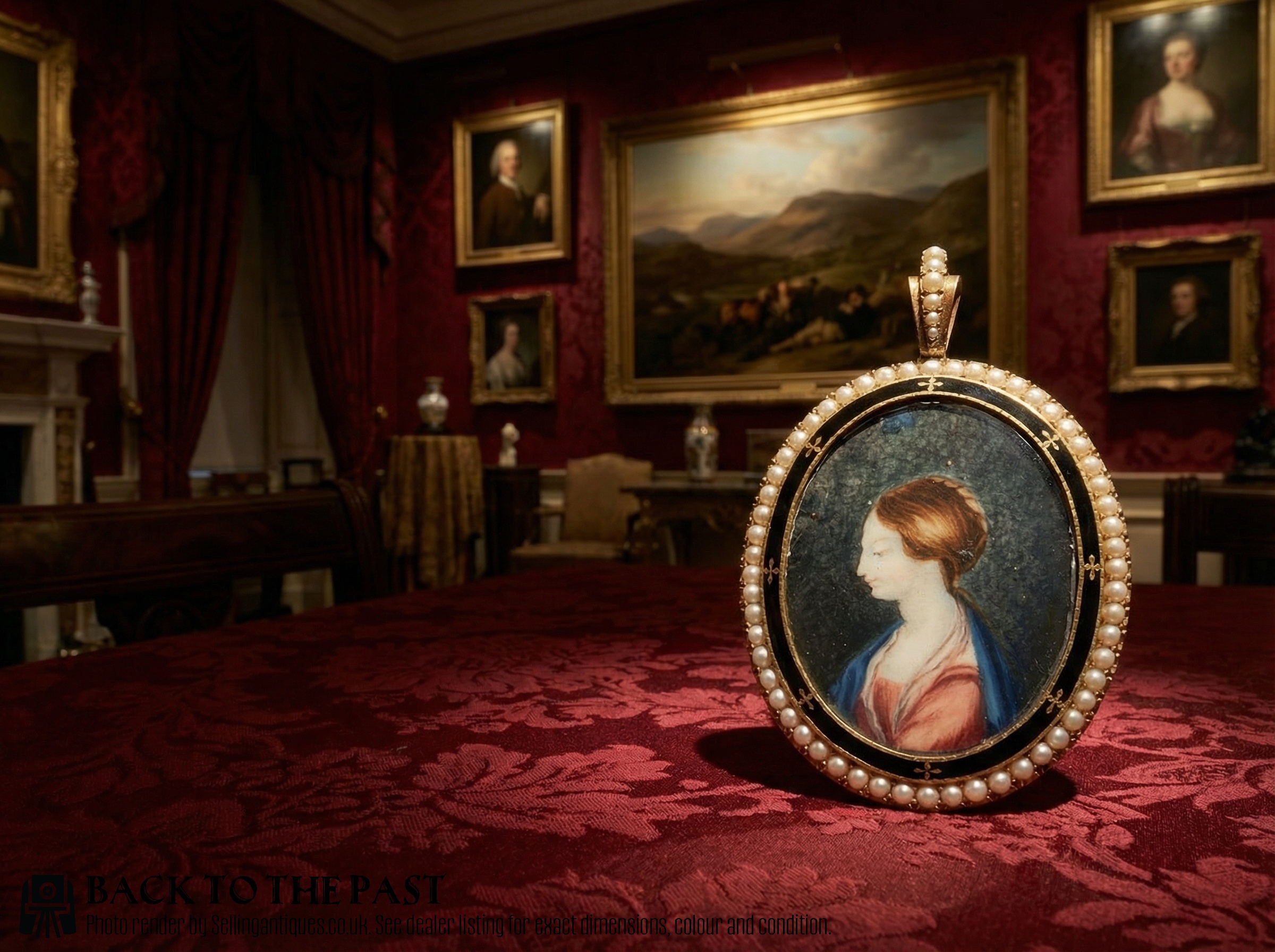
Antique Portrait Jewellery
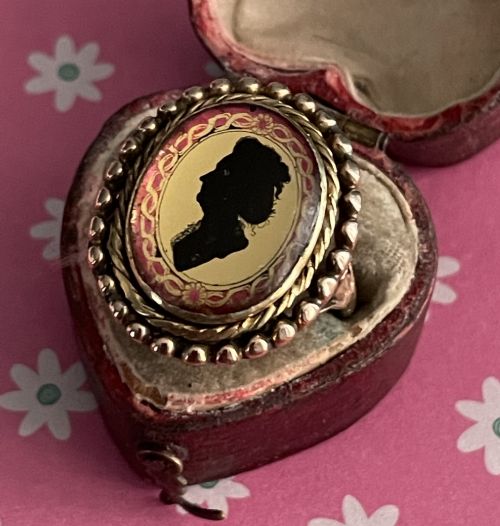
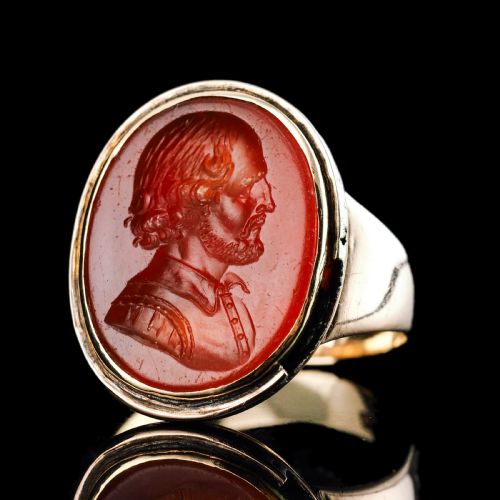
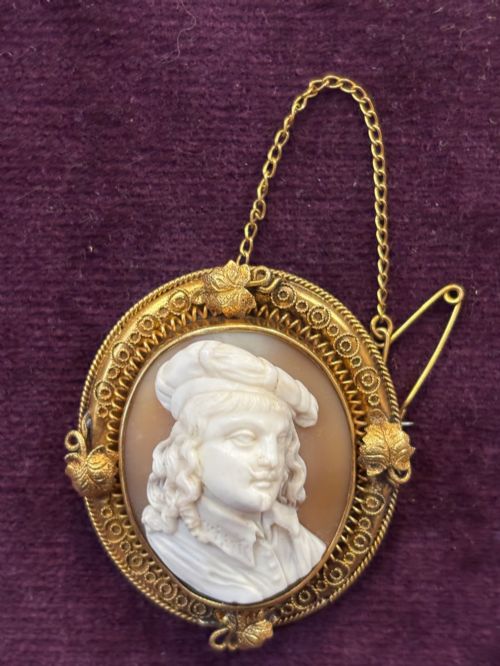
When you search for antique portrait jewellery, you encounter wearable likenesses spanning the Georgian, Victorian, and Edwardian eras. The selection comprises rings, brooches, pendants, and lockets that preserve human faces in paint, enamel, silhouette, and carved stone. Most commonly, these objects translate intimate miniatures and profiles into everyday adornment.
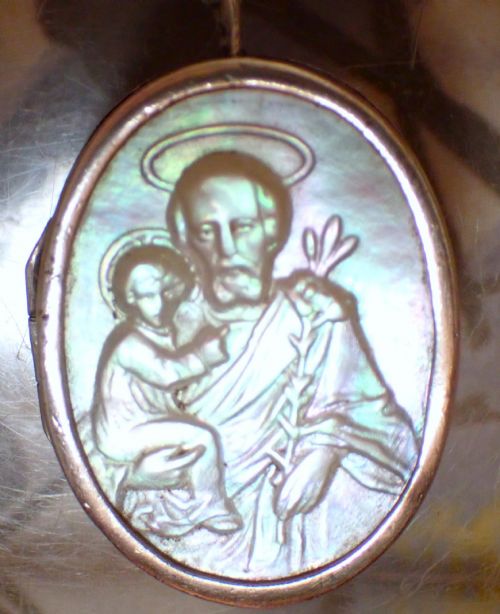
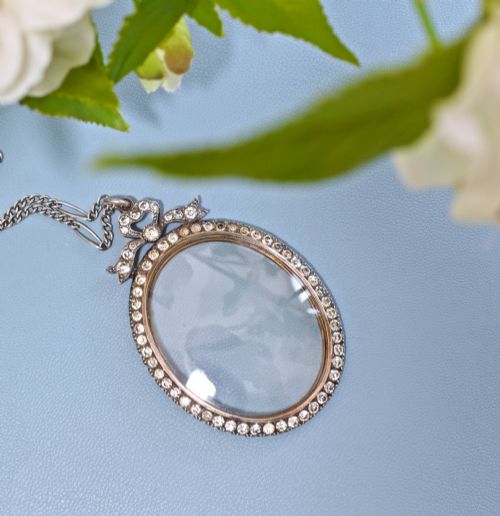
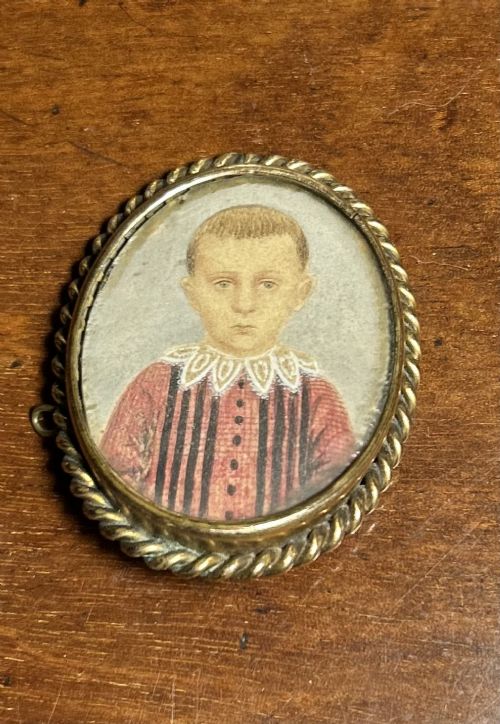
The materials reflect a progression from eighteenth century sepia and hand painted works to nineteenth century shell cameos and silver lockets. Pieces range from grand portrait miniature pendants in gold frames to delicate silhouettes and paste bow portrait pieces. This variety stems from changing memorial and sentimental customs across successive centuries.
Materials and construction
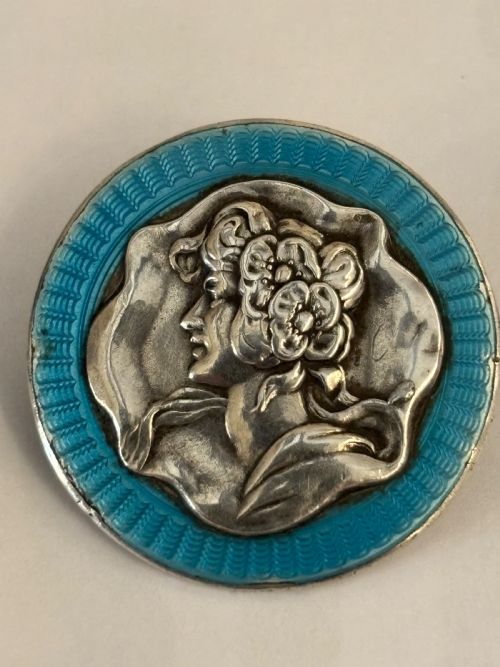
Metals form the structural backbone of these items, utilising yellow and white gold in 9ct, 14ct, 18ct, and 20ct standards, alongside sterling silver and gilt brass. Gemstones and organic materials provide the surfaces for carving and painting, drawing on shell, hardstone, carnelian, lava, mother of pearl, and glass. Enamel work and guilloche techniques add colour and permanent decoration to frames and pendants.
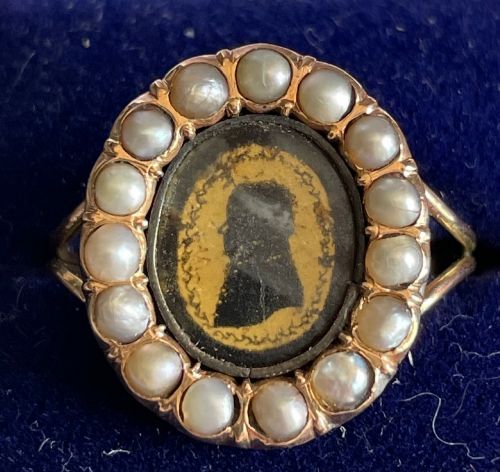
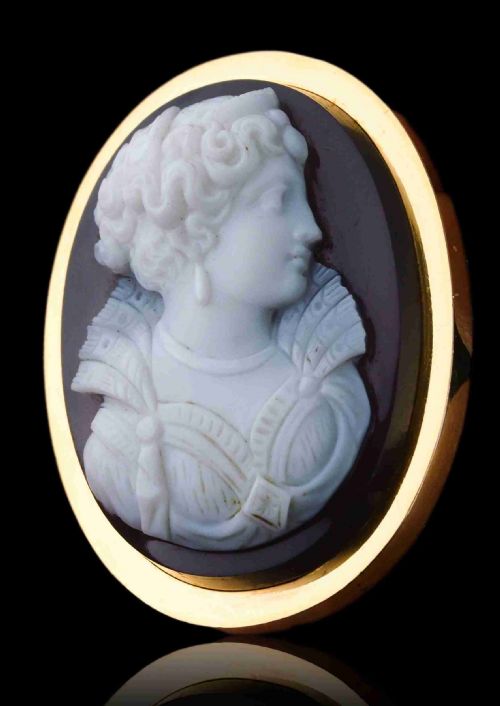
Craftsmen applied specialised skills to miniature art, painting details with microscopic precision on ivory, porcelain, or vellum. Cameos and intaglios rely on the careful carving of layered shell and hardstone to reveal contrasting background colours. Silhouettes utilise ink or cut paper, often sealed beneath rock crystal or glass tops.
Antique Portrait Jewellery Retail Price Guide 2026
Typical asking prices for portrait jewellery among the pieces listed under this phrase on Sellingantiques today, from the lower quarter to the upper quarter. They describe what is for sale here now, not the wider market.
Tiny painted curls of real human hair frequently hide behind glass panels on the reverse of these miniature frames.
Assessing quality and execution
Setting execution and metalwork integrity complete the assessment. High quality pieces integrate the miniature securely into well proportioned gold or silver mounts with crisp chasing and secure bezels. Inferior items rely on crude construction or replacement parts that compromise the original harmony of the design.
Henry Bone ARA·John Miers·Christian Friedrich Zincke·Amalie Von Peter
The Antique Portrait Jewellery Glossary
- Cameo
- A method of carving a gem, shell or hardstone so that the raised subject stands out in relief from a contrasting background. This technique appears frequently in Victorian brooches and rings.
- Silhouette
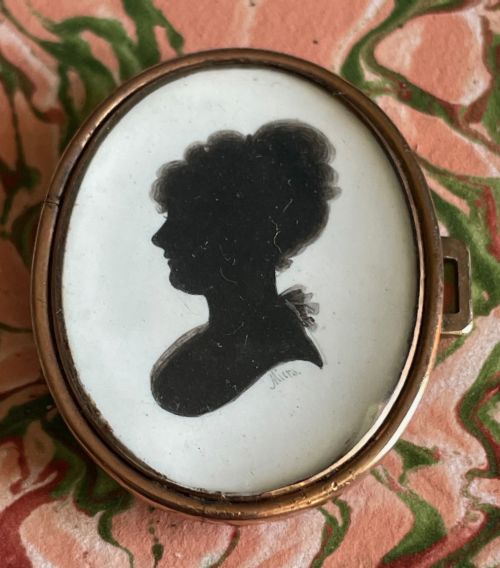
- A profile portrait filled in with a solid dark colour, typically black, on a light background. Masters of this craft painted directly onto card, ivory or plaster.
- Intaglio
- A design carved into the surface of a gemstone or glass so that an impression can be pressed into sealing wax. These often appear mounted in heavy gold rings and fobs.
- Guilloche
- An ornamental pattern engraved into metal by a lathe before translucent enamel is applied over the top. The underlying design shows through the glossy colour.
- Verre eglomise
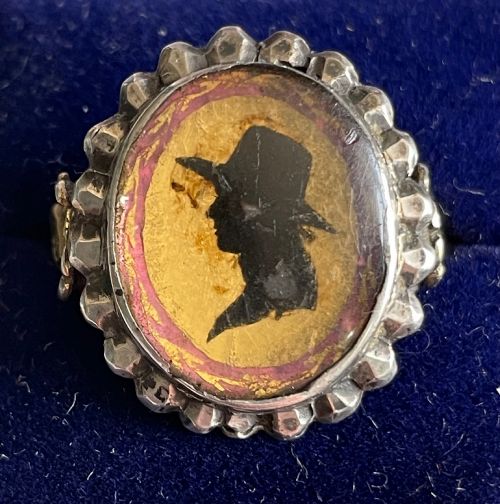
- A cold decoration technique where a design is applied to glass using gold or silver leaf and paint on the reverse side. This creates a mirrored, luminous background for portraits.
Antique Portrait Jewellery: Frequently Asked Questions
How do I date antique portrait jewellery?
Dating relies on combining the style of dress and hair in the portrait with the mounting technique of the frame. Georgian pieces often feature closed back settings and delicate sepia work, while Victorian items show bolder gold castings and shell carvings.
Hallmarks stamped inside rings or behind pendant frames provide official assay office stamps and date letters. Comparing these metal marks with known period styles clarifies the exact decade of manufacture.
Were these pieces worn every day?
Many items served as mourning jewellery or sentimental love tokens, worn close to the heart during periods of remembrance or separation. Wealthy patrons commissioned likenesses of family members to carry during travels.
Because materials like shell, ivory, and enamel are delicate, owners typically reserved them for special occasions or social gatherings rather than rough daily labour.
How should I care for painted miniatures?
Painted portraits on ivory, vellum, or porcelain require strict protection from moisture, direct sunlight, and cosmetics. Water causes paint to lift and paper to warp permanently.
Keep pieces in a stable, dry environment and clean only the metal mounts with a soft dry cloth, avoiding any liquid contact with the painted surface.