
Victorian Gold Charm
These Victorian gold charms are small treasures of precious metal and gemstones, collected for their intricate detail and personal sentiment.
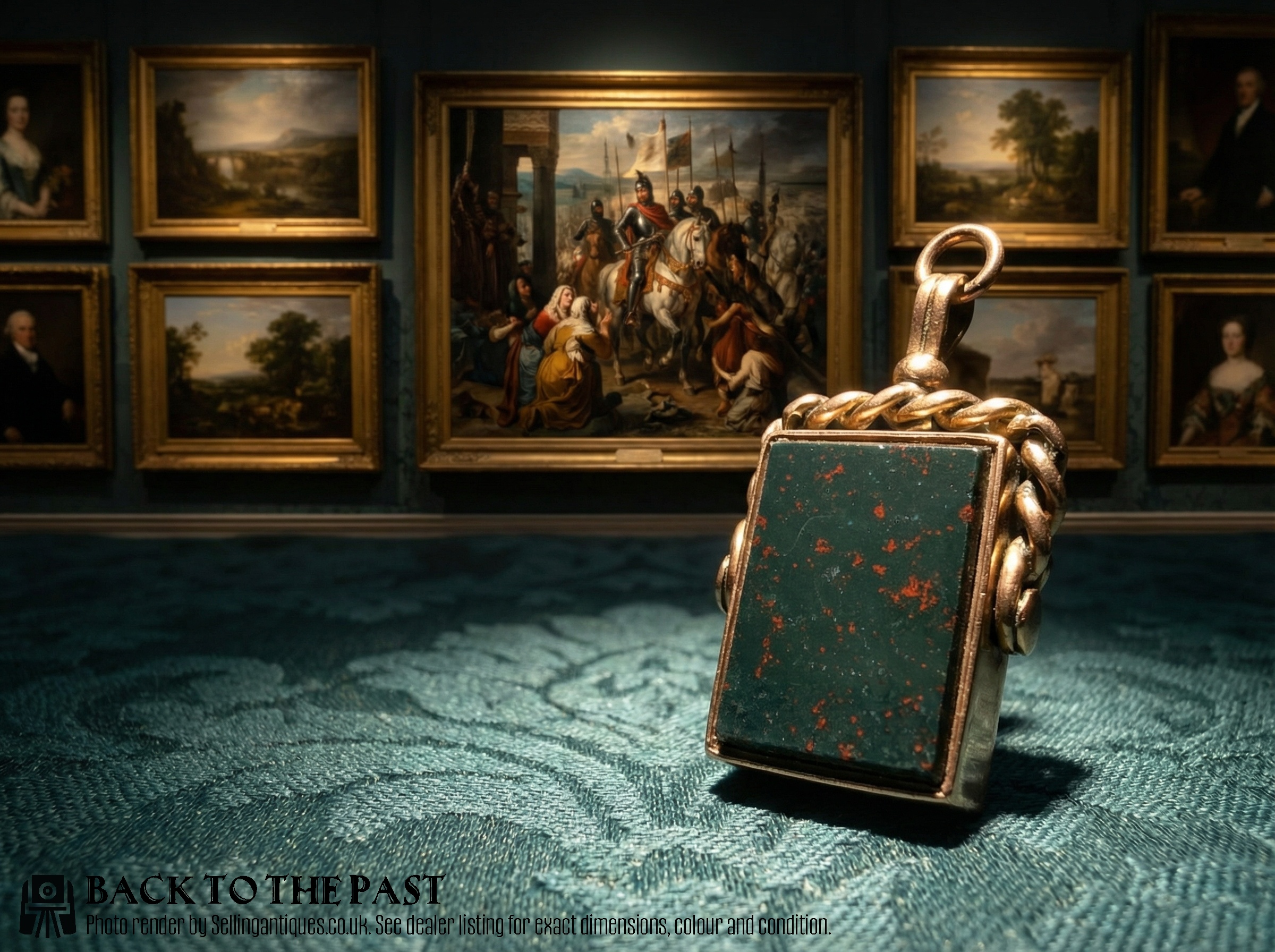
Victorian gold charm
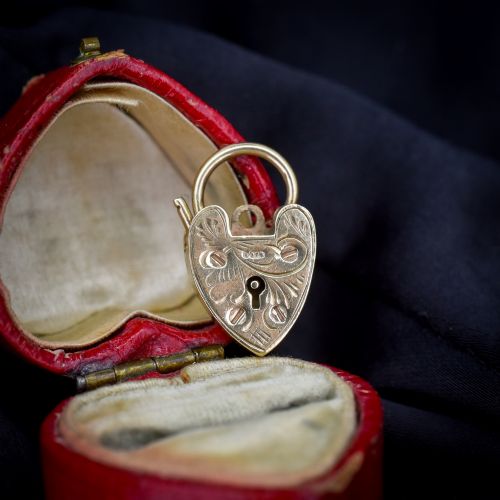
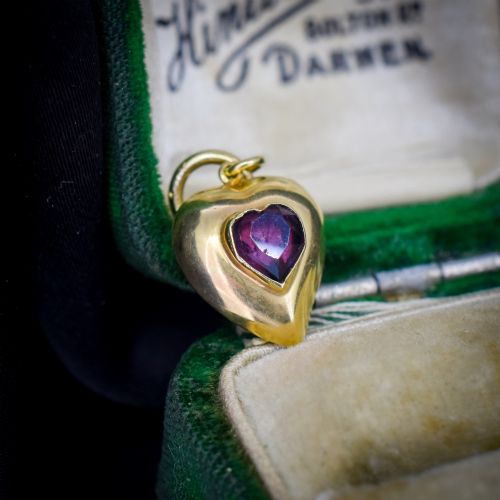
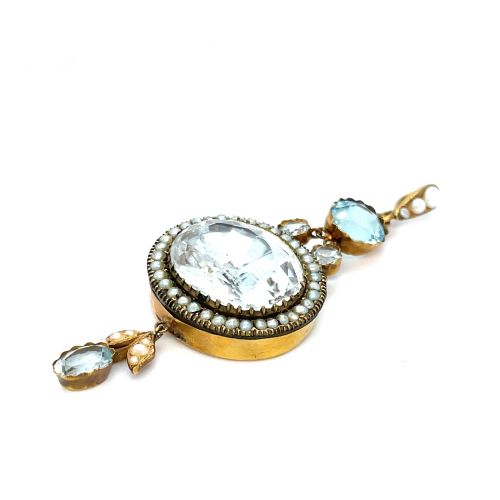
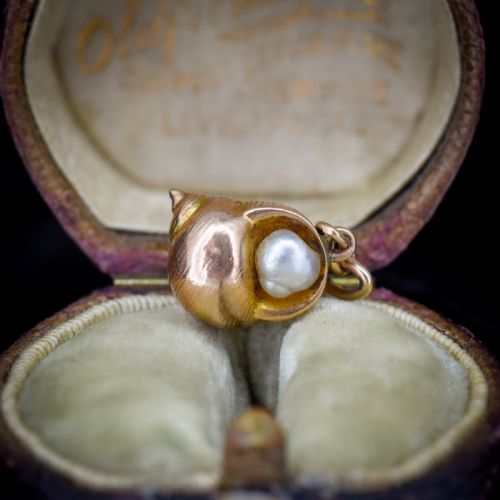
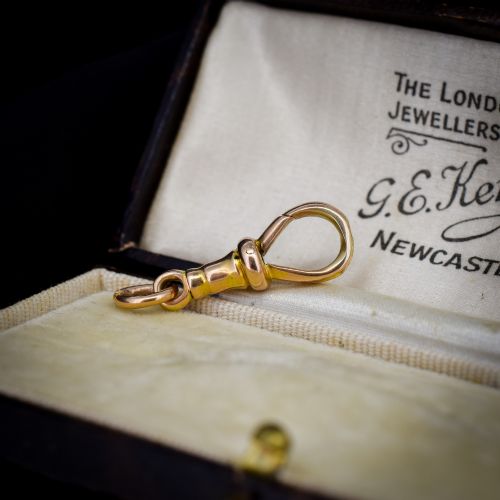
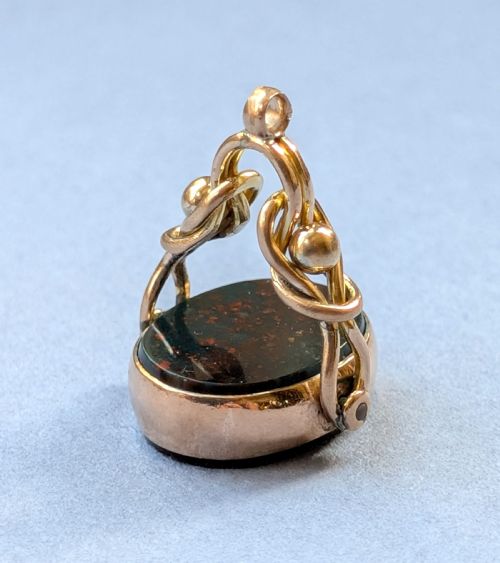
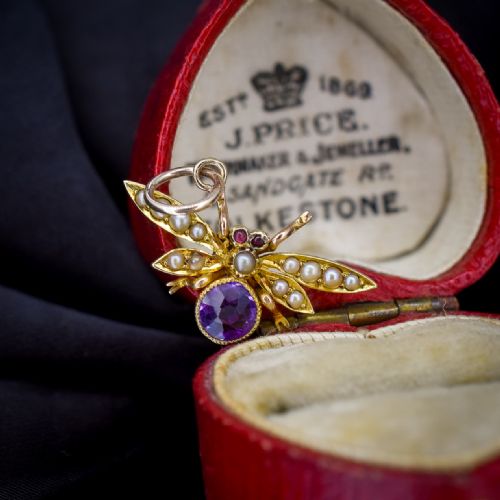
Every Victorian gold charm on this page reflects the miniature craftsmanship of the nineteenth century, taking forms such as puffy hearts, watch keys, spinning fobs, and seashells. Buyers will most frequently encounter pieces fashioned from nine-carat or fifteen-carat gold, often enhanced with small diamonds, pearls, or coloured enamel.
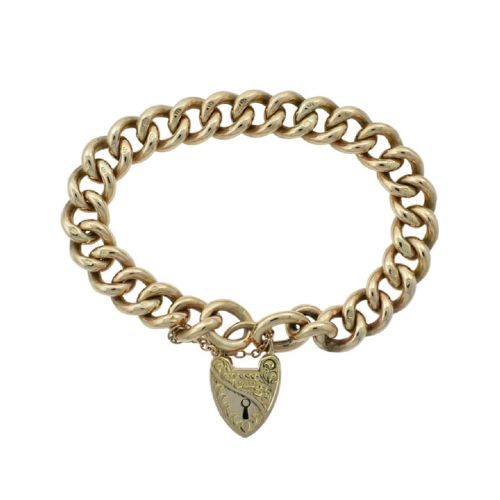
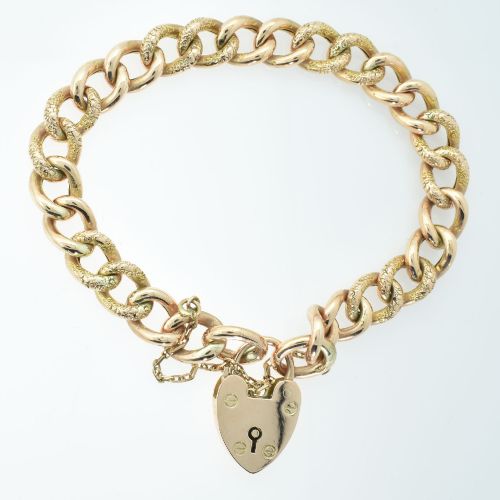
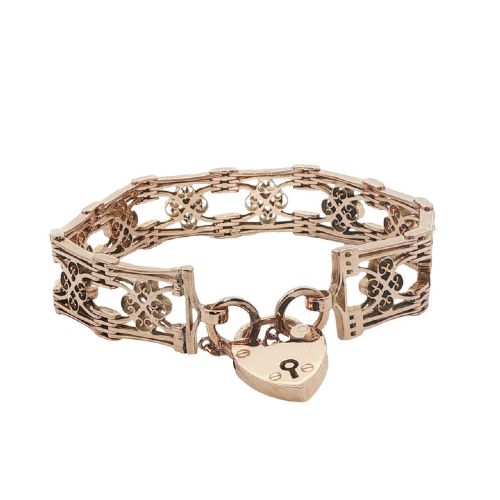
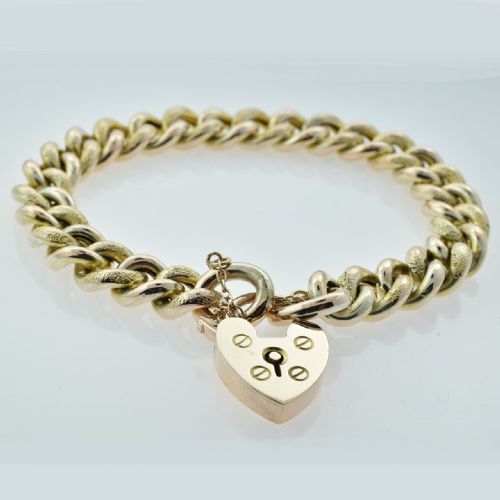
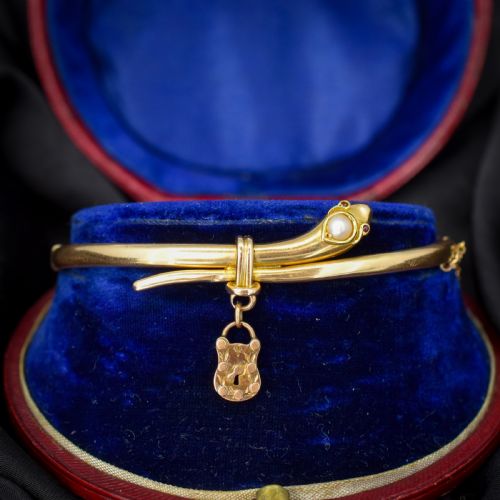
The selection ranges from functional items adapted for wear, like propelling pencils and watch keys, to purely decorative pendants and charm bracelets complete with heart padlocks. Dating predominantly from the Victorian era into the very beginning of the twentieth century, these items offer a tangible link to the personal adornments of the past.
How they were made
Goldsmiths of the period utilised nine-carat and fifteen-carat gold, working both yellow and rose variants to create hollow puffy hearts, solid engraved crosses, and articulated forms. Metalwork was frequently paired with gemstones including diamonds, turquoise, bloodstone, and agate, or decorated with translucent guilloche enamel.
Techniques such as hand engraving and hallmarking ensured both structural integrity and verifiable origins, as seen on pieces bearing dates from the late nineteenth century. Small pearls and gemstones were securely set into the gold mountings to accent seashells, stars, and shield motifs.
Retail Price Guide 2026
Typical UK retail prices for victorian gold charm, calculated from the Sellingantiques database of over a million retail prices indexed since 2003. This retail price guide relies exclusively on Sellingantiques data; no external sources or auction records are used, so the figures do not describe the wider market.
Stones recorded in the inventory include diamond, pearl, turquoise, bloodstone, and agate.
What varies in quality
Quality in these pieces is dictated by the crispness of the hand engraving, the complexity of the internal mechanism in items like spinning fobs and propelling pencils, and the preservation of delicate guilloche enamel. Superior examples maintain their original volume without dents in the hollow gold components.
The choice of materials also elevates a piece, with higher carat golds and the inclusion of well-matched diamonds or natural pearls marking out the finest work from standard production. Artisanal articulation in moving parts, such as the tail of a fish charm, demonstrates exceptional skill.
The Victorian Gold Charm Glossary
- Guilloche enamel
- A decorative technique where intricate geometric patterns are mechanised into the metal beneath a translucent layer of coloured enamel. This provides depth and subtle shimmer to hearts and pendants.
- Watch key
- A small functional implement once used to wind pocket watches, frequently worn as a charm on a chain or bracelet. They often incorporate hardstones like bloodstone or agate.
- Spinning fob
- A rotating pendant mounted in a swivel frame, traditionally used for sealing wax documents. One or more faces typically display hardstones or engraved initials.
- Puffy heart
- A hollow charm constructed from two domed pieces of gold soldered together to create a three-dimensional heart. They are frequently engraved or set with diamonds and pearls.
Frequently Asked Questions
How do I wear a antique charm?
These pieces can be suspended from a fine chain as a pendant or added to a traditional charm bracelet secured with a heart padlock. Many were originally designed for dual purposes, such as watch keys or propelling pencils.
When wearing hollow gold items like puffy hearts on a daily basis, ensure the chain or bracelet loop is secure to prevent loss.
How can I date my charm?
Dating relies on hallmarks stamped into the gold, stylistic cues, and the presence of specific gemstones or enamelling techniques. British hallmarks from the period often include assay office symbols and date letters.
Comparisons with documented pieces from the late nineteenth century help narrow down the year of manufacture.
Are these charms solid gold?
The material composition varies between solid gold construction and hollow forms designed to reduce weight and cost while maintaining a bold visual presence. Puffy hearts and larger pendants are typically hollow.
Listings specify the carat of the gold, such as nine-carat or fifteen-carat, indicating the precise proportion of precious metal used.