

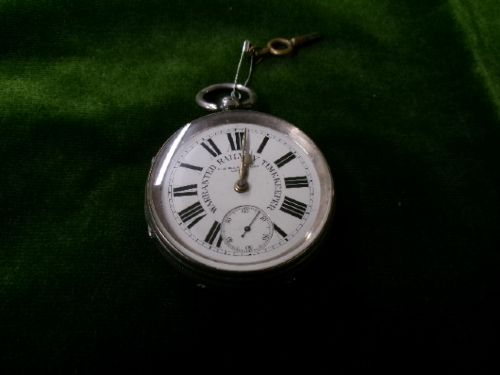
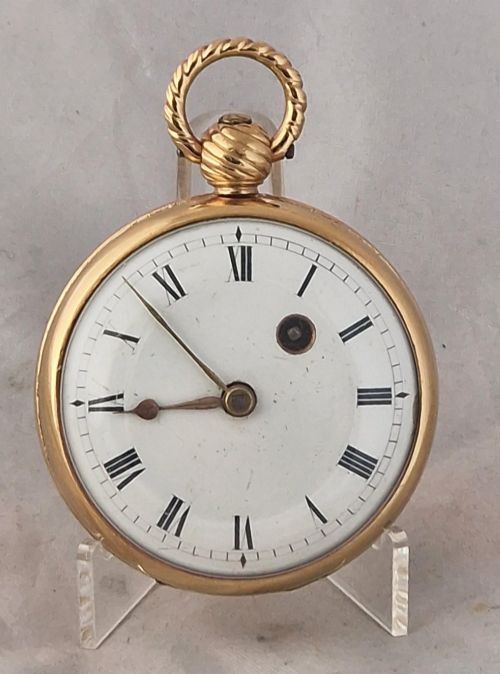


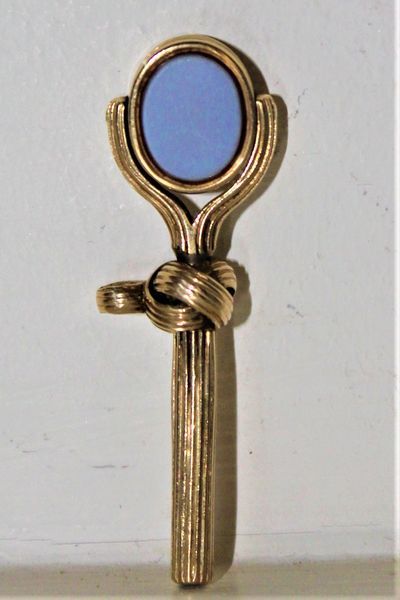

Antique Pocket Watch Key
These antique pocket watch key examples are small, functional brass, silver, and gold winding tools that collectors prize for their intricate mechanical design.
Antique Pocket Watch Key
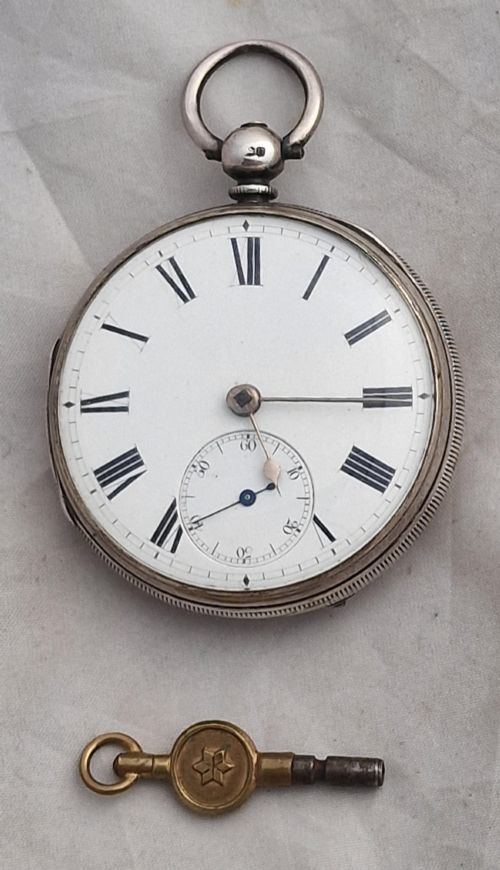
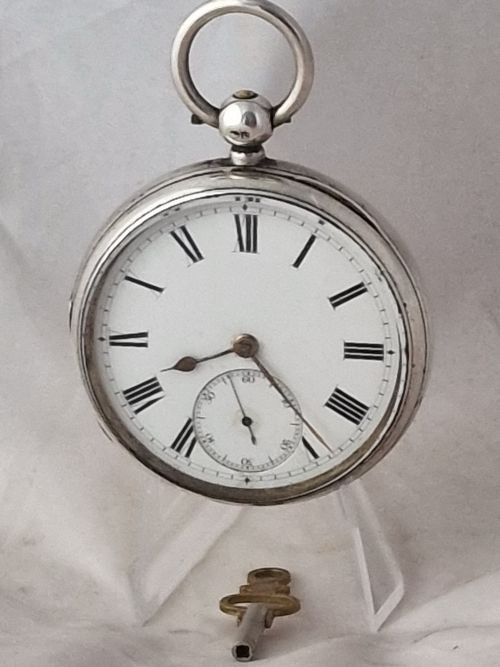
An antique pocket watch key is a small winding implement designed to fit the square arbor of early fusee and key-wind movements.
You are most likely to meet Victorian and 19th-century examples fashioned from brass, silver, or 18ct gold.
Many of these pieces double as pendants or swivel fobs, often set with bloodstone or agate.
Materials and construction
Metals such as steel, brass, and gilt brass form the robust functional stems and barrels required to turn watch movements.
Precious metals like sterling silver and 18ct gold appear alongside decorative elements of enamel and glass.
Goldsmiths and silversmiths shaped these metals into small spinning fobs, seals, and keys, occasionally incorporating stones.
Antique Pocket Watch Key Retail Price Guide 2026
Typical asking prices for pocket watch key among the pieces listed under this phrase on Sellingantiques today, from the lower quarter to the upper quarter. They describe what is for sale here now, not the wider market.
Some keys double as spinning seals, ready to stamp hot wax after you finish winding.
Assessing quality and craftsmanship
The distinction between ordinary and superior pieces lies in the precision of the metalwork and the integration of decorative stones.
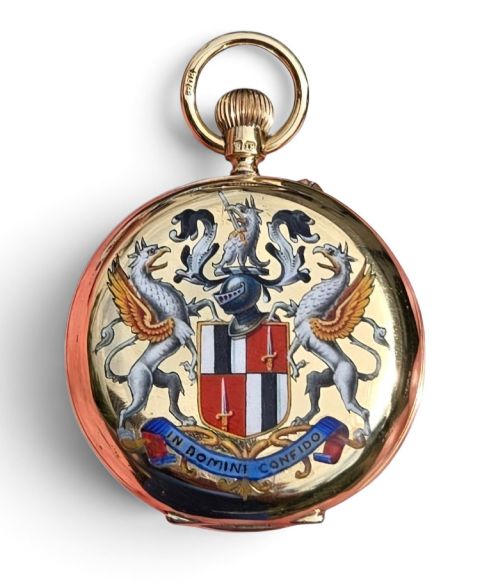
Examples incorporating precious materials like 18ct gold or detailed enamel backings demonstrate higher workshop skill.
The presence of functioning swivel mechanisms and crisp turning barrels elevates the standing of an individual piece.
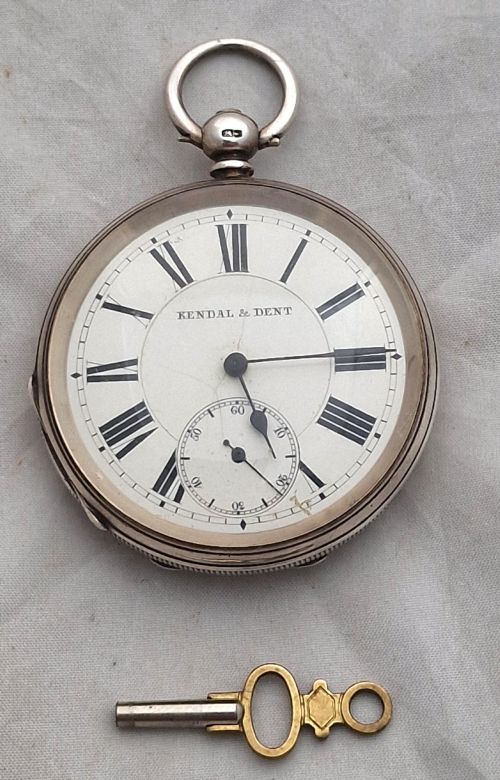
Kendal and Dent·R Stewart Glasgow·J W Benson·Stauffer Cx de Fond
The Antique Pocket Watch Key Glossary
- Fusee
- A conical pulley used in older watches to maintain even tension on the mainspring as it unwinds. This mechanism requires a specific winding key.
- Fob
- A small ornament attached to a ribbon or chain hanging from a pocket watch. They frequently incorporate seals or hardstones.
- Verge
- An early type of escapement mechanism found in older pocket watches. It relies on a crown wheel and a oscillating rod.
- Arbor
- The tiny square axle or shaft onto which the pocket watch key fits to wind the mainspring. Each key bore must match this specific gauge.
- Swivel
- A pivoting connection allowing the attached key or fob to turn freely on a chain without twisting the metal links.
Antique Pocket Watch Key: Frequently Asked Questions
What is a pocket watch key used for?
These keys were essential tools for winding the mainspring of mechanical timepieces before stem-winding mechanisms became standard practice.
Owners carried them on watch chains alongside fobs and seals for daily use.
How do I know the correct size?
The internal bore of the tubular end must match the square winding arbor on the movement.
Keys were produced in graduated sizes to fit various pocket watch calibres.
Can I wear these as jewellery?
Many examples feature suspension loops designed to attach directly to watch chains or necklaces.
Gold and silver specimens set with bloodstone or agate function well as decorative pendants.
How do I date an antique key?
Dating relies on the prevailing styles of the Victorian, Georgian, and 19th-century periods, alongside material hallmarks.
Precious metal versions often bear assay office stamps and date letters.