


18th Century Pocket Watch
These 18th century pocket watch pieces are mechanical marvels of timekeeping, offering you a direct connection to Georgian precision and artistry.
What an 18th century pocket watch is
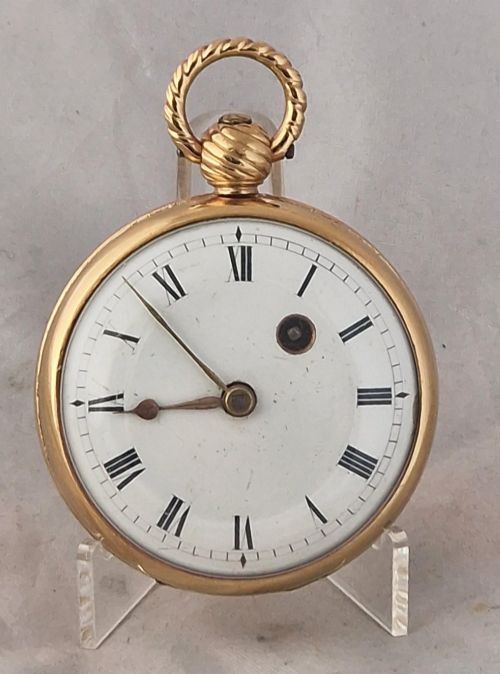
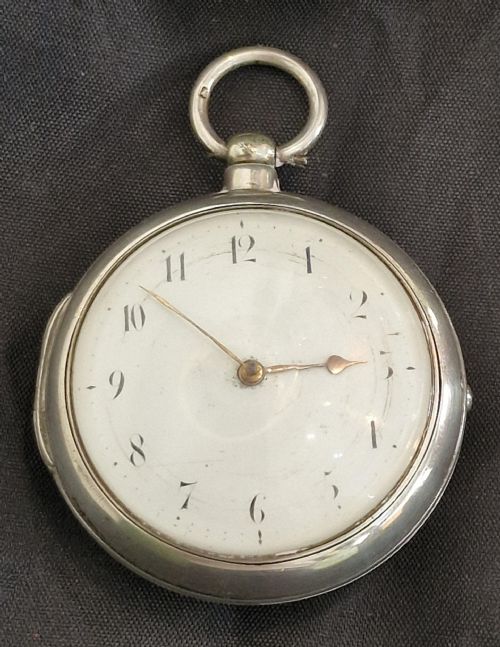
An 18th century pocket watch represents the height of Georgian and 18th Century horology, encompassing portable timepieces alongside related watch accessories like steel pendant watch hooks. You will encounter various forms here, ranging from early silver pair cased pocket watches to gold and gilt brass examples.
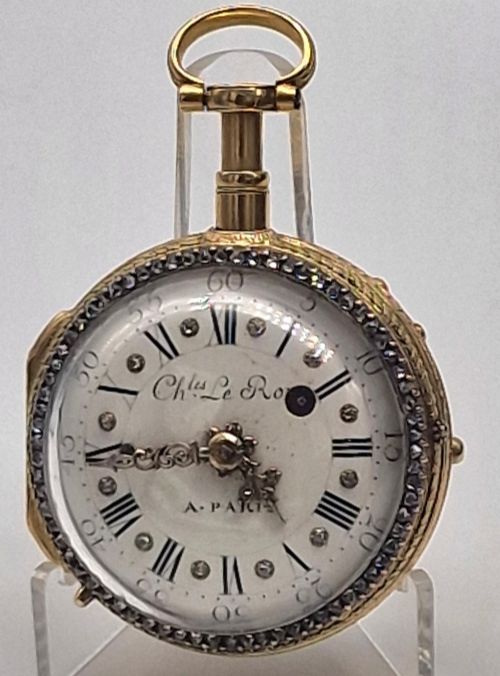
Origin and styling vary across the selection, featuring English makers alongside 18th Century French and Louis XVI designs. Collectors frequently find decorative details such as champleve dials, painted horn back cases, and enamel backs.
How they were made
Watchmakers of this era utilised a combination of metals including silver, gold, gilt brass, and steel to construct the intricate movements and outer housings. Fusee verge movements regulated the power delivered from the mainspring through a chain and conical pulley.
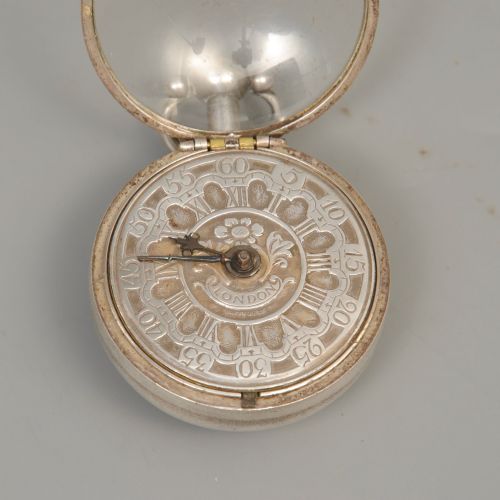
Protective outer elements often incorporated horn, glass, and enamel alongside precious metals, sometimes embellished with gemstones. Pair cased designs employed an inner case to house the movement and an outer case for daily protection against dust and wear.
Retail Price Guide 2026
Typical UK retail prices for 18th century pocket watch, calculated from the Sellingantiques database of over a million retail prices indexed since 2003. This retail price guide relies exclusively on Sellingantiques data; no external sources or auction records are used, so the figures do not describe the wider market.
Someone spent decades keeping watch hooks sturdy in steel so pocket watches would not end up on the tavern floor.
What varies in quality
The refinement of the movement and the intricacy of the outer case dictate the standing of a piece within the range. Elaborate enamel work, gemstone setting, and sophisticated quarter-repeating mechanisms elevate certain watches above standard timepieces.
Material choice plays a significant role, distinguishing solid gold or silver pair cased examples from gilt brass alternatives. The preservation of original decorative elements, such as painted horn backs and champleve dials, defines the distinction between ordinary survivals and superior items.
Charles Le Roy Paris·J Wilders London·James Schofield
The 18th Century Pocket Watch Glossary
- Pair cased
- A watch design utilising two separate cases, where an inner case protects the movement and an outer case shields the whole assembly. This configuration was standard for many silver and gold watches of the period.
- Verge
- An early escapement mechanism regulating the speed of a watch using a crown wheel and pallet impulses. It remains a defining mechanical feature of Georgian pocket watches.
- Fusee
- A conical pulley connected to the mainspring by a chain, designed to equalize the diminishing power of the spring as it unwinds. This mechanism ensures more accurate timekeeping across the winding cycle.
- Champleve
- A technique where troughs are carved into a metal dial and filled with enamel before firing and polishing. This creates durable patterned or numerical designs on the face.
- Quarter-repeating
- A complication enabling the watch to strike the hours and quarters upon demand through the activation of a slide or pendant. Such mechanisms represent advanced horological skill.
Frequently Asked Questions
How do you wind an 18th century pocket watch?
These watches generally require a small key inserted through the dial or the back case to tension the mainspring via the fusee.
Great care must be taken during this process to avoid overwinding or damaging the delicate eighteenth-century gearing systems.
Are these watches suitable for daily wear?
While these timepieces remain mechanical marvels, their age and delicate construction make them better suited for collection and careful display rather than rugged everyday use.
Regular professional servicing by a specialist horologist is essential if you intend to keep them running accurately.
How can you tell French and English watches apart?
English watches of this period frequently employ pair cases and fusee verge movements, often bearing the signature of London makers on the backplate.
French examples, such as those in the Louis XVI style, often showcase decorative enamel backs and distinct Parisian signatures on the dial.