

Sterling Silver Watch
A sterling silver watch connects you to an era of precision engineering, traditional craftsmanship and enduring personal utility.
Sterling Silver Watch
How they were made
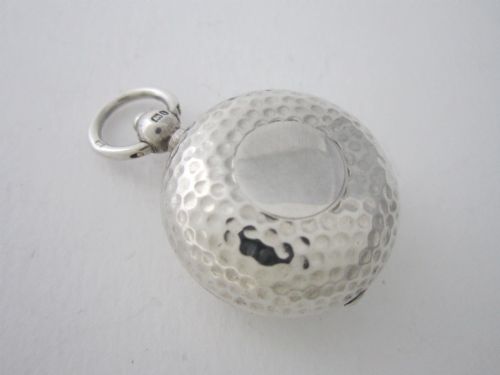
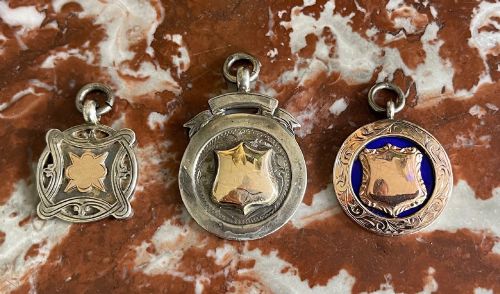
Silversmiths and watchmakers utilised traditional techniques such as hand stamping, engine turning and silver casting to form the watch cases, albert chains and sovereign holders. Components were shaped from sterling silver, frequently supported by internal brass and steel movement parts, occasionally accented with gold or rose gold details.
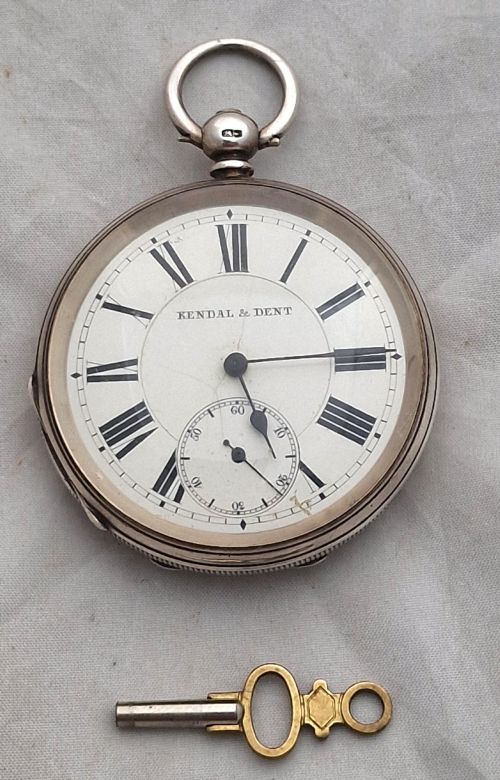
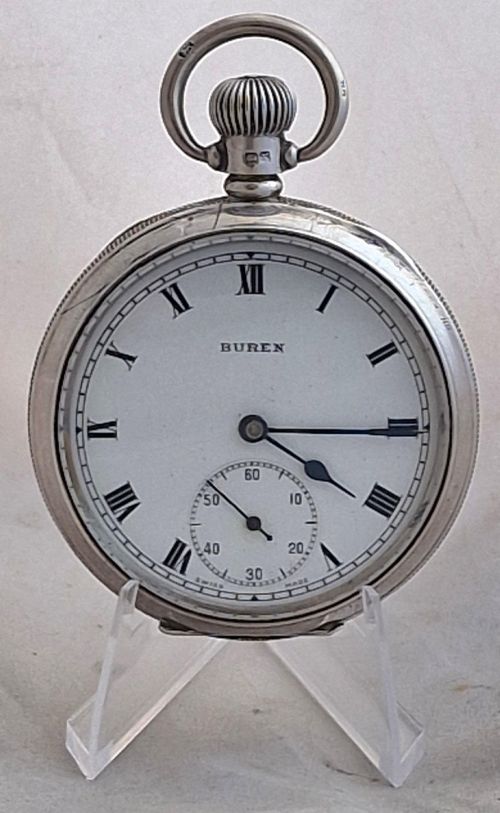
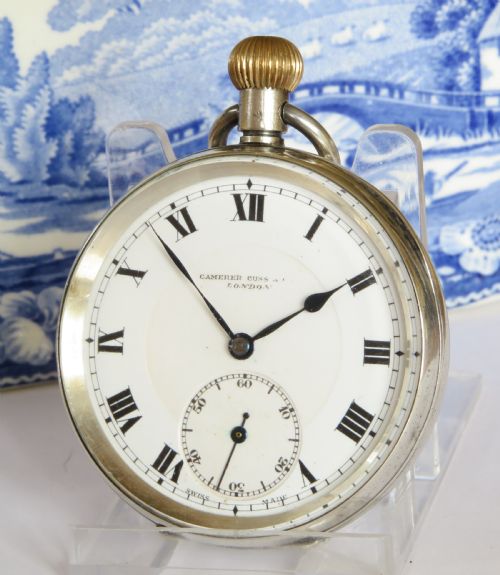
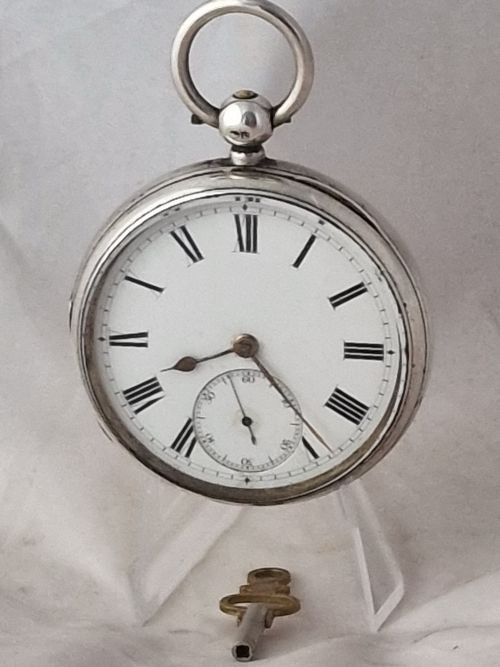
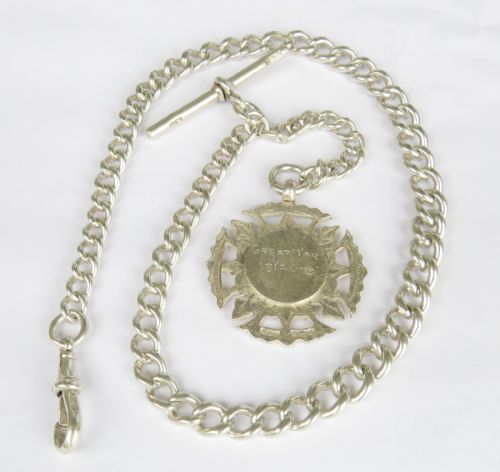
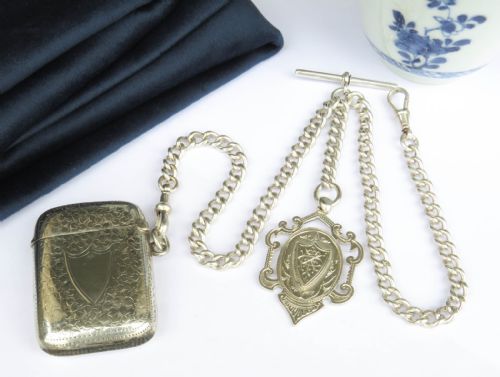
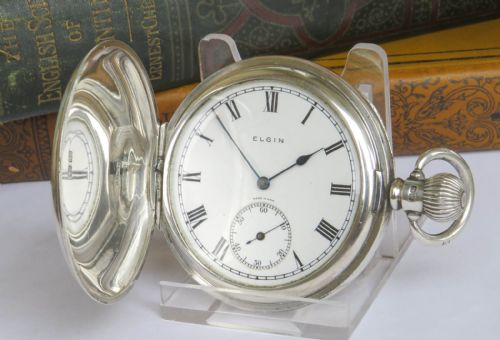
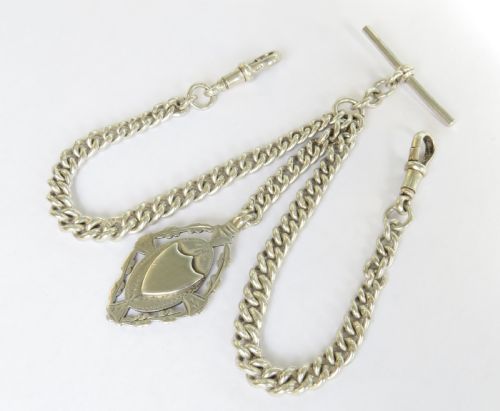
Dials often combined white enamel with painted numerals and delicate glass crystals, while chains were assembled from individual uniform curb, figaro or love knot links fitted with dog clips and T-bars. Hallmarks stamped directly into the metal record the assay office, year and standard of sterling silver used.
Sterling Silver Watch Retail Price Guide 2026
Typical asking prices for sterling silver watch among the pieces listed under this phrase on Sellingantiques today, from the lower quarter to the upper quarter. They describe what is for sale here now, not the wider market.
Materials recorded across these items include solid sterling silver, enamel, glass, brass, steel, and gold accents.
What varies in quality
Quality in a sterling silver watch and its related chains depends upon the precision of the mechanical movement, the reputation of the maker and the crispness of the exterior hallmarks and engravings. Finer examples display intricate hand-finished details on the case, robust link construction on albert chains and sophisticated jewelled movements from recognised makers.
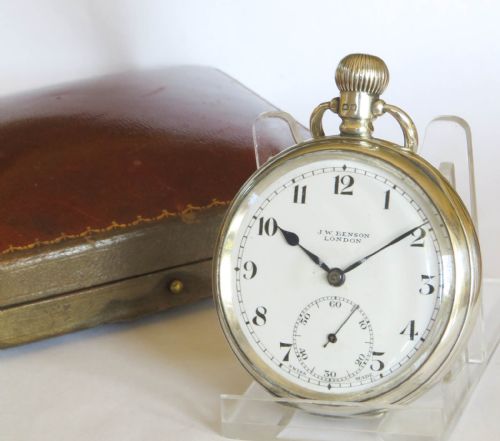
Heavier gauge silver items and those retaining original fitted presentation boxes or matching hallmarked fobs generally represent the higher tier of survival from this period. The clarity of enamel dials and the preservation of original polish without excessive wear to the underlying metal further distinguish superior specimens.
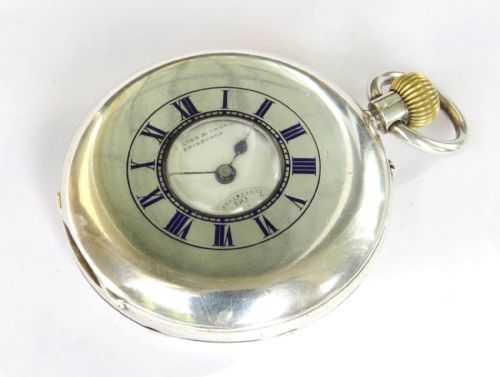
Hamilton & Inches·Kendal & Dent·J W Benson·Buren·Camerer Cuss·Aaron Lufkin Dennison·Longines
The Sterling Silver Watch Glossary
- Albert chain
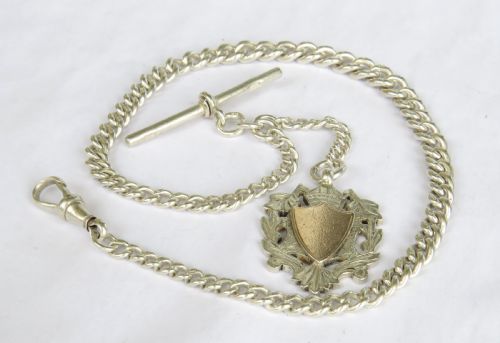
- A chain worn across the waistcoat to secure a pocket watch, typically fitted with a T-bar at one end and a dog clip at the other. These accessories frequently include attached fobs or sovereign cases.
- Hunter
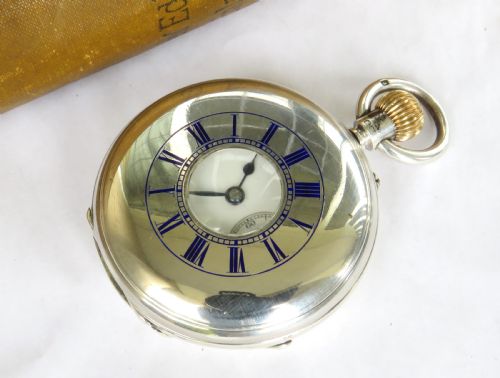
- A pocket watch featuring a spring-loaded metal cover that protects the glass dial from damage. Half hunter versions include a small glass aperture or marked ring on the outer lid to check the time without opening the case.
- Fusee
- A conical pulley mechanism inside older pocket watches designed to maintain even tension on the mainspring as it unwinds. This mechanical addition improves timekeeping accuracy across the power reserve.
- Hallmark
- An official stamp applied by an assay office indicating the purity of the metal, the maker and the year of manufacture. British pieces typically show a lion passant for sterling silver alongside date letters.
- T-bar
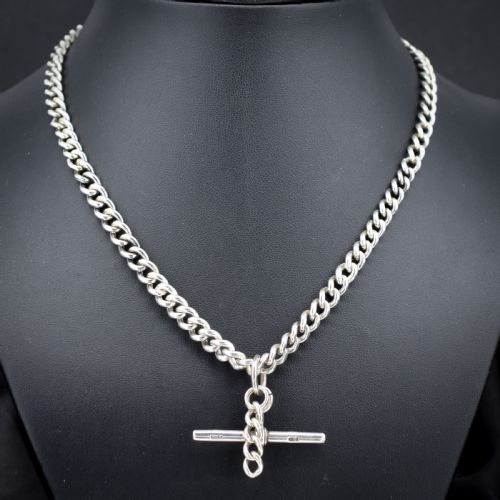
- The crossbar piece attached to the middle or end of an albert chain designed to pass safely through a buttonhole on a waistcoat or jacket. It anchors the chain securely while the watch sits in a pocket.
Sterling Silver Watch: Frequently Asked Questions
How do I wear a pocket watch chain?
An albert chain secures your timepiece by passing the T-bar through a central waistcoat buttonhole, allowing the watch to rest safely in the lower pocket. The remaining length of chain and any attached fobs drape across the front of the garment.
Alternatively, shorter chains can be used to attach watches securely to belt loops or handbags for modern display. Ensure the dog clip fastens firmly to the watch loop before wearing.
How do I read silver hallmarks?
British silver hallmarks consist of a series of stamped symbols indicating the standard of metal, the assay office location and the exact year of production. A lion stamp confirms sterling silver purity, while an accompanying letter reveals the specific assay year.
Matching stamps across both the watch case and the attached albert chain indicate original synchronicity of the items. Consulting standard reference tables allows you to date these pieces accurately.
What maintenance do antique watch movements require?
Mechanical timepieces from the Victorian and Edwardian eras require gentle manual winding and occasional professional servicing to keep the internal gears operating smoothly. Avoid over-winding the mainspring to prevent internal damage.
Store your timepiece in a dry environment away from extreme temperature fluctuations when not being worn. Many collectors use specialised watch stands or glass display domes to house their pieces safely.