
Roman Numeral Watch
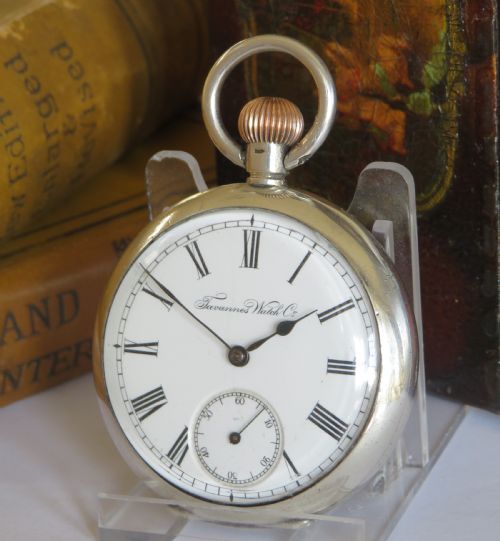
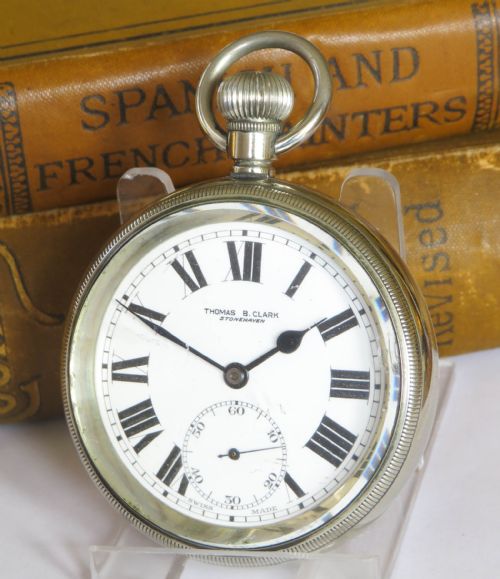
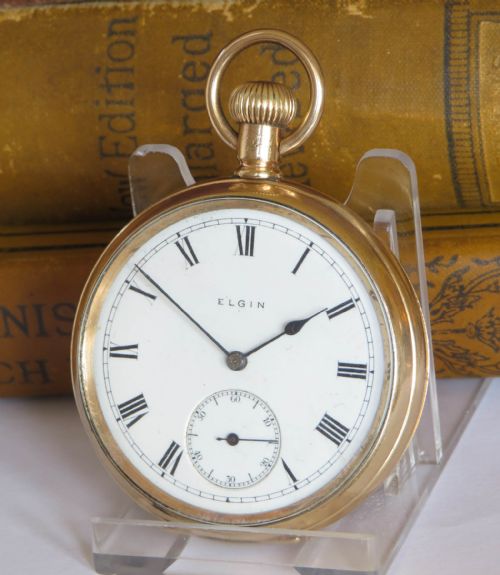
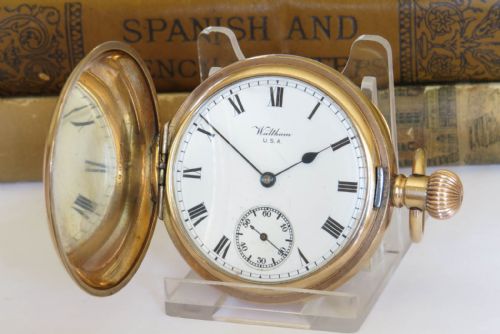
A roman numeral watch brings together traditional dial markers and pocket watch forms spanning the Victorian era through the mid-twentieth century.
Roman Numeral Watch
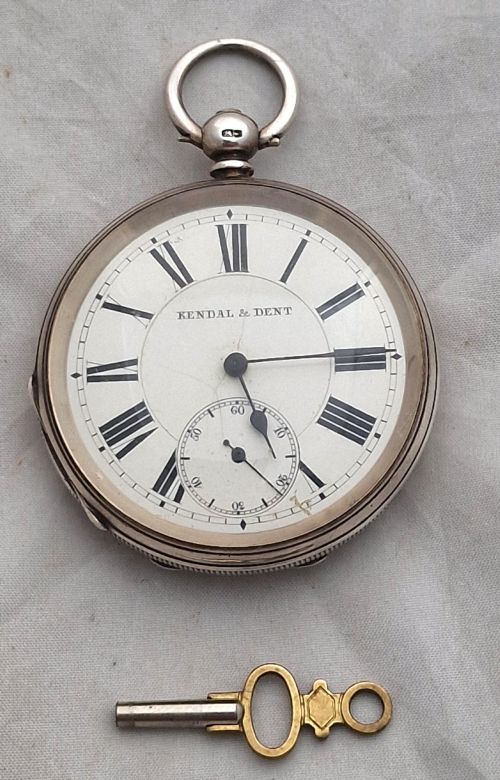
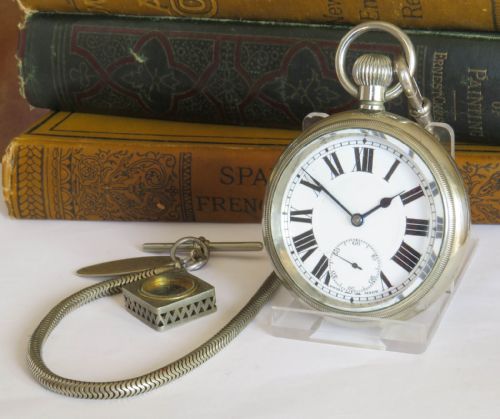
Every roman numeral watch listed here follows traditional pocket formats, predominantly appearing as pocket watches alongside variants paired with alberts, compasses, and fobs. These timepieces serve buyers seeking mechanical heritage items from the Victorian period through to the 1940s.
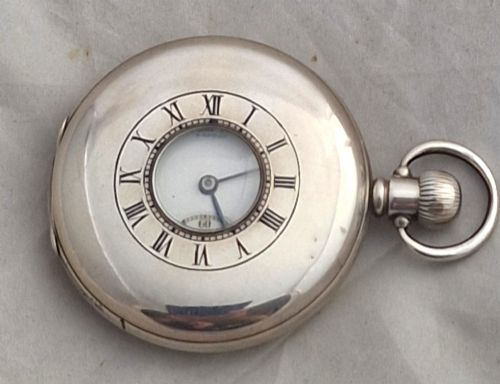
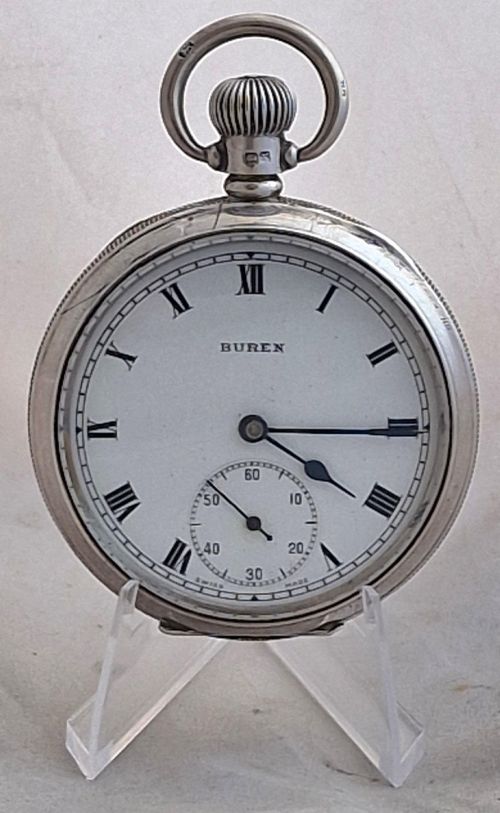
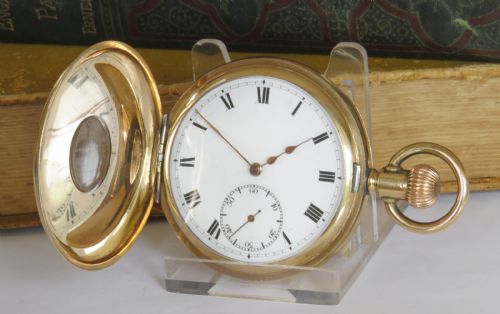
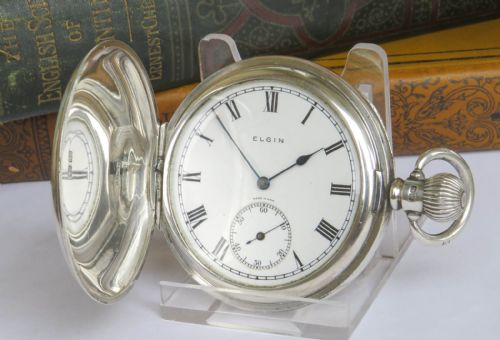
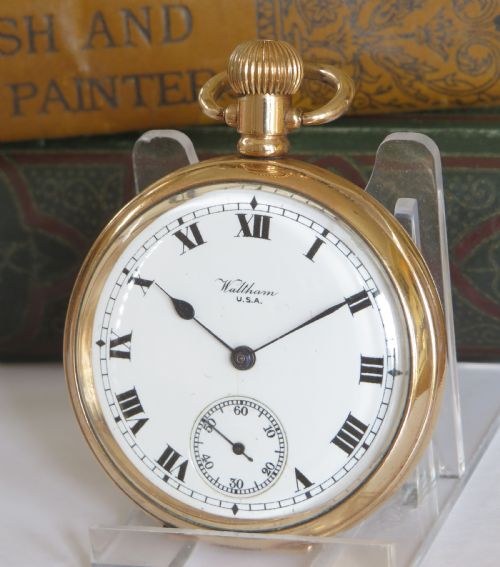
The selection ranges widely across decades, drawing heavily on early twentieth-century examples, 1920s Art Deco pieces, and Edwardian specimens. Buyers frequently encounter both full hunter designs and open-face variants bearing distinct traditional chapter rings.
Originating largely from British and international workshops, these objects capture a period when portable timekeeping relied entirely on mechanical movements and legible dial work. The styles transition from late nineteenth-century ornamentation into streamlined mid-century utility.
Materials and construction
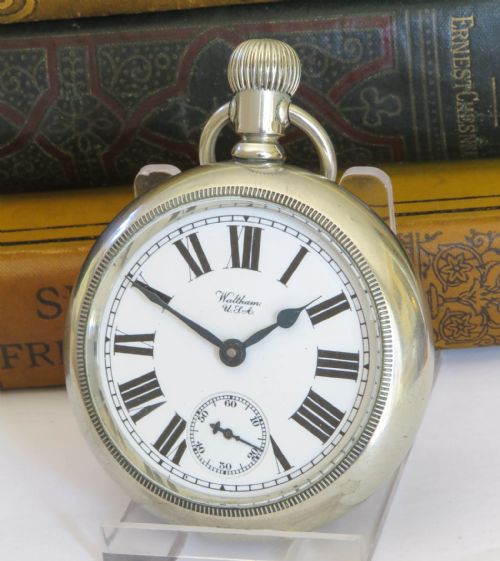
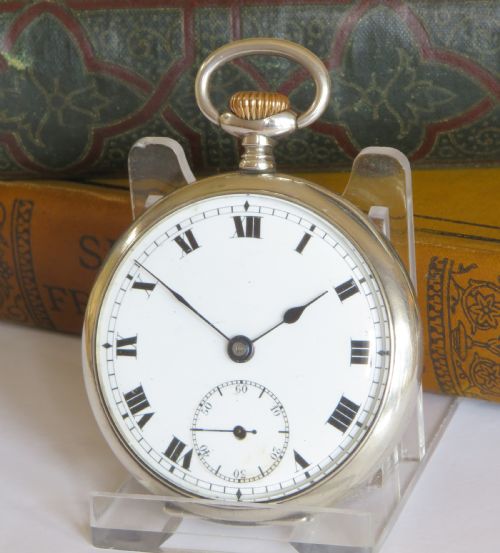
Construction relies upon robust metals including silver, gold, gold plate, steel, brass, and general mixed metals to house intricate mechanical gear trains. These casings frequently protect delicate enamel dials marked with dark numerals and glass crystals that shield the hands.
Watchmakers utilised precise metalworking techniques to fabricate cases, hinges, and bezels, often incorporating protective outer lids in half hunter and full hunter formats. Enamel application on dials required skilled firing to achieve smooth, crack-resistant surfaces capable of holding crisp chapter markings.
Roman Numeral Watch Retail Price Guide 2026
Typical asking prices for roman numeral watch among the pieces listed under this phrase on Sellingantiques today, from the lower quarter to the upper quarter. They describe what is for sale here now, not the wider market.
Listings span eight distinct decades of production, incorporating materials from base metals and brass to solid silver and gold.
Quality factors
The standard of a roman numeral watch rests upon the precision of its movement, the clarity of its enamel dial, and the integrity of its metal case. Finer examples display refined movement finishing, crisp dial typography, and tight case closures that protect the interior mechanics.
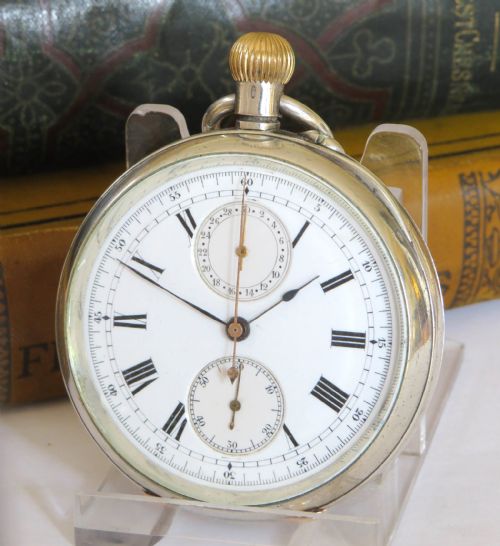
Variations in quality also stem from the reputation of the maker and the complexity of the piece, such as the inclusion of chronograph functions or full hunter covers. Well-preserved casework and unblemished enamel separate superior specimens from simpler, heavily worn alternatives.
Kendal and Dent·Hinds London·Buren·Guinand·Waltham·Record·Limit Revue·Elgin·Tavannes·Syren·Stauffer·Zenith·Omega·Everite·Revue·Vertex·Smiths
The Roman Numeral Watch Glossary
- Half hunter
- A pocket watch featuring an outer case with a glass or open centre panel, allowing the user to view the hands without opening the cover. This design protects the enamel dial from direct impact while maintaining readability.
- Full hunter
- A pocket watch equipped with a solid spring-loaded metal cover that entirely encloses and shields the dial. The cover springs open via a push-piece on the crown.
- Albert chain
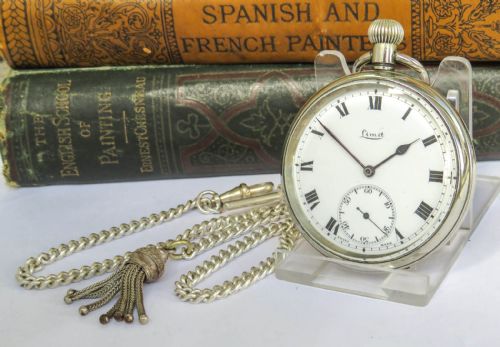
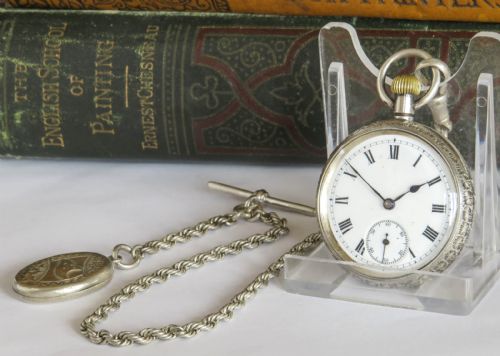
- A short length of chain attached to a pocket watch, designed to secure the timepiece to a waistcoat or belt buttonhole. These often incorporate accessories like fobs or compasses.
- Chronograph
- A watch equipped with a secondary independent sweep second hand that measures elapsed time. This mechanism operates via start and stop pushers.
- Goliath
- An oversized pocket watch, significantly larger than standard specimens, frequently housed on a desk stand or carried in a heavy coat pocket. They often house eight-day movements.
Roman Numeral Watch: Frequently Asked Questions
How do I wind a mechanical pocket watch?
Winding is performed by turning the crown at the top of the watch clockwise until gentle resistance is felt. Care must be taken not to force the mechanism past its stopping point to avoid damaging the mainspring.
Most vintage pieces require daily winding to maintain accurate timekeeping throughout use.
How are pocket watches measured for age?
Dating relies primarily on serial numbers engraved upon the movement or interior case, alongside hallmarks stamped into silver and gold metalwork. These official assay marks indicate the specific assay office and year of manufacture.
Stylistic shifts in dial typography and case shaping also help narrow down the production decade.
Can I wear a pocket watch without a waistcoat?
Pocket watches attach securely to belt loops, jacket pockets, or buttonholes using an albert chain or leather fob strap. The watch simply rests inside the pocket while the chain fastens externally for security.
This method allows everyday wear across a variety of modern and traditional garments.