



London Pocket Watch
A london pocket watch brings precision timekeeping into your hand, spanning from early verge fusee movements to twentieth-century railway issues.
London Pocket Watch
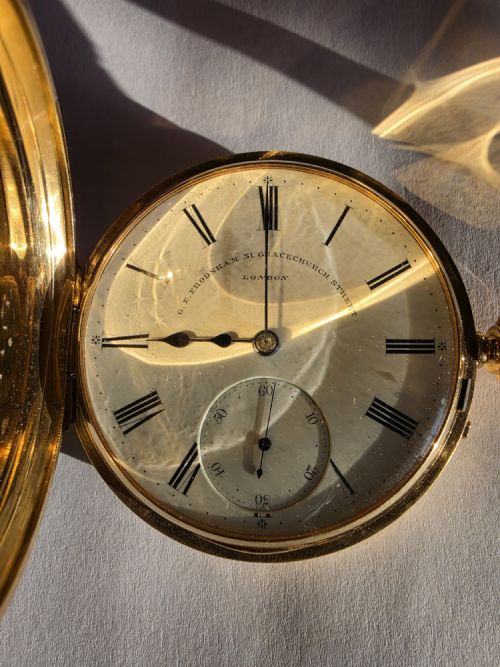
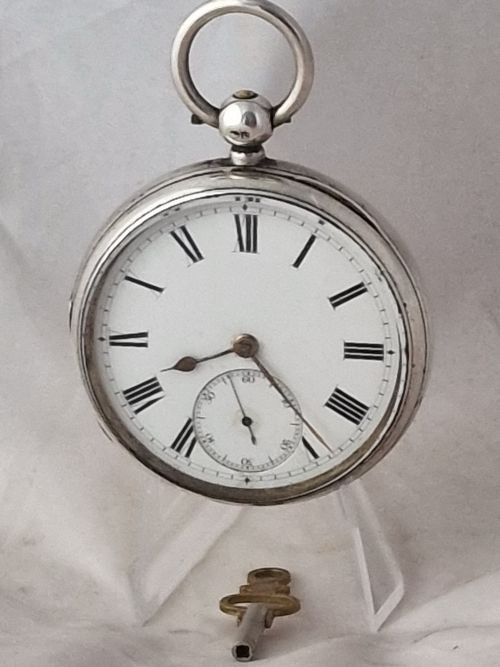
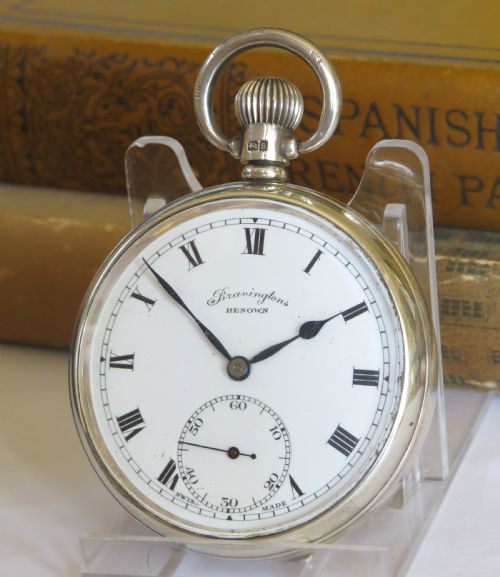
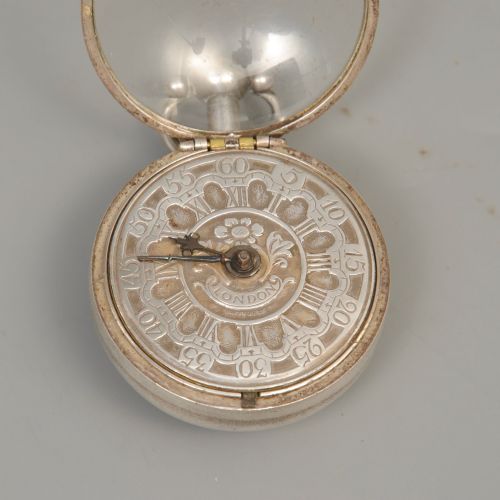
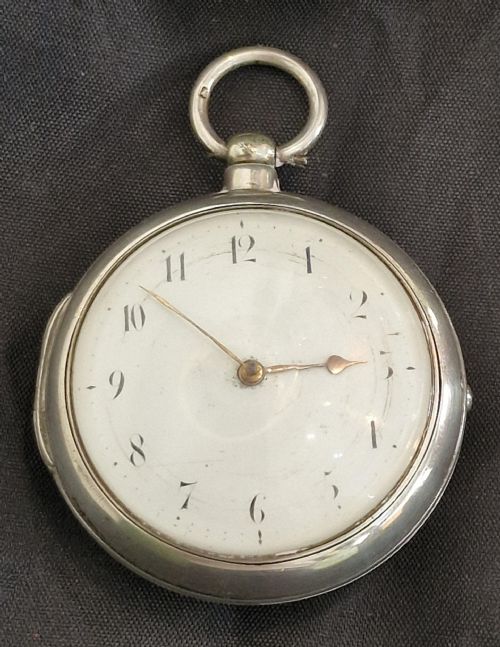
A london pocket watch represents centuries of horological craftsmanship, originating from workshops and retailers based in the capital. The items seen here range from eighteenth-century pair-cased silver timepieces to Victorian gold half hunters and later railway-issued pieces.
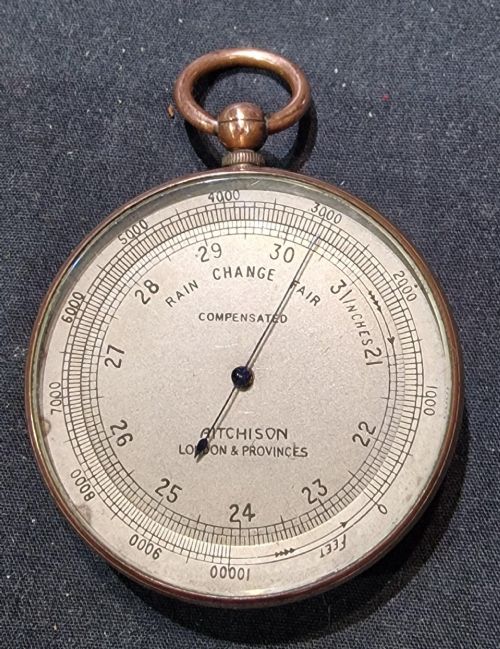
Buyers encountering this search phrase will frequently find traditional silver and gold pocket watches alongside related items such as pocket barometers and desk clocks. These pieces combine functional utility with intricate mechanical movements and decorative cases.
How they were made
Makers utilised durable metals including silver, 18ct gold, brass, and steel to construct robust outer cases and inner mechanisms. Glass protected the delicate dials, while enamel and champleve techniques added decorative colour and visual depth to the faces.
Movements relied on traditional fusee and verge escapements in earlier examples, shifting towards lever designs in later Victorian and twentieth-century production. Skilled metalworkers engraved floral patterns and railway identification numbers directly onto the gold and silver surfaces.
Materials recorded across the inventory include silver, 18ct gold, brass, glass, enamel, and nickel.
What varies in quality
The standard of a london pocket watch rests on the complexity of its internal movement and the prestige of its maker. Early verge fusee mechanisms and signed pieces from notable horologists command greater attention than standard mass-produced alternatives.
Case materials and decorative preservation also divide the range, with solid 18ct gold or finely chased silver pair cases representing higher tiers of craftsmanship. Intricate dial work, such as champleve enamel or detailed floral engraving, elevates the distinction of individual timepieces.
George Edward Frodsham·Bickley London·Bravingtons Renown·J W Benson·John May of London·Charles Frodsham·Rotherhams·Dent of London·Dwerrihouse·John Walker
The London Pocket Watch Glossary
- Verge
- An early type of escapement mechanism used in older pocket watches. It regulates the release of power from the mainspring.
- Fusee
- A conical pulley used in mechanical watches to maintain even force as the mainspring unwinds. This device improves timekeeping accuracy across the power reserve.
- Pair Case
- A double case arrangement popular in eighteenth-century watches. The inner case holds the movement while the outer case provides extra protection.
- Half Hunter
- A pocket watch case featuring a glass panel or aperture in the front cover. This allows the user to read the time without opening the case.
- Champleve
- An enamelling technique where troughs are dug into the metal surface and filled with vitreous enamel. Firing fuses the glass paste into the recessed patterns.
London Pocket Watch: Frequently Asked Questions
What is a fusee pocket watch?
A fusee pocket watch incorporates a conical pulley system to equalise the pull of the mainspring. This mechanical addition ensures consistent energy delivery to the escapement.
Such movements are typical of earlier English horology and represent a high standard of mechanical ingenuity.
How do I date an antique watch?
Dating relies on maker signatures, hallmarks stamped on the precious metal cases, and the style of the mechanical movement. Researching the working periods of recorded London watchmakers provides a reliable window of origin.
Serial numbers and specific case styles also assist in narrowing down the decade of manufacture.
Were these watches used on railways?
Yes, several pieces were officially commissioned and issued for railway staff such as stationmasters and guards. Companies like the Taff Vale Railway and London North Eastern Railway supplied reliable timepieces to ensure operational safety.
These functional watches often bear specific service stamps or issue numbers on the case or dial.