
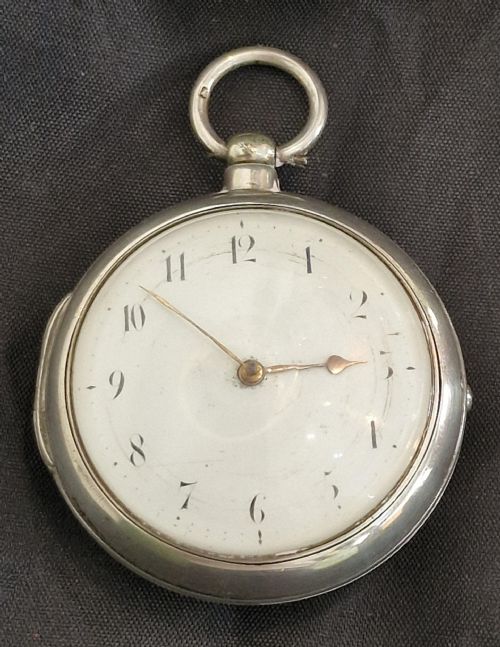

Fusee Pocket Watch
A fusee pocket watch is a mechanical timekeeper driven by a chain and a conical pulley, prized for its steady power delivery.
Fusee Pocket Watch
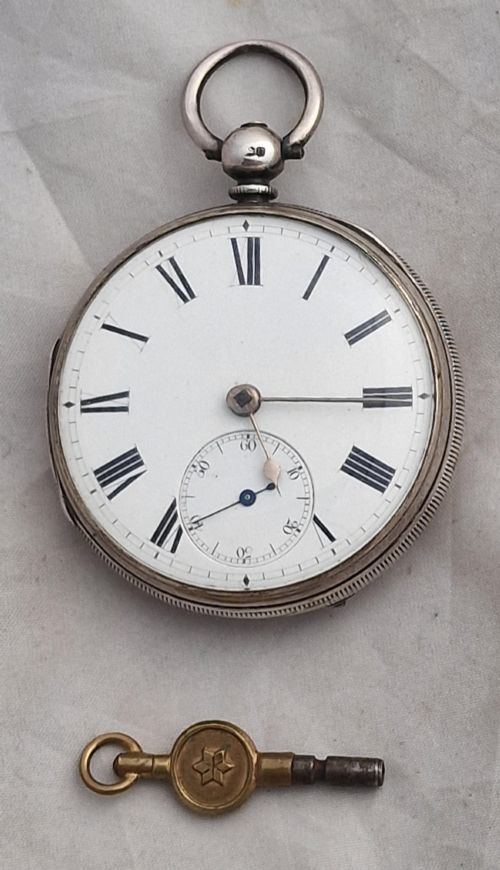
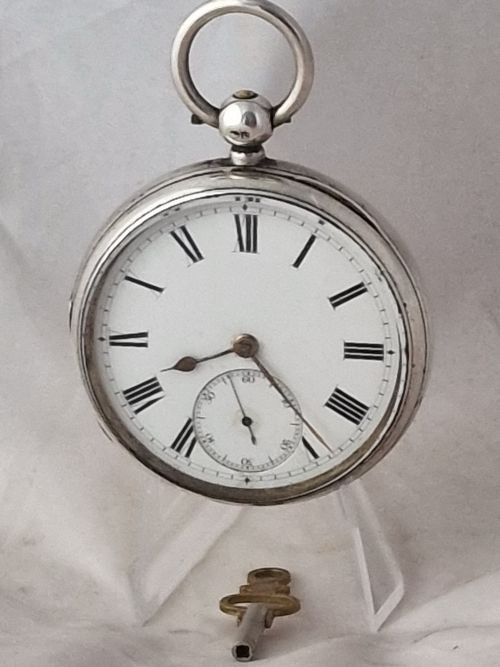
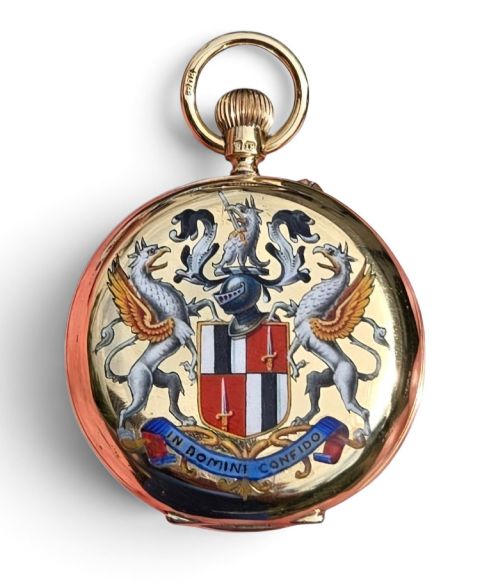
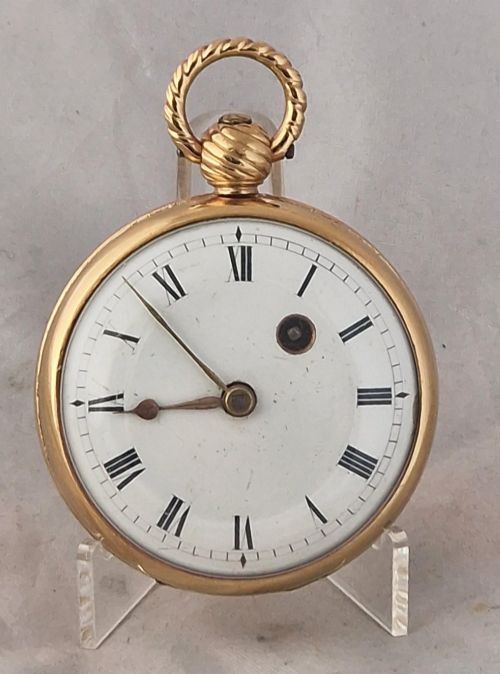
A fusee pocket watch represents a traditional mechanical approach to portable timekeeping spanning the Georgian period and later Victorian eras. The evidence shows these pieces appear predominantly in silver, alongside examples in gold with glass lenses and enamel dials.
Most pieces you encounter originate from English workshops and provincial centres such as London, Coventry, Dublin and Chester. They take the form of pocket watches featuring intricate fusee movements, sometimes housed in pair cases.
How they were made
Watchmakers utilised precious metals including silver and 18ct gold to form the robust outer cases that protected the delicate internal mechanisms. Enamel provided a smooth, crisp surface for the dial faces, while glass covered and protected the hands.
The defining mechanical technique involved pairing a spring barrel with a conical fusee pulley and a fine chain to equalise the torque as the mainspring wound down. Makers inscribed their signatures and working locations directly onto the internal plates.
The listings on this site show fusee pocket watches cased primarily in silver, with select examples fashioned in 18ct gold.
What varies in quality
Quality in a fusee pocket watch rests upon the complexity and finish of the internal movement, such as the inclusion of a verge escapement or an improved patent mechanism. Signatures from notable makers or provincial watchmakers add distinction to the horological engineering.
The execution of the outer case, whether plain silver or heavy gold with detailed pair casing, dictates the overall heft and visual presence of the object. Pristine enamel dials without hairline fractures also separate standard examples from finer survivals.
F E Massey London·J Lyndsey·Dwerrihouse London·Burdess of Coventry·Topham and White Dublin·Gregory of London·H J Norris Coventry·John Bennet London·Kendal and Dent
The Fusee Pocket Watch Glossary
- Fusee
- A conical pulley used in mechanical watches to maintain even tension on the gear train as the mainspring unwinds. This clever device compensates for the dropping torque of a relaxing spring.
- Verge
- An early type of escapement used in pocket watches, recognisable by its perpendicular crown wheel. It governs the release of the gear train with a distinctive ticking motion.
- Pair case
- A double protective housing consisting of an inner watch case enclosed by a second outer case. This style provided extra defence against dust and damage in daily use.
- Enamel
- A glassy substance fused to a metal dial substrate through high heat to create a durable, white background for painted numerals. It offers a smooth surface that resists tarnishing.
- Chronograph
- A watch equipped with an independent sweep second hand that can be started, stopped, and returned to zero. This complication allowed the measurement of elapsed time intervals.
Fusee Pocket Watch: Frequently Asked Questions
How do I wind a fusee pocket watch?
Winding requires a specialist key inserted into the dial or through the back case, turning it gently until resistance indicates the chain is fully drawn. Care must be taken not to overwind these older mechanisms.
Because the fusee chain transfers power from the conical pulley, steady and deliberate turns ensure the internal components engage smoothly without placing sudden strain on the vintage brass work.
How can I tell the date of my watch?
Dating relies heavily on hallmarks stamped inside the silver or gold cases, alongside any engraved signatures or serial numbers left by the maker on the movement plates. Assay office marks indicate specific years of testing.
Comparing the style of the case, dial typography and movement construction against known maker records helps narrow down the decade of production when hallmarks are rubbed or absent.
Are these watches still accurate for daily wear?
While these timepieces can keep reasonable time when properly serviced, their historical movements lack modern shock resistance and temperature compensation. Daily use requires accepting minor time drift compared to modern quartz standards.
Many collectors prefer to wear them occasionally rather than daily, ensuring the vintage gear trains and fusee chains experience minimal wear and tear over the long term.