

Vintage Silver Pocket Watch
A vintage silver pocket watch brings mechanical mastery and daily elegance to the pocket, offering a tangible link to early twentieth-century timekeeping.
What vintage silver pocket watches are
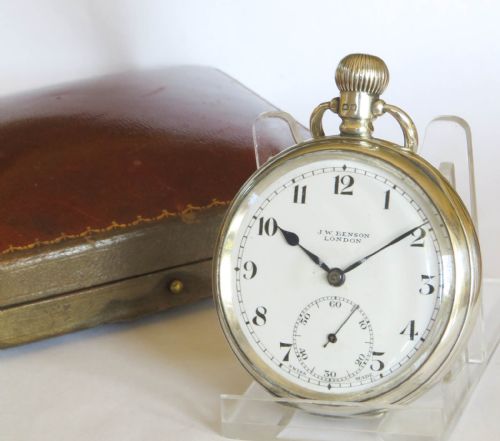
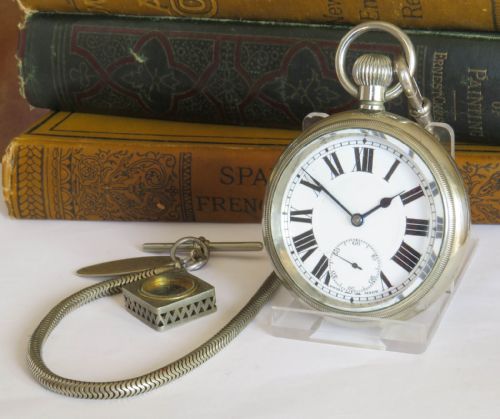
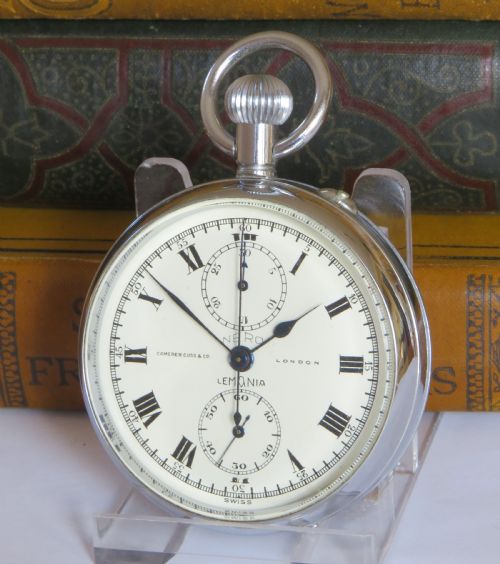
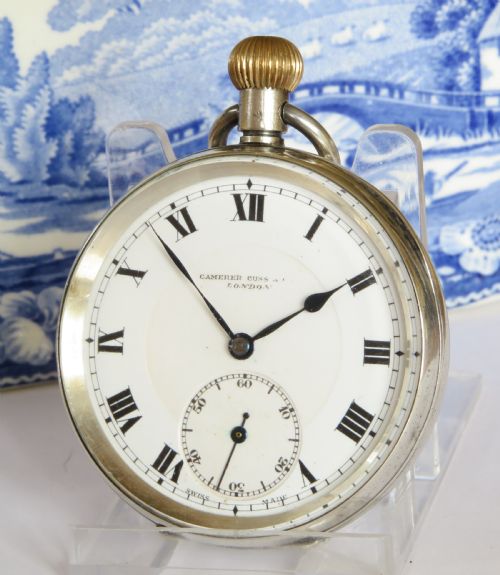
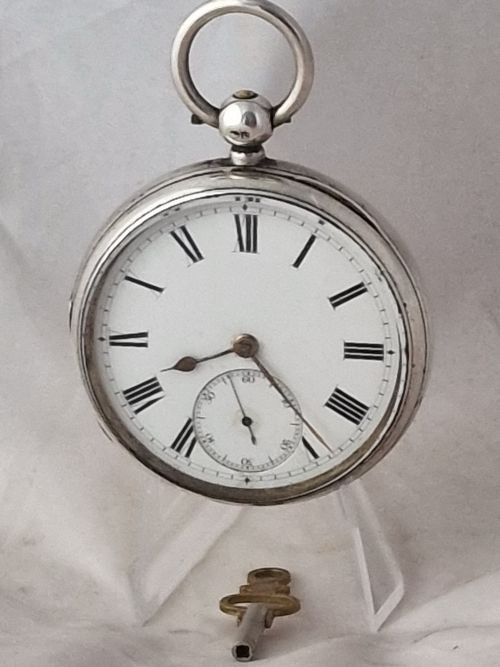
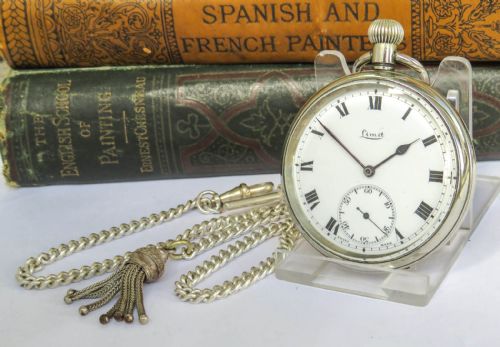
When searching for a vintage silver pocket watch, buyers encounter timepieces primarily dating from the Edwardian era through the Art Deco period and into the mid twentieth century. These portable clocks were carried by gentlemen and professionals in waistcoat pockets, often secured with a matching silver chain or Albert. The pieces recorded span Swiss workshops and English retailers, reflecting a period when personal timekeeping transitioned from a luxury to an everyday necessity.
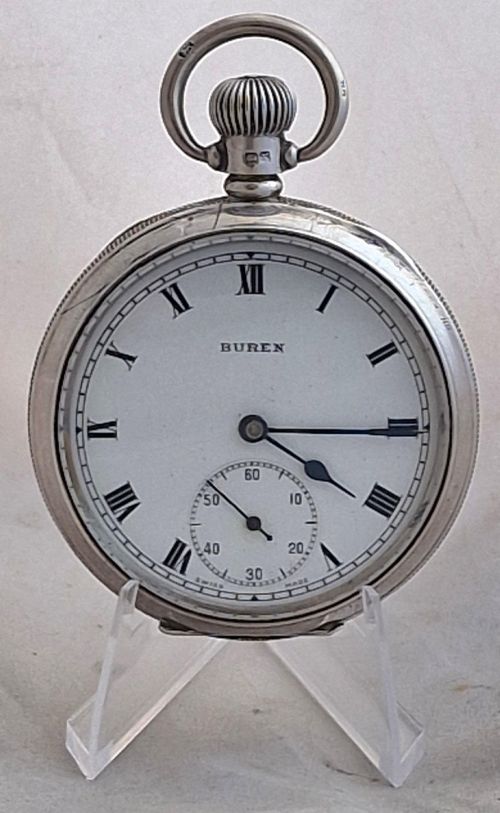
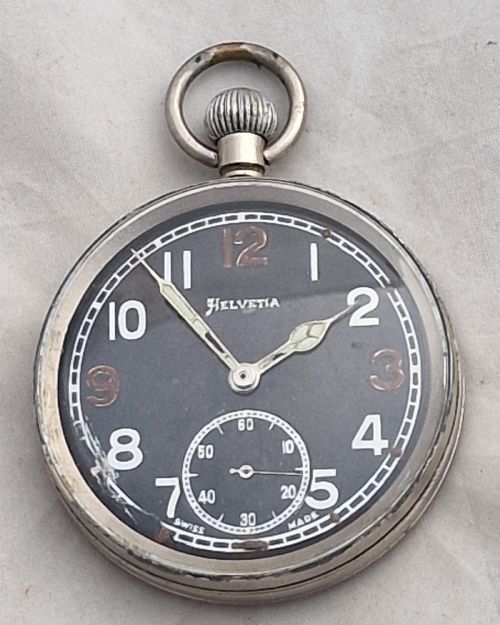
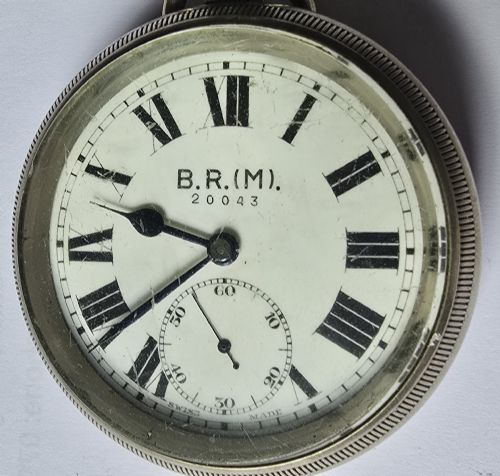
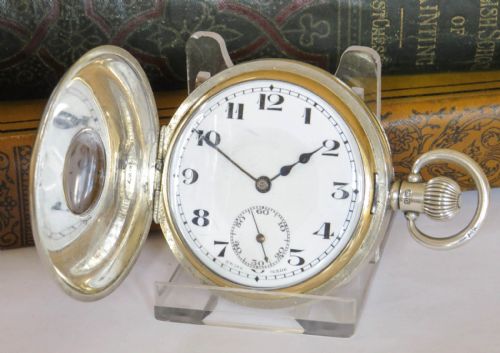
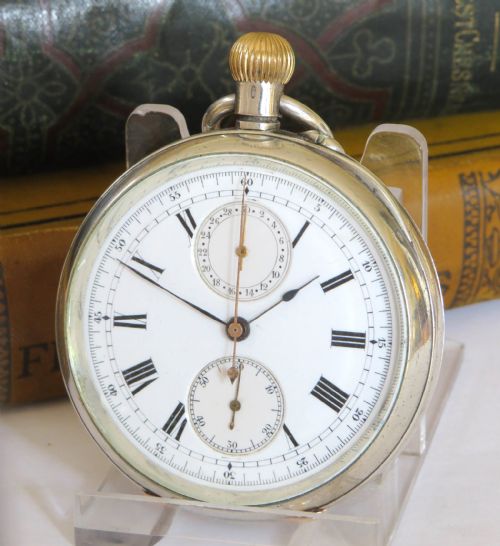
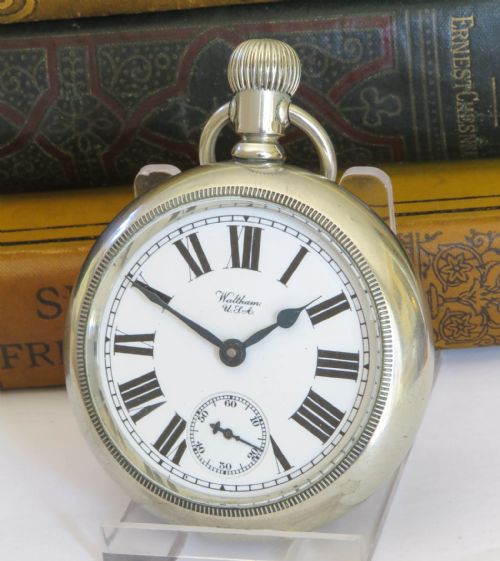
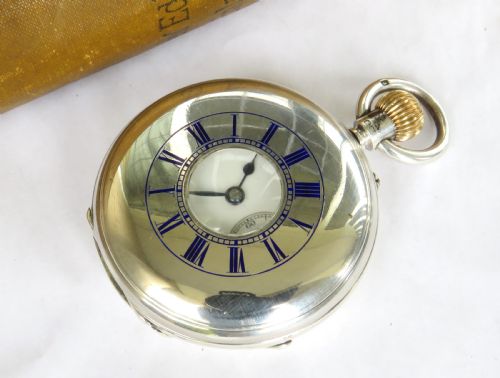
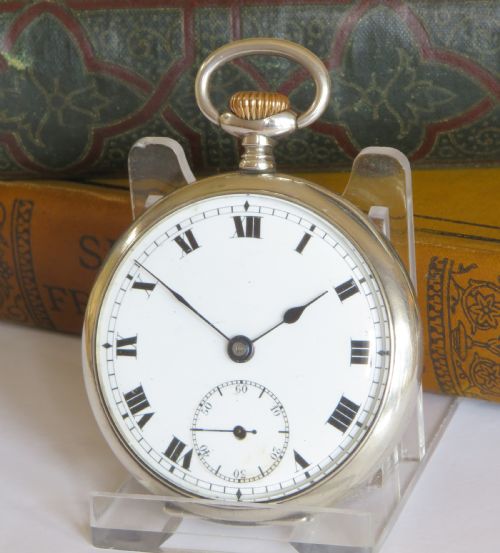
The most common forms found on this page are open-face and hunter designs, including full hunter and half hunter variants with protective metal covers over the glass dial. Enamel dials with Roman or Arabic numerals appear frequently, housed in sterling silver or .800 silver cases. Many examples incorporate stem winding mechanisms and lever movements, representing the standard mechanical technology of the period.
How they were made
Cases were formed from silver sheets, often stamped with hallmarks indicating the assay office, metal purity, and date letter. Watchmakers fitted glass crystals over dials made of fired white enamel, where dark paint formed the numerals and minute tracks.
Internal movements relied on brass plates, steel gears, and jewel bearings that reduced friction in the gear train. Mainsprings stored mechanical energy wound via the crown stem, driving the balance wheel to regulate the release of power through the escapement.
Some pocket watches recorded specific bravery awards, turning a simple timekeeper into a tangible monument of personal heroism.
What varies in quality
The sophistication of the internal movement dictates the tier of the timepiece, ranging from standard three-quarter plate cylinder escapements to higher-jewelled lever movements designed for precision. Finishing details such as damascening on the plates and adjusted balance wheels mark out superior manufacture.
Case execution and dial preservation also divide the standard examples from the exceptional. Crisp hallmark stamping, heavy-gauge silver cases that resist denting, and flawless enamel dials without hairline fractures demonstrate better original construction and careful stewardship.
Tavannes·Cyma·Syren·James Walker of London·James Wadsworth, Manchester·Limit·Cortebert·Winegartens London·Vertex·Record·Kays·Elgin·Revue·Hamilton·H Samuel Acme·Lanco·Waltham Equity·Tacy Watch Co·Cyma Admiral
The Vintage Silver Pocket Watch Glossary
- Hunter
- A pocket watch featuring a spring-loaded metal cover that protects the glass dial from scratches. The cover springs open when the crown button is depressed.
- Half hunter
- A pocket watch case with a small glass-centred aperture in the outer cover, allowing the user to check the hands without opening the case.
- Stem winding
- A mechanical winding system operated by turning the crown at the top of the watch, replacing earlier key-wind methods.
- Lever escapement
- A mechanical linkage that delivers regular impulses to the balance wheel, forming the basis of accurate portable timekeeping.
- Albert chain
- A short silver chain attached to a pocket watch, designed to secure the timepiece through a buttonhole to a waistcoat.
Frequently Asked Questions
How do I wind a vintage silver pocket watch?
Gently rotate the crown clockwise between your thumb and forefinger until you feel a firm resistance. Stop immediately to avoid over-tensioning the mainspring.
Most vintage pieces require winding once a day to maintain continuous operation. Pulling the crown outward slightly usually allows you to set the hands.
Can I wear a pocket watch daily?
Many collectors carry these pieces regularly by securing them to a belt loop or waistcoat with a matching silver chain. Keeping the watch in a dedicated pocket prevents impact with keys or coins.
Routine handling requires mindfulness of the mechanical movement inside. Professional servicing every few years ensures the vintage oils remain effective.
How can I tell the date of a silver case?
British silver cases carry hallmark stamps that include a specific letter corresponding to the assay year. Examining these tiny marks with a loupe reveals the year of manufacture.
Swiss and other continental silver cases often bear standard purity marks such as .800 alongside import hallmarks. Movement serial numbers can also provide production dates when cross-referenced with maker archives.