

Antique Silver Watch Fob
An antique silver watch fob is a decorative pendant once worn with a pocket watch, prized today for its intricate metalwork and personal history.
What an antique silver watch fob is
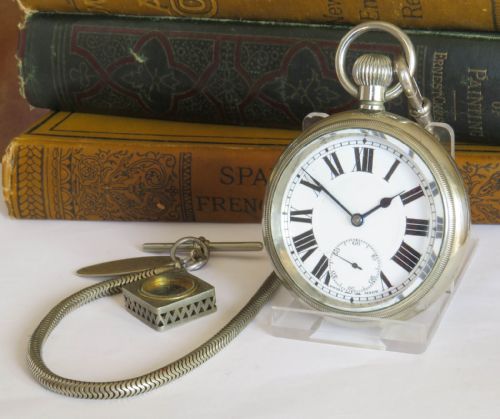
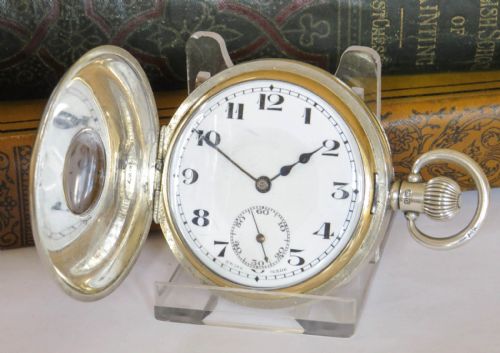
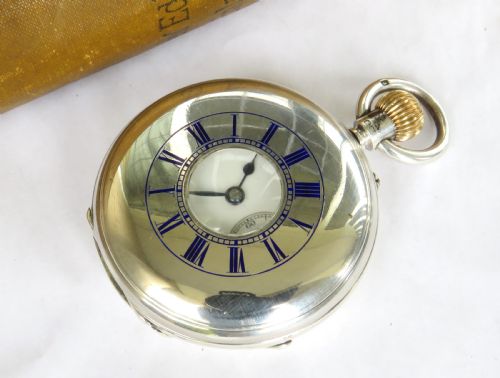
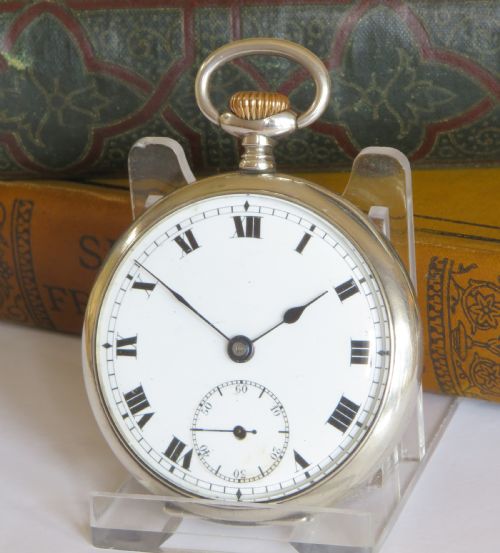
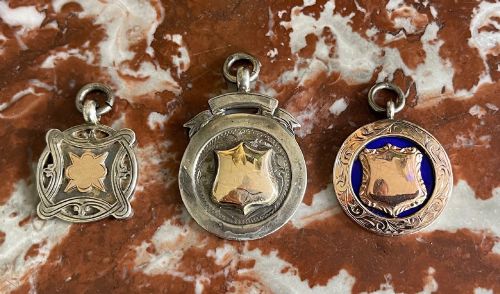
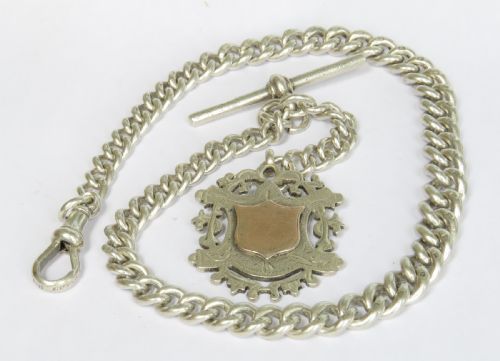
When you search for an antique silver watch fob, you encounter small pendants and medals attached to pocket watch chains. These pieces originate from the Victorian and Edwardian periods, spanning the late nineteenth century into the early twentieth century.
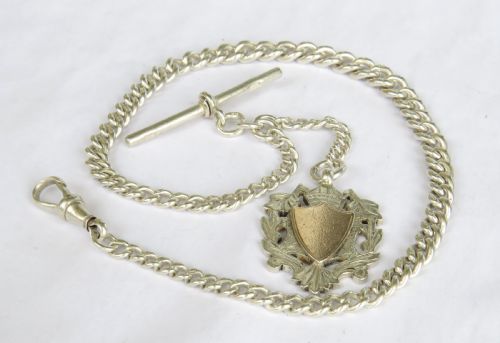
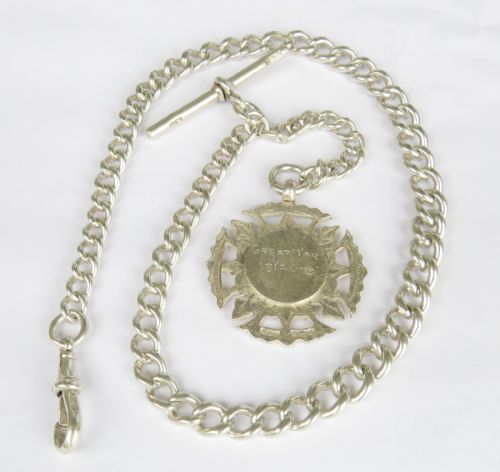
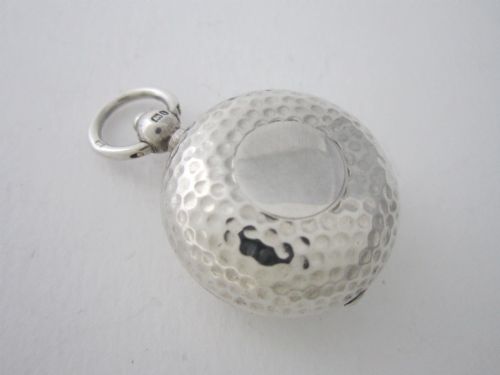
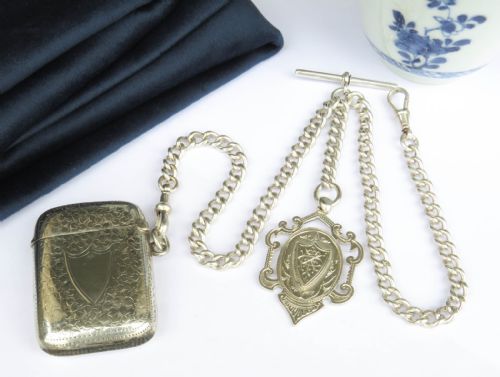
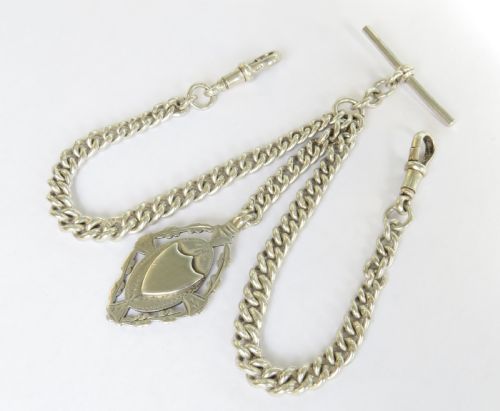
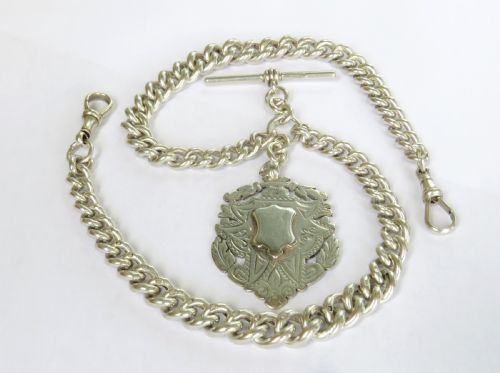
The objects listed on this page appear as standalone charms, split rings, and pendants paired with heavy albert chains. Military, naval, and sporting medals frequently form the fob pendant, alongside love knots and lucky charms.
You are most likely to meet silver watch chains and fobs dating from the 1890s, 1900s, and 1910s. Many examples combine silver with gold gilt, enamel, or hardstone to create varied visual textures.
How they were made
Silversmiths utilised sterling silver and standard silver for the construction of chains, fobs, and medals. Components such as dog clips, swivel connectors, and split rings were shaped alongside tubular links like trombone chains.
Decoration often involved applied enamel work, rose gold accents, and set hardstones. Engraving was applied by hand to medals and shields to record military service, sporting victories, and club memberships.
Retail Price Guide 2026
Typical UK retail prices for silver watch fob, calculated from the Sellingantiques database of over a million retail prices indexed since 2003. This retail price guide relies exclusively on Sellingantiques data; no external sources or auction records are used, so the figures do not describe the wider market.
Object forms include watch chains, watch chains and fobs, pocket watch chains, charms, and pendants.
What varies in quality
Substantial weight in the silver links and the accompanying fob distinguishes heavy duty pieces from lighter alternatives. Solid sterling silver construction throughout the chain and pendant indicates superior manufacturing.
The presence of complex hand engraving, crisp enamel detailing, and specific commemorative iconography elevates particular medals and charms. Complete assemblies retaining original matching dog clips and swivel fobs reflect higher grade original pairing.
J W Benson·Omega·Waltham
The Antique Silver Watch Fob Glossary
- Albert chain
- A pocket watch chain named after Prince Albert, worn across the waistcoat or around the neck. These chains support attached fobs, medals, and charms.
- Dog clip
- A spring-loaded clasp attached to the end of a watch chain to secure a pocket watch or fob. This mechanism allows for quick attachment and removal.
- Vesta case
- A small matchsafe container often suspended from a watch chain alongside a fob. These cases were used to carry matches safely.
- Hardstone
- Opaque or semi-precious stones such as bloodstone or carnelian set into swivel fobs. One side typically displayed the stone while the reverse showed engraved metal.
- Trombone chain
- A watch chain style formed of elongated rectangular links connected by smaller circular links. This pattern is characteristic of the period.
Frequently Asked Questions
How were watch fobs used?
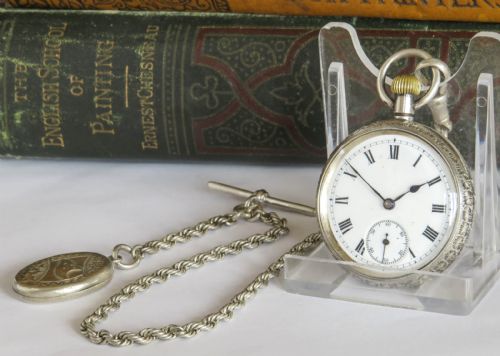
These items were suspended from watch chains attached to pocket watches. They hung from the waistcoat buttonhole to anchor the timepiece.
Owners also used them to display membership in clubs, military regiments, or sporting teams through engraved medals and charms.
How do I wear an antique chain today?
Many people wear these pieces as necklaces by fastening the dog clip directly to the chain links. They also serve as bracelets when wrapped around the wrist.
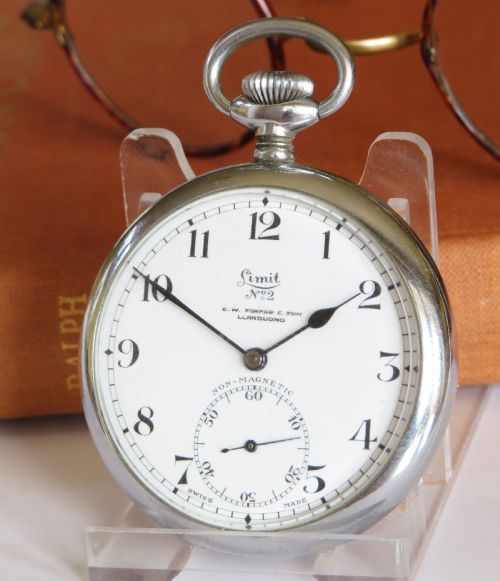
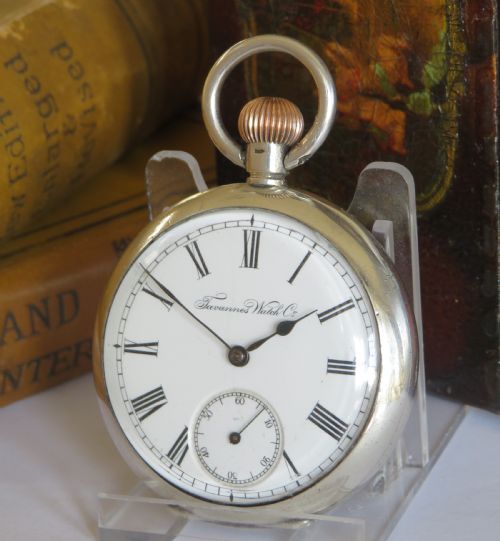
Pockets watches remain a traditional option for pairing with these complete albert chains and suspended fobs.
What periods do these pieces come from?
The items originate from the Victorian and Edwardian eras. Dates span from the late nineteenth century through to the early twentieth century, specifically between 1890 and 1910.
Manufacturing styles and hallmarks align with these specific decades.
What motifs appear on the fobs?
Common designs include military and naval insignia, alongside sporting medals for football, cricket, and boxing. Lucky charms like pigs, bugs, and ivy leaves also appear.
Love knots and shields form additional decorative elements on the medals.