
Edwardian Watch Chain
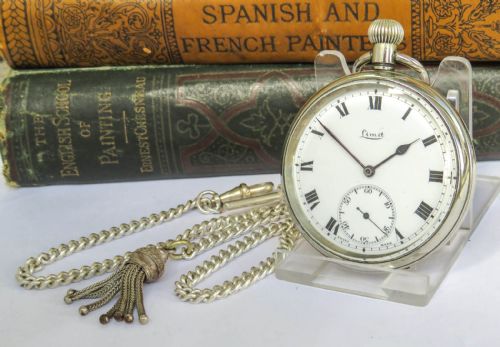
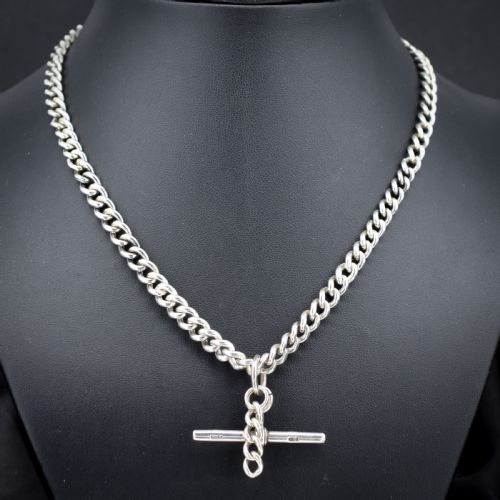
An edwardian watch chain links utility with craftsmanship, offering a historic piece of metalwork originally designed to secure pocket watches that now functions as a necklace or bracelet.
Edwardian Watch Chain
When searching for an edwardian watch chain, buyers encounter functional pieces originating from the late nineteenth and early twentieth centuries, spanning periods such as Victorian, Edwardian, and the 1920s.
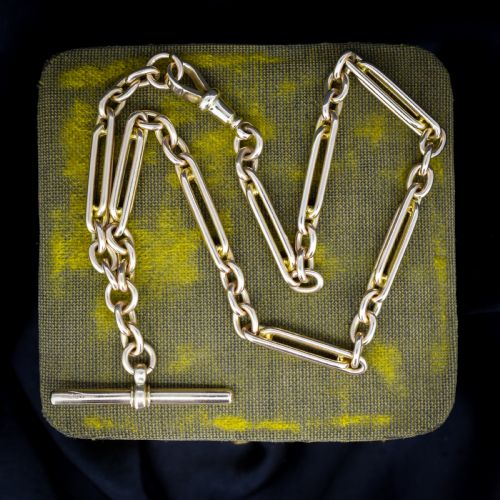
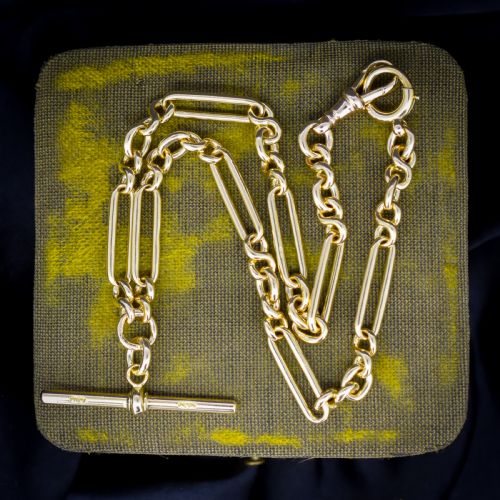
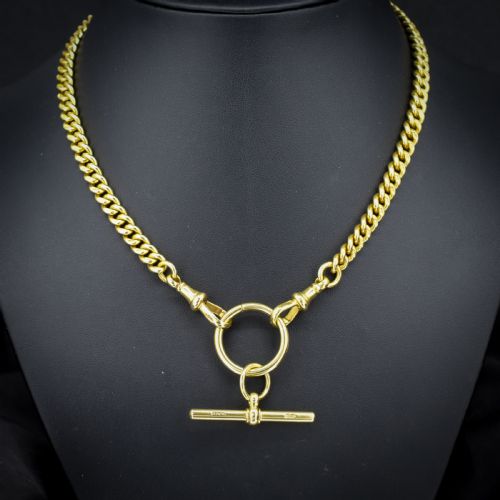
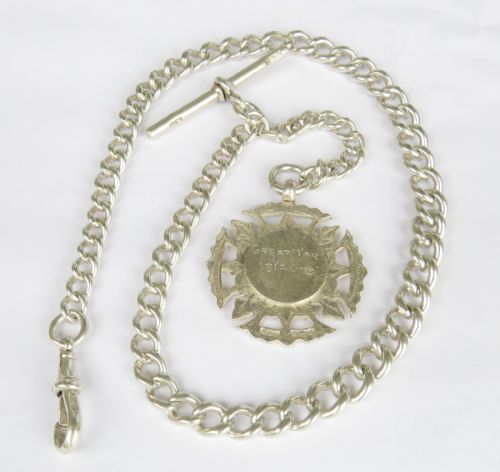
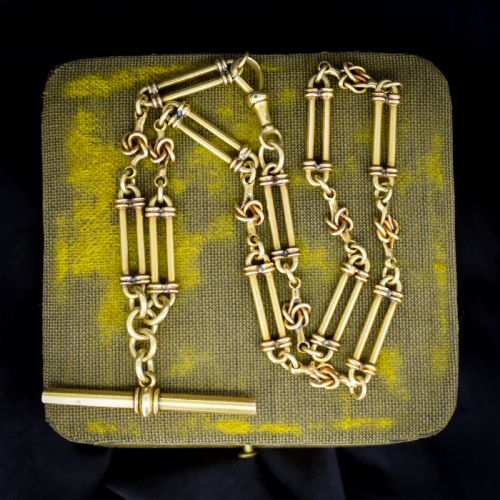
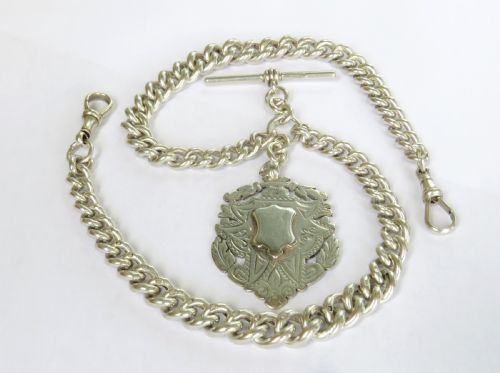
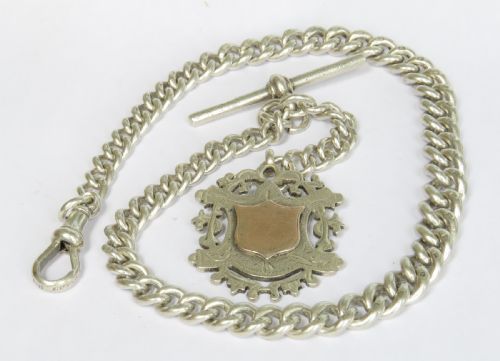
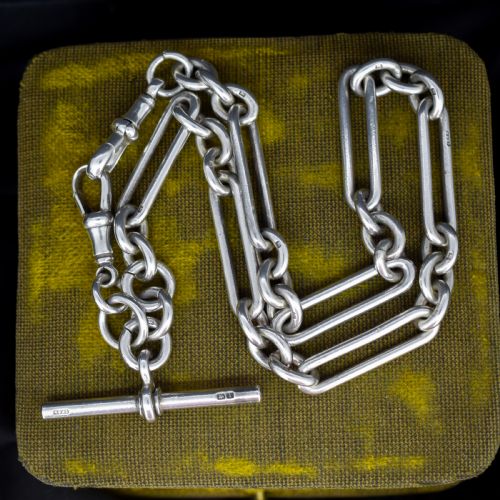
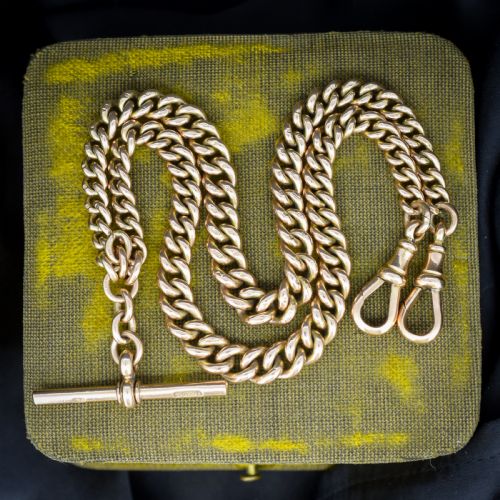
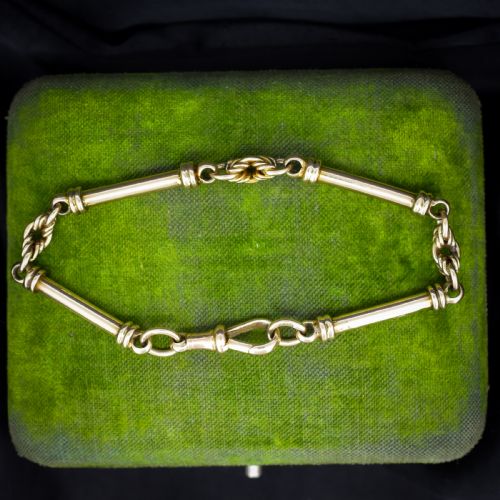
Most examples reflect the standard link formations of the era, including curb, trombone, and love knot patterns, alongside functional iterations designed for pocket watches.
How They Were Made
These items were constructed predominantly from sterling silver, 9ct gold, 18ct yellow gold, and rose gold, utilising solid metal links joined together in specific formations.
Metals were shaped into uniform or graduated curb links, tubular bars, and intricate trombone patterns, often incorporating mechanical elements like swivel dog clips, bolt rings, and T-bars for daily use.
Edwardian Watch Chain Retail Price Guide 2026
Typical asking prices for edwardian watch chain among the pieces listed under this phrase on Sellingantiques today, from the lower quarter to the upper quarter. They describe what is for sale here now, not the wider market.
Object forms on this page range from short necklaces and bracelets to long guard chains measuring over fifty inches.
What Varies in Quality
Quality differences emerge in the weight of the metal, the consistency of hallmarking across individual links, and the structural integrity of the fastenings such as dog clips and T-bars.
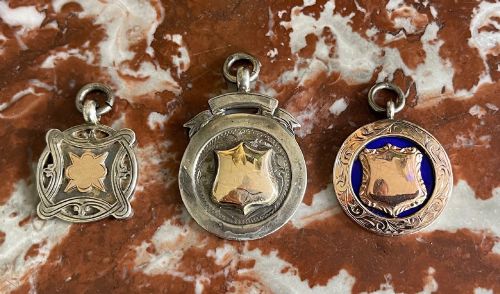
Subtleties in link design, from simple uniform curb chains to elaborate combinations of trombone and love knot links with charms or fobs, dictate the refinement of the piece.
The Edwardian Watch Chain Glossary
- Albert chain
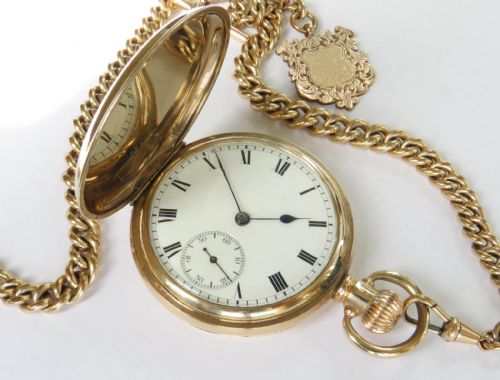
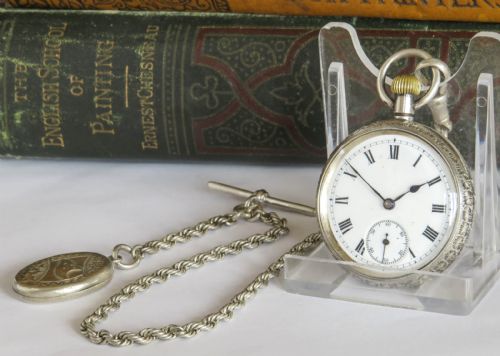
- A type of watch chain designed to secure a pocket watch in a waistcoat pocket, featuring a T-bar at one end and a swivel clip at the other. It takes its name from Prince Albert, who popularized the style during the Victorian era.
- T-bar
- A short transverse bar attached to the centre of a watch chain, used to anchor the chain through a buttonhole on a waistcoat or jacket.
- Dog clip
- A spring-loaded swivel hook used on watch chains and bracelets to secure a pocket watch, fob, or charm. This fastening allows the attached item to rotate freely without twisting the chain.
- Trombone link
- A specific link shape composed of elongated rectangular loops alternating with smaller circular or oval links. It is frequently seen in antique silver and gold watch chains from the late nineteenth and early twentieth centuries.
- Full hunter
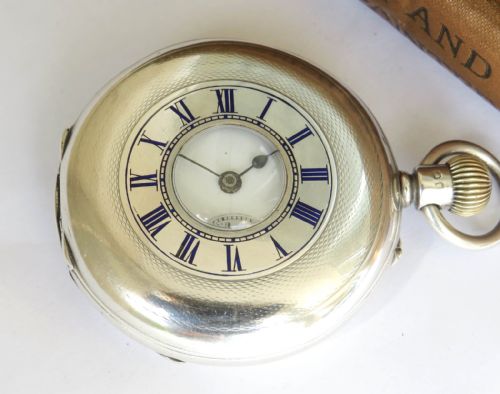
- A pocket watch featuring a spring-loaded metal cover that protects the glass dial. These watches frequently appear paired with period chains and fobs in historical listings.
Edwardian Watch Chain: Frequently Asked Questions
How do I wear an edwardian watch chain today?
Many buyers wear these chains as necklaces or wrap them as multi-strand bracelets by utilising the existing dog clips and T-bars.
The original length of the chain often dictates whether it sits near the collarbone or functions as a shorter choker style.
What is the difference between an albert chain and a standard chain?
An albert chain specifically incorporates a T-bar and a dog clip designed to anchor a pocket watch through a garment's buttonhole.
Standard chains lack these specific anchoring components and function primarily for suspension or adornment.
Are all links hallmarked on these chains?
Makers during the Edwardian and Victorian periods sometimes stamped individual links with assay office marks, maker's marks, and purity standards.
Hallmarking practices varied, meaning some pieces show stamps on every link while others display hallmarks solely on the T-bar, dog clip, or a single designated link.
What metals were commonly used for these watch chains?
Metals recorded in the listings include sterling silver, 9ct yellow gold, 9ct rose gold, and higher-carat gold variations.
Silver examples often bear regional assay office marks from cities like Birmingham or Chester, whilst gold pieces reflect the prevailing metal standards of the early twentieth century.