
Vintage Stem Wind Watch
A vintage stem wind watch brings mechanical precision to the pocket, offering tangible history from the early twentieth century onwards.
What these vintage timepieces entail
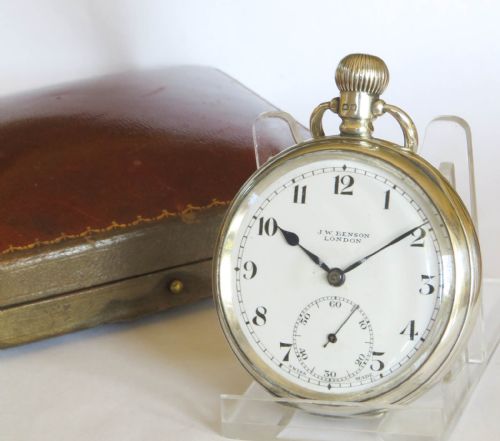
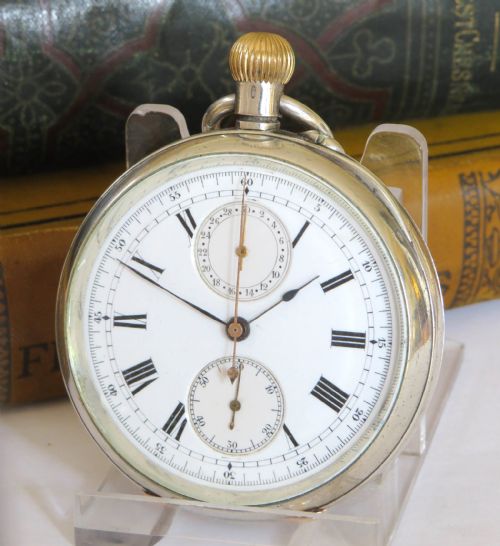
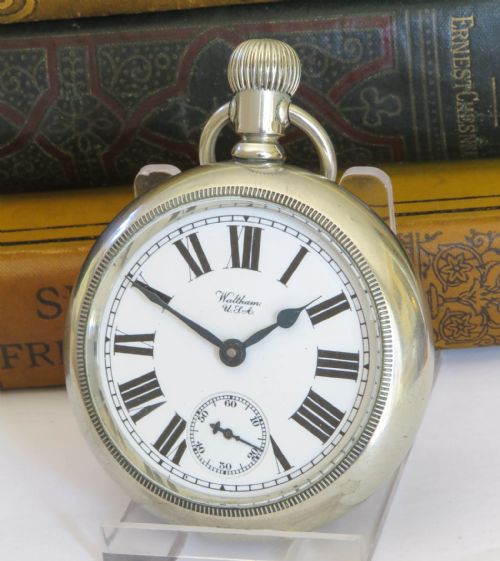
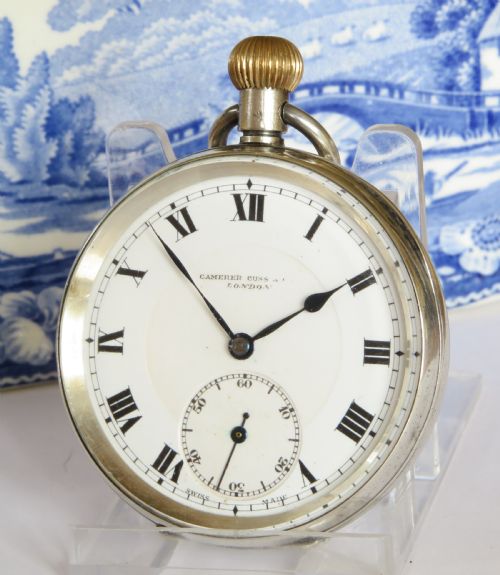
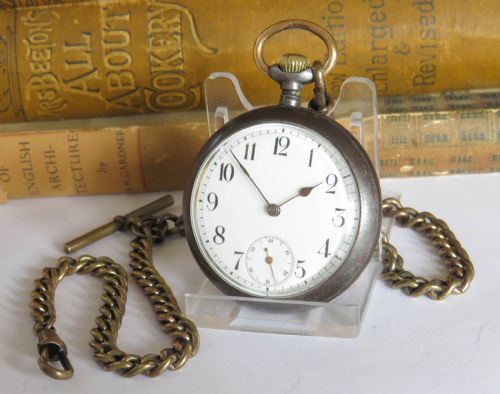
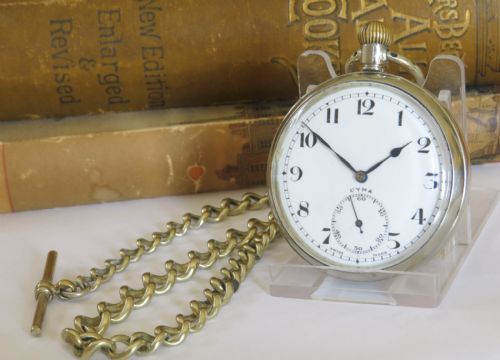
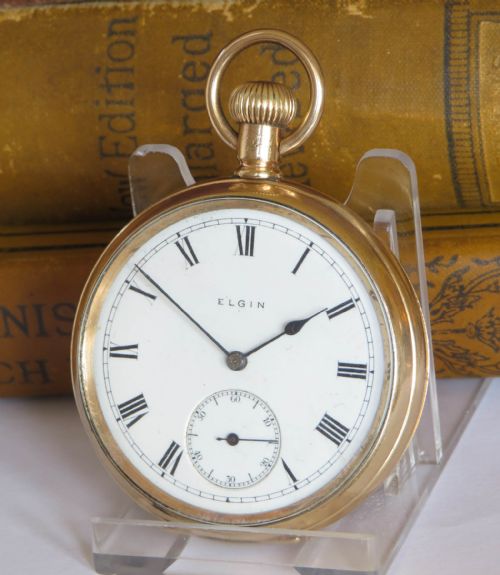
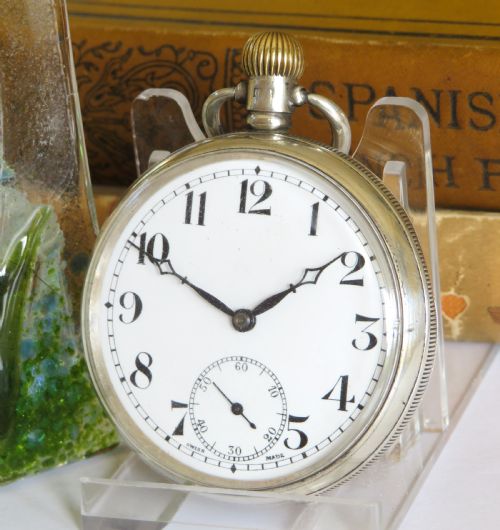
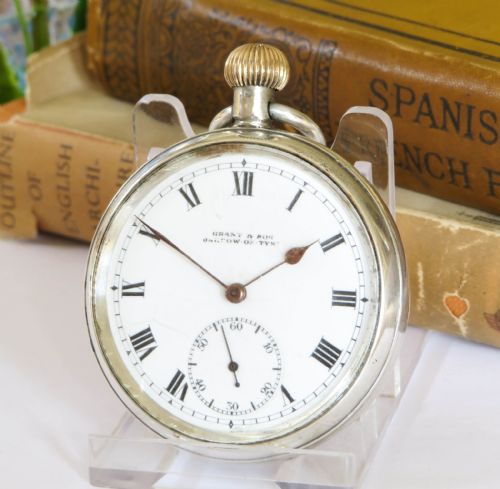
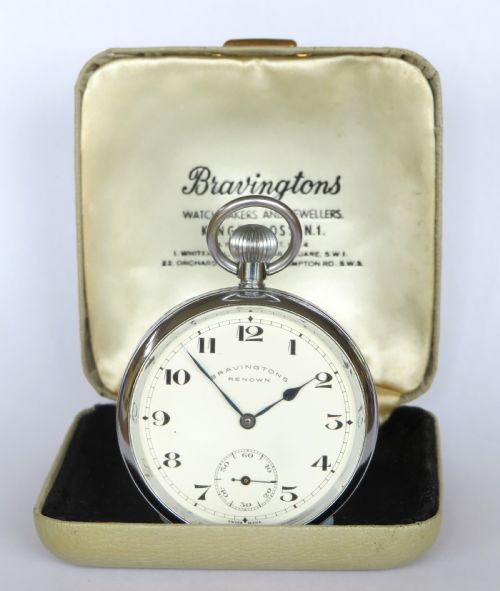
A vintage stem wind watch is a mechanical pocket watch powered by turning the crown rather than using a separate key. These pieces span the Edwardian, Art Deco, and Mid-Century eras, with many examples originating from the nineteen-tens through to the nineteen-fifties.
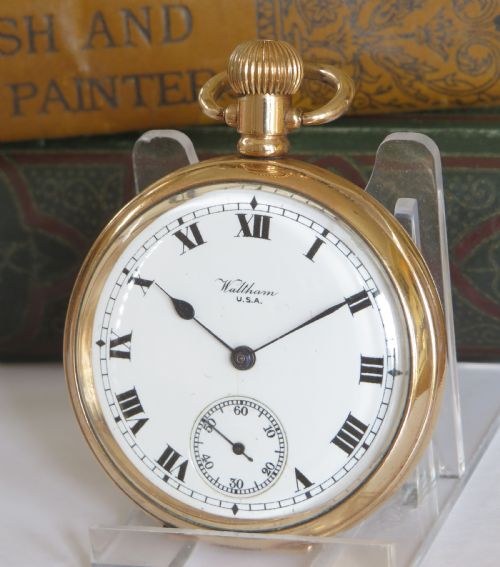
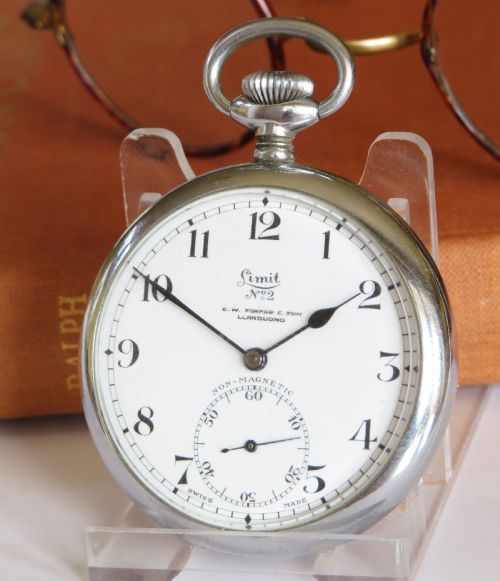
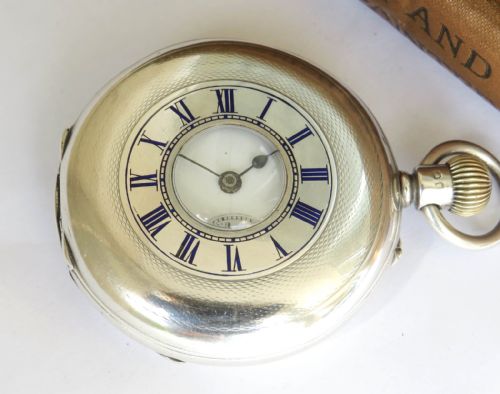
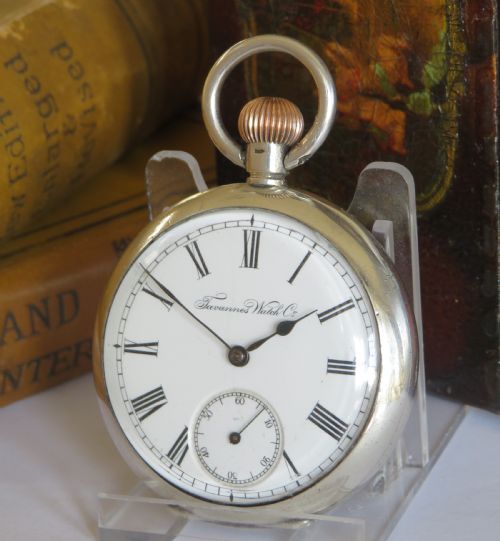
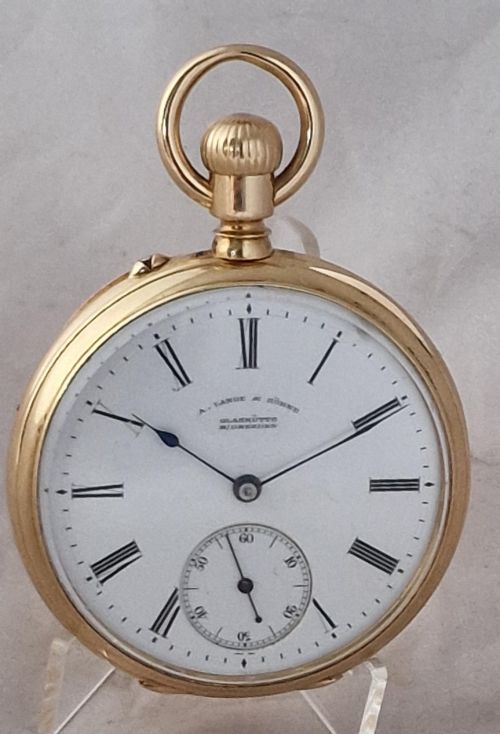
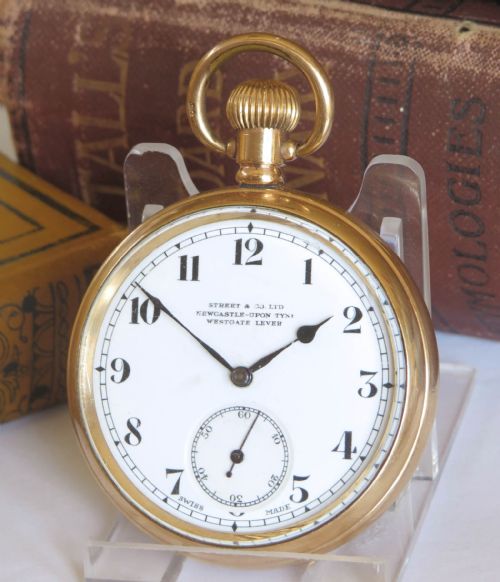
The most common version met on this page is a portable timepiece housed in metal, silver, or gold plate, often accompanied by a chain. They include railway issues, full hunter designs, and everyday pocket watches from Swiss and American makers.
Materials and construction methods
Casses are fabricated from silver, chrome, gold plate, and various silver-tone or base metals, enclosing internal mechanisms protected by glass crystals. Dials frequently feature enamel work for numerals and subsidiary seconds displays.
Inside the metal housing, movements utilise mechanical gear trains and plates, such as three-quarter plate layouts, tensioned by a mainspring that is wound directly via the crown stem.
Retail Price Guide 2026
Typical UK retail prices for vintage stem wind watch, calculated from the Sellingantiques database of over a million retail prices indexed since 2003. This retail price guide relies exclusively on Sellingantiques data; no external sources or auction records are used, so the figures do not describe the wider market.
The documented styles range from Edwardian and Art Deco to Mid-Century and Early Twentieth Century forms.
Distinctions in quality and execution
Quality separates simple base metal or chrome housings from heavy solid silver cases and gold-filled or gold-plated constructions. Finer pieces demonstrate superior movement finishing, such as detailed plate architecture and railway-grade precision.
The sophistication of the dial design and the presence of specialised railway markings or Art Deco stylistic flourishes elevate certain examples above standard utilitarian pocket watches.
Waltham·Tavannes·Bravingtons·Cyma·Elgin·Lanco·Limit·Buren·Hamilton·Avis·Revue·State·Ceuva·Vertex·Restor·Grosvenor·Pinnacle·Cortébert
The Vintage Stem Wind Watch Glossary
- Stem wind
- A mechanism that allows the mainspring to be wound via the winding crown at the top of the watch rather than through a separate key. This innovation became standard for pocket watches from the mid-nineteenth century onwards.
- Full hunter
- A pocket watch style featuring a hinged metal cover that snaps shut over the glass dial. This lid protects the face from scratches when carried in a waistcoat pocket.
- Silver-tone metal
- A base metal alloy finished to resemble the appearance of sterling silver. It offers durability and a bright sheen without the higher material cost of precious metals.
- Subsidiary seconds
- A small dial separate from the main hour and minute hands that tracks the passing seconds. It typically sits near the bottom of the watch face above the six o'clock position.
- Three-quarter plate
- A type of watch movement construction where a single large plate covers the majority of the gear train. This design was favoured by many English and Swiss watchmakers for its robust stability.
Frequently Asked Questions
How do I wind a stem wind watch?
Rotate the crown at the top of the watch clockwise between your thumb and forefinger until you feel steady resistance. Stop winding immediately once resistance increases to avoid damaging the internal mainspring.
Keep the watch upright while winding and handle the crown gently. Regular daily winding at a consistent time helps maintain steady tension and accurate timekeeping.
How do I tell the age of these watches?
Examine the stylistic details such as enamel dials, typography, and case shapes to determine whether a piece belongs to the Edwardian, Art Deco, or Mid-Century periods. Art Deco pieces often display geometric numerals and stepped cases.
Further dating clues can sometimes be found engraved inside the case backs or stamped onto the internal movement plates by the manufacturer.
Can I wear a pocket watch daily?
These mechanical timepieces can be worn daily provided they are handled with care and kept away from moisture and strong magnetic fields. Securing the watch with a suitable chain to a waistcoat or belt loop prevents accidental drops.
Because these are vintage mechanical items, they benefit from occasional professional servicing to clean the internal gears and ensure reliable operation over time.