
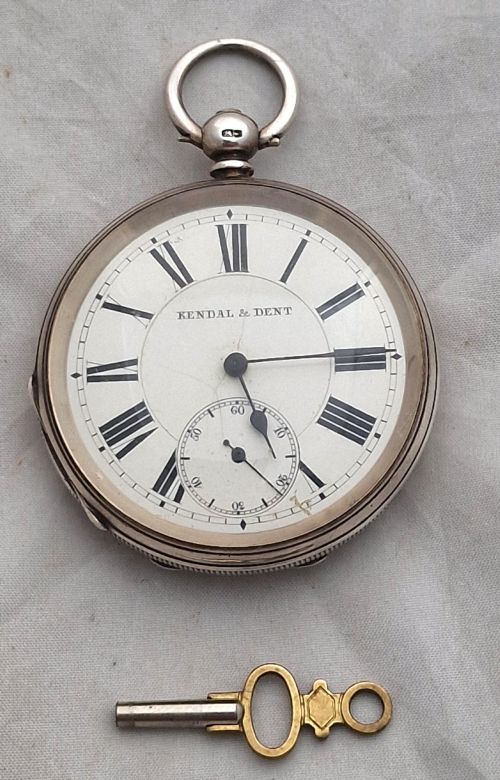
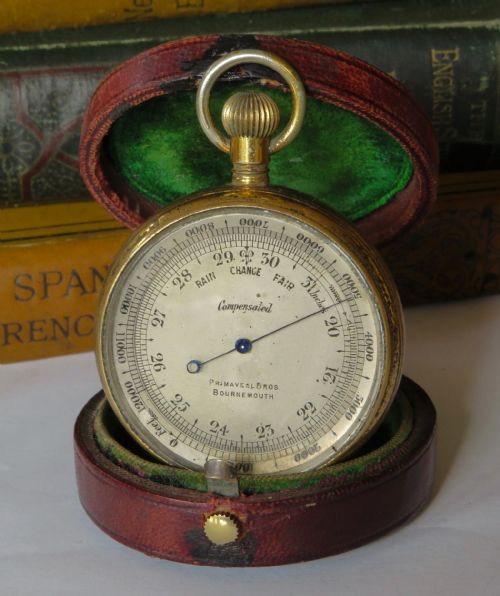
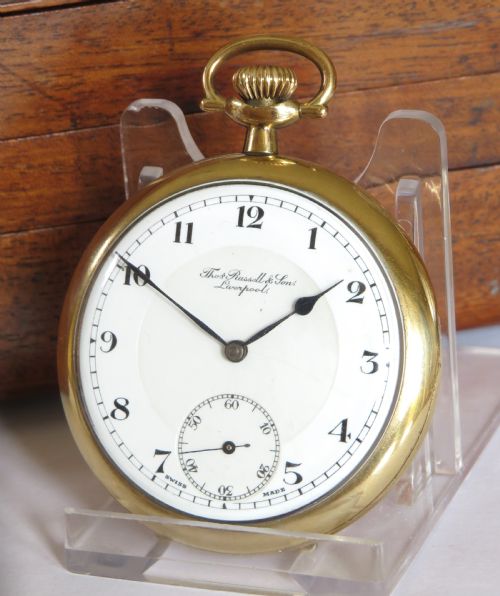
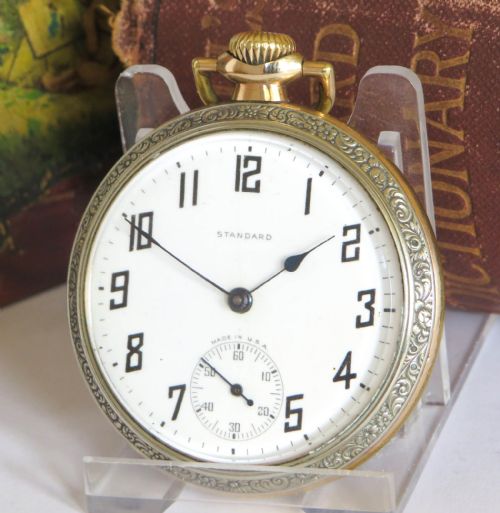
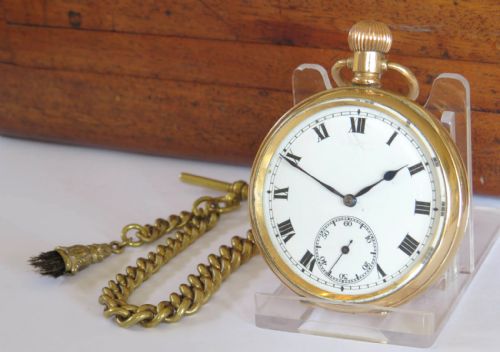
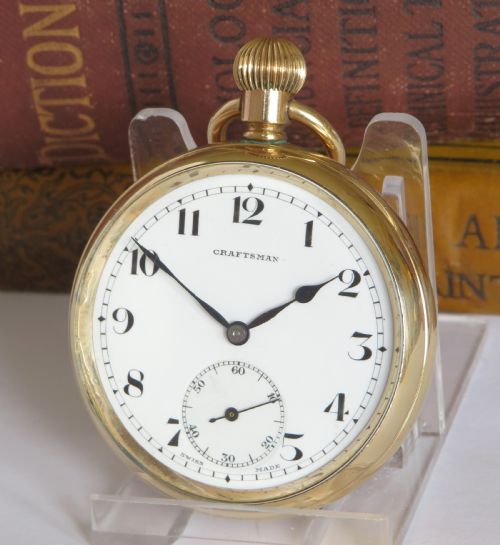
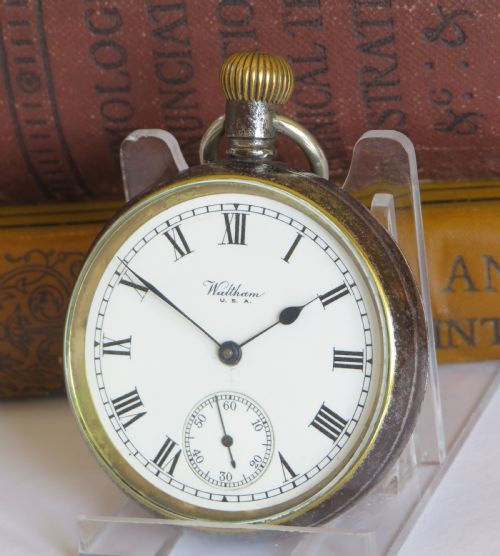
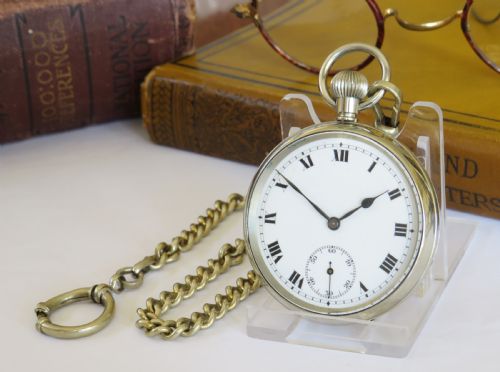
Brass Pocket Watch
A brass pocket watch brings tactile timekeeping into the palm, offering mechanical presence from centuries past.
Brass Pocket Watch
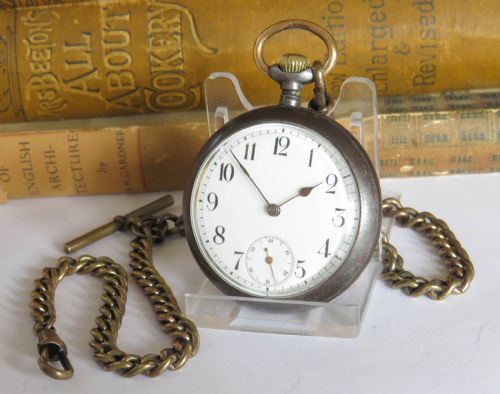
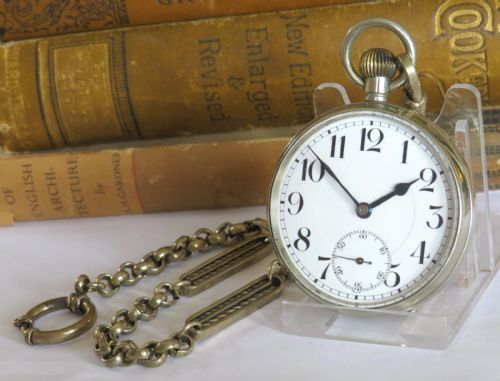
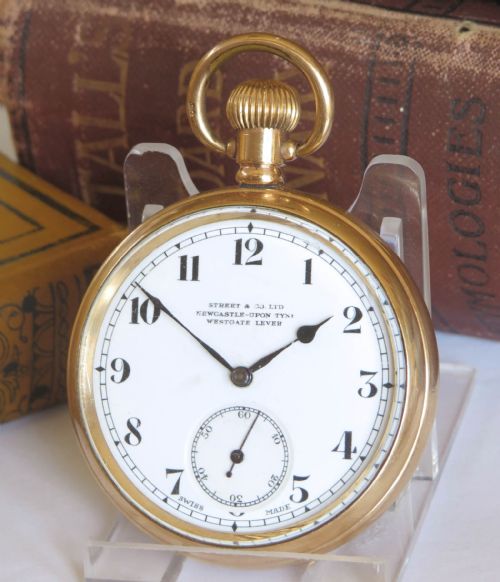
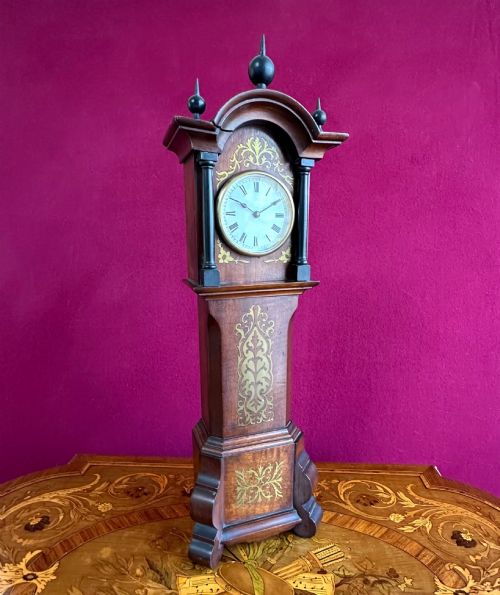
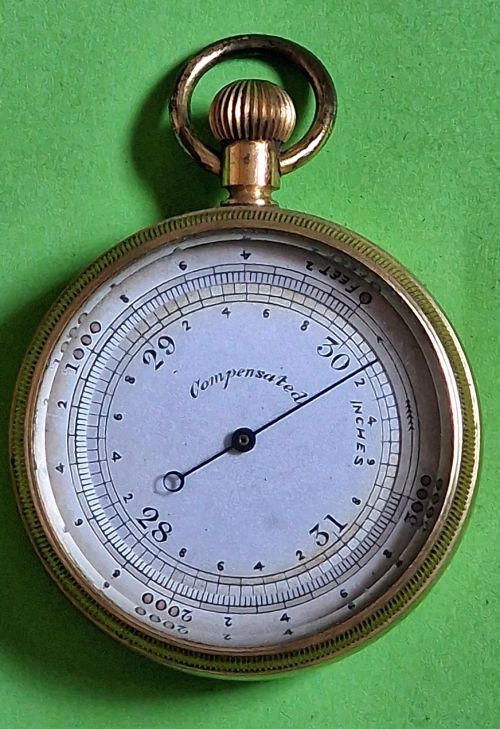
A brass pocket watch is a portable timepiece enclosed in a metal case, frequently paired with chains, fobs, or stands. The search phrase covers utilitarian timepieces alongside desk clocks, scientific instruments, and pocket barometers.
The pieces on this page span the eighteenth century, the Victorian era, and the twentieth century, including Edwardian, Art Deco, and mid-century British periods. Formats range from standard pocket watches to goliath watches and half hunter designs.
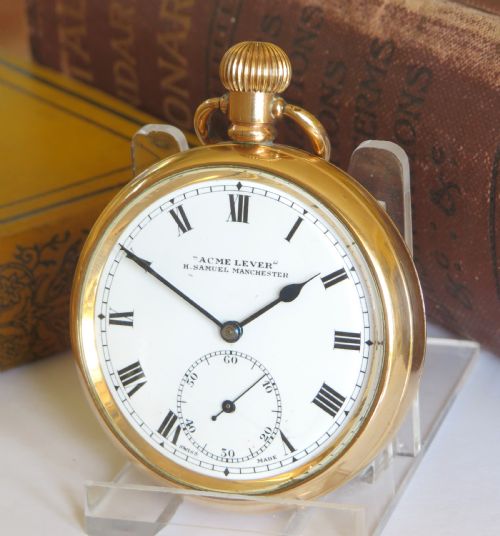
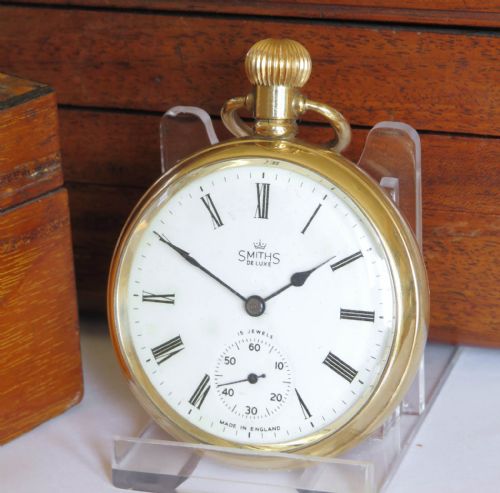
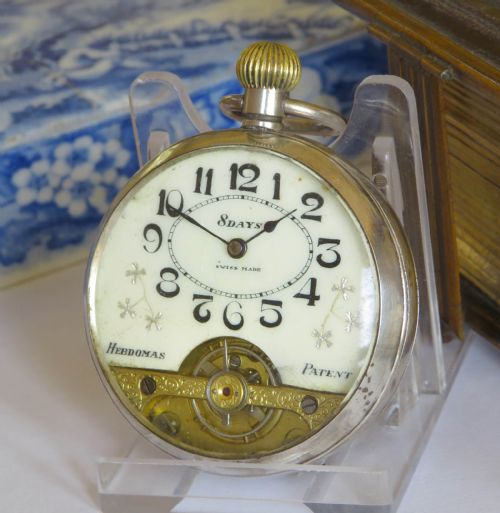
Makers and retailers represented include Waltham, Omega, Smiths, and H Samuel, alongside railway and military-issued instruments. Buyers encounter everything from simple stem-winding watches to complex eight-day movements.
Materials and Construction
Cases combine brass, gold plate, gun metal, and steel, often protecting enamelled dials behind glass faces. Eighteenth-century examples add horn, while nineteenth and twentieth-century stands utilise cast brass, champlevé enamel, and decorative wood veneers.
Movements rely on mechanical gear trains operated by stem winding, button wind, or key mechanisms. Skilled watchmakers housed these intricate internal components inside durable metal housings built for daily carriage.
Brass Pocket Watch Retail Price Guide 2026
Typical asking prices for brass pocket watch among the pieces listed under this phrase on Sellingantiques today, from the lower quarter to the upper quarter. They describe what is for sale here now, not the wider market.
Listings feature brass, gold plate, gun metal, and steel across Victorian, Edwardian, and Art Deco periods.
Assessing Craftsmanship and Condition
Quality rests in the precision of the movement and the crispness of the case engraving. Signed dials from established makers command attention for their mechanical reliability and documentary history.
Material preservation defines enduring appeal, from intact enamel dials free from hairline cracks to robust hinge actions on hunter cases. Original accompanying chains, boxes, and stands elevate the integrity of the piece.
Thomas Russell and Son·Waltham·Omega·Smiths De Luxe·John Walker
The Brass Pocket Watch Glossary
- Half hunter
- A pocket watch case featuring a glass-centred front cover that allows the user to read the hands without opening the case.
- Goliath watch
- An oversized pocket watch, significantly larger than standard specimens, frequently housed in desk stands or travel cases.
- Albert
- A chain attached to a pocket watch, designed to secure the timepiece to a waistcoat or belt.
- Stem winding
- A mechanism that allows the watch to be wound via the crown at the twelve o'clock position rather than a separate key.
- Champlevé enamel
- A technique where troughs are carved into the metal surface and filled with vitreous enamel before firing.
Brass Pocket Watch: Frequently Asked Questions
How do I wind a vintage pocket watch?
Most twentieth-century pieces utilise a stem-winding mechanism where you rotate the crown clockwise until resistance is felt. Avoid overwinding, as this can strain the internal mainspring.
Older or specialised specimens may require a dedicated winding key. Consult the specific movement type before applying force.
How were pocket watches carried historically?
Owners typically secured their timepieces inside waistcoat pockets using a metal chain known as an albert. The chain anchored the watch securely and prevented accidental drops.
Alternatively, many found homes on specialised desk stands, travel boxes, or mantel holders when not being worn.
Can I wear a pocket watch today?
Pocket watches adapt easily to modern wardrobes by slipping into jacket or trouser watch pockets. Using a sturdy chain attached to a belt loop keeps the piece secure throughout the day.
They also function well as desk clocks when displayed on compatible stands.