
Antique Timepiece
An antique timepiece brings precise mechanical history into a room, offering enduring craft through brass, silver, and mahogany.

What an antique timepiece is
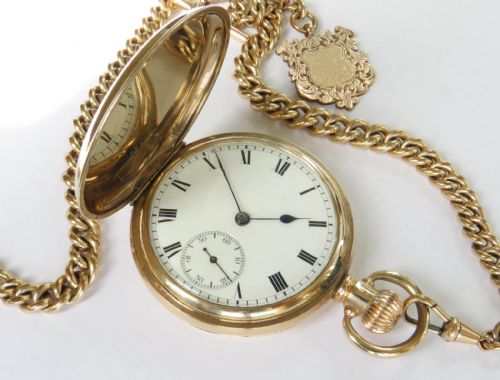
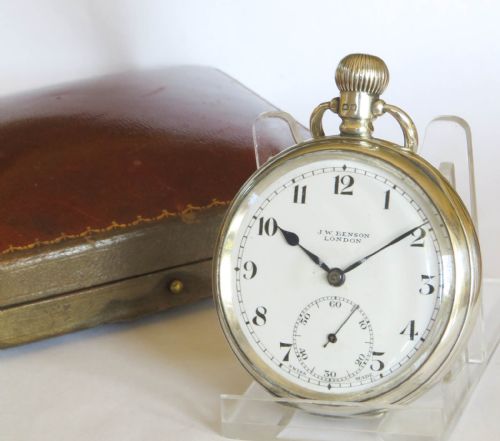
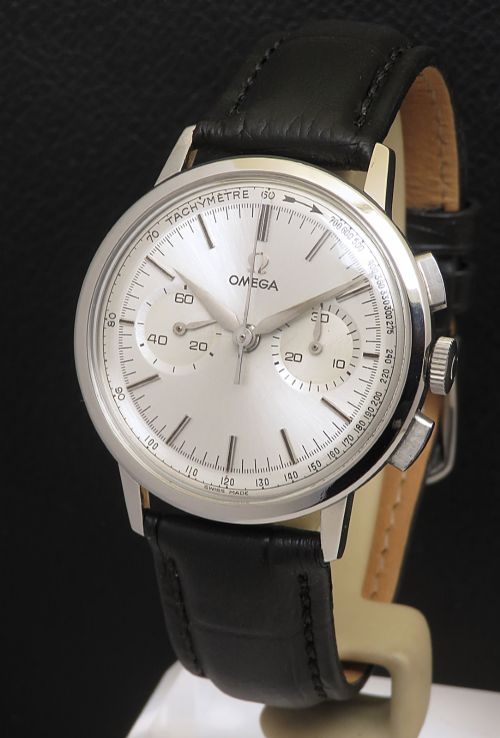
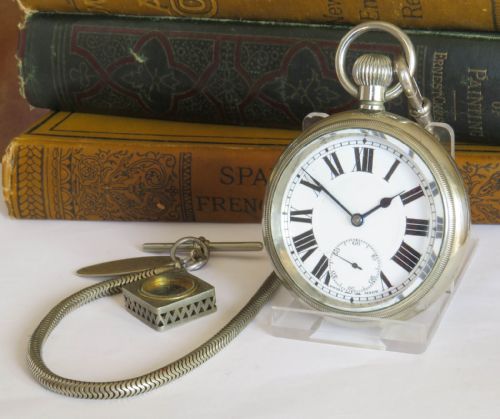
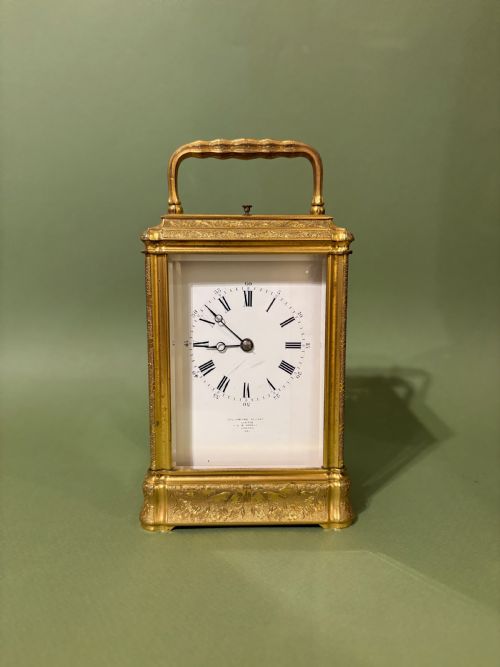
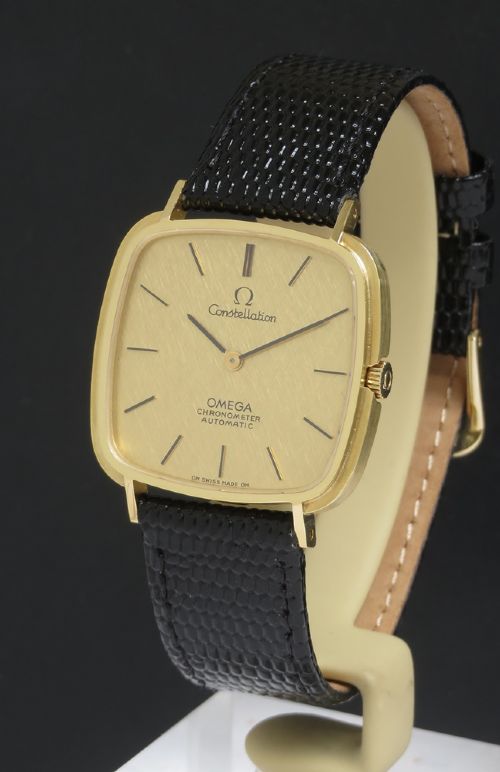
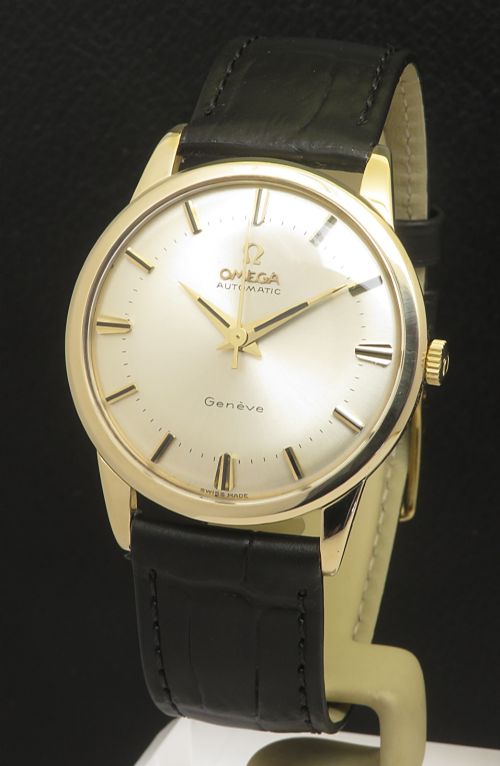
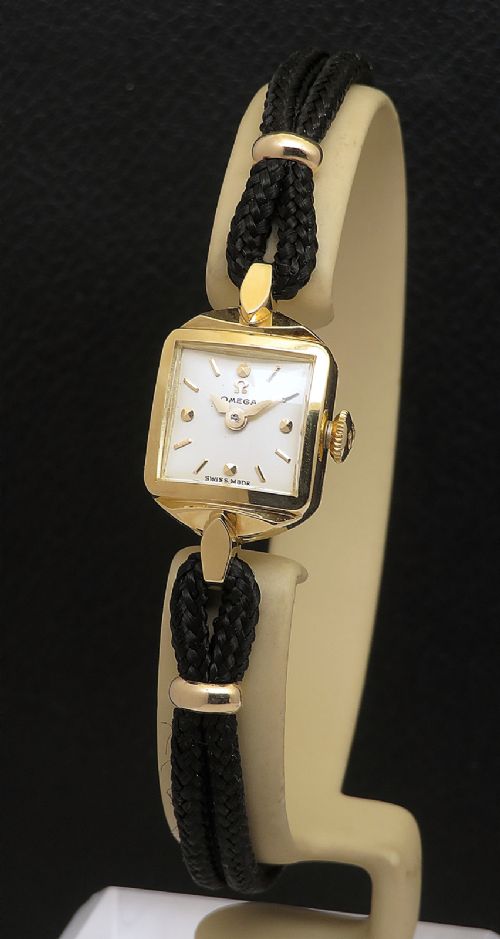
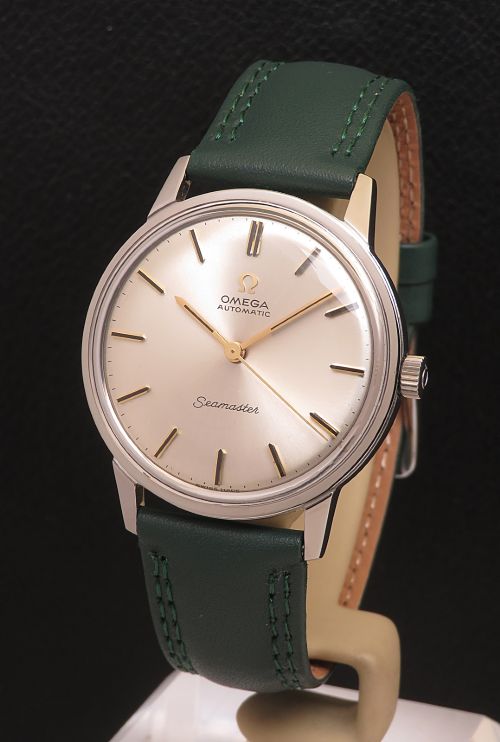
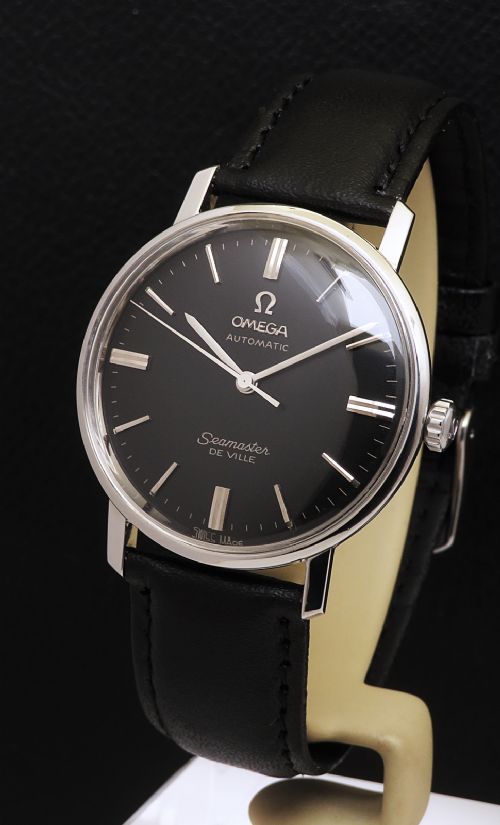
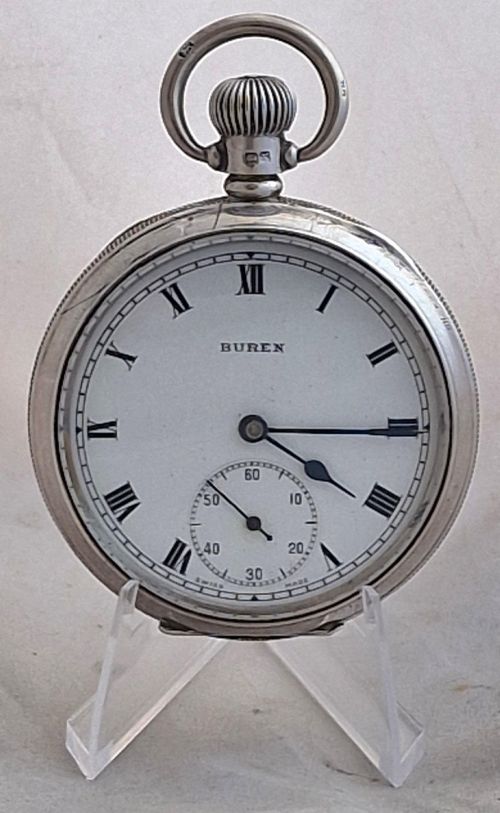
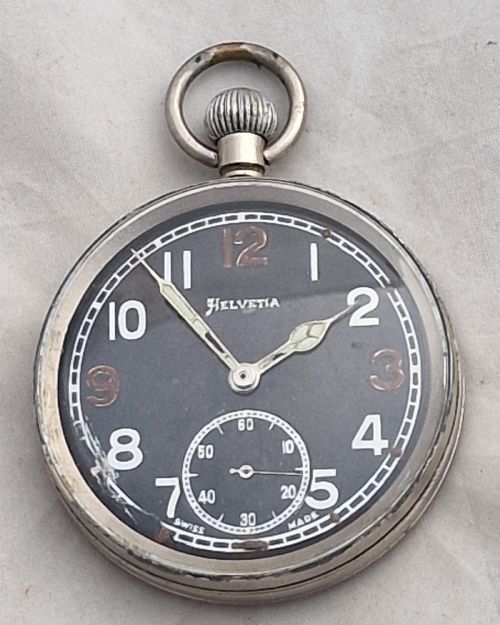
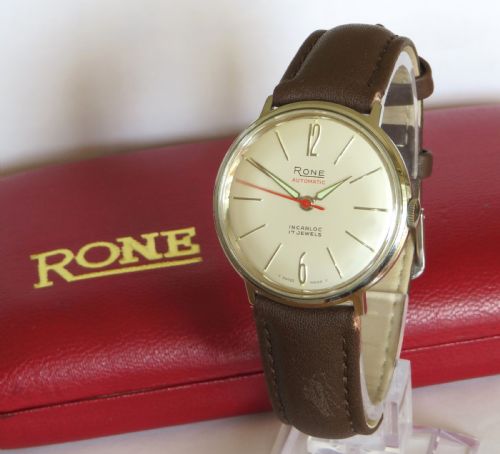
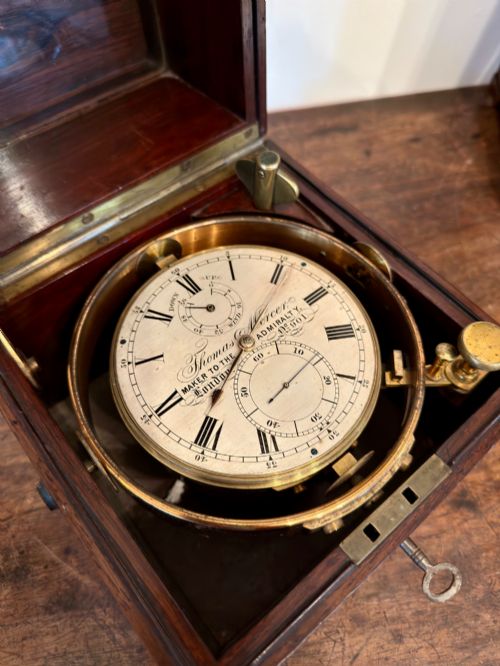
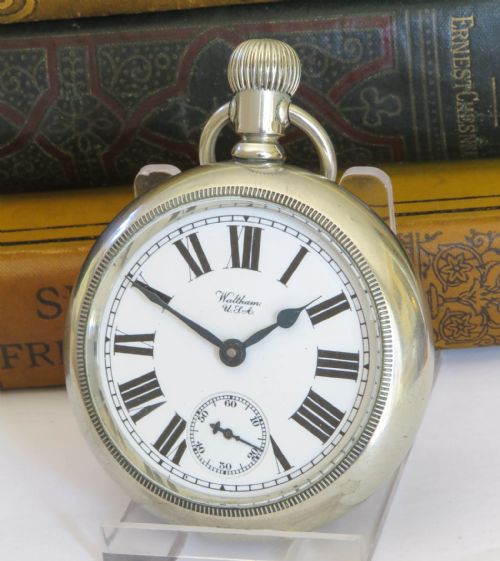
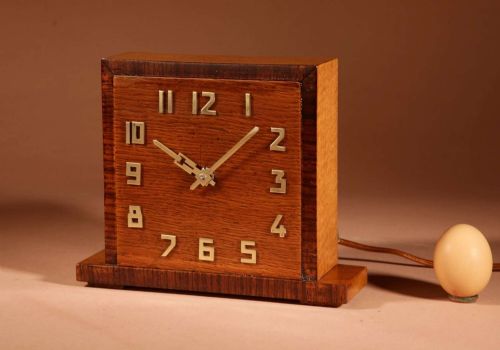
When you search for an antique timepiece, you encounter a varied selection of functional instruments ranging from pocket watches to substantial wall clocks and carriage clocks. These items cross several periods, appearing in Victorian, Edwardian, Art Deco, and Mid-Century styles.
The pieces listed on this page encompass pocket watches, wall clocks, and carriage clocks formed in brass, glass, enamel, steel, and chrome-plated metal alongside precious metals like gold and silver. Such objects serve both domestic interiors and personal carriage use, maintaining mechanical timekeeping traditions.
You are most likely to meet carriage clocks in brass cases, round dial wall clocks framed in mahogany, and pocket watches driven by key wind or internal movements. These forms represent the core of the available evidence across the nineteenth and twentieth centuries.
How they were made
Maker construction relies on metalworking techniques utilising brass, bronze, steel, and chrome-plated metal to form durable internal movements and protective cases. Silver and gold cases provide precious metal housing for delicate pocket watches and boudoir clocks.
Wooden elements such as mahogany frame large wall clocks, while glass panels enclose carriage clocks to reveal internal escapements. Porcelain detail and enamel dials add decorated surfaces to brass and gilded metal bodies.
Retail Price Guide 2026
Typical UK retail prices for timepiece, calculated from the Sellingantiques database of over a million retail prices indexed since 2003. This retail price guide relies exclusively on Sellingantiques data; no external sources or auction records are used, so the figures do not describe the wider market.
Listings span the nineteenth century, Victorian, Edwardian, Art Deco, and 1950s periods, using brass, silver, gold, mahogany, and enamel.
What varies in quality
Quality separates through the refinement of internal movements, such as fusee mechanisms or key wind systems, alongside the weight and finish of brass, ormolu, or hallmarked silver cases. Superior pieces exhibit precise hand assembly and careful decorative integration.
The presence of precious metals, royal presentation inscriptions, or signed maker names elevates certain pieces above standard domestic timepieces, distinguishing utilitarian items from high status artefacts.
Bravingtons Renown·Zenith·Lady Waltham·Stauffer Cx. de Fond·Ansonia·Anglo Swiss Challenge·Cleret
The Antique Timepiece Glossary
- Carriage clock
- A portable spring-driven clock designed for travellers, typically housed in a brass case with glass panels.
- Fusee
- A conical pulley used in older clock and watch movements to maintain even force as the mainspring winds down.
- Key wind
- A winding system requiring a separate key to tension the mainspring rather than an attached crown or lever.
- Drop dial wall clock
- A wall-mounted clock featuring a circular dial above an extended lower case enclosing the pendulum.
- Ormolu
- Gilded bronze ornamentation applied to decorative mantel and carriage clocks during the nineteenth century.
Frequently Asked Questions
How do I wind an antique timepiece?
Winding depends on the specific mechanism, using either an attached winding key or a separate key inserted into the dial or back plate.
Care must be taken not to overwind the mainspring, ensuring the movement continues to operate reliably over its intended duration.
Where were carriage clocks placed?
Carriage clocks were originally built for travel by coach or train, housed in protective leather cases for journeys.
In modern settings, they sit securely on desks, mantelpieces, or tables where their glass panels display the movement.
What is a fusee movement?
A fusee movement incorporates a conical pulley that moderates the pull of the mainspring as it unwinds.
This mechanical arrangement helps maintain consistent power to the escapement, improving timekeeping accuracy across the power reserve.
How do I date a wall clock?
Dating relies on stylistic clues such as mahogany case construction, painted dial details, and specific regional school or railway station markings.
Internal movement types and maker signatures further narrow the period of manufacture.