




Vintage Mechanical Wall Clock
A vintage mechanical wall clock brings precision engineering and period craftsmanship into a room, spanning schoolhouse dials, heavy railway timekeepers and carved wooden cuckoo clocks.
Vintage Mechanical Wall Clock
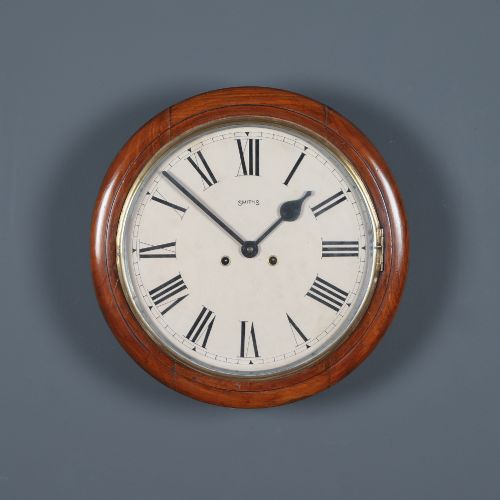
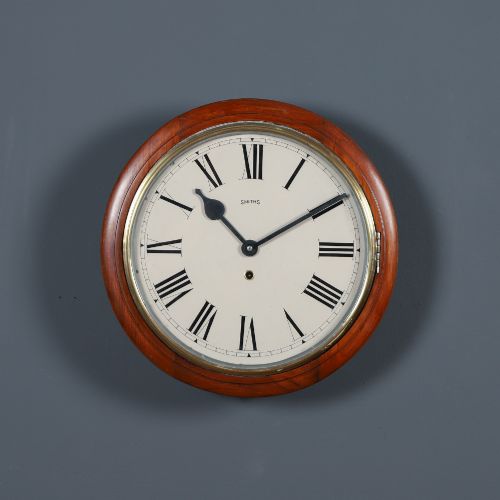
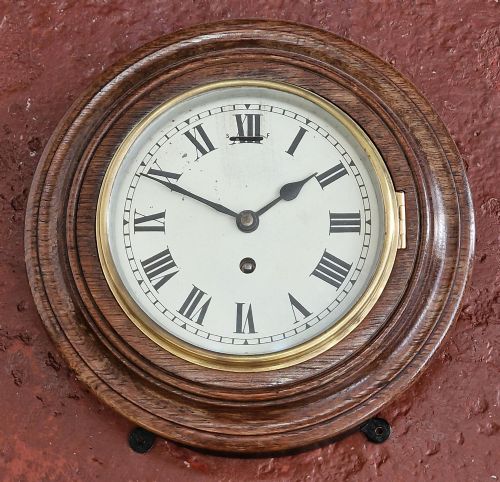
A vintage mechanical wall clock comprises functional timekeepers designed for domestic spaces, transport hubs, schools and offices from the Georgian era through to the mid-twentieth century. The selection ranges from round dial fusee clocks housed in mahogany or oak to Black Forest carved walnut cuckoo clocks and geometric Art Deco models.
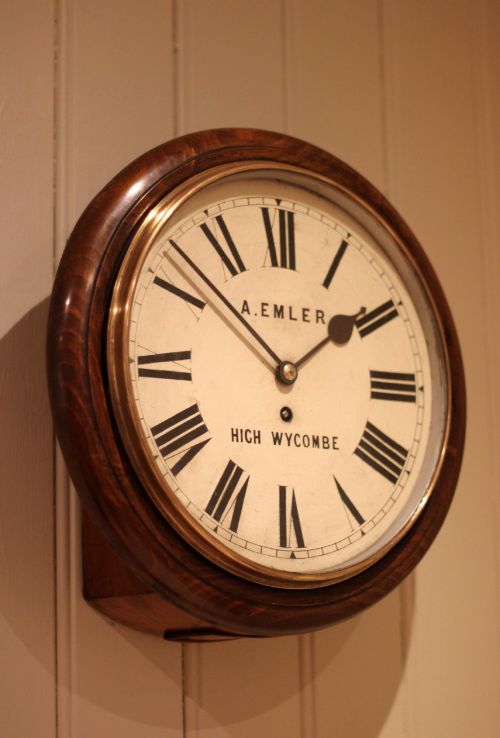
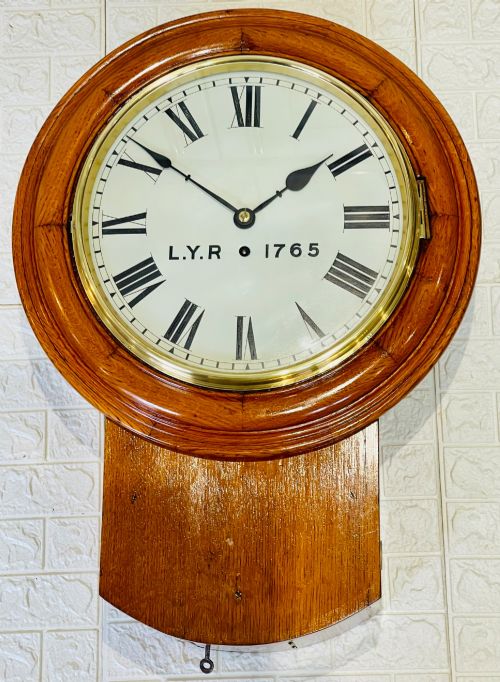
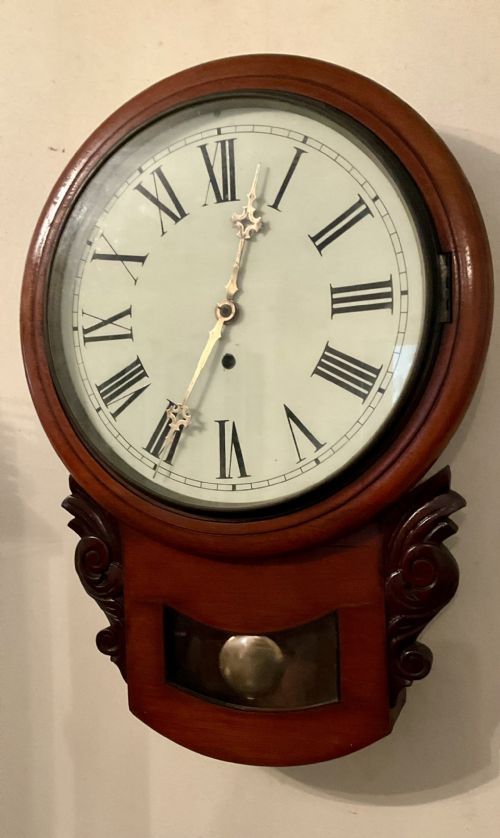
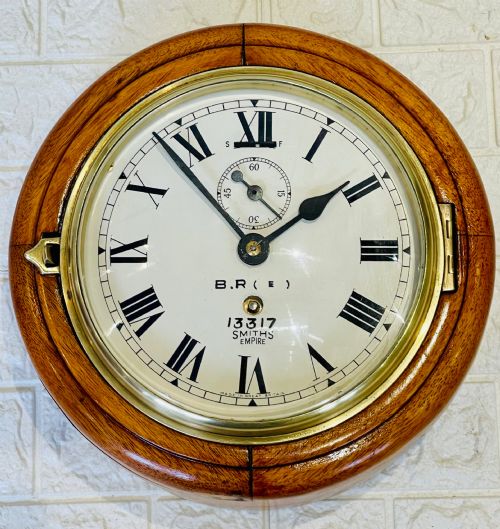
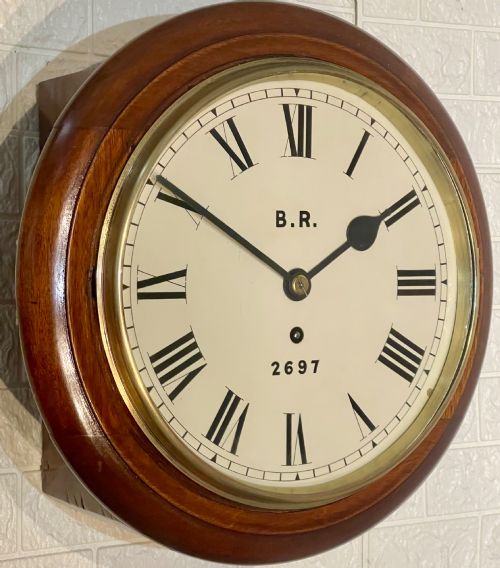
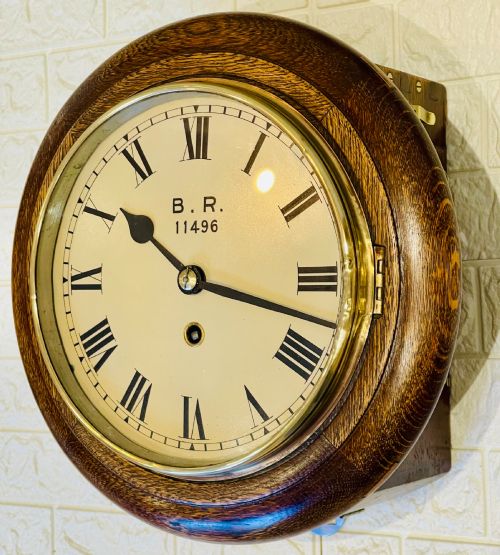
Railway and station clocks occupy a prominent position among these listings, often featuring sturdy fusee movements and oak or mahogany frames marked by regional transport companies. Simpler wall-mounted timepieces sit alongside striking clocks, drop dial variants and musical automaton pieces driven by weights or springs.
How they were made
Cabinetmakers utilised native and imported hardwoods including mahogany, oak, walnut, rosewood and beech to construct robust cases capable of housing heavy movements. Dial surrounds incorporate brass bezels, glass covers and painted iron or wood fascias.
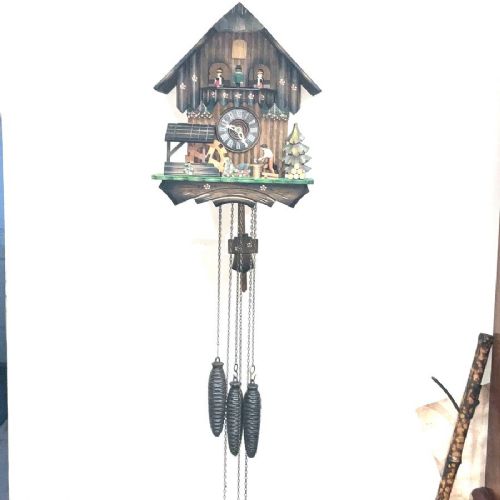
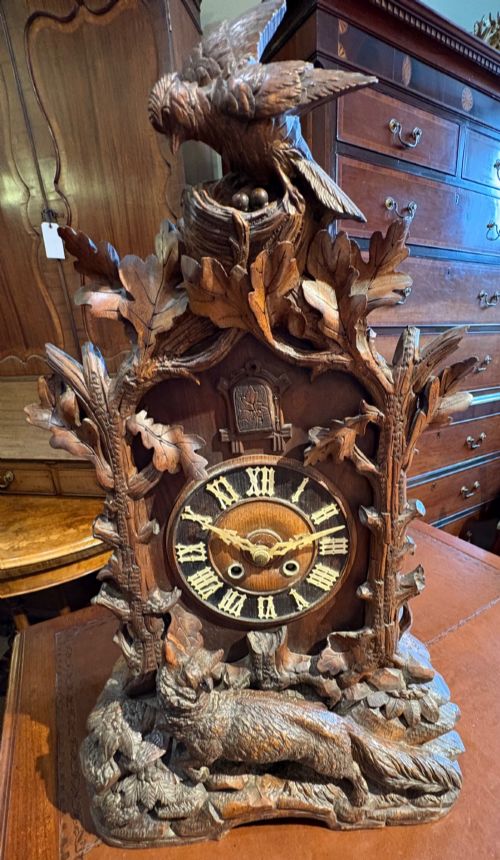
Movement construction relies on brass gear trains, escapements, and chain-driven or fusee mechanisms designed to maintain tension and consistent force as the mainspring unwinds. Specialised workshops carved intricate foliage and animal motifs for Black Forest housings using hand tools.
Vintage Mechanical Wall Clock Retail Price Guide 2026
Typical asking prices for vintage mechanical wall clock among the pieces listed under this phrase on Sellingantiques today, from the lower quarter to the upper quarter. They describe what is for sale here now, not the wider market.
Listings feature woods like mahogany, oak, walnut and beech across periods from the Georgian era through to the nineteen-fifties.
What varies in quality
The sophistication of the movement dictates much of the standing, with fusee movements representing a higher standard of timekeeping stability compared to standard spring-driven alternatives. The crispness of dial lettering, the integrity of the timber case, and the retention of original components separate standard production pieces from higher grade examples.
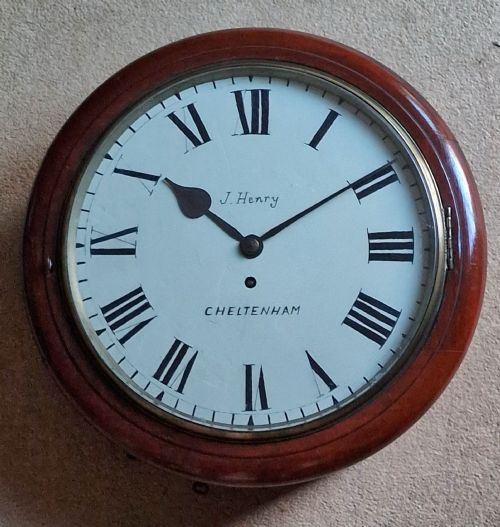
Provenance adds distinction, particularly when railway company lettering, maker signatures on the dial, or regional town names are intact on the timber or metal face. Hand-carved detailing in Black Forest examples demonstrates varying levels of artisan depth and relief.
Smiths·J Henry·Odo·Vedette·Zenith·Thomas Hedge·John Walker·D and J Wellby·W and H Sch
The Vintage Mechanical Wall Clock Glossary
- Fusee
- A conical pulley used in mechanical clocks to equalise the torque of the mainspring as it runs down. This mechanism ensures steady power delivery to the escapement for improved timekeeping accuracy.
- Drop Dial
- A clock configuration where the circular dial sits above an extended wooden trunk designed to house a longer pendulum. This form appears frequently in railway and office environments.
- Verge
- An early type of escapement controlling the release of the wheel train through a crown wheel and pallet arrangement. It is commonly found in older or traditional bracket and wall clocks.
- Automaton
- Mechanical figures or elements that move when the clock strikes or plays music. Cuckoo clocks often employ this technology to animate birds or carved figures.
- Carillon
- A set of tuned bells played by a mechanism to output musical melodies on the hour. This system appears in advanced striking wall clocks from French and European makers.
Vintage Mechanical Wall Clock: Frequently Asked Questions
How do fusee wall clocks work?
A fusee movement uses a specially shaped cone pulley connected to the mainspring by a chain or cord. As the spring unwinds, the leverage shifts across the cone to maintain even tension on the gear train.
This clever design counteracts the dropping force of a relaxing spring, helping the clock maintain a consistent beat over its running period.
Where were railway clocks displayed?
Railway clocks hung in booking halls, platform offices, signal boxes and administrative rooms across regional networks. Their clear dials and robust movements ensured staff and passengers could read the time at a glance.
Transport companies often stamped the timber cases or painted company initials directly onto the dial face for asset tracking.
How do I wind a mechanical wall clock?
Winding requires a matching key inserted into the winding holes on the dial face to tension the internal springs or draw up the driving weights. Care must be taken not to overwind the mechanism.
Most eight-day movements require weekly attention, while fusee and railway clocks follow a regular routine to maintain accurate time.
Are cuckoo clocks weight driven?
Traditional cuckoo clocks operate using suspended pinecone-shaped cast iron weights that power the timekeeping, striking, and cuckoo mechanism as they slowly descend. Gravity pulls the weights down over a set period.
Once the weights reach the bottom of their drop, they are gently pulled back up to reset the mechanism for another cycle.