

Brass Pendulum Wall Clock
These brass pendulum wall clock pieces bring reliable timekeeping and steady motion into a room, spanning periods from the Georgian era to the mid-twentieth century.

Brass Pendulum Wall Clock
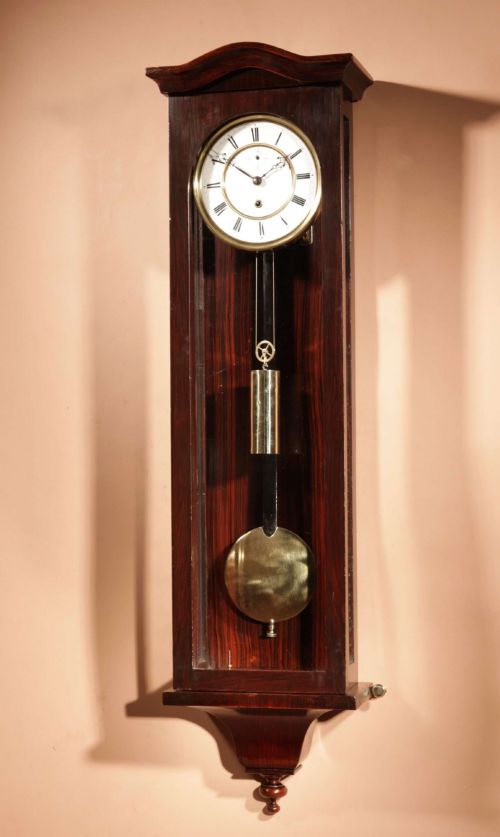
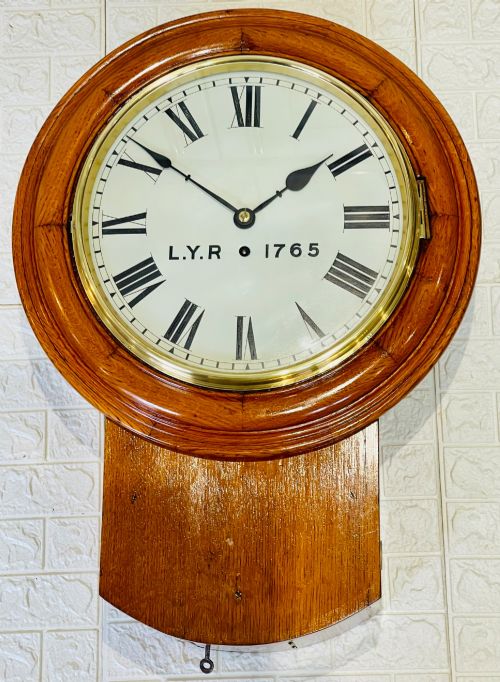
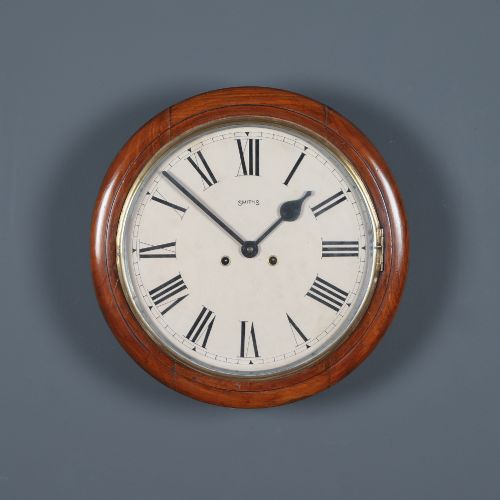
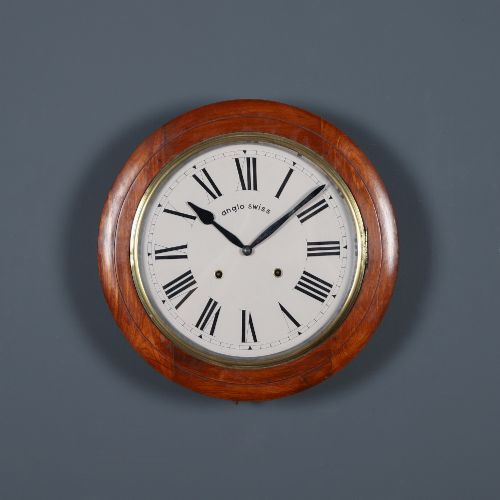
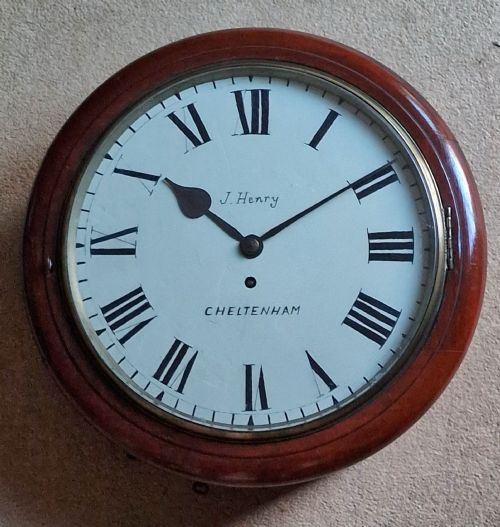
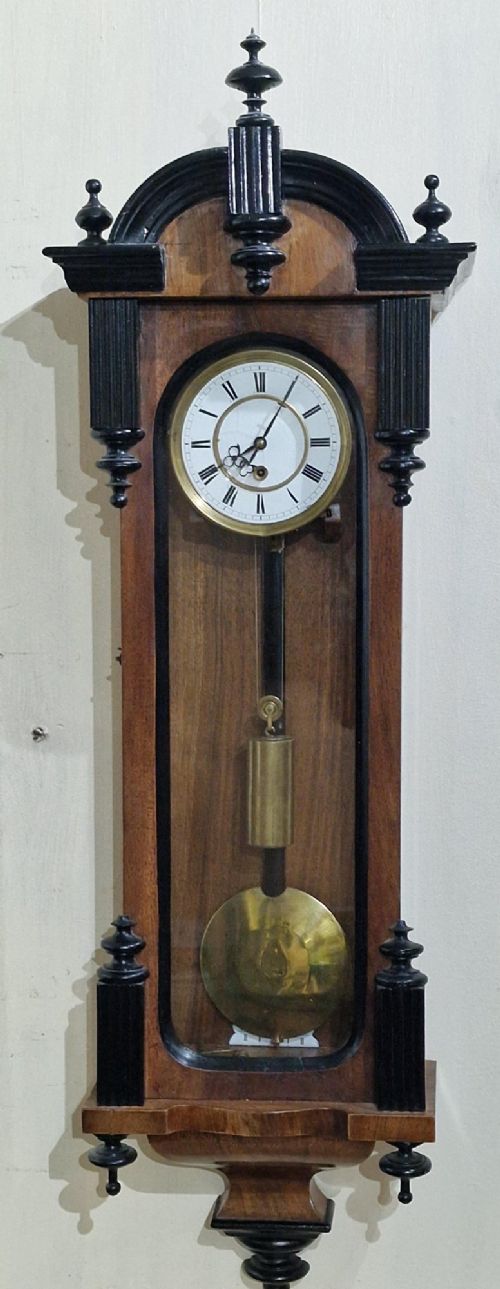
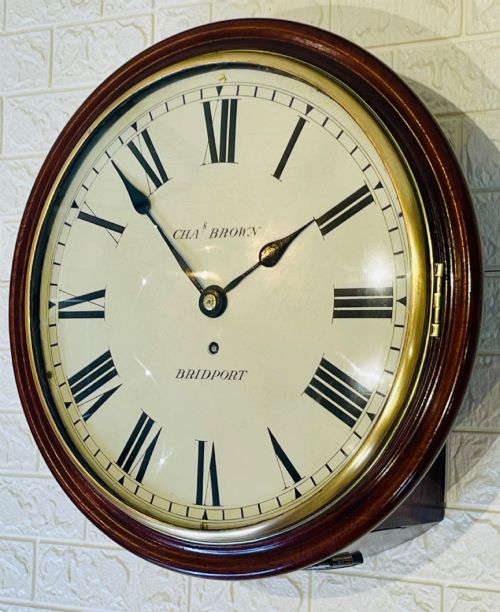
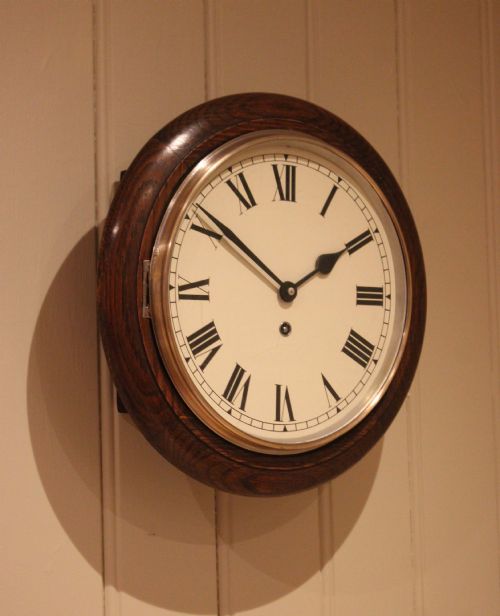
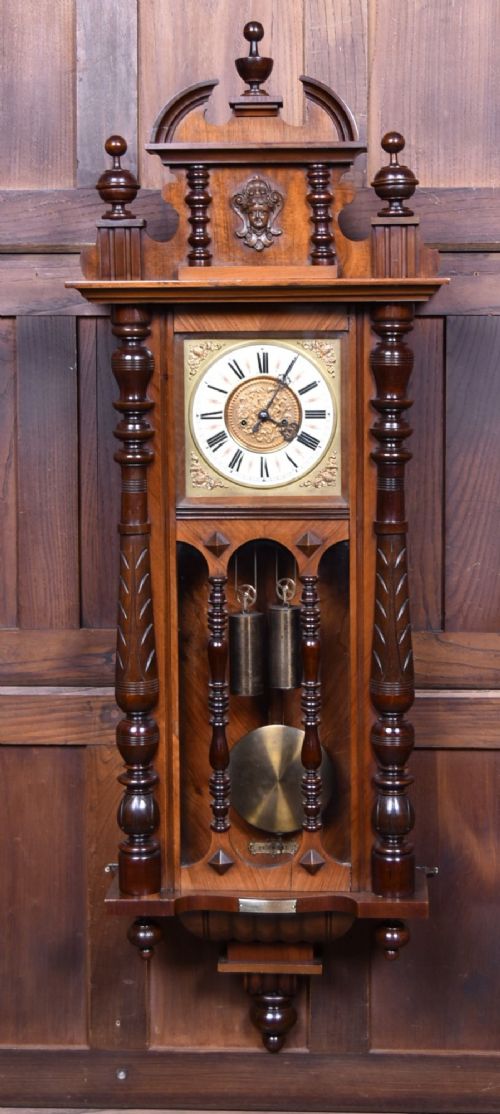
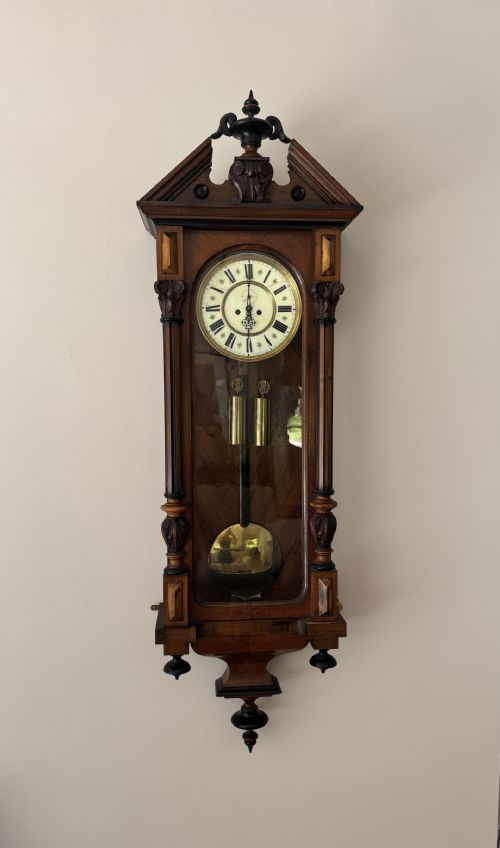
A brass pendulum wall clock is a timepiece designed to hang securely while a visible or enclosed pendulum regulates the movement. You will encounter various regional interpretations here, from strict British railway round dials to ornate continental Vienna regulators.
The selection ranges across the nineteenth and early twentieth centuries, drawing on Victorian, Regency, and Georgian construction methods. Wall clocks served practical and decorative functions in domestic halls, railway stations, and public offices.
Cases present in materials such as mahogany, oak, walnut, and ebonised wood, often housing circular enamel or painted metal dials. The visible swing of the pendulum provides a steady mechanical pulse that defines the character of each piece.
Materials and Construction
Makers utilised dense timbers like mahogany, oak, and walnut for structural cases, often incorporating brass bezels and enamel dials to protect the delicate movements. Fusee movements deployed a conical pulley and chain or cord to maintain even tension as the mainspring unwound.
Glass panels fitted into doors and side windows allowed owners to observe the pendulum bob and suspension spring at work. Metal components, including brass weights and gear wheels, required precise cutting and finishing by hand to ensure long-term accuracy.
Brass Pendulum Wall Clock Retail Price Guide 2026
Typical asking prices for brass pendulum wall clock among the pieces listed under this phrase on Sellingantiques today, from the lower quarter to the upper quarter. They describe what is for sale here now, not the wider market.
Case materials span traditional British oak and mahogany alongside continental walnut and ebonised wood.
Distinctions in Standard
The degree of hand-carving on walnut and oak cases separates standard production models from finer workshop examples. Dial legibility, crisp engraving on brass bezels, and the complexity of the striking or chiming mechanism indicate the level of craftsmanship involved.
The integrity of the timber movement frames and the original finish of the wood case determine the overall preservation of the clock. Weight-driven movements and month-duration movements represent higher technical ambition than standard eight-day spring-driven alternatives.
Seth Thomas·AG Lenzkirch·Philipp Haas·Joseph Bird·Thomas Hedge
The Brass Pendulum Wall Clock Glossary
- Fusee
- A conical pulley connected to the mainspring barrel by a chain or cord, designed to equalise the driving force as the spring unwinds. This mechanism improves the timekeeping consistency of the clock.
- Vienna Regulator
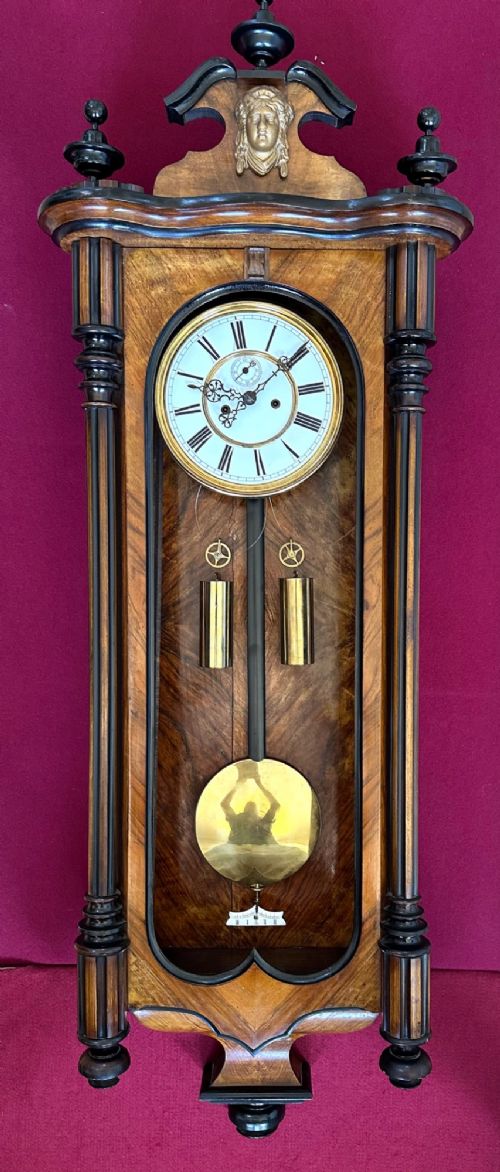
- A precise weight-driven wall clock style originating in Austria, characterised by a clean glass-fronted case and a gridiron pendulum. These pieces are known for high mechanical accuracy and refined presentation.
- Drop Dial
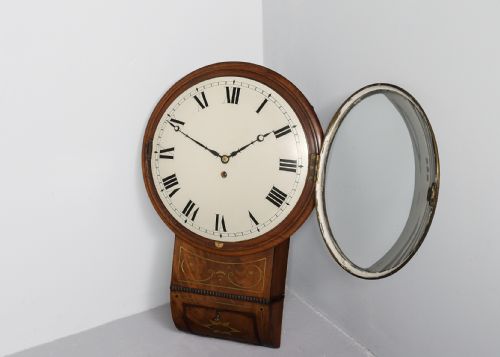
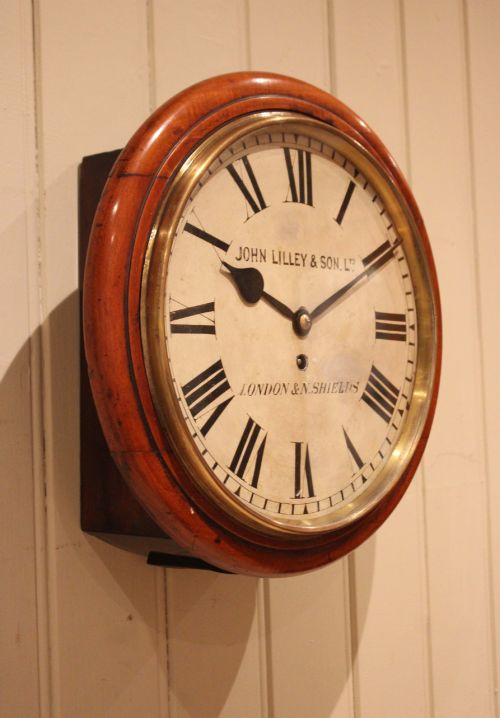
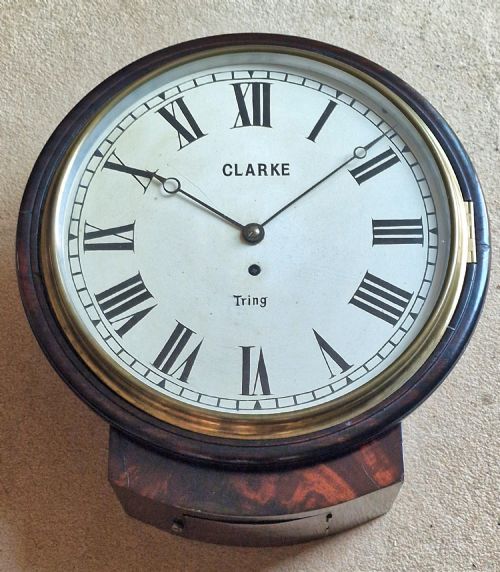
- A wall clock case featuring a circular dial mounted above an extended wooden box that houses the pendulum. This format became common in railway stations and offices.
- Verge Escapement
- An early type of escapement mechanism that controls the release of the gear train using a crown wheel and pallets. It requires precise adjustment to maintain steady beats.
- Enamel Dial
- A metal dial face coated with fused glass powder to create a smooth, durable white surface for painted numerals. These faces resist discolouration over decades of exposure.
Brass Pendulum Wall Clock: Frequently Asked Questions
How do I wind a brass pendulum wall clock?
Wind the movement using the appropriate key inserted into the winding holes on the dial face, turning gently until resistance increases. Avoid over-winding to protect the internal springs from undue tension.
Ensure the pendulum remains stationary during winding to prevent strain on the suspension spring. Once wound, gently set the pendulum in motion to restart the beat.
Why does my clock lose or gain time?
Variations in timekeeping often stem from temperature changes affecting the pendulum rod or the need for minor regulation adjustments. Adjusting the small nut beneath the pendulum bob raises or lowers the weight to correct the rate.
Ensure the clock hangs completely plumb against a sturdy wall to maintain an even beat. An uneven hang causes the escapement to trip irregularly, altering the speed of the movement.
How do I set up a weight-driven wall clock?
Hang the case securely to a wall stud, ensuring the backplate rests flat before attaching the pendulum and weights. Suspend the brass weights from their designated chains or lines carefully to avoid tangling.
Give the pendulum a gentle push to start the swinging motion and listen for a steady, even tick. Allow the movement to settle for an hour before checking the time against a reliable reference.
How should I clean the wooden case?
Dust the exterior mahogany, oak, or walnut surfaces regularly with a soft, dry cloth to prevent grime accumulation. Avoid applying modern silicone polishes, which can penetrate the wood grain and damage historic finishes.
Apply a light coat of traditional beeswax periodically to nourish dry timber and preserve the patina. Keep the clock away from direct sunlight and heating vents to prevent the wood from warping.