
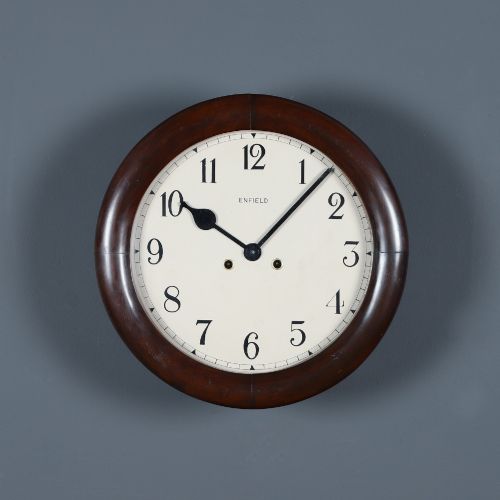
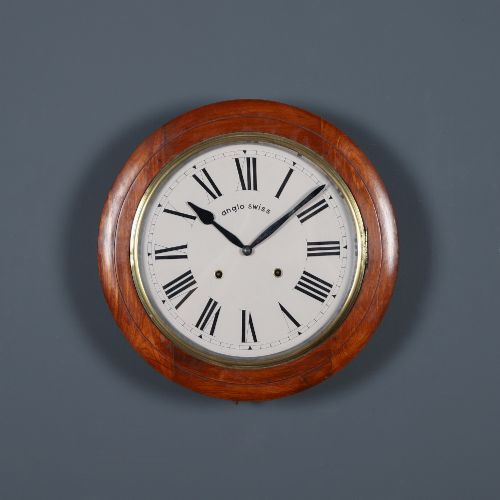
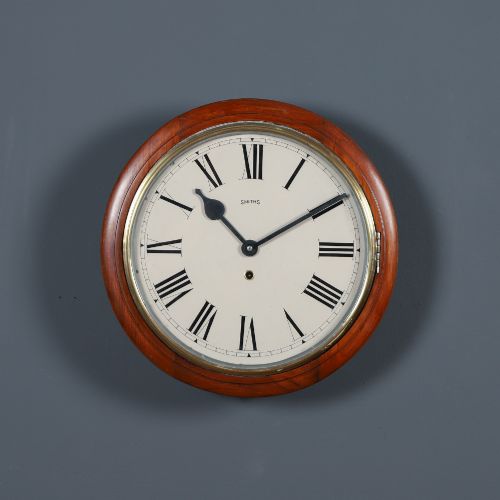
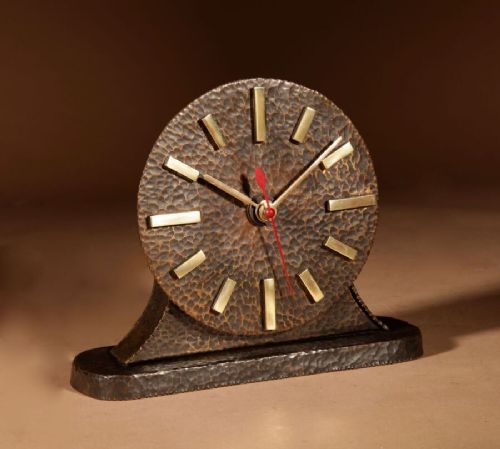
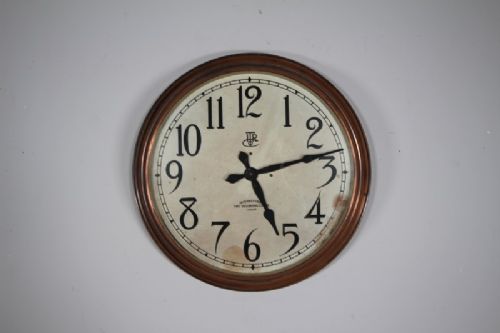
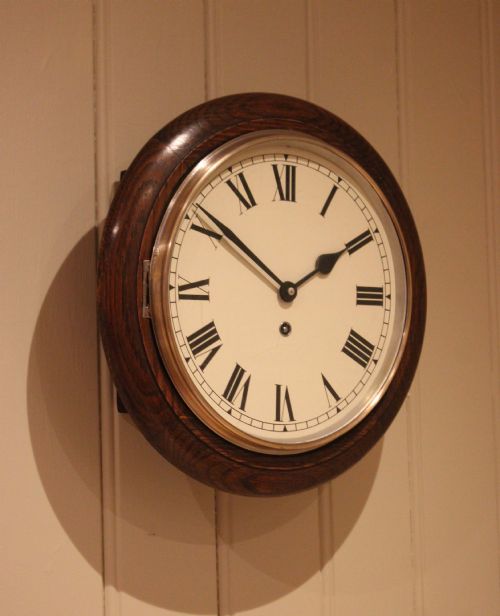
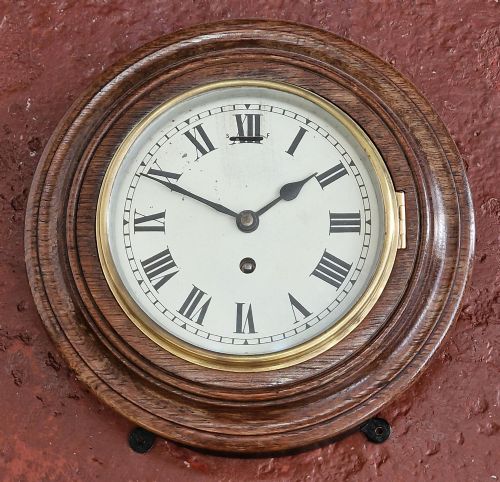
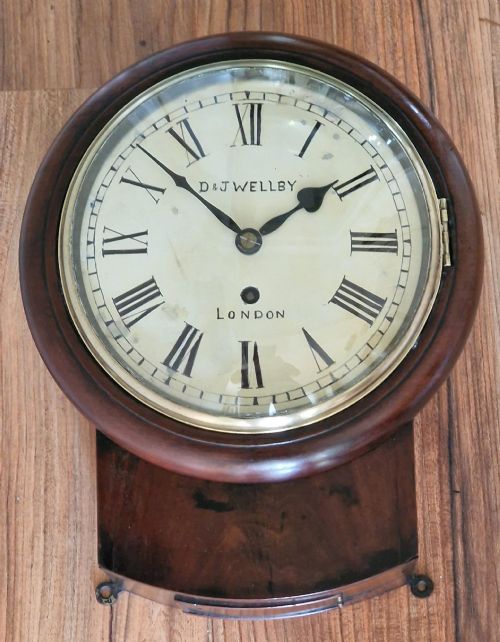
Vintage School Clock
A vintage school clock brings honest utility and clear dials into modern spaces, drawing on decades of institutional service.
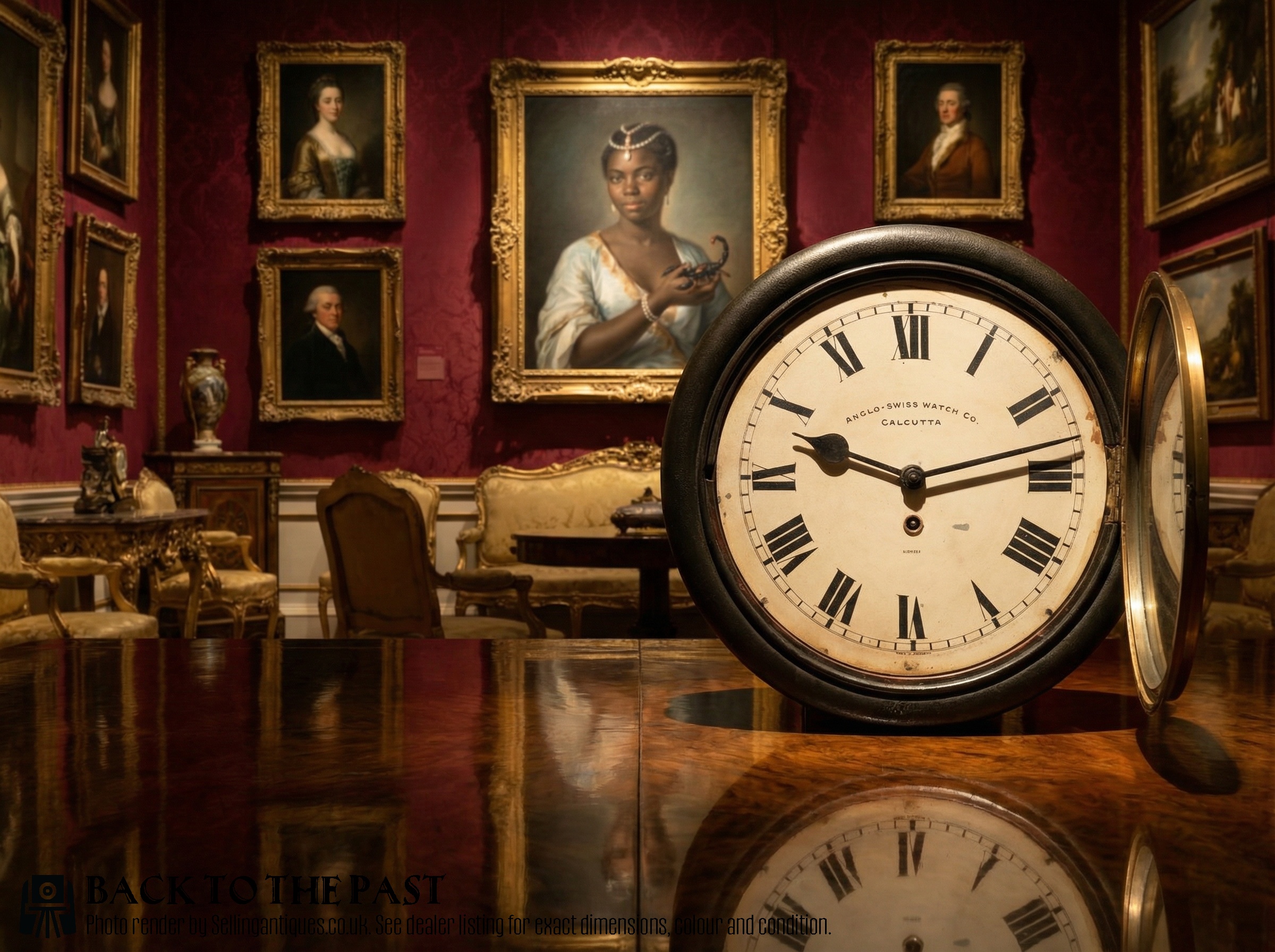
Vintage School Clock
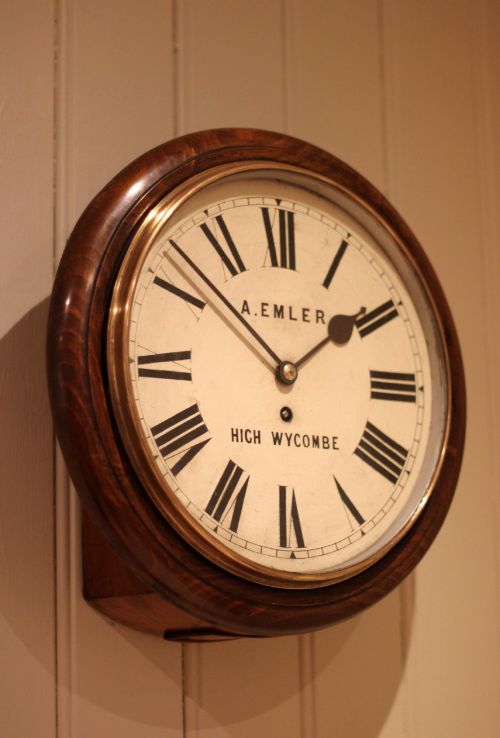
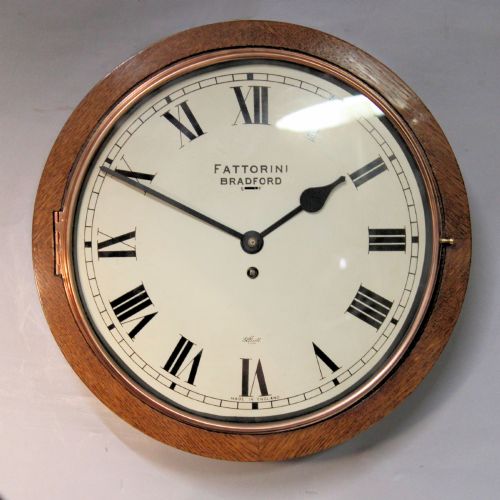
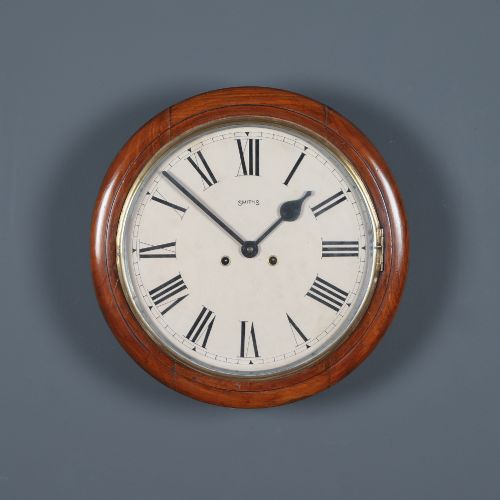
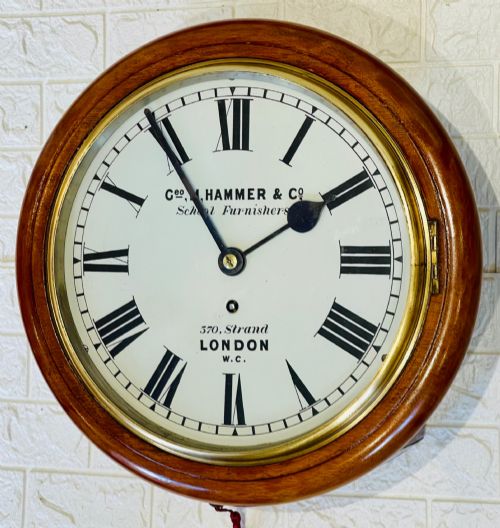
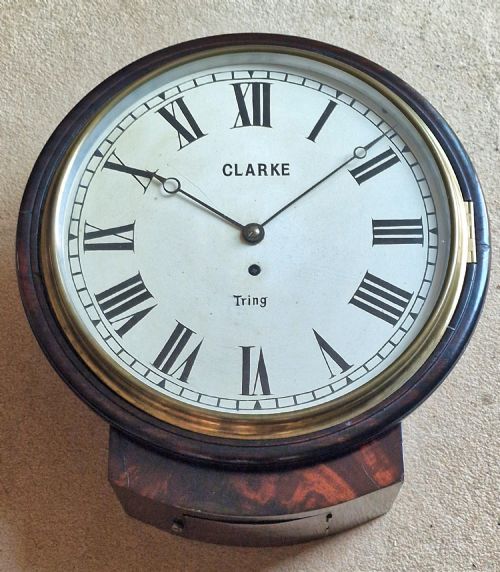
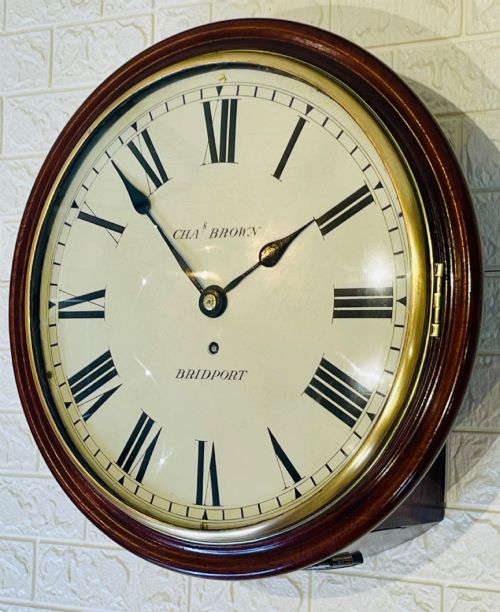
A vintage school clock represents a specific category of round dial timepieces designed for clear legibility in public buildings, classrooms and stations. Buyers searching this phrase typically encounter robust wall clocks featuring straightforward wooden surrounds and prominent Roman or Arabic numerals.
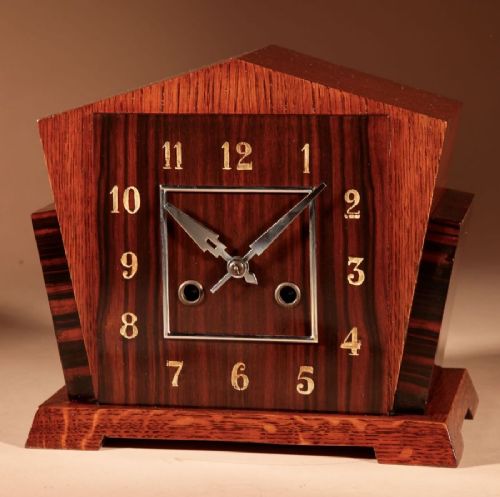
The pieces listed here span the nineteenth and twentieth centuries, originating from Victorian classrooms, Edwardian institutions and later twentieth-century offices. Mahogany and oak dominate the casings, accompanied by beech and rosewood frames housing traditional glass faces.
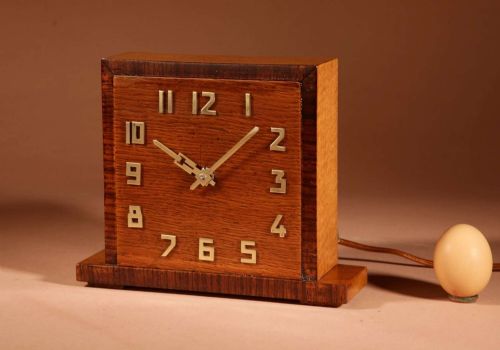
Beyond standard wall formats, the selection includes related dial clocks adapted for railway, postal and ministry use. These items share the practical aesthetic that defines a vintage school clock, built to endure heavy daily traffic.
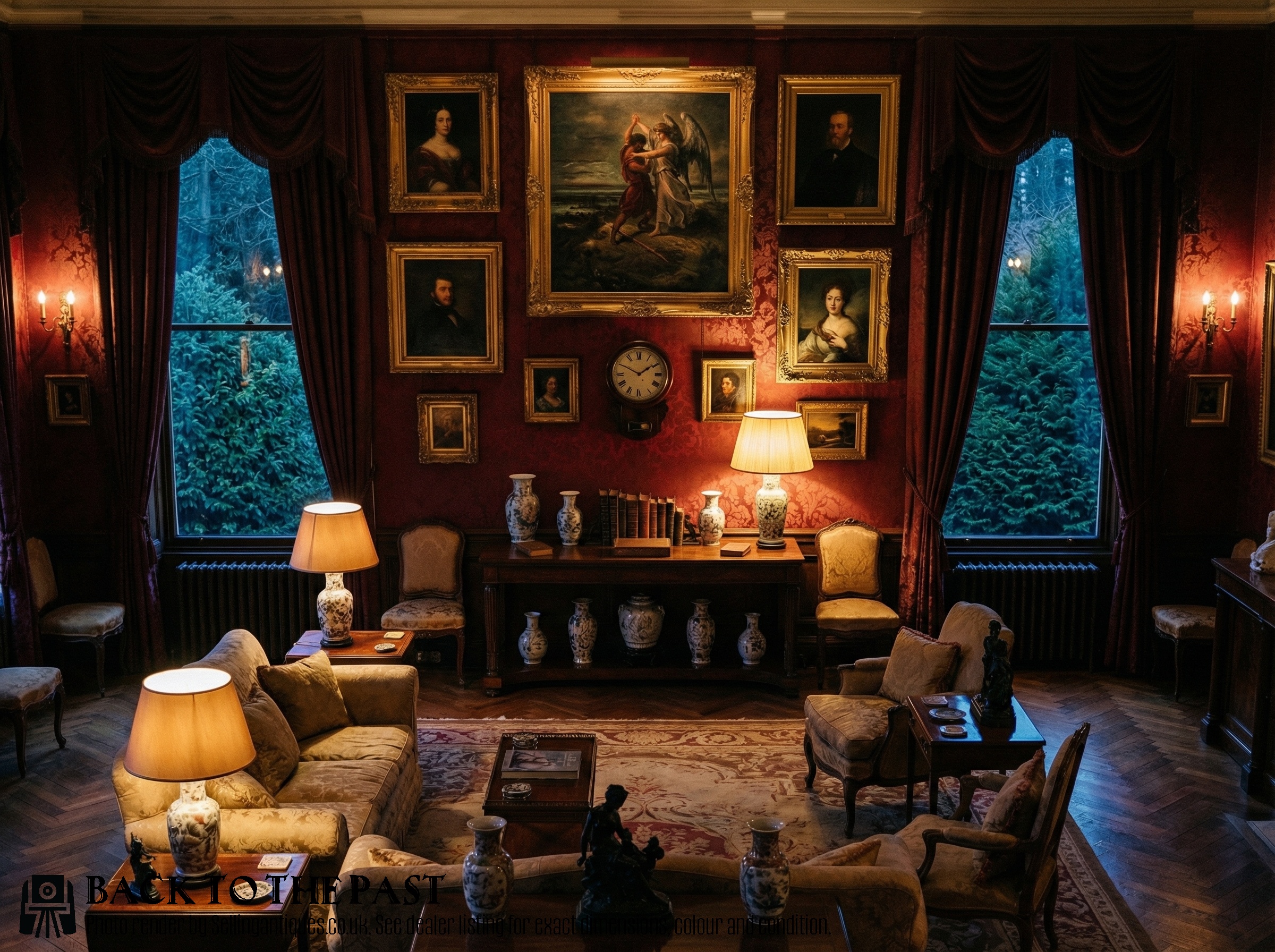
How they were made
Maker workshops utilised solid timbers such as mahogany, oak and beech to construct durable circular frames capable of protecting delicate internal movements from dust and environmental wear. These wooden cases often feature hinged side doors or bottom access boxes secured with brass latches.
Interior mechanisms rely on traditional brass gear trains, incorporating fusee movements or lever escapements to maintain steady tension and accurate timekeeping. Glass bezels set within iron, brass or wooden rims shield the paper or painted metal dials.
Vintage School Clock Retail Price Guide 2026
Typical asking prices for vintage school clock among the pieces listed under this phrase on Sellingantiques today, from the lower quarter to the upper quarter. They describe what is for sale here now, not the wider market.
Some clocks survived decades of bell-ringing and corridor commotion only to retire quietly in a modern kitchen.
What varies in quality
Quality rests primarily in the execution of the mechanical movement and the integrity of the timber case. Superior examples utilise sophisticated chain fusee or twin-fusee systems rather than simpler spring drives, reflecting meticulous horological craftsmanship.
Material selection and proportion also define the grade of the piece, with dense, well-figured mahogany or rosewood housings outlasting softer timbers. Original components, crisp dial lettering and signed backplates elevate the standing of an individual clock.
ELLIOTT·George Clarke·D&J Wellby·Henry Harris·L. Morris·Rudge
The Vintage School Clock Glossary
- Fusee
- A conical pulley used in clock movements to equalize the declining power of the mainspring as it unwinds. This mechanism helps ensure consistent timekeeping accuracy across the power reserve.
- Dial clock
- A wall-mounted timepiece featuring a prominent circular face designed for distant legibility. These clocks served practical roles in schools, railways and public offices.
- Drop dial
- A wall clock configuration where the circular dial sits above an extended wooden trunk that houses a swinging pendulum. This layout accommodates the drop required for the pendulum swing.
- Lever escapement
- A mechanical linkage that controls the release of gear train power in a clock. It provides a reliable impulse to the regulator while maintaining steady motion.
Vintage School Clock: Frequently Asked Questions
How do I wind a fusee wall clock?
Use the designated winding key inserted into the dial aperture to turn the mechanism clockwise until gentle resistance indicates a full spring. Take care not to overwind the movement.
Ensure you support the key steadily and avoid sudden movements that might strain the historical brass gear train inside the wooden case.
How do I date an antique wall clock?
Examine the timber species, construction joinery, dial typography and any maker signatures stamped onto the movement backplate or wooden case interior. Victorian and Georgian pieces often display specific hand-cut brass components.
Compare these structural details against known production periods for institutional and railway timepieces to narrow down the decade of manufacture.
Why does my clock need to be level?
A clock pendulum requires a symmetrical swing to maintain an even tick and prevent the escapement from stalling. If the case tilts, the motion falters.
Adjust the mounting brackets until the beat sounds completely regular, which ensures the mechanical gear train operates without unnecessary friction.